
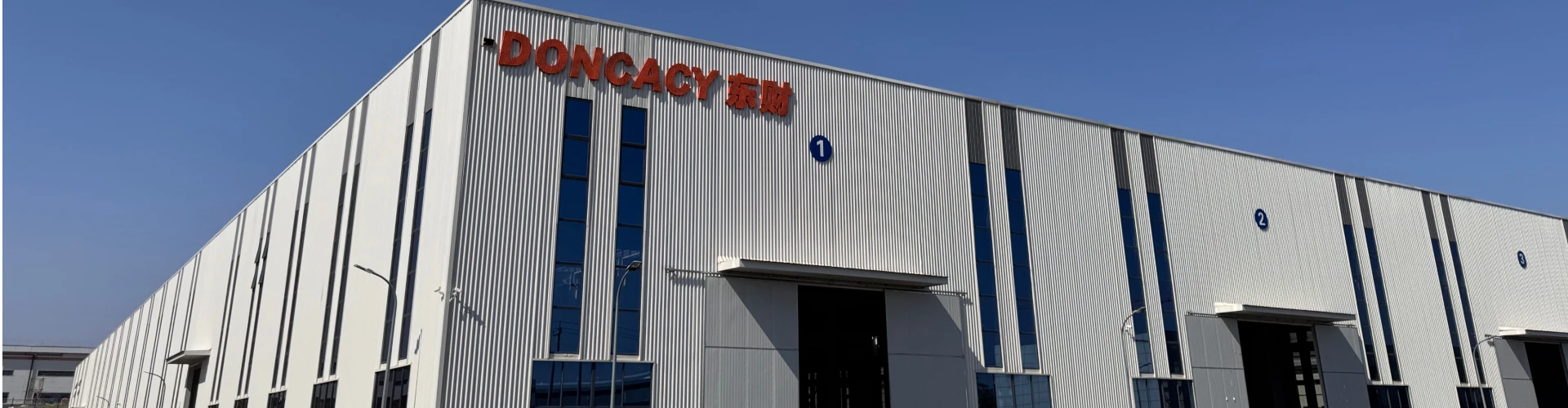
Understanding the Pipe Extrusion Line: A Comprehensive Guide
The process of creating pipes efficiently and consistently relies heavily on a pipe extrusion line. This sophisticated system is used across numerous industries, from construction and agriculture to infrastructure and telecommunications. Choosing the right pipe extrusion line is crucial for optimizing production, ensuring product quality, and achieving cost-effectiveness. This article provides an in-depth overview of pipe extrusion lines, covering their components, types, applications, and key considerations for selection. We’ll explore the intricacies of this technology and how AHDC provides solutions for diverse piping needs.
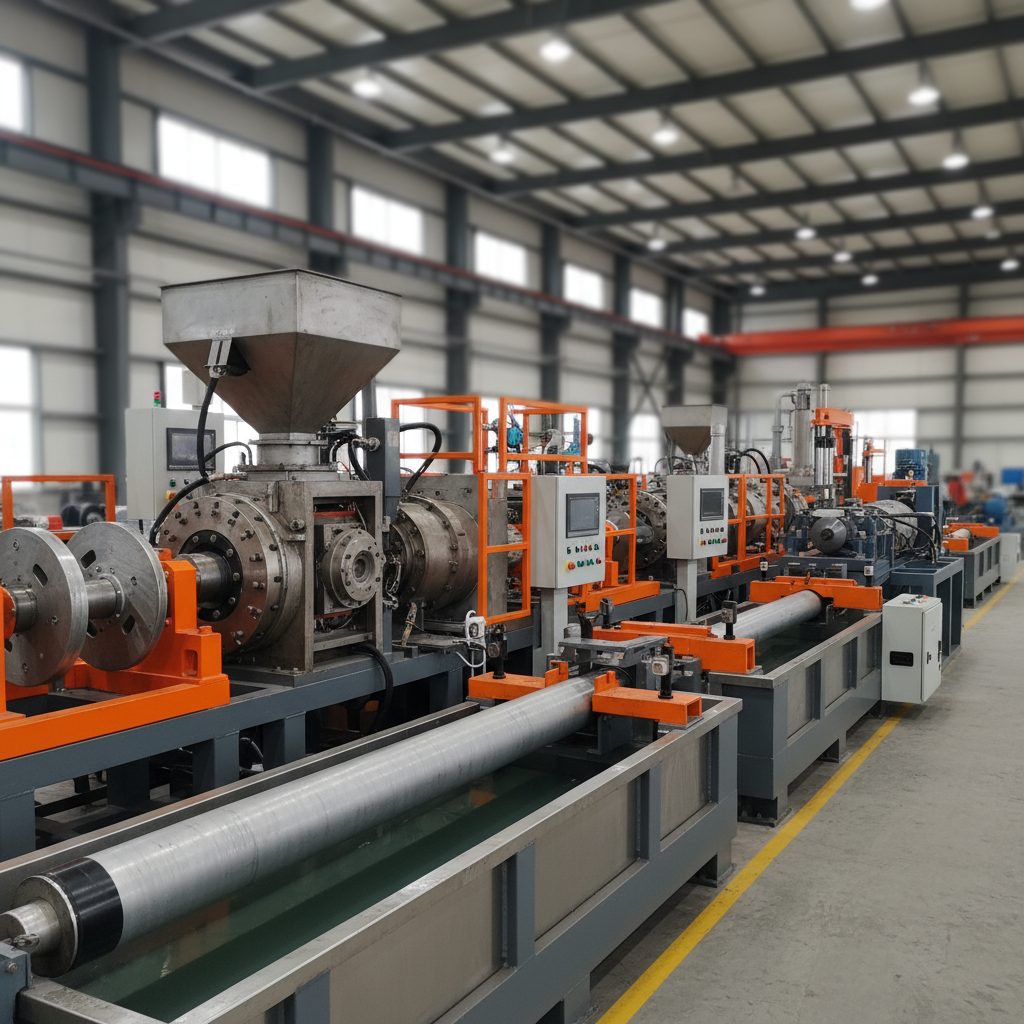
Key Components of a Pipe Extrusion Line
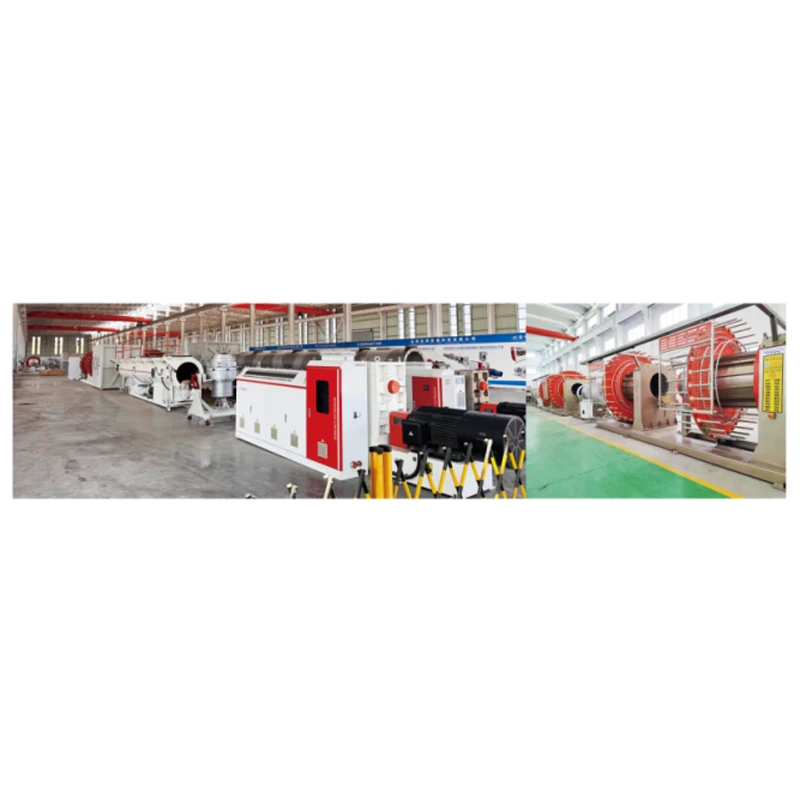
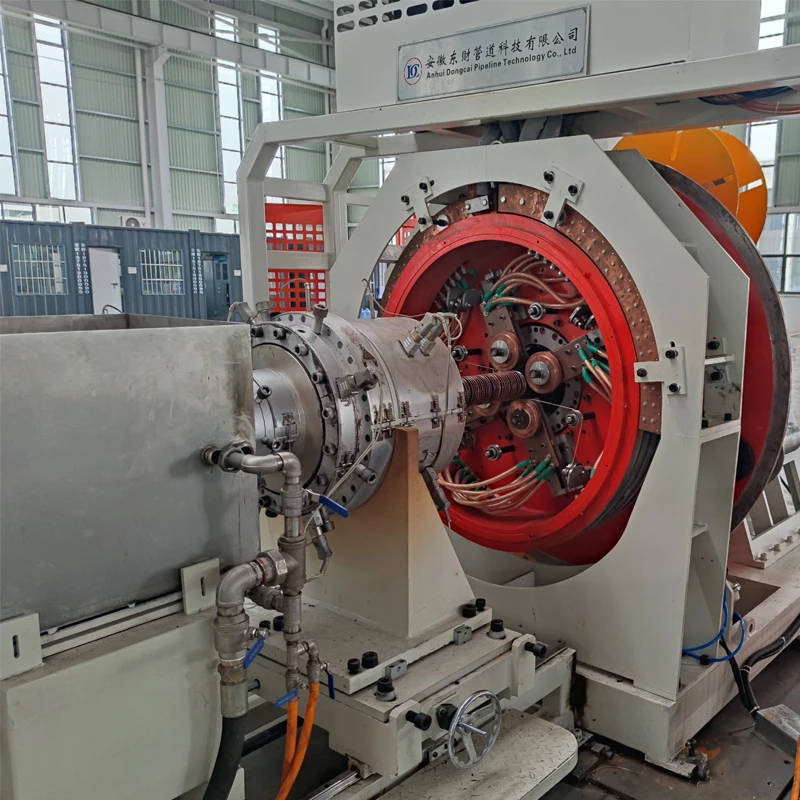
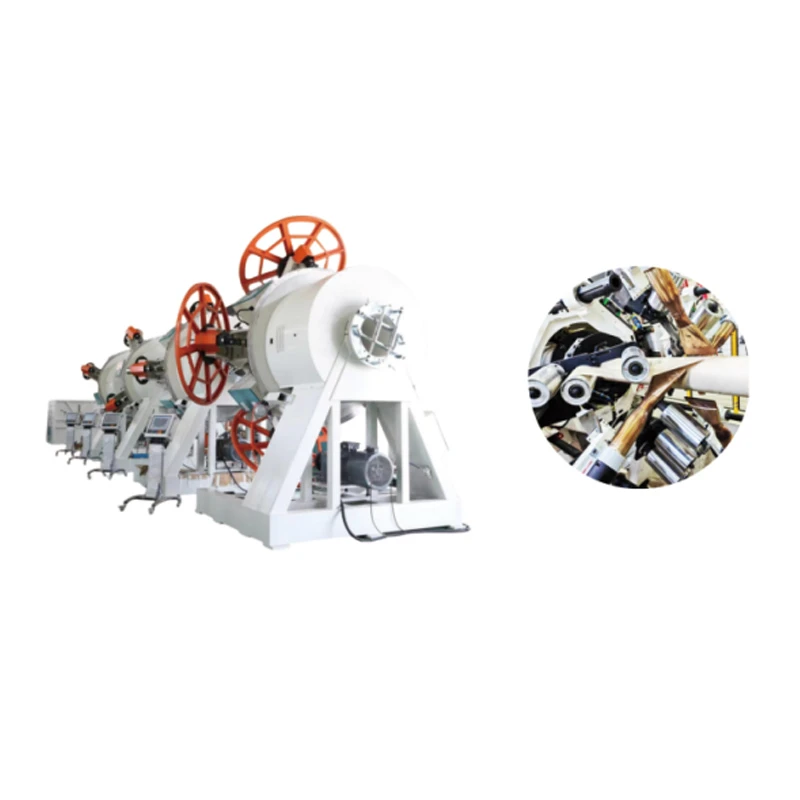
A typical pipe extrusion line comprises several essential components working in harmony. These include the extruder, die head, calibration sleeve, cooling tank, haul-off unit, cutting unit, and stacking device. The extruder melts and homogenizes the plastic material. The die head shapes the molten plastic into the desired pipe profile. The calibration sleeve maintains the pipe's dimensional accuracy during cooling. The cooling tank solidifies the pipe, while the haul-off unit pulls the pipe through the line at a controlled speed. Finally, the cutting unit cuts the pipe to the specified length, and the stacking device neatly arranges the finished product. The interplay of these elements guarantees consistent pipe quality and output.
Key Highlights: A well-integrated pipe extrusion line ensures precise control over the entire production process, leading to higher efficiency and reduced material waste.
Types of Pipe Extrusion Lines
Pipe extrusion lines are categorized based on the plastic material they process. Common types include PVC pipe extrusion lines, PE pipe extrusion lines, PPR pipe extrusion lines, and HDPE pipe extrusion lines. PVC lines are suitable for rigid applications like drainage and water supply. PE lines are ideal for flexible applications such as gas pipes and irrigation. PPR lines are used for hot and cold water plumbing systems, while HDPE lines are favored for large-diameter pipes used in infrastructure projects. Selecting the appropriate line depends on the target application and the desired pipe properties.
Material-Specific Advantages:
• PVC: Cost-effective, rigid, and durable.
• PE: Flexible, lightweight, and chemical resistant.
• PPR: Excellent for hot water applications, hygienic, and corrosion-resistant.
• HDPE: High strength, suitable for large-diameter pipes, and long lifespan.
Pipe Extrusion Line Comparison: Key Features & Considerations
When evaluating different pipe extrusion lines, it's essential to compare their key features. Factors such as production capacity, pipe diameter range, material compatibility, automation level, and energy efficiency should be carefully considered. Higher automation generally results in lower labor costs and increased production consistency. Energy-efficient designs minimize operating expenses and reduce environmental impact. Choosing a line from a reputable manufacturer like AHDC ensures reliable performance and access to technical support.
Applications of Pipe Extrusion Lines Across Industries
The versatility of pipe extrusion lines makes them essential in various industries. The construction sector utilizes them for producing pipes for water supply, drainage, and sewage systems. Agriculture relies on them for irrigation pipes and tubing. The telecommunications industry uses them for conduit pipes protecting cables. Infrastructure projects benefit from large-diameter pipes for transporting water, gas, and other fluids. And the chemical industry depends on them for corrosion-resistant piping solutions. AHDC caters to these diverse needs with customized extrusion line solutions.
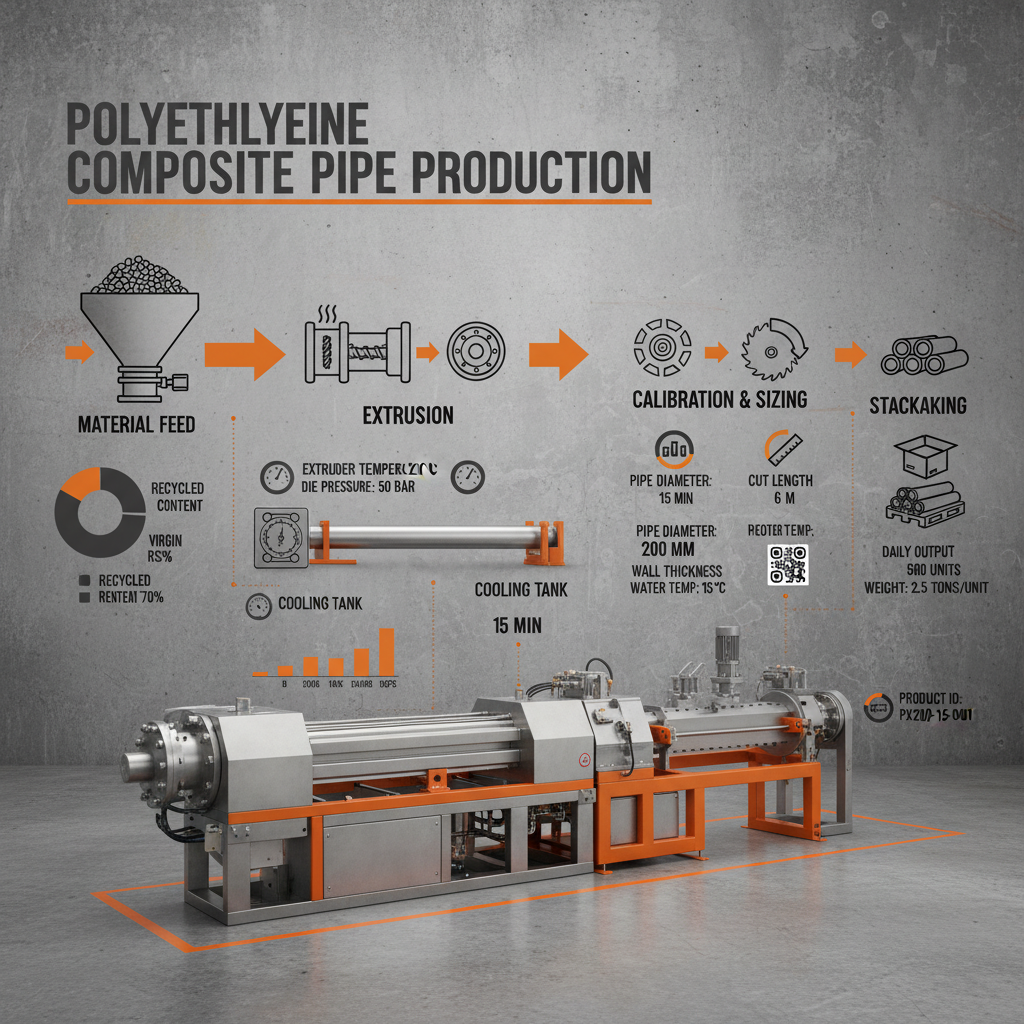
Choosing the Right Pipe Extrusion Line: Key Considerations
Selecting the ideal pipe extrusion line requires careful consideration of several factors. These include the type of plastic material to be processed, the desired pipe diameter range, production capacity requirements, automation level, budget constraints, and after-sales support availability. Prioritizing quality and reliability is crucial for long-term operational efficiency. Partnering with a reputable manufacturer like AHDC provides access to expert guidance and tailored solutions.
Conclusion: Optimizing Your Pipe Production with the Right Extrusion Line
Investing in a high-quality pipe extrusion line is a strategic decision that can significantly enhance your production capabilities, improve product quality, and reduce operational costs. By carefully evaluating your specific needs and partnering with a trusted manufacturer, you can ensure a successful and profitable investment. Don't settle for less when it comes to the foundation of your piping solutions.
Frequently Asked Questions (FAQs)
What is the typical production speed of a pipe extrusion line?
Production speed varies greatly depending on the pipe material, diameter, line configuration, and automation level. A typical PVC pipe extrusion line might produce between 5-20 meters per minute, while a PE or HDPE line could achieve speeds of 3-15 meters per minute. Higher automation and optimized line designs contribute to faster production rates. It’s essential to specify your desired production output when selecting an extrusion line.
What maintenance is required for a pipe extrusion line?
Regular maintenance is crucial for ensuring the longevity and reliability of a pipe extrusion line. This includes daily cleaning of the extruder and die head, periodic inspection and lubrication of moving parts, and replacement of worn components. The cooling system requires regular checks and maintenance to ensure efficient temperature control. Following the manufacturer's recommended maintenance schedule is essential.
What level of automation is available for pipe extrusion lines?
Pipe extrusion lines can range from fully manual to highly automated. Manual lines require significant operator intervention, while automated lines incorporate PLC controls, sensors, and automated material handling systems. Full automation reduces labor costs, increases production consistency, and minimizes human error. AHDC offers a range of automation options to suit different budgets and production requirements.
What safety measures should be in place when operating a pipe extrusion line?
Safety is paramount when operating a pipe extrusion line. Appropriate safety measures include machine guarding to prevent access to moving parts, emergency stop buttons within easy reach, proper ventilation to remove fumes, and the use of personal protective equipment (PPE) such as safety glasses, gloves, and hearing protection. Regular safety training for operators is also essential.
-
High Efficiency PE Extrusion Line Guide for Plastic ManufacturingNewsApr.16,2026
-
High Speed Steel Wire Mesh HDPE Composite Pipe Production Line - Anhui Dongchai|High Automation&Energy EfficiencyNewsApr.13,2026
-
High Speed Steel Wire Mesh HDPE Composite Pipe Production Line - Anhui Dongchai|High Automation&Energy EfficiencyNewsApr.13,2026
-
Guide to Choosing High Efficiency ppr pipe extrusion machineNewsApr.09,2026
-
Comprehensive Guide to Modern Pipe Production Line Technologies and OptimizationNewsApr.07,2026
-
Choosing the Right Extrusion Pipe Machine for Optimal Plastic Pipe ProductionNewsApr.04,2026
-
Comprehensive Guide to PPR Pipe Extrusion Line Technology and ApplicationsNewsMar.31,2026


