
A composite pipe production line is an advanced manufacturing system designed to produce multi-layer pipes that combine different materials for improved performance. These pipes usually consist of layers of plastic (such as PE, PPR, or cross-linked PE) reinforced with aluminum, fiberglass, or other strengthening materials. The production process starts with plastic granules fed into an extruder, where they are melted and homogenized by a screw under controlled heating.
The molten plastic is then extruded through a die, while the reinforcing material—such as an aluminum strip or fiberglass layer—is applied simultaneously. This combination is bonded together under pressure and heat to form a multi-layer pipe structure. Depending on the type of composite pipe, adhesives or coupling agents may also be used to ensure a strong bond between the layers.
After extrusion and lamination, the pipe is cooled in a water tank and calibrated to maintain precise diameter and roundness. The haul-off machine pulls the pipe at a stable speed, and an automatic cutter slices it into specific lengths. For certain applications, socketing or end-forming equipment may also be included.
Composite pipe production lines are equipped with PLC-based intelligent control systems, allowing operators to adjust parameters such as temperature, extrusion speed, and wall thickness. This ensures high production efficiency, stable quality, and reliable bonding strength. Such lines are widely used for producing pipes used in hot and cold water supply, heating systems, and industrial fluid transport.
-
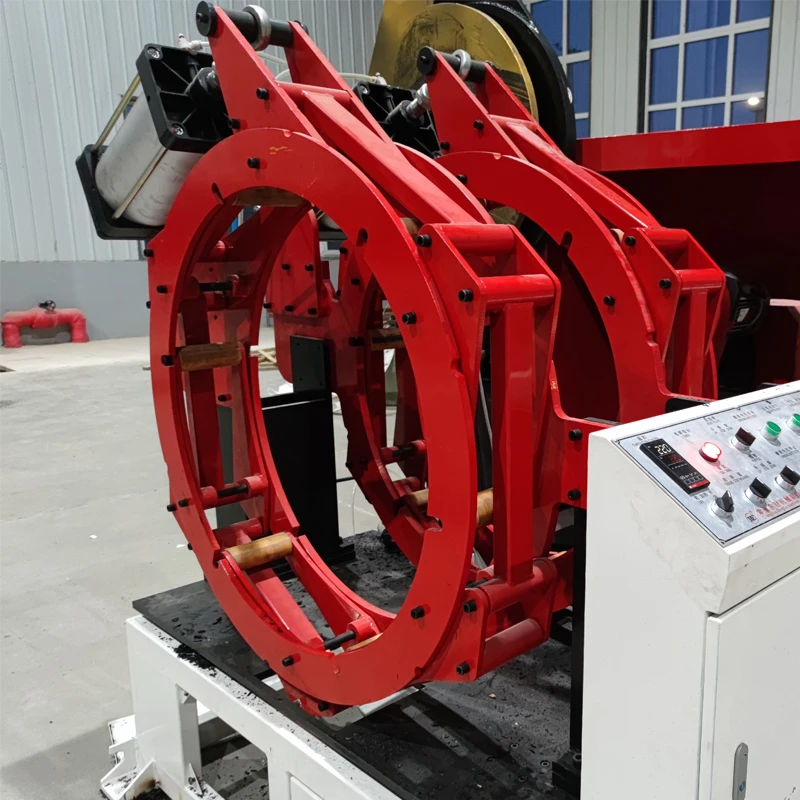 高速钢丝网骨架增强聚乙烯复合管生产线本生产线产品用于排水、通风、照明、石油、卫生、管沟、地下电缆保护、集中供水、集中供热等,广泛应用于市政工程、工业工程、建筑工程、卫生管道等领域。整线采用PLC电脑控制,自动化程度高,操作安全。核心介绍
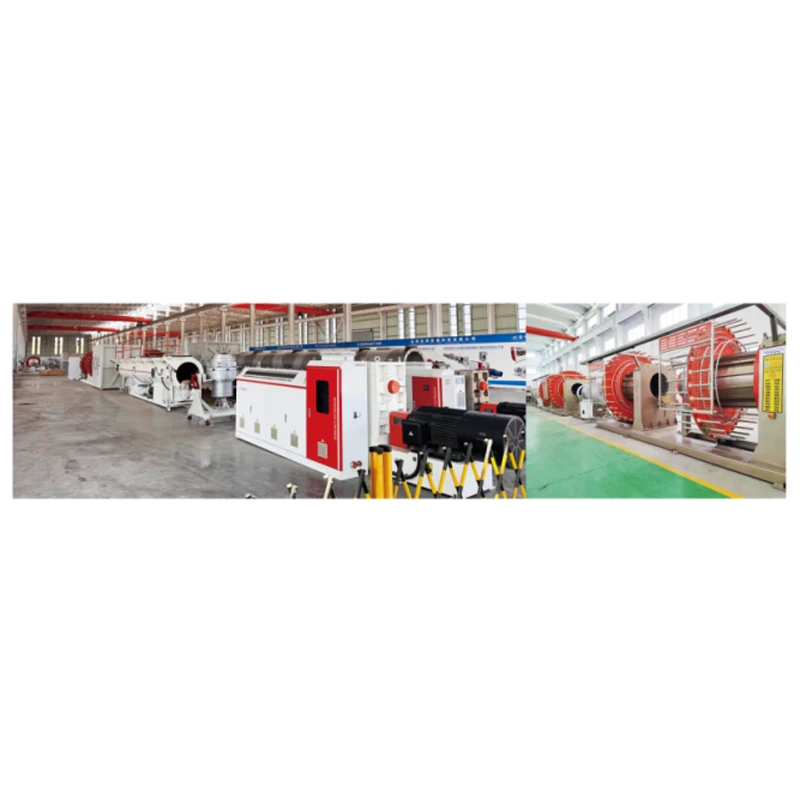 全新高速多层钢丝网骨架增强聚乙烯复合管生产线新型高速多层钢丝网骨架增强聚乙烯复合管生产线产品应用于石油、天然气、化工、电力输送、金矿开采、海水输送、船舶制造、农业、光缆等领域,新一代生产线较传统生产线提高150%,整线自动化程度高,配合自动封口机组,管道加工成本可节省60%。
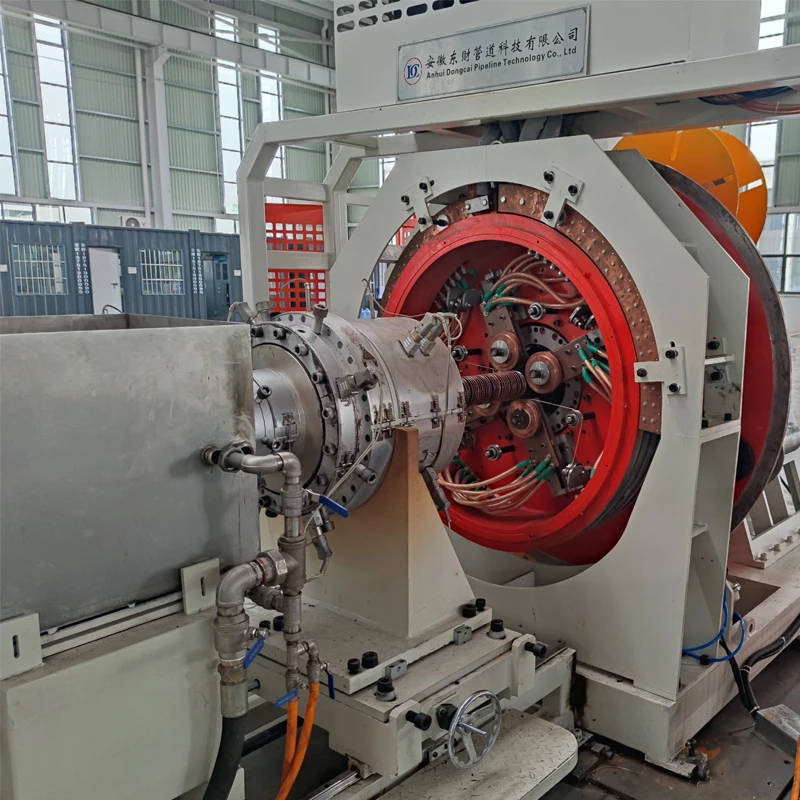 钢骨架增强聚乙烯复合管生产线SRPE系列钢骨架管生产线是以网状钢丝骨架与高密度聚乙烯为基体连续缠绕焊接的钢骨架塑料复合管。
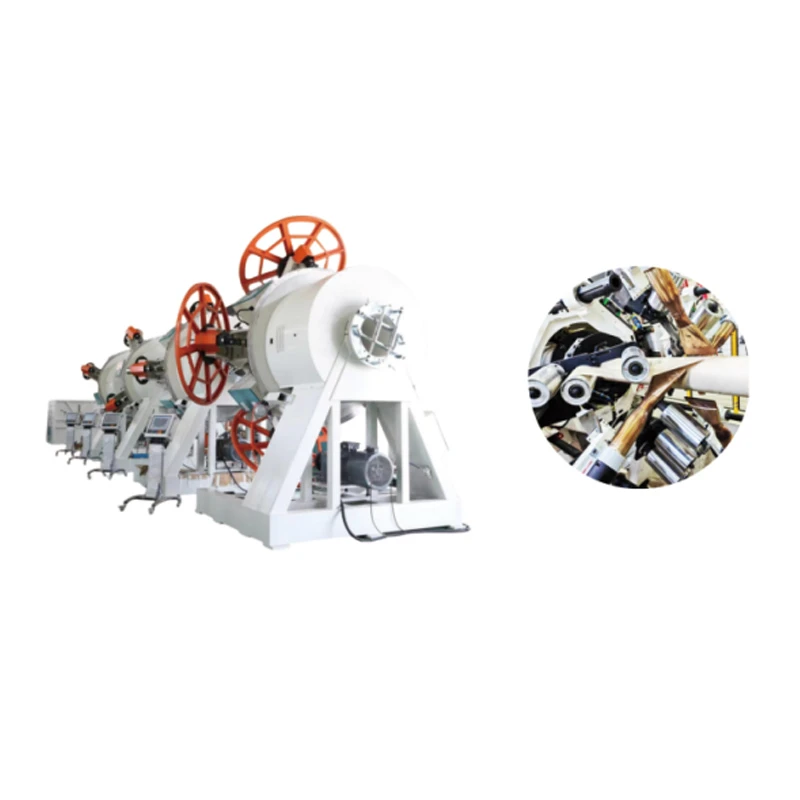 RTP带缠绕增强复合管生产线带缠绕增强复合管生产线是将钢帘带、纤维带等增强材料缠绕到塑料芯管上,形成复合管,随着塑料芯管沿旋转架旋转轴线向前输送,带卷轴上的增强带被释放,使增强带螺旋状缠绕在塑料芯管上,并在缠绕位置附近及缠绕完成后进行加热。
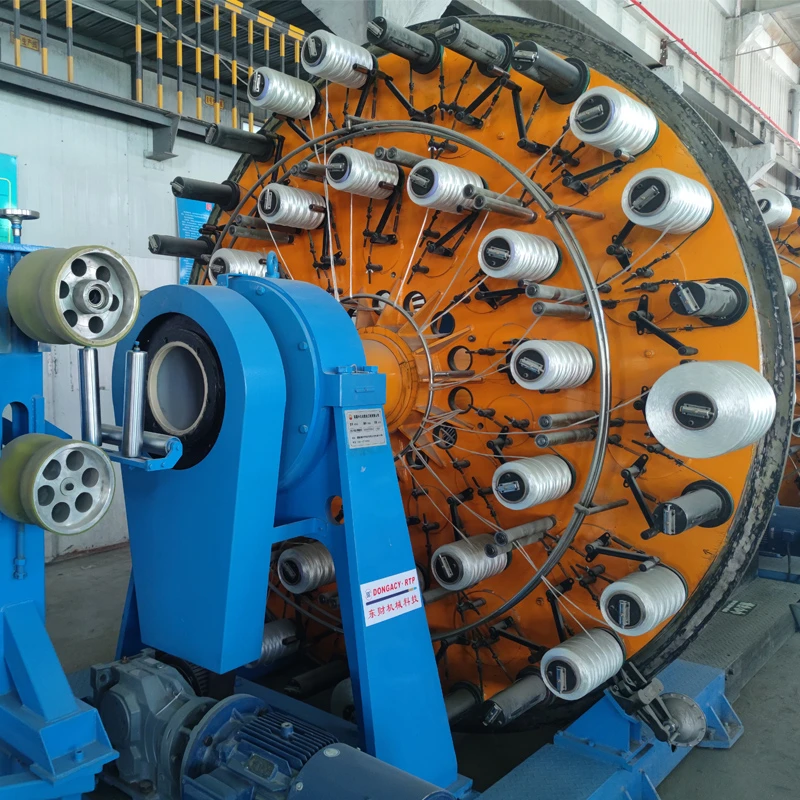 纤维丝增强RTP聚乙烯复合管生产线该设备生产的热塑性复合管道在世界各地发挥着关键作用,对输送石油、天然气、输水、化工等高压领域具有良好的耐压性能和可靠性。纤维增强RTP聚乙烯复合管生产线是生产纤维增强RTP聚乙烯复合管的专用设备系统。
What Types Of Composite Pipes Can Be Produced With This Line?
Composite pipe production lines are versatile and capable of producing several types of multi-layer pipes depending on raw materials and machine configuration.
One of the most common products is the aluminum-plastic composite pipe (PAP pipe). It consists of an inner and outer plastic layer with an aluminum middle layer, offering both flexibility and strength. These pipes are widely used for hot and cold water supply, underfloor heating, and gas distribution.
Another popular option is the fiberglass-reinforced plastic pipe (FRP pipe). These pipes combine polymer materials with fiberglass, resulting in high pressure resistance, dimensional stability, and excellent performance in heating systems.
In addition, the line can produce multi-layer PPR composite pipes, which enhance heat resistance and prevent oxygen penetration, making them ideal for high-temperature water and central heating applications.
Some production lines are also designed for PEX-AL-PEX pipes, which combine cross-linked polyethylene (PEX) with aluminum reinforcement. These pipes are commonly used in underfloor heating and plumbing systems, thanks to their flexibility and long service life.
By changing extrusion dies, reinforcement materials, and bonding technologies, manufacturers can produce a wide range of composite pipes tailored for different industries such as construction, plumbing, heating, and gas distribution. This flexibility makes composite pipe extrusion lines a strategic investment for plastic processing companies.
What Are The Advantages Of Composite Pipe Production Lines?
Composite pipe production lines offer several advantages that make them attractive for modern pipe manufacturing.
First, they enable the production of multi-layer pipes with superior performance. By combining plastic with reinforcement materials such as aluminum or fiberglass, composite pipes achieve higher strength, better temperature resistance, and longer service life compared to single-layer plastic pipes.
Second, they provide excellent flexibility and durability. Composite pipes can bend without cracking, making installation easier and reducing the need for fittings. At the same time, their multi-layer design resists pressure and thermal expansion.
Third, these production lines are highly automated and precise. PLC control systems allow for real-time monitoring of extrusion speed, wall thickness, and bonding quality, ensuring uniform products with minimal defects.
Another advantage is energy efficiency and cost savings. Modern composite pipe lines use optimized screw and barrel designs, advanced heating systems, and efficient cooling units that lower energy consumption and reduce waste.
Additionally, the pipes produced are corrosion-resistant, hygienic, and environmentally friendly, making them suitable for potable water systems and heating networks.
Overall, composite pipe production lines combine innovation, efficiency, and flexibility, allowing manufacturers to meet growing demand for high-performance piping in residential, commercial, and industrial applications.
How To Choose The Right Composite Pipe Production Line For Your Business?
Choosing the right composite pipe production line depends on your production goals, target market, and technical requirements.
The first step is to identify the type of composite pipe you intend to produce. If your market focuses on plumbing and heating, PPR composite or PEX-AL-PEX pipes may be the best choice. For gas supply and industrial use, aluminum-plastic pipes offer strong performance and safety.
Next, consider the production capacity and pipe sizes. Composite pipe lines are available in different configurations to produce small-diameter household pipes or large-diameter industrial pipes. Matching capacity to demand ensures efficiency and cost-effectiveness.
Another factor is the extruder and bonding technology. A high-quality extruder with advanced screw design ensures proper plasticization, while reliable bonding systems guarantee strong adhesion between layers. Poor bonding may lead to leakage or pipe failure.
Automation and control systems are also critical. A line with PLC control, automatic fault detection, and easy-to-use interfaces minimizes downtime and reduces labor costs.
Finally, evaluate the supplier’s technical support and after-sales service. A trusted supplier should provide installation, operator training, spare parts, and long-term maintenance to ensure stable production.
By considering these aspects, businesses can select a composite pipe production line that offers the best balance between investment, performance, and future growth opportunities.


