-
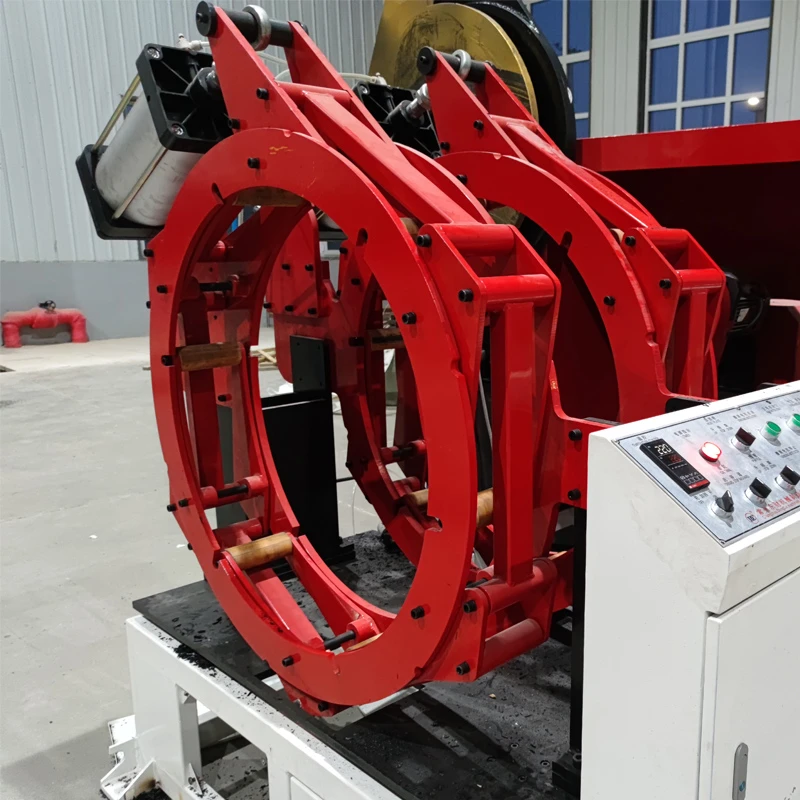 Линия по производству композитных труб из полиэтилена с каркасом из высокоскоростной стальной проволочной сеткиПродукция этой производственной линии используется в дренаже, вентиляции, освещении, нефтяной промышленности, санитарии, траншеях для труб, защите подземных кабелей, централизованном водоснабжении и центральном отоплении, а также широко используется в коммунальном строительстве, промышленном строительстве, строительстве, санитарных трубопроводах и других областях. Вся линия управляется компьютером PLC, с высокой степенью автоматизации и безопасной работой. Основное введение
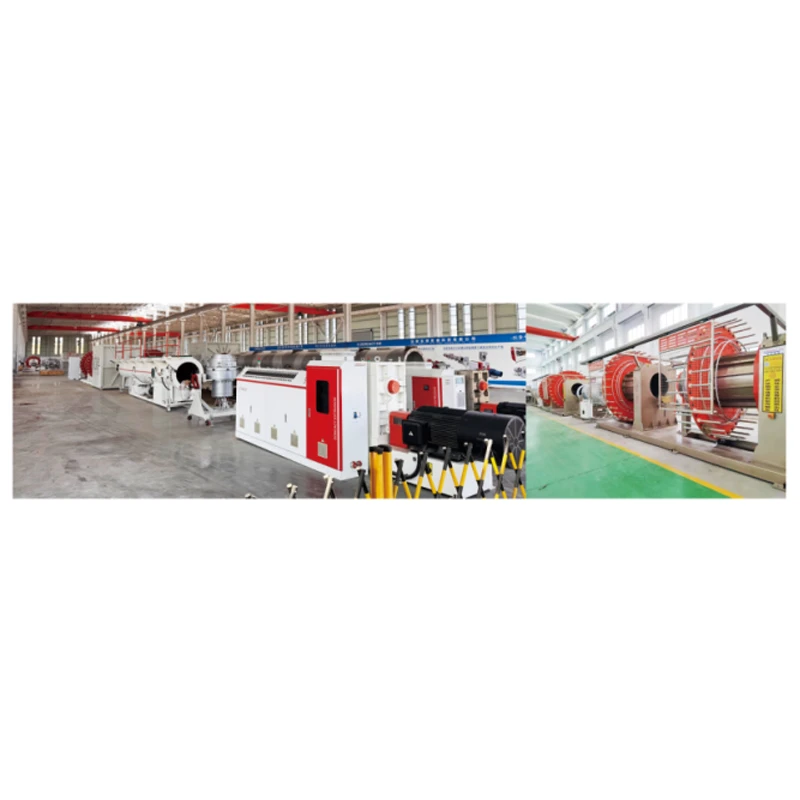 Совершенно новая высокоскоростная линия по производству многослойных стальных каркасных армированных полиэтиленовых композитных трубПродукция новой высокоскоростной линии по производству композитных труб из полиэтилена с многослойным каркасом из стальной проволочной сетки используется в нефтяной, газовой, химической промышленности, электропередаче, золотодобыче, морской транспортировке, судостроении, сельском хозяйстве, оптическом кабеле и других областях. Производственная линия нового поколения на 150% выше традиционной, и вся линия имеет высокую степень автоматизации. Стоимость обработки труб может быть снижена на 60% с помощью комплекта автоматической герметизирующей машины.
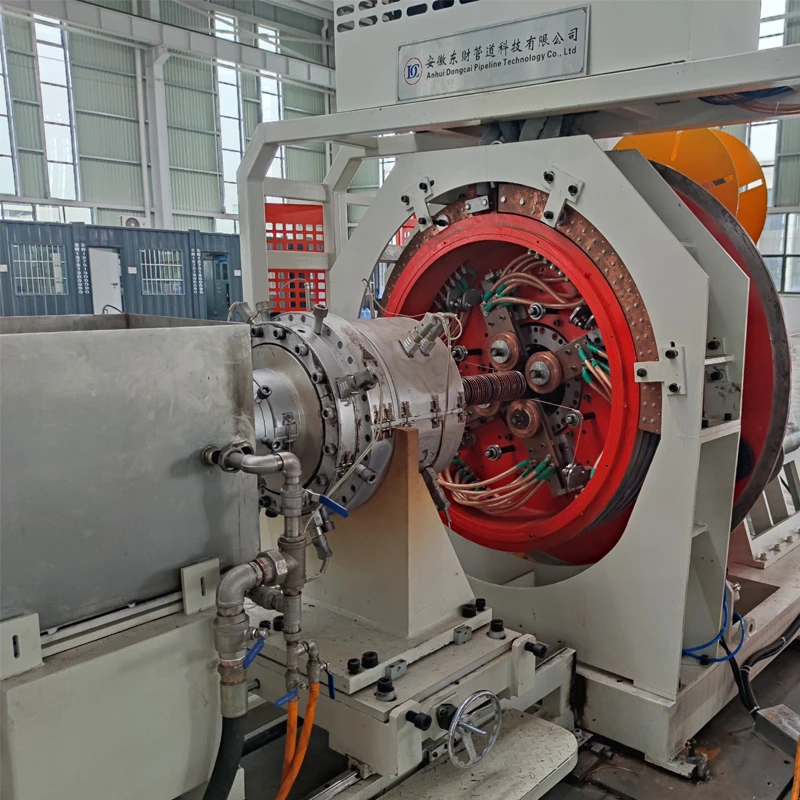 Линия по производству труб из полиэтиленового композита, армированного стальным каркасомЛиния по производству стальных каркасных труб серии SRPE представляет собой композитную трубу из пластика со стальным каркасом с непрерывной намоткой и сваркой сетчатого стального каркаса и полиэтилена высокой плотности в качестве матрицы.
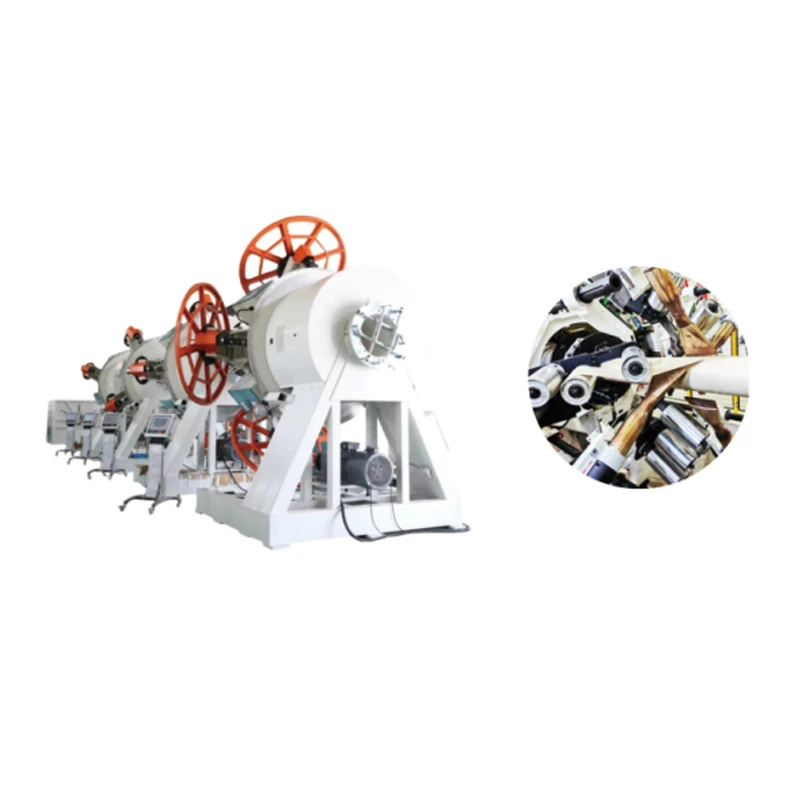 Линия по производству армированных композитных труб с обмоткой лентой RTPЛиния по производству композитных труб с ленточной намоткой наматывает стальную ленту для штор, волокнистую ленту и другие армированные материалы на пластиковую сердечниковую трубу для формирования композитной трубы. Когда пластиковая сердечниковая труба транспортируется вперед вдоль оси вращения вращающейся рамы, армированная лента на катушке ленты высвобождается, так что армированная лента спирально наматывается на пластиковую сердечниковую трубу и нагревается вблизи положения намотки и после завершения намотки.
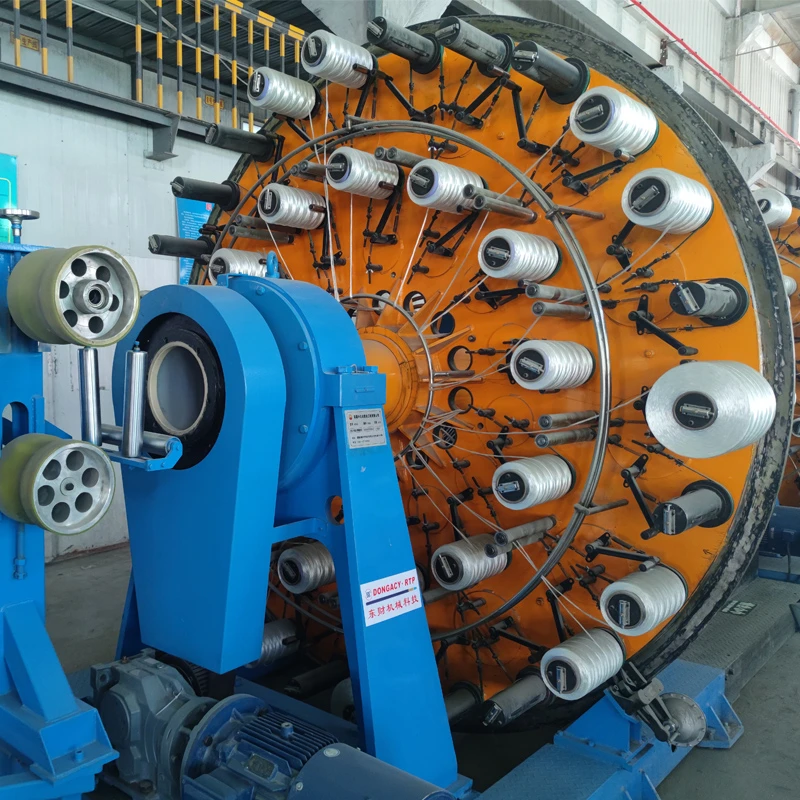 Линия по производству труб из полиэтиленового композита RTP, армированного волокномТермопластичный композитный трубопровод оборудования играет ключевую роль во всем мире и имеет хорошую устойчивость к давлению и надежность для транспортировки нефти, природного газа, транспортировки воды, химической промышленности и других областей высокого давления. Линия по производству армированных волокном полиэтиленовых композитных труб RTP представляет собой специальную систему оборудования для производства армированных волокном полиэтиленовых композитных труб RTP.