A plastic profile extrusion line is a complete set of equipment used to manufacture continuous plastic profiles such as window frames, door frames, cable ducts, edge trims, decorative strips, and construction profiles. The process begins when raw plastic materials (such as PVC, PE, ABS, or WPC) are fed into the extruder. Inside the extruder, the material is heated, melted, and homogenized by a specially designed screw and barrel.
The molten material is then forced through an extrusion die, which shapes it into the desired profile cross-section. The die is designed with high precision to ensure the accuracy of the final product’s size and shape. Once formed, the hot plastic profile enters a calibration and cooling unit, where vacuum and water-cooling systems stabilize the profile’s dimensions and surface finish.
Next, a haul-off machine pulls the profile at a consistent speed to maintain uniform thickness and straightness. The continuous profile is then cut into specified lengths by an automatic cutter. For some applications, additional downstream equipment such as punching, embossing, or surface coating machines may be included.
The entire extrusion line is managed by a PLC control system, which monitors temperature, pressure, and production speed in real-time. This ensures high efficiency, low waste, and stable quality. Plastic profile extrusion lines are widely used in construction, furniture, packaging, and automotive industries, offering manufacturers the ability to produce durable, customizable, and cost-effective products.
-
Линия по производству экструзионных профилей и пластинЛиния по производству профилей используется в областях архитектуры, автомобилестроения, электроники, мебели и т. д. Она используется для производства дверных и оконных профилей, автомобильных деталей, электронных корпусов, деталей мебели и т. д. Линия по производству пластин используется в областях архитектуры, упаковки, рекламы, декорирования и т. д. Она используется для производства пластиковых полов, упаковочных материалов, рекламных щитов, декоративных панелей и т. д. Компания оптимизировала конструкцию установки, которая отличается равномерной пластификацией, высокой производительностью и длительным сроком службы.What Types Of Plastic Profiles Can Be Produced With This Line?
Plastic profile extrusion lines are highly versatile and can produce a wide variety of profiles by changing the extrusion die and processing parameters.
One of the most common products is PVC window and door profiles, widely used in the construction industry for their weather resistance, insulation properties, and durability. Similarly, PVC edge trims, skirting boards, and decorative strips are also commonly manufactured.
Cable management profiles, such as electrical conduits, cable ducts, and trunking, are another major application. These are essential for electrical and telecommunication industries to protect and organize wiring.
Plastic profile production lines are also used for furniture and automotive components. For example, ABS or PVC profiles can be extruded into edge bands, protective strips, or sealing gaskets.
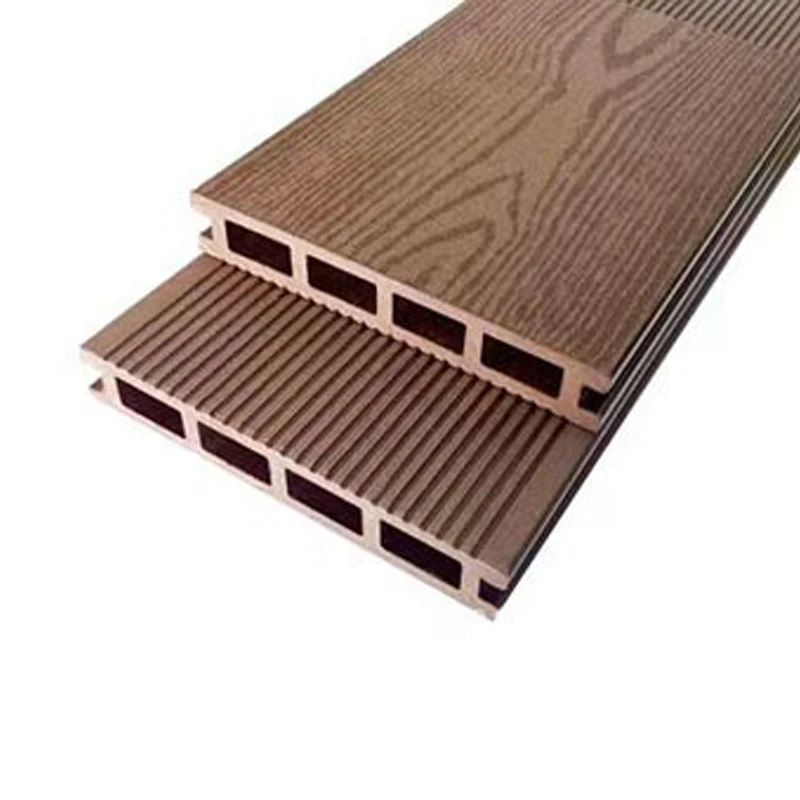
Additionally, with WPC (wood-plastic composite) materials, manufacturers can produce eco-friendly decking boards, railing profiles, and fencing systems, which combine the look of wood with the durability of plastic.
Advanced lines can even produce co-extruded or multi-layer profiles, where different materials are combined in one extrusion process to improve performance (e.g., UV resistance, surface hardness, or aesthetic finish).
By simply changing the mold and adjusting processing conditions, one extrusion line can manufacture multiple products, making it a highly flexible investment for companies targeting different industries.
What Are The Advantages Of Using A Modern Plastic Profile Extrusion Machine?
Modern plastic profile extrusion machines offer numerous benefits compared to older models, making them the preferred choice for manufacturers.
First, they provide high precision and consistent quality. Advanced screw and barrel designs ensure uniform melting and mixing of materials, resulting in smooth surfaces and accurate dimensions in the final profiles.
Second, they are designed for energy efficiency and cost savings. Many machines incorporate servo motors, optimized heating systems, and intelligent cooling controls to reduce energy consumption without compromising production speed.
Third, modern extrusion machines offer flexibility in production. With quick-change dies and co-extrusion capabilities, manufacturers can switch between different profile designs or produce multi-layer profiles with enhanced performance.
Another advantage is automation and smart control. PLC-based control systems allow operators to monitor real-time parameters such as temperature, pressure, and haul-off speed. Automatic fault detection reduces downtime and ensures safe operation.
Moreover, modern machines use high-quality wear-resistant materials, extending the service life of screws, barrels, and dies, which lowers maintenance costs and increases production stability.
In addition, these machines are environmentally friendly, as they minimize raw material waste and can process recycled plastics effectively.
Overall, modern plastic profile extrusion machines improve productivity, reduce costs, and guarantee stable product quality, making them essential equipment for industries requiring continuous plastic profile production.
How To Choose The Right Plastic Profile Extrusion Line For Your Business?
Selecting the right plastic profile extrusion line depends on your production requirements, target products, and technical needs.
The first step is to define the type of profiles you plan to produce. For example, if your focus is on PVC window and door profiles, you need a twin-screw extruder with a vacuum calibration system. For cable ducts or simple trims, a single-screw extruder may be sufficient.
Second, consider the output capacity and production scale. Extrusion lines are available in different configurations to match small-scale custom production or large-scale industrial output. Choosing the right capacity ensures efficiency and prevents overinvestment.
Third, evaluate the extrusion die design and quality. A high-precision die guarantees accurate cross-sections and minimizes material waste. Reliable suppliers usually offer custom die solutions tailored to your product specifications.
Automation is another key factor. A line equipped with a PLC control system offers better consistency, real-time monitoring, and user-friendly operation. This reduces dependence on manual adjustments and lowers the risk of defects.
Finally, consider after-sales support and spare parts availability. A trusted supplier should provide installation, training, and long-term technical support to keep your line running efficiently.
By carefully analyzing your market needs, production capacity, and supplier reliability, you can select a plastic profile extrusion line that delivers high-quality products while ensuring long-term profitability.