
A composite pipe production line is an advanced manufacturing system designed to produce multi-layer pipes that combine different materials for improved performance. These pipes usually consist of layers of plastic (such as PE, PPR, or cross-linked PE) reinforced with aluminum, fiberglass, or other strengthening materials. The production process starts with plastic granules fed into an extruder, where they are melted and homogenized by a screw under controlled heating.
The molten plastic is then extruded through a die, while the reinforcing material—such as an aluminum strip or fiberglass layer—is applied simultaneously. This combination is bonded together under pressure and heat to form a multi-layer pipe structure. Depending on the type of composite pipe, adhesives or coupling agents may also be used to ensure a strong bond between the layers.
After extrusion and lamination, the pipe is cooled in a water tank and calibrated to maintain precise diameter and roundness. The haul-off machine pulls the pipe at a stable speed, and an automatic cutter slices it into specific lengths. For certain applications, socketing or end-forming equipment may also be included.
Composite pipe production lines are equipped with PLC-based intelligent control systems, allowing operators to adjust parameters such as temperature, extrusion speed, and wall thickness. This ensures high production efficiency, stable quality, and reliable bonding strength. Such lines are widely used for producing pipes used in hot and cold water supply, heating systems, and industrial fluid transport.
-
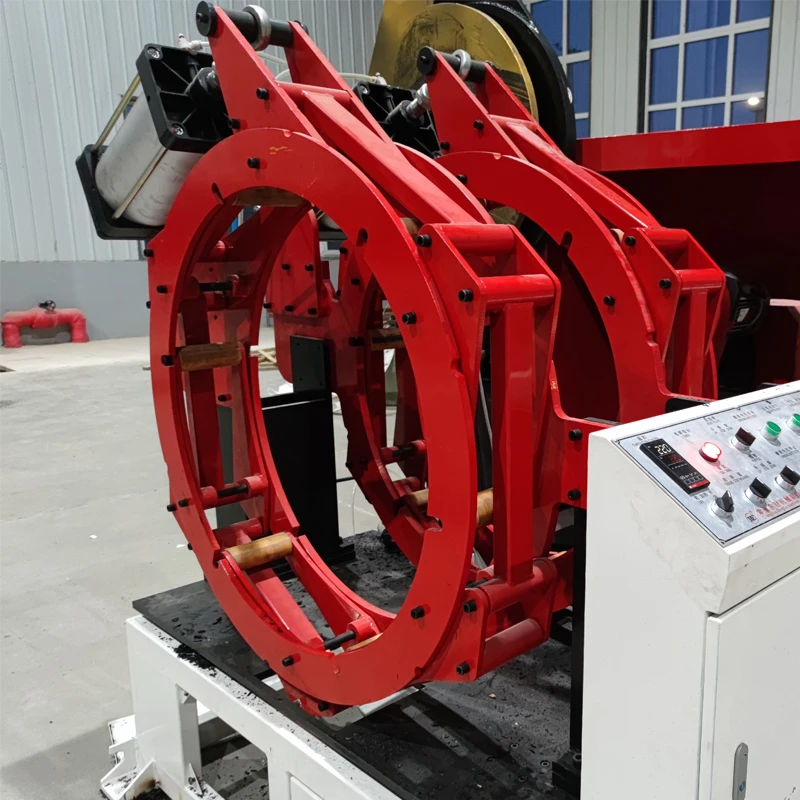 Жоғары жылдамдықты болат сым тор қаңқасы күшейтілген полиэтилен композиттік құбырларды өндіру желісіБұл өндіріс желісінің өнімдері дренажда, желдетуде, жарықтандыруда, мұнай, канализацияда, құбыр траншеясында, жер асты кабельді қорғауда, орталықтандырылған сумен жабдықтауда және орталық жылытуда қолданылады және коммуналдық машина жасауда, өнеркәсіптік машина жасауда, құрылыс машинасында, санитарлық құбырда және басқа салаларда кеңінен қолданылады. Бүкіл желі PLC компьютерімен басқарылады, автоматтандыру деңгейі жоғары және қауіпсіз жұмыс істейді. Негізгі кіріспе
 Жаңа жоғары жылдамдықты көп қабатты болат сым тор қаңқасы күшейтілген полиэтилен композиттік құбырларды өндіру желісіЖаңа жоғары жылдамдықты көп қабатты болат сым торлы қаңқалы арматураланған полиэтилен композиттік құбырлар өндіру желісінің өнімдері мұнай, табиғи газ, химия өнеркәсібі, электр энергиясын тасымалдау, алтын өндіру, теңіз суын тасымалдау, кеме жасау, ауыл шаруашылығы, оптикалық кабель және басқа салаларда қолданылады. Жаңа буынның өндірістік желісі дәстүрліге қарағанда 150% жоғары және бүкіл желі автоматтандырудың жоғары дәрежесіне ие. Құбырды өңдеу құнын автоматты тығыздау машинасы жинағы арқылы 60% үнемдеуге болады.
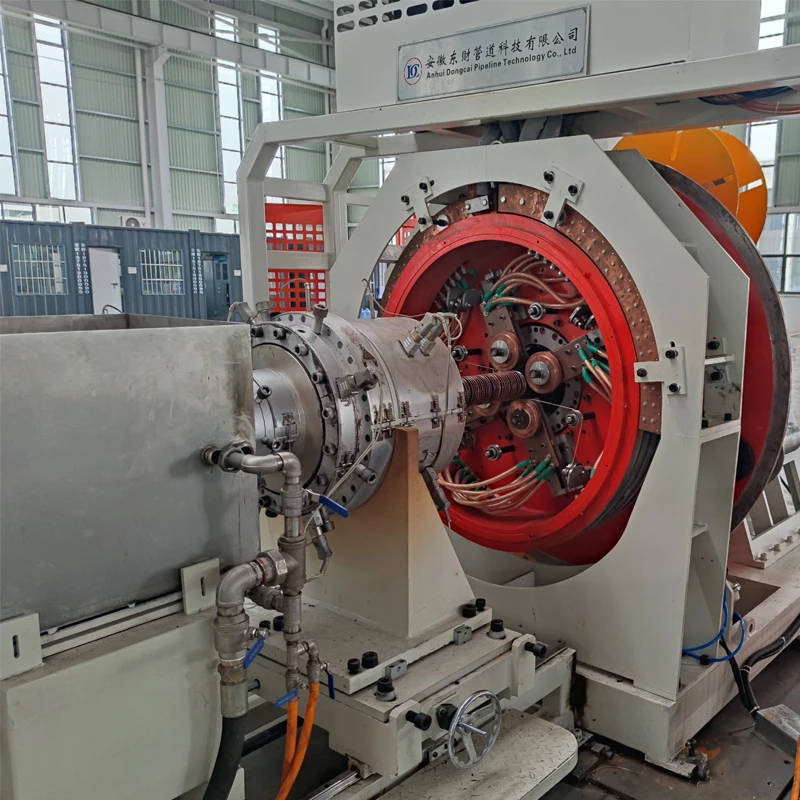 Болат қаңқасы күшейтілген полиэтиленді композиттік құбырларды өндіру желісіSRPE сериялы болат қаңқа құбырларын өндіру желісі - бұл матрица ретінде торлы болат қаңқасы мен жоғары тығыздықтағы полиэтиленді үздіксіз орауы және дәнекерлеуі бар болат қаңқалы пластикалық композициялық құбыр.
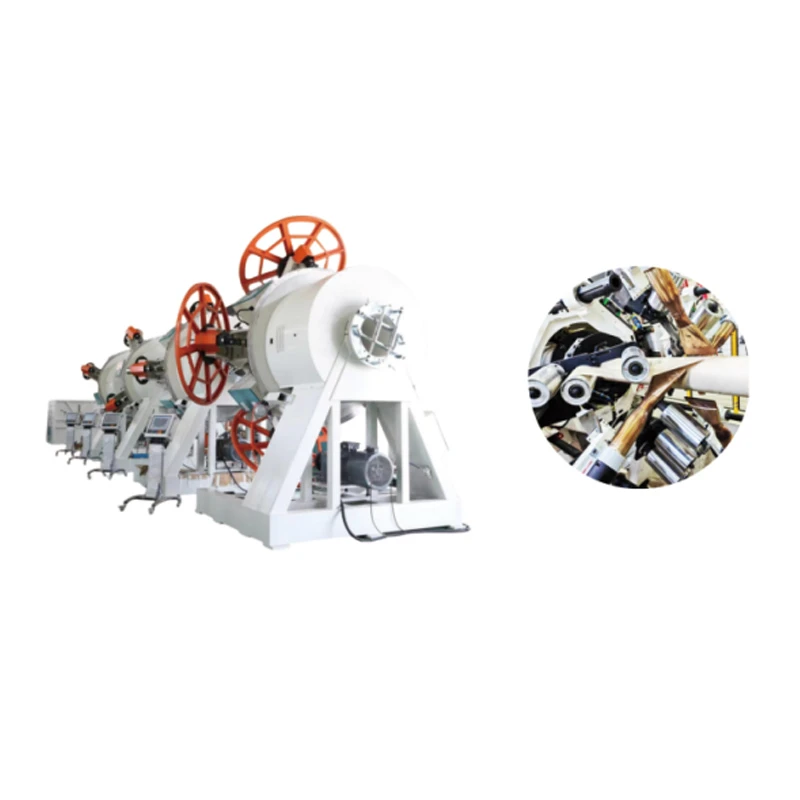 Rtp таспасын орау арматураланған композиттік құбырларды өндіру желісіТаспа орамасы күшейтілген композиттік құбырларды өндіру желісі композиттік құбырды қалыптастыру үшін болат перде таспасын, талшықты таспаны және басқа арматураланған материалдарды пластикалық құбырға орайды. Пластикалық өзек құбыры айналмалы раманың айналу осі бойымен алға қарай тасымалданған кезде, таспа катушкасындағы арматураланған таспа босатылады, осылайша арматураланған таспа пластикалық өзек құбырына спиральды түрде оралып, орама күйіне жақын жерде және орау аяқталғаннан кейін қыздырылады.
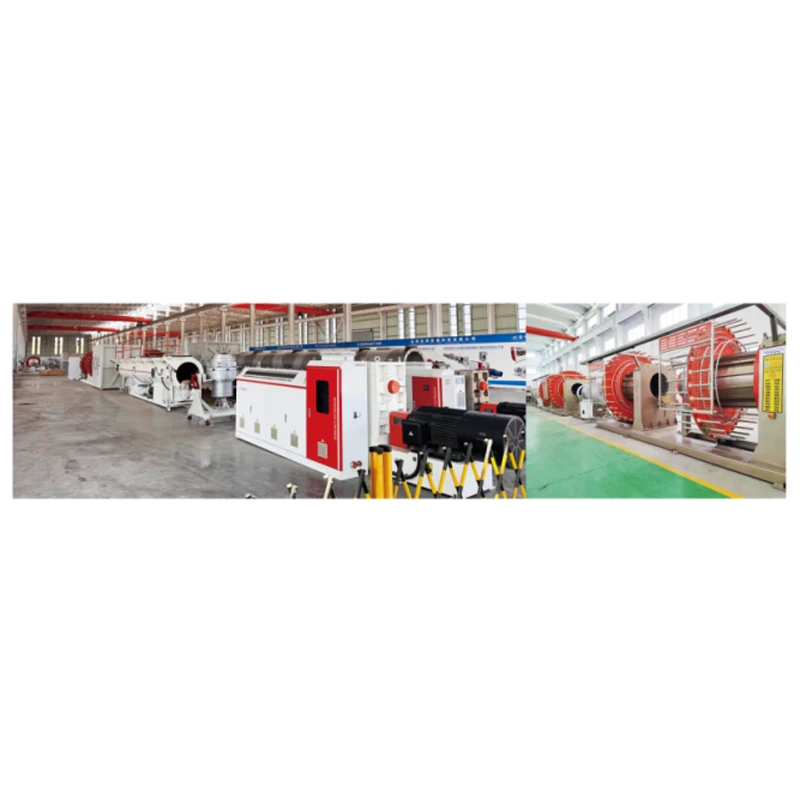
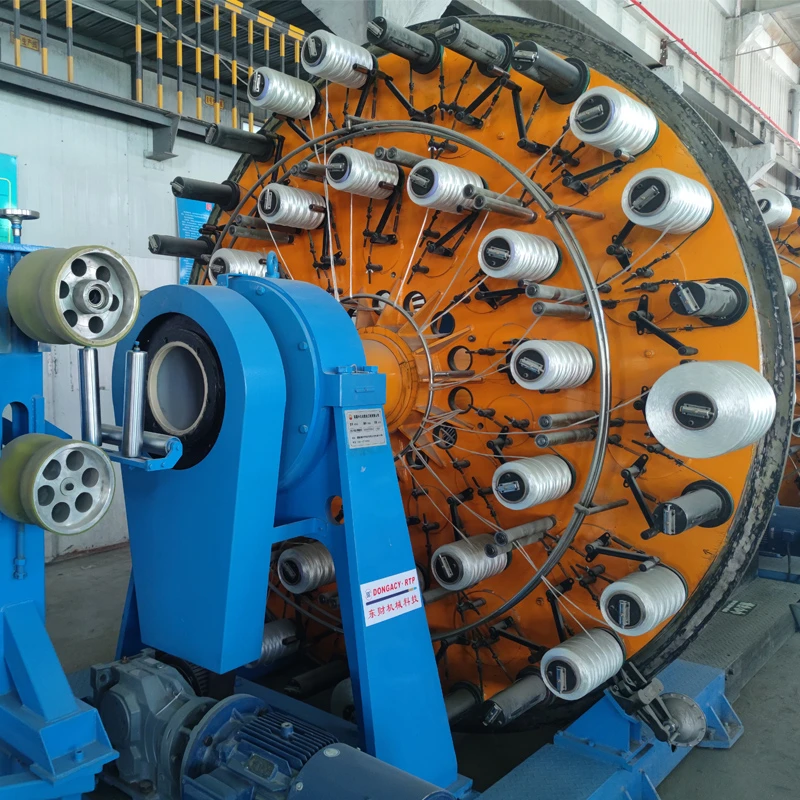 Талшықты жіппен күшейтілген Rtp полиэтиленді композиттік құбырларды өндіру желісіЖабдықтың термопластикалық композиттік құбыры бүкіл әлемде маңызды рөл атқарады және мұнайды, табиғи газды, суды тасымалдау, химия өнеркәсібі және басқа да жоғары қысымды кен орындарын тасымалдау үшін жақсы қысымға төзімділік пен сенімділікке ие. Талшықты арматураланған RTP полиэтилен композиттік құбырының өндірістік желісі талшықты арматураланған RTP полиэтилен композиттік құбырын өндіруге арналған арнайы жабдық жүйесі болып табылады.
What Types Of Composite Pipes Can Be Produced With This Line?
Composite pipe production lines are versatile and capable of producing several types of multi-layer pipes depending on raw materials and machine configuration.
One of the most common products is the aluminum-plastic composite pipe (PAP pipe). It consists of an inner and outer plastic layer with an aluminum middle layer, offering both flexibility and strength. These pipes are widely used for hot and cold water supply, underfloor heating, and gas distribution.
Another popular option is the fiberglass-reinforced plastic pipe (FRP pipe). These pipes combine polymer materials with fiberglass, resulting in high pressure resistance, dimensional stability, and excellent performance in heating systems.
In addition, the line can produce multi-layer PPR composite pipes, which enhance heat resistance and prevent oxygen penetration, making them ideal for high-temperature water and central heating applications.
Some production lines are also designed for PEX-AL-PEX pipes, which combine cross-linked polyethylene (PEX) with aluminum reinforcement. These pipes are commonly used in underfloor heating and plumbing systems, thanks to their flexibility and long service life.
By changing extrusion dies, reinforcement materials, and bonding technologies, manufacturers can produce a wide range of composite pipes tailored for different industries such as construction, plumbing, heating, and gas distribution. This flexibility makes composite pipe extrusion lines a strategic investment for plastic processing companies.
What Are The Advantages Of Composite Pipe Production Lines?
Composite pipe production lines offer several advantages that make them attractive for modern pipe manufacturing.
First, they enable the production of multi-layer pipes with superior performance. By combining plastic with reinforcement materials such as aluminum or fiberglass, composite pipes achieve higher strength, better temperature resistance, and longer service life compared to single-layer plastic pipes.
Second, they provide excellent flexibility and durability. Composite pipes can bend without cracking, making installation easier and reducing the need for fittings. At the same time, their multi-layer design resists pressure and thermal expansion.
Third, these production lines are highly automated and precise. PLC control systems allow for real-time monitoring of extrusion speed, wall thickness, and bonding quality, ensuring uniform products with minimal defects.
Another advantage is energy efficiency and cost savings. Modern composite pipe lines use optimized screw and barrel designs, advanced heating systems, and efficient cooling units that lower energy consumption and reduce waste.
Additionally, the pipes produced are corrosion-resistant, hygienic, and environmentally friendly, making them suitable for potable water systems and heating networks.
Overall, composite pipe production lines combine innovation, efficiency, and flexibility, allowing manufacturers to meet growing demand for high-performance piping in residential, commercial, and industrial applications.
How To Choose The Right Composite Pipe Production Line For Your Business?
Choosing the right composite pipe production line depends on your production goals, target market, and technical requirements.
The first step is to identify the type of composite pipe you intend to produce. If your market focuses on plumbing and heating, PPR composite or PEX-AL-PEX pipes may be the best choice. For gas supply and industrial use, aluminum-plastic pipes offer strong performance and safety.
Next, consider the production capacity and pipe sizes. Composite pipe lines are available in different configurations to produce small-diameter household pipes or large-diameter industrial pipes. Matching capacity to demand ensures efficiency and cost-effectiveness.
Another factor is the extruder and bonding technology. A high-quality extruder with advanced screw design ensures proper plasticization, while reliable bonding systems guarantee strong adhesion between layers. Poor bonding may lead to leakage or pipe failure.
Automation and control systems are also critical. A line with PLC control, automatic fault detection, and easy-to-use interfaces minimizes downtime and reduces labor costs.
Finally, evaluate the supplier’s technical support and after-sales service. A trusted supplier should provide installation, operator training, spare parts, and long-term maintenance to ensure stable production.
By considering these aspects, businesses can select a composite pipe production line that offers the best balance between investment, performance, and future growth opportunities.


