
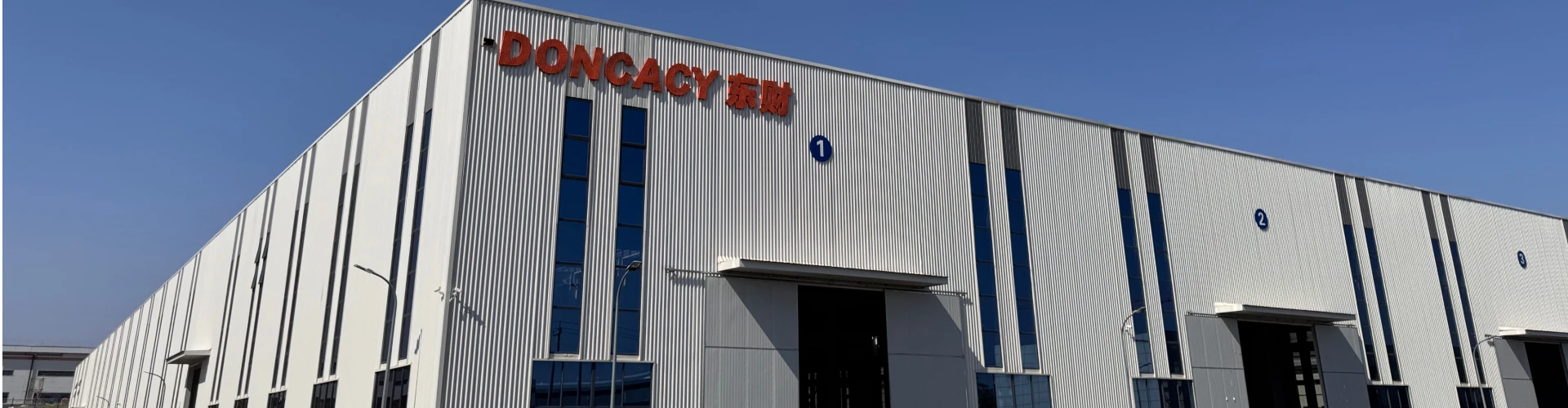
A pipe extrusion production line is a specialized set of machinery designed to manufacture plastic pipes such as PPR, HDPE, PVC, and PE pipes used in water supply, gas distribution, drainage, and industrial applications. The process starts with raw plastic pellets or granules, which are fed into the extruder. Inside the extruder, the material is heated, melted, and homogenized by a rotating screw under controlled temperature zones.
Once molten, the plastic is forced through a specially designed pipe extrusion die, which shapes it into a hollow cylindrical form. The hot pipe then enters a vacuum calibration tank, where it is cooled and sized to precise dimensions. After initial cooling, the pipe passes through a series of water cooling tanks to stabilize its shape and strength.
Further down the line, a haul-off machine pulls the pipe at a constant speed, ensuring consistent wall thickness. The pipe is then cut to the desired length using an automatic cutter, and in some cases, it may undergo socketing or end-forming processes.
The entire line is controlled through advanced PLC systems that allow operators to adjust temperature, extrusion speed, and cooling conditions to achieve optimal results. Pipe extrusion lines are designed to ensure high productivity, uniform pipe quality, and energy efficiency, making them essential equipment for modern pipe manufacturing.
-
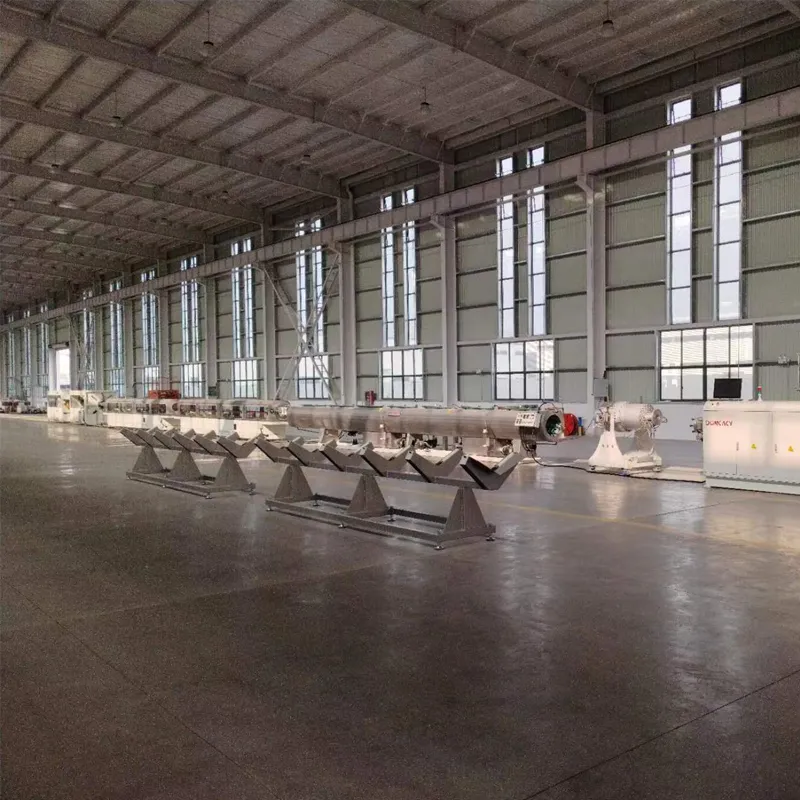 Hdpe高速高效挤出生产线HDPE管材生产线产品应用于市政排水、农业、建筑污水、化工、石油、制药等灌溉、排水、化工、抽砂、顶管等领域,HDPE管材生产线自动化程度高,生产稳定可靠。
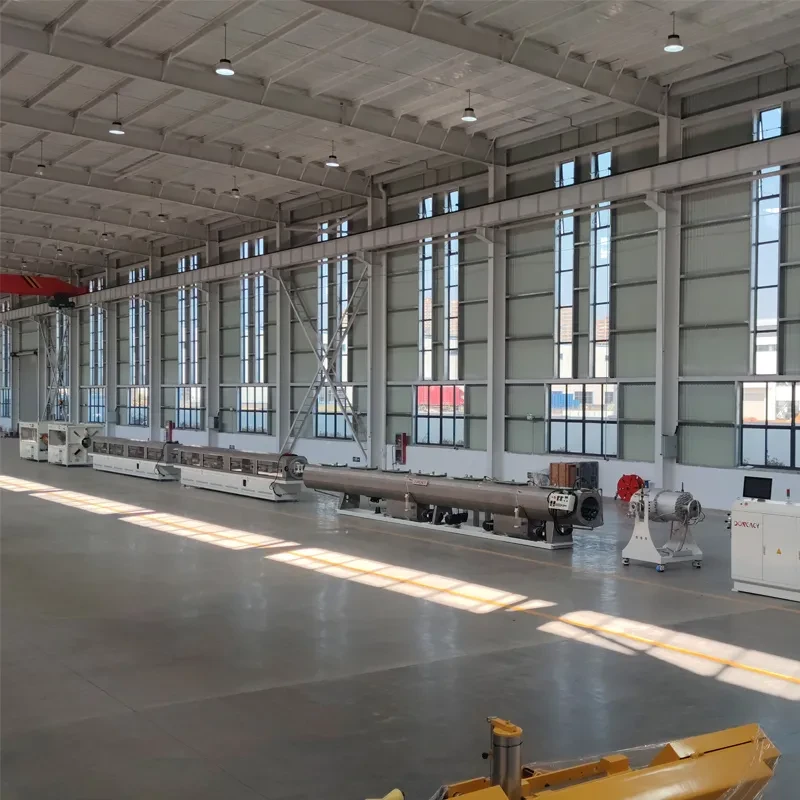 HDPE高速实壁管挤出生产线该生产线产品用于给水、排水、化工、通风、通讯等行业,广泛应用于市政工程、工业用途、农业灌溉、建筑工程、通讯等领域。HDPE高速实壁管挤出生产线效率高,生产产品连续稳定,能精确控制管材尺寸及壁厚。
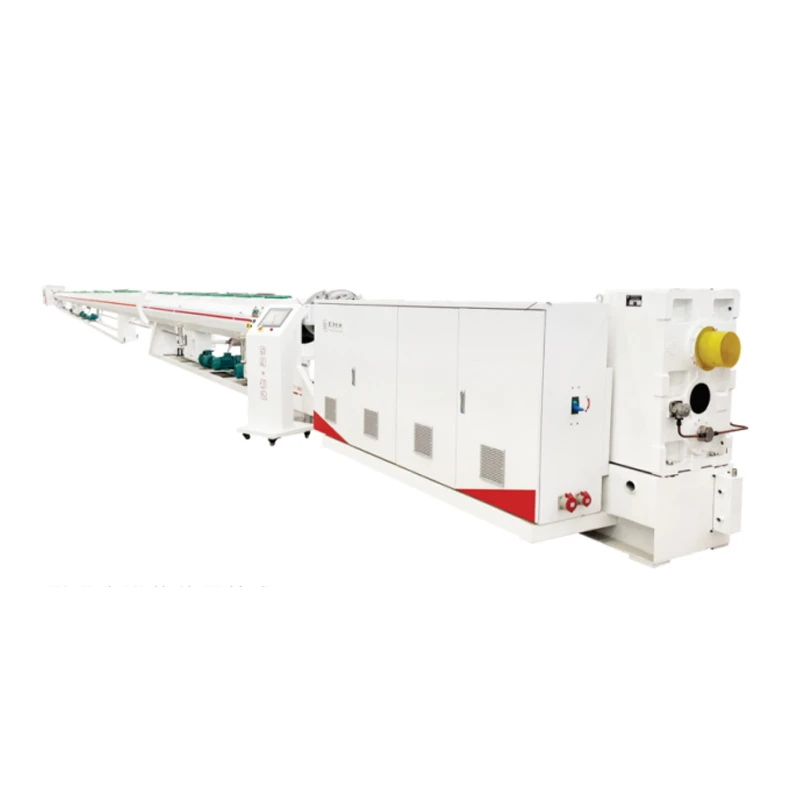 高速挤出生产线用于 PE Pp-r/pp-rt/pp-b 管材PE、PP-R/PP-RT/PE/B生产线是生产聚乙烯(PE)、聚丙烯无规共聚物(PP-R)、聚乙烯无规共聚物增强管(PP-RT)等相关管材的机械设备。该生产线生产的产品为灌溉、排水、燃气、电力用管,应用于农业灌溉、建筑给排水、城市燃气、电力、工业等领域。该生产线可生产多种规格的管材,自动化程度高,生产稳定可靠。
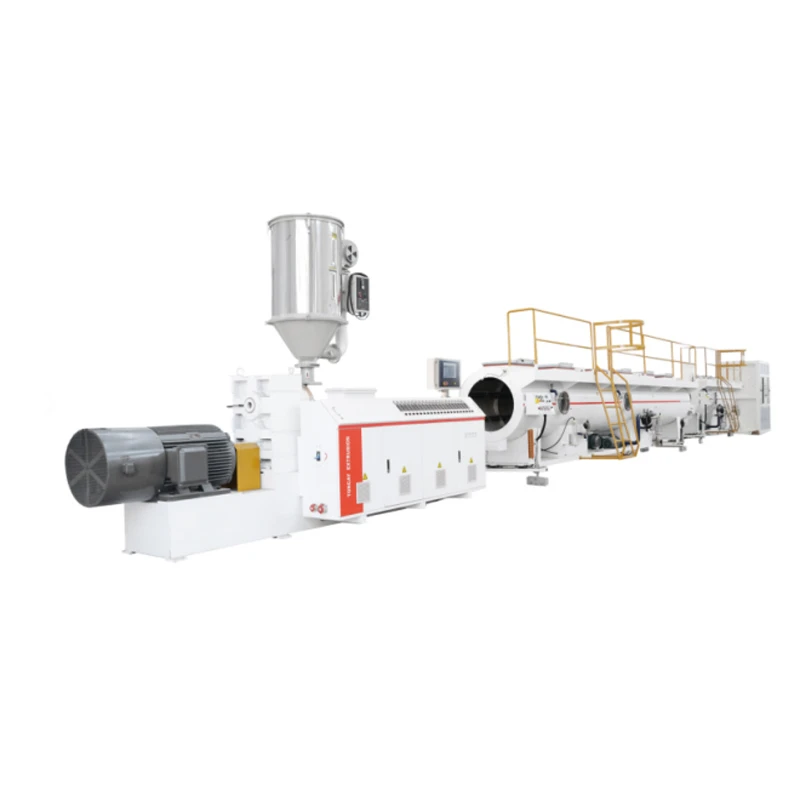 PVC管材挤出生产线该生产线产品用于给排水、布线、密闭水管道、污水管道系统、排水管道系统、电气及电信工程管道系统等。PVC管材挤出生产线采用PLC自动运行,节能省电,效率高。
What Types Of Pipes Can Be Produced With A Pipe Extrusion Line?
Pipe extrusion lines are versatile and capable of producing a wide range of plastic pipes, depending on the raw material and die design.
One of the most common outputs is HDPE pipes, which are widely used in water supply, gas distribution, and underground cable protection. Their high strength, corrosion resistance, and long service life make them highly desirable for infrastructure projects.
Another important product is PPR pipes, popular in hot and cold water supply systems in residential and commercial buildings. They are known for their excellent heat resistance and non-toxic properties, making them suitable for drinking water applications.
PVC pipes can also be manufactured using extrusion lines. They are commonly used for drainage, irrigation, and electrical conduits because of their lightweight and cost-effectiveness.
Additionally, pipe extrusion lines can produce corrugated pipes, multi-layer pipes, and reinforced pipes for industrial and agricultural use. Some advanced extrusion lines are capable of producing composite pipes with multiple layers, combining the advantages of different materials.
By simply changing the extrusion die, calibration unit, and processing parameters, manufacturers can produce different types and sizes of pipes, ranging from small-diameter medical tubing to large-diameter water transmission pipelines. This flexibility makes pipe extrusion production lines a valuable investment for plastic manufacturing companies.
What Are The Advantages Of Using A Modern Pipe Extrusion Machine?
Modern pipe extrusion machines offer several advantages compared to traditional equipment, making them the preferred choice for manufacturers seeking efficiency and high-quality output.
First, they provide high precision and consistency. Advanced screw and barrel designs ensure uniform melting and mixing of raw materials, resulting in pipes with stable wall thickness and smooth surfaces.
Second, modern extrusion machines are designed for energy efficiency. Many systems now incorporate servo motors, optimized heating systems, and smart controls to reduce electricity consumption while maintaining production speed.
Third, they enable flexibility in production. By adjusting the extrusion die and process settings, manufacturers can produce different types of pipes such as HDPE, PPR, or PVC on the same line, reducing the need for multiple dedicated machines.
Another major benefit is automation and intelligent control. PLC-based systems with touchscreen interfaces allow operators to monitor temperature, pressure, and production speed in real time, minimizing human error and improving safety.
Additionally, modern pipe extrusion lines often have longer service life and lower maintenance costs due to improved component design and wear-resistant materials. This ensures stable operation even under continuous production.
Overall, modern pipe extrusion machines increase productivity, reduce operating costs, and ensure high-quality pipes, making them an essential asset for businesses in the plastic pipe industry.
How To Choose The Right Pipe Extrusion Line For Your Production Needs?
Selecting the right pipe extrusion line depends on several key factors related to your production goals and material requirements.
First, consider the type of pipe you want to produce. If your market demands water supply or gas distribution pipes, an HDPE pipe extrusion line is suitable. For hot and cold water supply, a PPR pipe extrusion line is ideal. For drainage and electrical conduits, PVC pipe extrusion is more cost-effective.
Second, evaluate the production capacity. Extrusion lines come in different output ranges, from small laboratory-scale machines to large industrial lines capable of producing pipes over 1200mm in diameter. Choosing the right extrusion capacity ensures you meet market demand efficiently.
Third, pay attention to the extruder screw design and material quality. A high-performance screw and barrel ensure stable plasticization, uniform mixing, and reduced material waste.
Fourth, check the automation and control system. Modern PLC-based systems provide easy operation, data recording, and automatic fault detection, which are crucial for reducing downtime and ensuring consistent pipe quality.
Finally, consider after-sales service and spare parts availability. A reliable supplier should provide installation, training, and technical support to guarantee long-term performance of the extrusion line.
By carefully evaluating these factors, manufacturers can select a pipe extrusion production line that balances cost, efficiency, and product quality, ensuring long-term success in the competitive plastics industry.


