
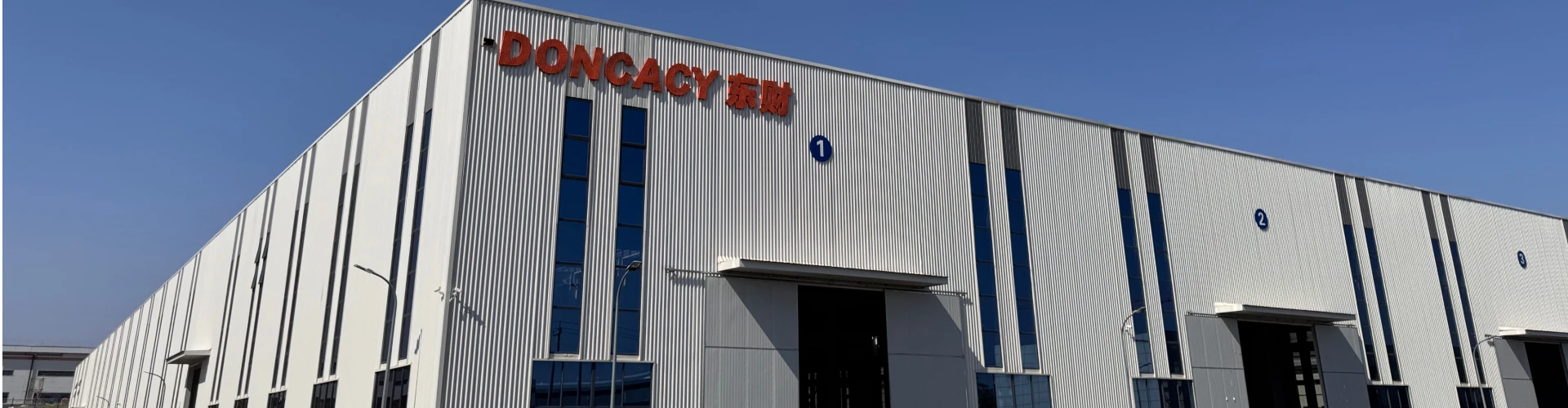
Pipe Extrusion Production Line: A Comprehensive Guide
A pipe extrusion production line is a sophisticated system used to manufacture plastic pipes of various sizes and materials. These lines are critical for industries relying on durable and consistent piping solutions, from water and gas distribution to construction and telecommunications. Understanding the components, process, and advancements in pipe extrusion technology is crucial for businesses seeking to optimize their production capabilities. This article will provide an in-depth look at pipe extrusion, covering everything from the basics to the latest innovations. Choosing the right pipe extrusion production line can significantly impact efficiency and product quality.
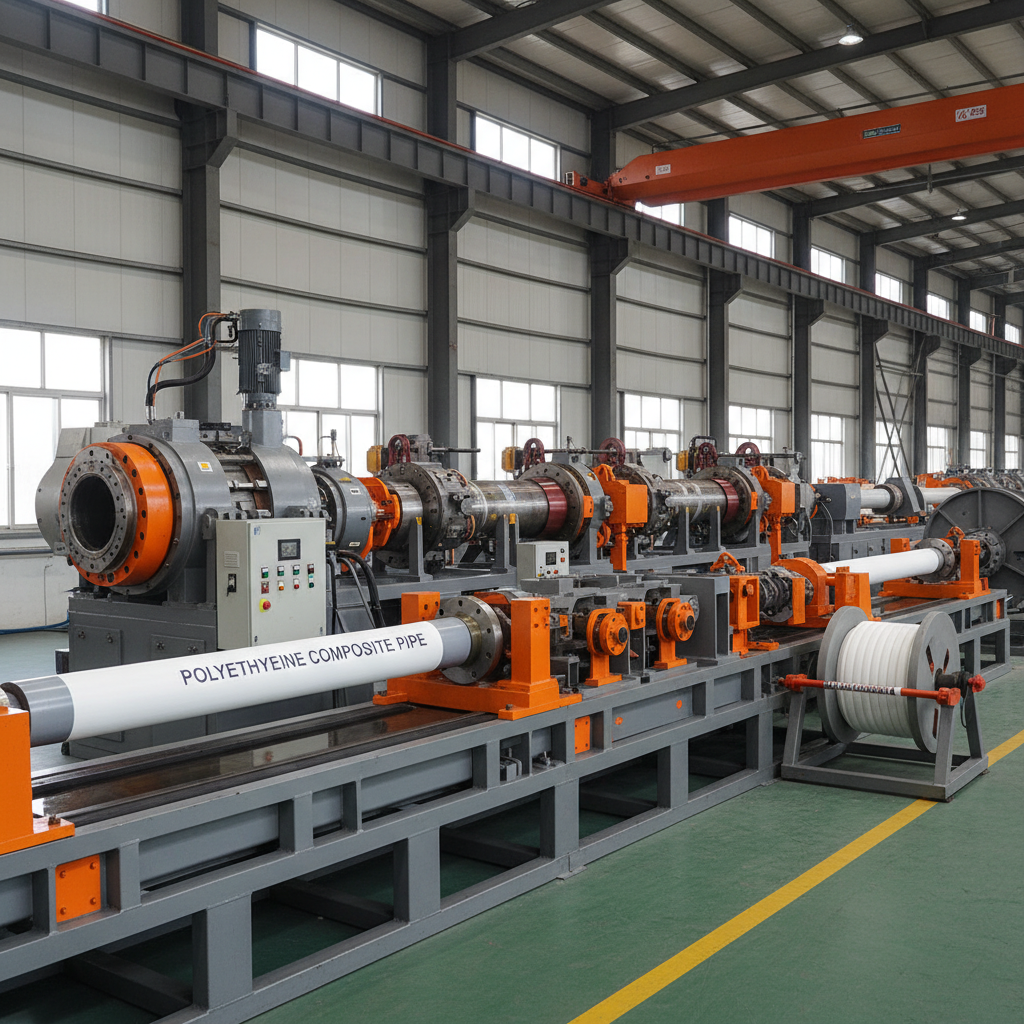
Understanding the Components of a Pipe Extrusion Line
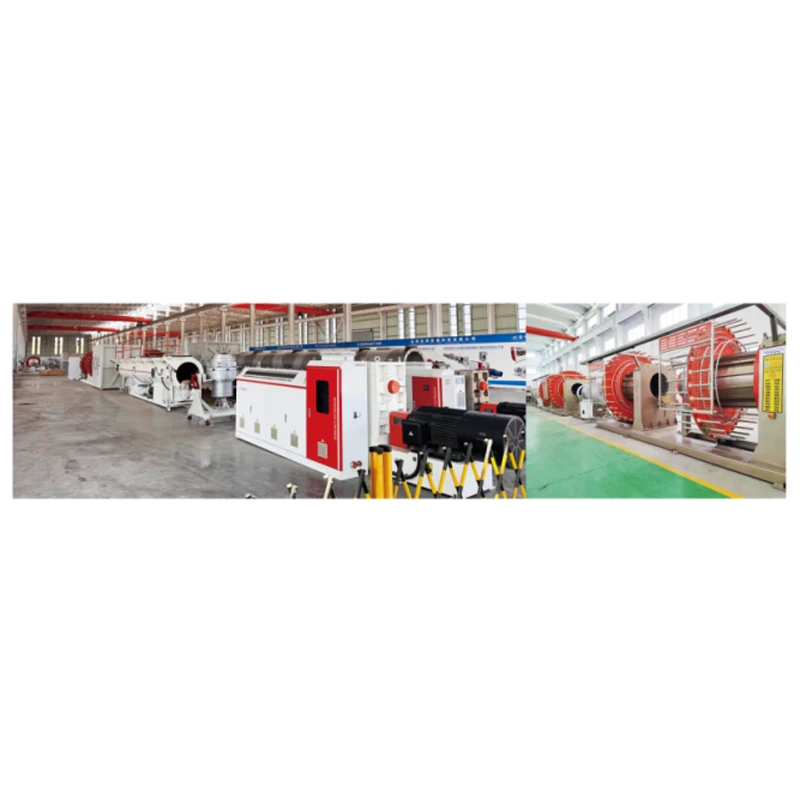
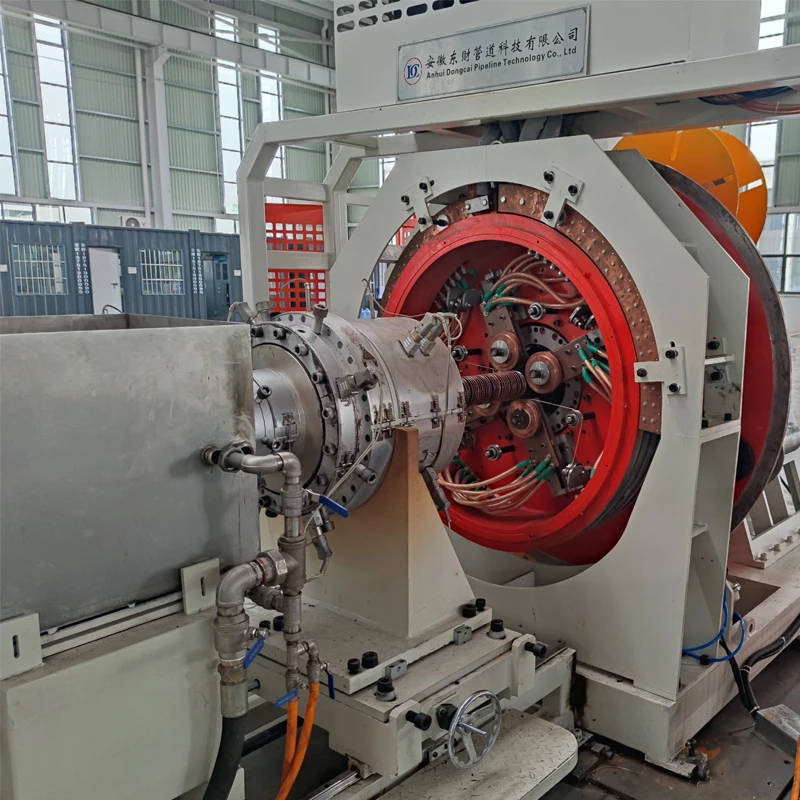
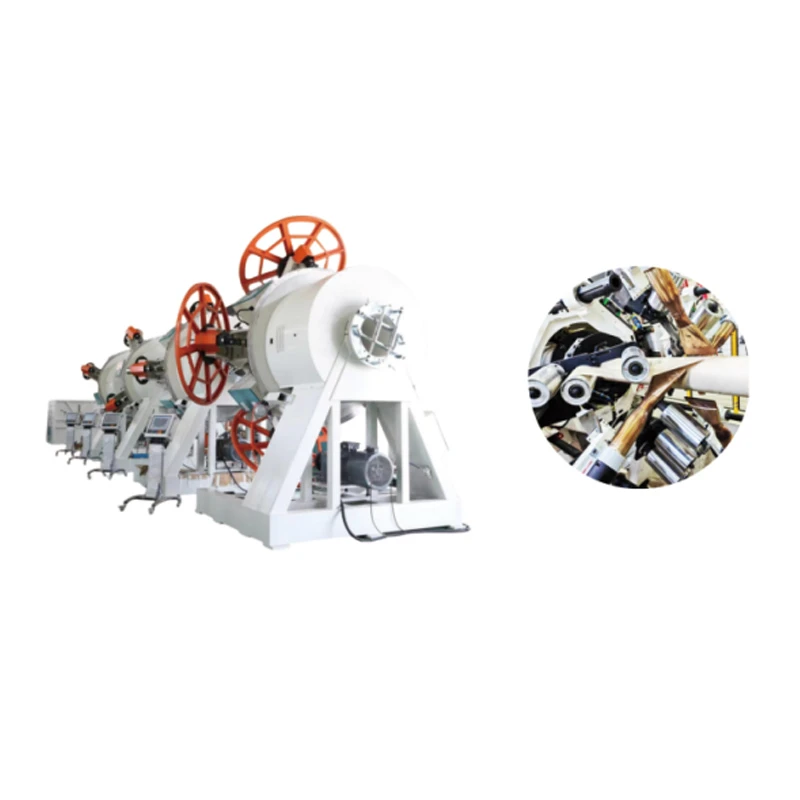
A typical pipe extrusion production line consists of several key components working in harmony. These include the extruder (the heart of the line), die head (which shapes the molten plastic), calibration and cooling system (to set the pipe's dimensions), haul-off unit (to pull the pipe through the line), cutting unit (to cut the pipe to length), and finally the stacking or coiling system. Each component plays a vital role in ensuring the final product meets the required specifications. The extruder melts the plastic resin, while the die head precisely forms it into a pipe shape. The cooling process solidifies the pipe, and the haul-off and cutting units prepare it for transport. Investing in quality components is crucial for longevity and consistent output.
Key Takeaway: A well-integrated pipe extrusion line ensures efficient operation, consistent product quality, and minimized waste.
The Extrusion Process: Step-by-Step
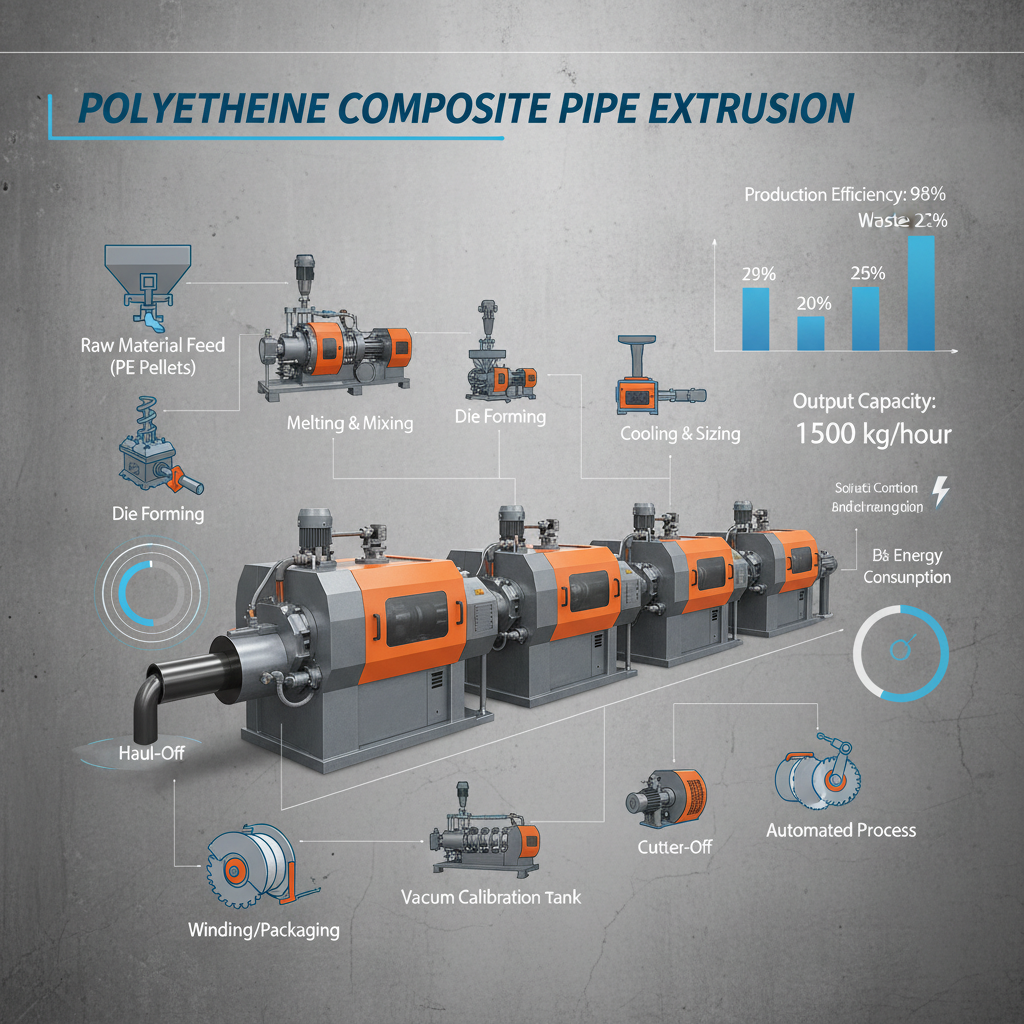
The extrusion process begins with plastic resin, typically in pellet form, being fed into the extruder. Inside the extruder, a screw mechanism melts the plastic using heat and pressure. The molten plastic is then forced through a die head, shaping it into the desired pipe profile. As the pipe emerges from the die, it enters a calibration and cooling system, often using water tanks, to maintain its dimensions and solidify the material. The haul-off unit then pulls the pipe at a controlled speed, ensuring consistent diameter and wall thickness. Finally, a cutting unit precisely cuts the pipe to the specified length, and the finished pipes are stacked or coiled for storage and shipping. The entire process requires precise control of temperature, speed, and pressure.
Key Stages in Pipe Extrusion:
• Feeding: Loading plastic resin into the extruder.
• Melting: Heating and plasticizing the resin.
• Shaping: Forming the molten plastic into a pipe.
• Cooling: Solidifying the pipe's shape.
• Hauling & Cutting: Pulling and precisely cutting the pipe.
Pipe Extrusion Production Line Types & Applications
Different types of pipe extrusion lines cater to various materials and pipe applications. Single-screw extruders are common for general-purpose PVC and PE pipes, while twin-screw extruders are preferred for more demanding applications like CPVC, PPR, and composite materials. The choice of extruder depends on the material’s viscosity, heat sensitivity, and the desired output rate. Applications range from potable water pipes and irrigation systems to drainage pipes, gas distribution lines, and conduit for electrical wiring. Specialized lines can also produce corrugated pipes, multi-layer pipes, and pipes with integrated stripes. AHDC11 offers a diverse range of pipe extrusion lines tailored to specific needs.
Advances in Pipe Extrusion Technology
Modern pipe extrusion lines are incorporating advanced technologies to enhance efficiency, precision, and product quality. These include computer-controlled systems for precise temperature and speed regulation, online thickness monitoring and control systems, and automated material handling systems. Industry 4.0 principles are also being applied, with data analytics and remote monitoring capabilities. Furthermore, manufacturers are focusing on developing energy-efficient designs and utilizing sustainable materials. These advancements not only reduce production costs but also minimize environmental impact.
Selecting the Right Pipe Extrusion Production Line: Key Considerations
Choosing the right pipe extrusion production line requires careful consideration of several factors. These include the types of materials you plan to process, the desired pipe diameters and wall thicknesses, your production volume requirements, and your budget. It’s also crucial to consider the manufacturer’s reputation, after-sales service, and the availability of spare parts. AHDC11 provides comprehensive consultations to help you identify the optimal solution for your specific needs.
Conclusion: Investing in Quality and Innovation
Investing in a high-quality pipe extrusion production line is a strategic decision for any business involved in pipe manufacturing. By prioritizing efficiency, precision, and innovation, you can ensure consistent product quality, reduce production costs, and gain a competitive edge in the market. Partner with a reliable manufacturer like AHDC11 to unlock the full potential of your production capabilities.
Frequently Asked Questions (FAQs)
What is the typical production capacity of a pipe extrusion line?
The production capacity of a pipe extrusion line varies significantly based on several factors, including the extruder size, screw design, material type, pipe diameter, and line speed. Generally, a modern pipe extrusion line can produce anywhere from 200 kg to 2000 kg of finished pipe per hour. High-speed lines, particularly those designed for smaller diameter pipes, can achieve even higher throughput. Factors like material viscosity and cooling efficiency also impact the overall production rate. When considering a line, it’s crucial to specify your required output volume to ensure the selected system meets your needs.
What maintenance is required for a pipe extrusion line?
Regular maintenance is crucial for ensuring the longevity and optimal performance of a pipe extrusion line. Key maintenance tasks include cleaning the extruder screw and die head, inspecting and lubricating moving parts, checking cooling system efficiency, and calibrating control systems. Preventative maintenance schedules, recommended by the manufacturer, should be followed diligently. Replacing worn parts proactively, such as heating elements and seals, can prevent costly downtime. Proper training for maintenance personnel is also essential.
What safety features should I look for in a pipe extrusion line?
Safety is paramount when operating a pipe extrusion line. Essential safety features include emergency stop buttons strategically located around the line, safety guards to prevent access to moving parts, temperature sensors to prevent overheating, and overload protection for motors. Proper electrical grounding and ventilation are also crucial. Regular safety training for operators is vital to ensure they understand the potential hazards and operate the equipment safely. Compliance with relevant safety standards and regulations is essential.
What is the role of the calibration system in pipe extrusion?
The calibration system, often involving water tanks or air rings, plays a critical role in maintaining the dimensional accuracy of the extruded pipe. As the molten pipe exits the die head, it is still pliable and prone to distortion. The calibration system applies controlled cooling and pressure to ensure the pipe maintains its specified diameter, wall thickness, and roundness. Effective calibration is essential for producing pipes that meet industry standards and customer requirements.
-
High Efficiency PE Extrusion Line Guide for Plastic ManufacturingNewsApr.16,2026
-
High Speed Steel Wire Mesh HDPE Composite Pipe Production Line - Anhui Dongchai|High Automation&Energy EfficiencyNewsApr.13,2026
-
High Speed Steel Wire Mesh HDPE Composite Pipe Production Line - Anhui Dongchai|High Automation&Energy EfficiencyNewsApr.13,2026
-
Guide to Choosing High Efficiency ppr pipe extrusion machineNewsApr.09,2026
-
Comprehensive Guide to Modern Pipe Production Line Technologies and OptimizationNewsApr.07,2026
-
Choosing the Right Extrusion Pipe Machine for Optimal Plastic Pipe ProductionNewsApr.04,2026
-
Comprehensive Guide to PPR Pipe Extrusion Line Technology and ApplicationsNewsMar.31,2026


