
Understanding Extrusion Machine Cost: A Comprehensive Guide
Investing in an extrusion machine is a significant decision for any business involved in plastics processing. The extrusion machine cost can vary widely based on several factors, from the type of machine to its capacity and automation level. This article provides a detailed overview of the costs involved, helping you make an informed investment. We will explore different types of extrusion machines, cost breakdown, and factors affecting the final price, offering insights for a successful purchase.
Factors Influencing Extrusion Machine Cost
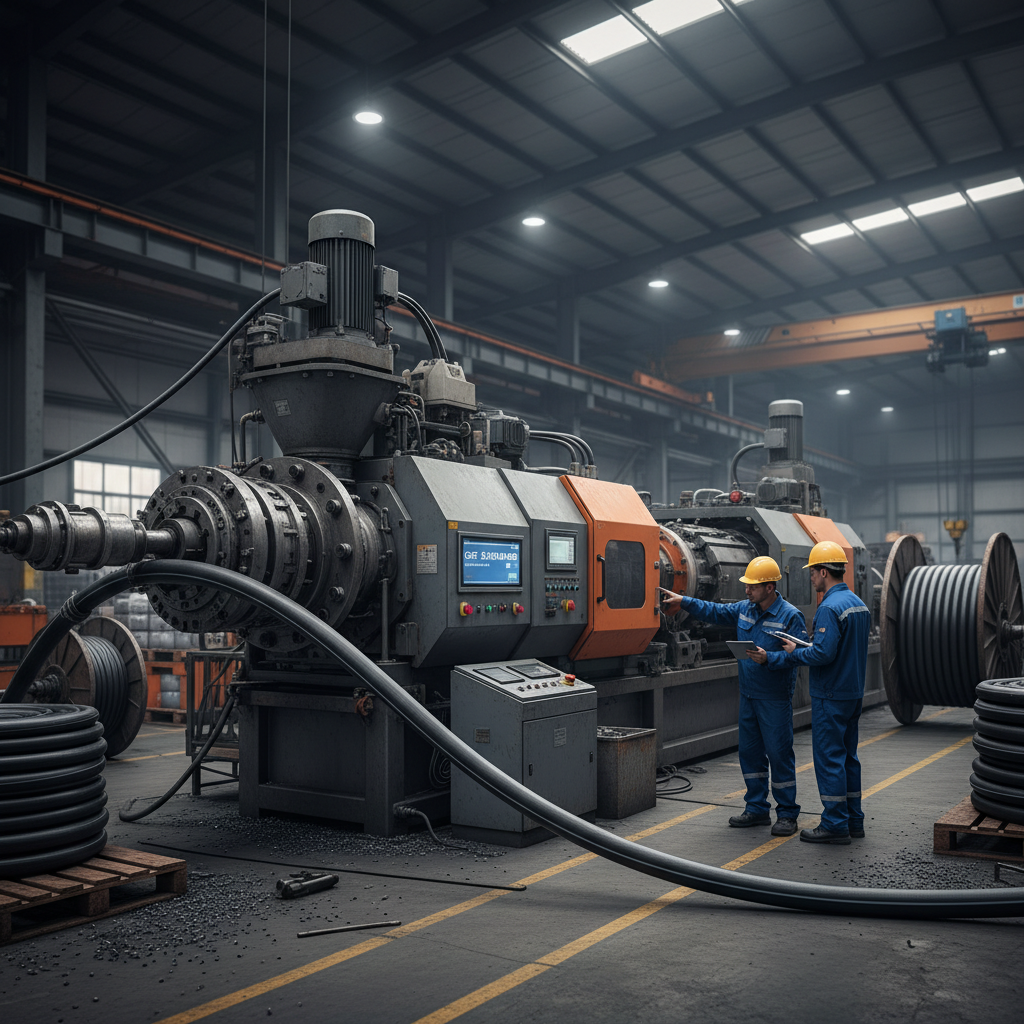
Several key factors contribute to the overall extrusion machine cost. The type of material being processed is a primary driver. Different plastics require different screw designs, barrel materials, and heating/cooling systems, which impact the price. Machine capacity, measured in output per hour, also significantly affects the cost – higher capacity machines are generally more expensive. Automation level plays a crucial role; fully automated lines with robotic handling and integrated quality control systems come at a premium. Finally, the manufacturer's reputation and the level of after-sales service influence the price.
Key Considerations: Material Type, Machine Capacity, Automation Level, and Manufacturer Reputation.
Types of Extrusion Machines & Their Costs
The extrusion machine cost varies considerably depending on the specific type. Single-screw extruders are the most common and generally the least expensive, ranging from $50,000 to $250,000. Twin-screw extruders, known for their versatility and ability to process a wider range of materials, typically cost between $100,000 and $500,000 or more. Film extrusion machines, used for producing plastic films, can range from $80,000 to $400,000. Pipe and profile extrusion machines, designed for specific shapes, typically fall between $70,000 and $300,000. Micro-extrusion machines, used for small-scale or specialized applications, can range from $30,000 to $150,000.
Extrusion Machine Types & Price Ranges:
• Single-Screw Extruder: $50,000 - $250,000
• Twin-Screw Extruder: $100,000 - $500,000+
• Film Extrusion Machine: $80,000 - $400,000
• Pipe/Profile Extrusion: $70,000 - $300,000
• Micro-Extrusion Machine: $30,000 - $150,000
Detailed Cost Breakdown of an Extrusion Machine
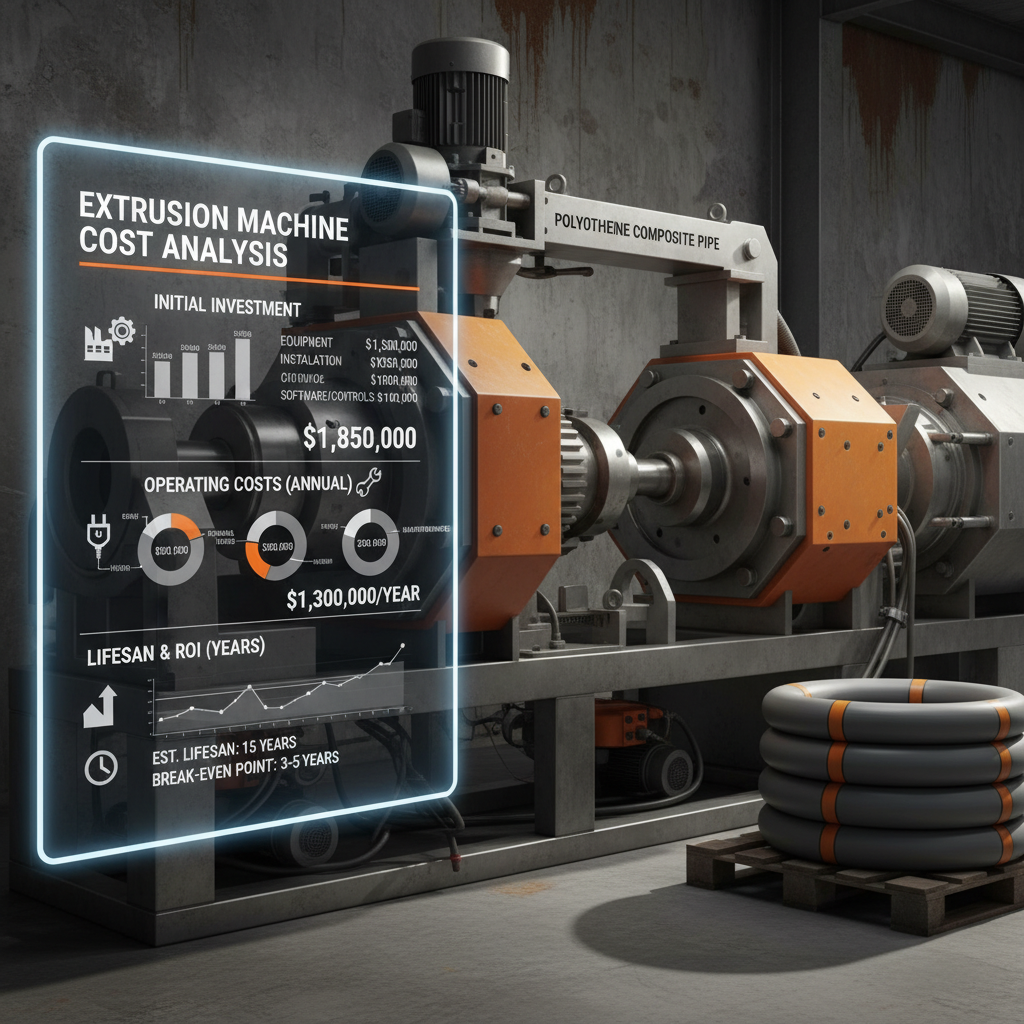
Beyond the base machine price, several additional costs should be considered when calculating the total extrusion machine cost. These include the cost of the die, which can range from $5,000 to $50,000 depending on its complexity. Auxiliary equipment, such as chillers, dryers, and material loaders, typically add another $20,000 to $100,000. Installation and commissioning costs can be substantial, often ranging from $10,000 to $50,000, depending on the complexity of the setup and the location. Training for operators is also essential and can cost $2,000 to $10,000. Finally, ongoing maintenance and spare parts should be factored into the long-term cost of ownership.
Reducing Extrusion Machine Costs
While a new extrusion machine represents a significant investment, there are ways to manage and potentially reduce the extrusion machine cost. Consider purchasing a refurbished machine from a reputable dealer. Often, these machines have been well-maintained and offer substantial savings. Negotiate with manufacturers for discounts, especially when purchasing multiple machines or committing to a long-term partnership. Explore leasing options to spread the cost over time. Finally, carefully evaluate your specific needs to avoid paying for features or capacity you don't require. A comprehensive needs assessment is a crucial first step.
Choosing the Right Supplier: AHDCI11
Selecting a reliable supplier is vital for ensuring you get the best value for your investment. AHDCI11 offers a wide range of high-quality extrusion machines at competitive prices. We provide expert guidance in selecting the right machine for your specific application, along with comprehensive after-sales support and service. Our commitment to quality and customer satisfaction makes us a trusted partner for businesses in the plastics industry.
Conclusion: Making an Informed Investment
Understanding the extrusion machine cost involves more than just the initial purchase price. By carefully considering the factors outlined in this article – machine type, capacity, automation, and auxiliary equipment – you can make a well-informed decision that aligns with your business needs and budget. AHDCI11 is dedicated to providing reliable, efficient, and cost-effective extrusion solutions to help your business thrive.
Frequently Asked Questions (FAQs)
What is the typical lead time for an extrusion machine?
The lead time can vary significantly depending on the machine's complexity and the manufacturer's current workload. Generally, a standard machine may take 8-16 weeks to deliver, while customized or more complex machines can take 6-12 months. It's essential to inquire about the lead time upfront and factor it into your production planning. We at AHDCI11 strive to provide accurate lead time estimates and expedite the process whenever possible.
What kind of warranty comes with an extrusion machine?
Most manufacturers offer a warranty covering defects in materials and workmanship. The standard warranty period is typically 12 months from the date of commissioning, but it can vary. The warranty usually covers replacement parts and labor for repairs related to manufacturing defects. It is important to review the warranty terms carefully to understand what is covered and what is not. AHDCI11 provides a comprehensive warranty and dedicated support to ensure your peace of mind.
What are the ongoing maintenance costs for an extrusion machine?
Ongoing maintenance costs include routine inspections, lubrication, replacement of wear parts (such as screws and barrels), and potential repairs. These costs can vary depending on the machine's usage and the materials processed. Preventive maintenance is crucial for minimizing downtime and extending the machine's lifespan. Annual maintenance costs can range from 5% to 10% of the original machine cost. AHDCI11 offers maintenance contracts to help manage these costs effectively.
Can an extrusion machine handle different types of plastic?
Some extrusion machines are designed for specific plastic types, while others are more versatile. Twin-screw extruders generally offer greater flexibility in processing a wide range of materials, including polyethylene (PE), polypropylene (PP), polyvinyl chloride (PVC), and engineering plastics. Single-screw extruders are typically best suited for simpler materials like PE and PP. It's crucial to specify the materials you intend to process when selecting an extrusion machine to ensure it meets your requirements.
-
High Efficiency PE Extrusion Line Guide for Plastic ManufacturingNewsApr.16,2026
-
High Speed Steel Wire Mesh HDPE Composite Pipe Production Line - Anhui Dongchai|High Automation&Energy EfficiencyNewsApr.13,2026
-
High Speed Steel Wire Mesh HDPE Composite Pipe Production Line - Anhui Dongchai|High Automation&Energy EfficiencyNewsApr.13,2026
-
Guide to Choosing High Efficiency ppr pipe extrusion machineNewsApr.09,2026
-
Comprehensive Guide to Modern Pipe Production Line Technologies and OptimizationNewsApr.07,2026
-
Choosing the Right Extrusion Pipe Machine for Optimal Plastic Pipe ProductionNewsApr.04,2026
-
Comprehensive Guide to PPR Pipe Extrusion Line Technology and ApplicationsNewsMar.31,2026


