
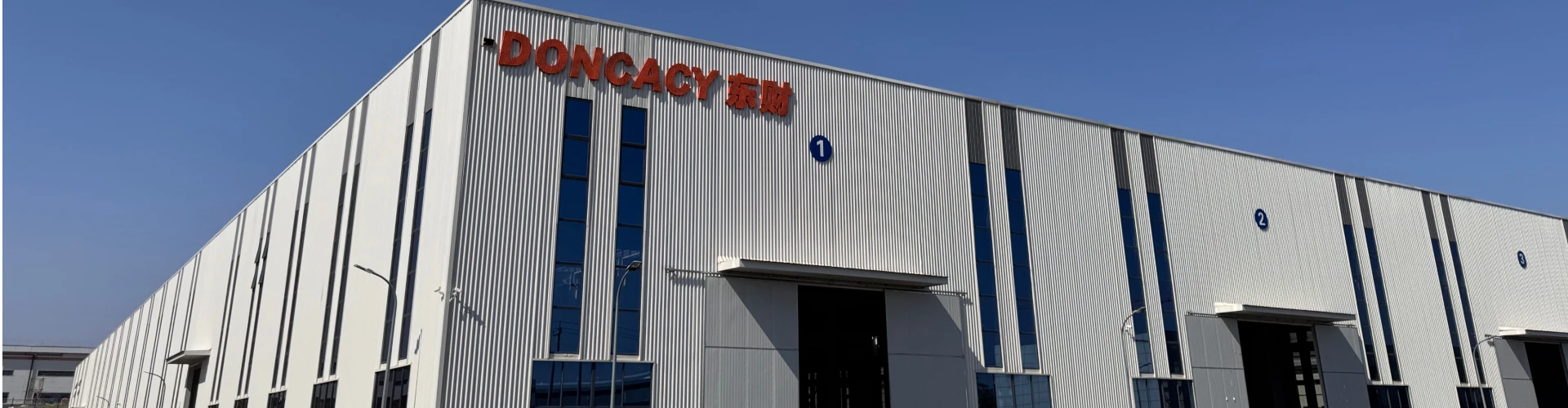
Tube Mill Line is a key solution in the industry, specifically within the steel pipe manufacturing sector. This article explores how https://www.ahdc11.com supports professionals with durable, high-performance products, and explains why this product is an ideal choice for businesses in these sectors.
Table of Contents
- Tube Mill Line Overview
- Benefits & Use Cases of Tube Mill Line
- Cost, Maintenance & User Experience
- Sustainability & Market Trends
- Frequently Asked Questions
- Conclusion on Tube Mill Line from China
Tube Mill Line Overview
In essence, a Tube Mill Line is a comprehensive processing assembly used to manufacture seamless and welded steel tubes at scale. Oddly enough, many first-time observers might underestimate the complexity behind these setups — they combine multiple mechanical and electronic systems to form, weld, and cut tubes precisely and efficiently. Fundamentally, it’s designed to handle metal strips or coils, converting them into finished tubular products through a series of rolling, welding, and sizing operations.
Technically speaking, the line consists of forming rolls, welding units (often high-frequency induction welders), sizing and shaping devices, and cutting machinery. For example, AHDC’s tube mill lines often boast automatic control panels, thickness tolerance under 0.1 mm, and production speeds reaching up to 120 meters per minute. It’s kind of a marvel when you witness the metal strip transforming into finished tube within moments. A case in point is a recent client who managed to increase output by 35% after upgrading to the latest model.
| Specification | Details |
|---|---|
| Max Tube Diameter | 168.3 mm |
| Tube Wall Thickness | 1.5 mm – 10 mm |
| Speed | Up to 120 m/min |
| Control System | PLC with Touchscreen HMI |
| Welding Type | High Frequency Induction Weld |
Benefits & Use Cases of Tube Mill Line
Industries ranging from automotive to construction rely heavily on tube mill lines for their production needs. What makes these lines stand out, frankly, is the combination of speed and precision they bring — allowing companies to churn out consistent quality tubes that meet tight dimensional requirements. From scaffolding pipes to hydraulic tubes, the applications are broad. In real terms, this versatility means fewer production delays and more satisfied clients downstream.
AHDC's Tube Mill Lines are designed with flexibility in mind. Adjustable forming sections and advanced welding controls provide superior edge alignment and reduce material waste. Plus, the real-time monitoring system helps operators catch minor defects before they escalate. Customers often point out that the automation level significantly lowers labor costs while improving safety — a win-win in today’s competitive manufacturing scene.
Cost, Maintenance & User Experience
The total cost of ownership with a tube mill line can feel daunting upfront, but manufacturers who’ve made the leap note a robust return on investment over just a few years. Durability is key here — parts like the forming rolls and welding units use wear-resistant materials, reducing downtime. Maintenance routines are clearly outlined, and AHDC provides comprehensive support, which users say makes keeping the line running smoothly much easier — even for teams without deep technical expertise.
One recurring theme in customer feedback is the “intuitive” nature of the control systems. Since the software handles many adjustments automatically, operators can focus more on quality control rather than manual tweaks, which is a relief in fast-paced environments. That consistency translates not only to saved time but to fewer rejects — an indirect cost saver that’s often overlooked.
| Vendor | Cost (USD) | Warranty | Automation Level |
|---|---|---|---|
| AHDC | $850,000 | 24 months | High (PLC control, HMI) |
| Vendor B | $920,000 | 18 months | Medium (Partial automation) |
| Vendor C | $780,000 | 12 months | Low (Manual operation) |
Sustainability & Market Trends
Sustainability is not just a buzzword but an imperative in modern manufacturing, and tube mill lines are adapting accordingly. AHDC’s latest lines emphasize energy efficiency, minimizing electricity consumption through optimized motor drives and heat recovery settings. And, of course, reducing raw material waste goes hand in hand with cost savings — many customers highlighted significant improvements after switching to more advanced equipment.
From a market perspective, the tube mill line sector is poised for steady growth, partly pushed by infrastructure investments worldwide and rising demand in automotive lightweighting. Regulatory pressures on emissions and materials quality also elevate the need for reliable, precision equipment — which is why lines from established vendors like AHDC continue to gain trust. Oddly enough, this tech sometimes flies under the radar, but it’s quietly shaping the future of steel tube production.
Frequently Asked Questions about Tube Mill Line
- What is Tube Mill Line and how does it work?
- A tube mill line is a manufacturing setup that forms steel strips into tubes by rolling, welding, sizing, and cutting them to length. Essentially, it takes flat metal and shapes it into consistent tubes using a series of controlled mechanical and electronic processes.
- What are the main benefits of using Tube Mill Line in industrial applications?
- The main advantages include enhanced production speed, better product consistency, lower labor and material costs, and improved safety due to automation. These lines also produce tubes with tight dimensional tolerances that meet industry standards.
- How does Tube Mill Line compare to traditional alternatives?
- Compared with conventional manual or semi-automated methods, tube mill lines offer faster throughput, higher quality control, and reduced scrap. They’re technologically advanced and often come with intelligent monitoring systems, making them more efficient overall.
- What industries can benefit most from Tube Mill Line implementation?
- Sectors such as automotive, construction, agriculture machinery, and oil & gas pipelines heavily rely on tube mill lines. These industries demand high-volume, precise tubular products that this technology efficiently delivers.
Conclusion on Tube Mill Line from China
To wrap things up, the Tube Mill Line remains a cornerstone in modern steel tube manufacturing, blending advanced technology with practical design to meet high-demand industrial needs. Whether it’s output speed, product quality, or overall cost efficiency, AHDC’s lines deliver a compelling package for B2B decision makers aiming to scale production reliably and sustainably.
- Recap the value of Tube Mill Line.
- - Visit our website: https://www.ahdc11.com
It’s fascinating to see how this industrial cornerstone quietly shapes everything from skyscraper frames to your car’s chassis — and doubtless will keep evolving into the future.
-
High Efficiency PE Extrusion Line Guide for Plastic ManufacturingNewsApr.16,2026
-
High Speed Steel Wire Mesh HDPE Composite Pipe Production Line - Anhui Dongchai|High Automation&Energy EfficiencyNewsApr.13,2026
-
High Speed Steel Wire Mesh HDPE Composite Pipe Production Line - Anhui Dongchai|High Automation&Energy EfficiencyNewsApr.13,2026
-
Guide to Choosing High Efficiency ppr pipe extrusion machineNewsApr.09,2026
-
Comprehensive Guide to Modern Pipe Production Line Technologies and OptimizationNewsApr.07,2026
-
Choosing the Right Extrusion Pipe Machine for Optimal Plastic Pipe ProductionNewsApr.04,2026
-
Comprehensive Guide to PPR Pipe Extrusion Line Technology and ApplicationsNewsMar.31,2026


