
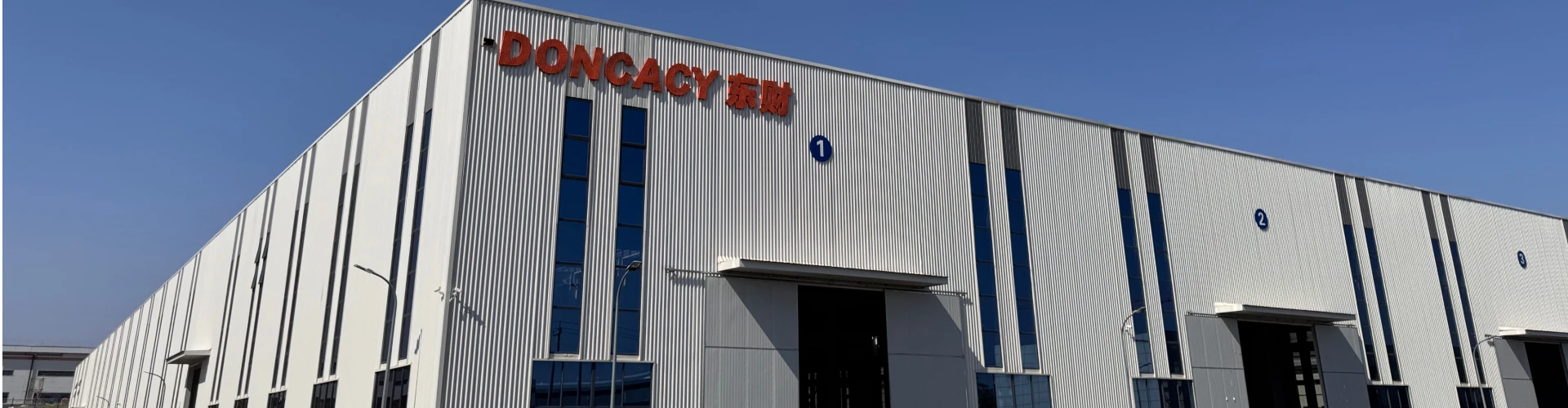
What is an HDPE Pipe Production Line and Why Should You Care?
At its core, an hdpe pipe production line is a specialized setup used to manufacture high-density polyethylene (HDPE) pipes — those tough, flexible tubes becoming the backbone of modern infrastructure worldwide. Why does this matter? Well, they’re not just plumbing cast-offs; they're central to water supply systems, irrigation networks, gas transportation, even cutting-edge telecom conduits. Understanding how these lines work and why they’re critical can unlock insights into everything from sustainable development goals to supply chain resiliency in uncertain times.
Global Importance of HDPE Pipe Production Lines
Around the world, infrastructure development is booming — the United Nations estimates that trillions in investment will pour into water, sanitation, and energy projects this decade. HDPE pipes, produced on these lines, offer a robust solution addressing leakage, durability, and ease of installation. For example, the Asian Development Bank's data highlights a surge in HDPE adoption for rural water projects. The challenge they help solve? Fragile or outdated piping systems that waste resources and slow progress.
Yet, globally, manufacturing capacity varies. Some regions use imported pipes; others ramp up domestic hdpe pipe production lines to lower costs and boost local industry. This shift isn’t just about economics — it's about resilience. In real terms, resilient infrastructure equals reliable access to water and essentials.
Defining the HDPE Pipe Production Line
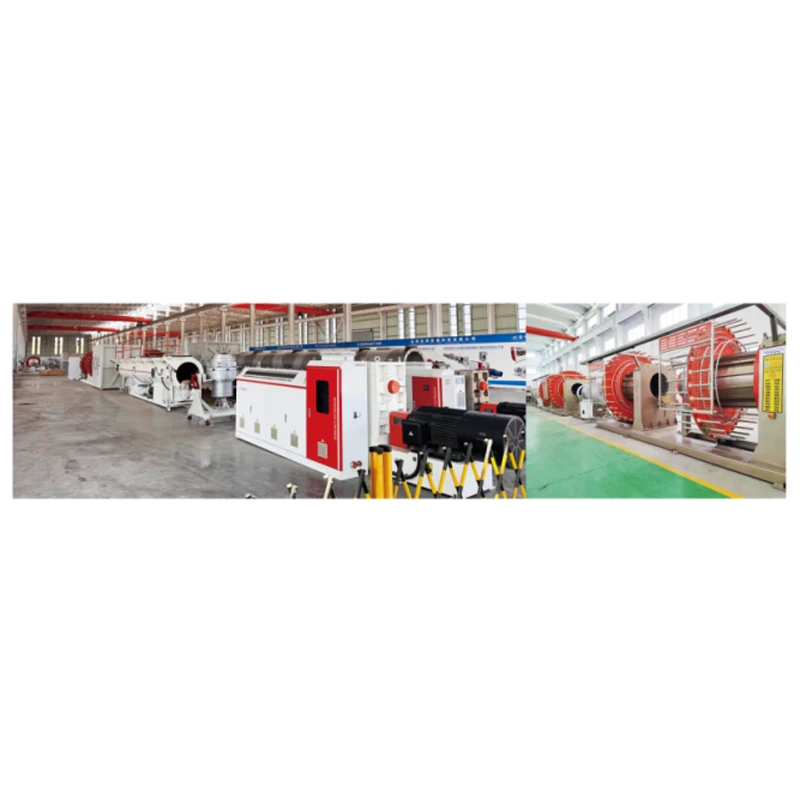
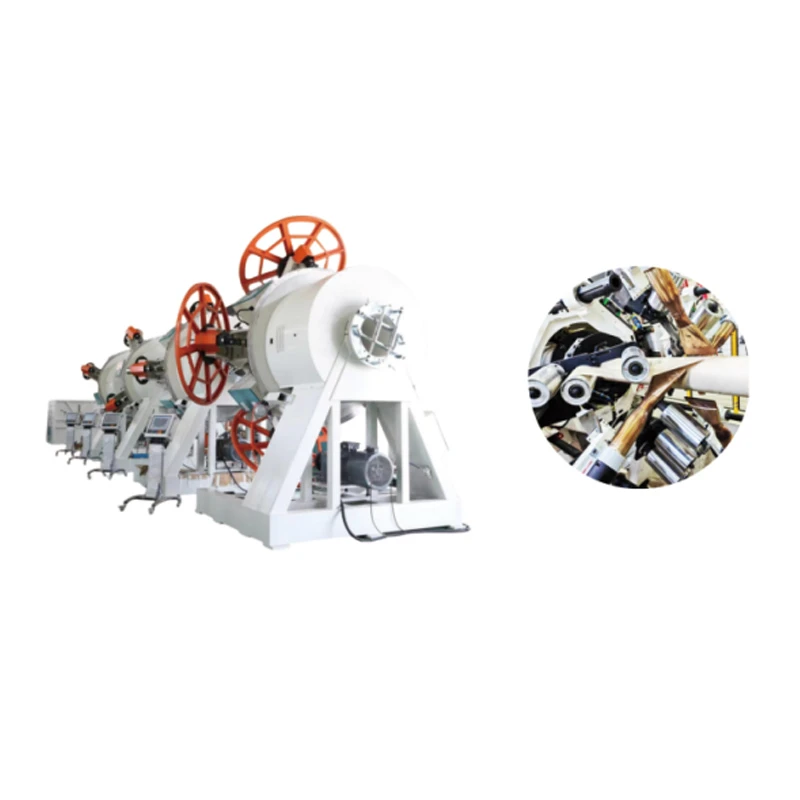
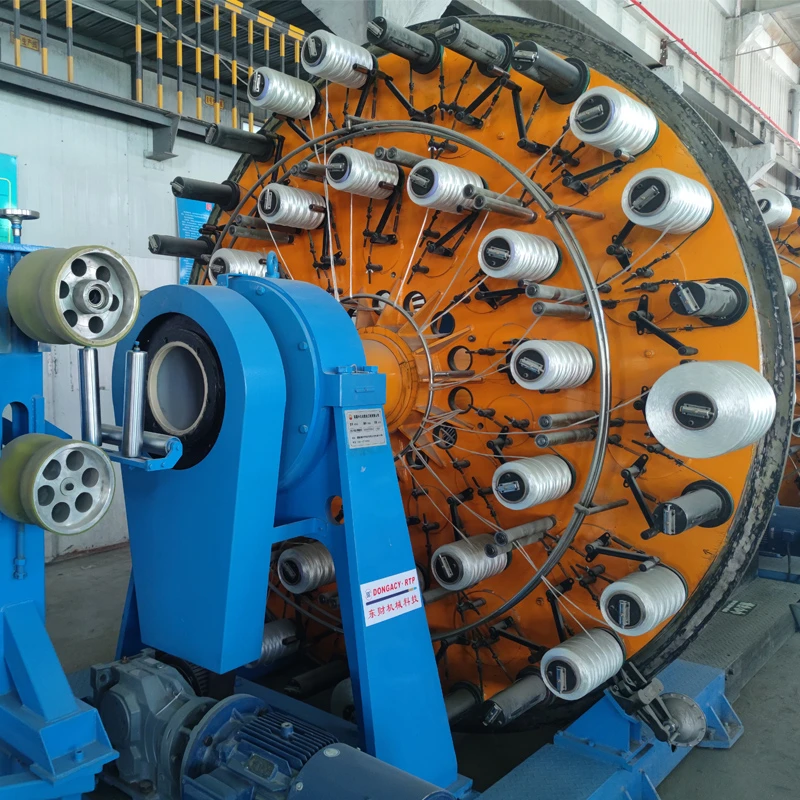
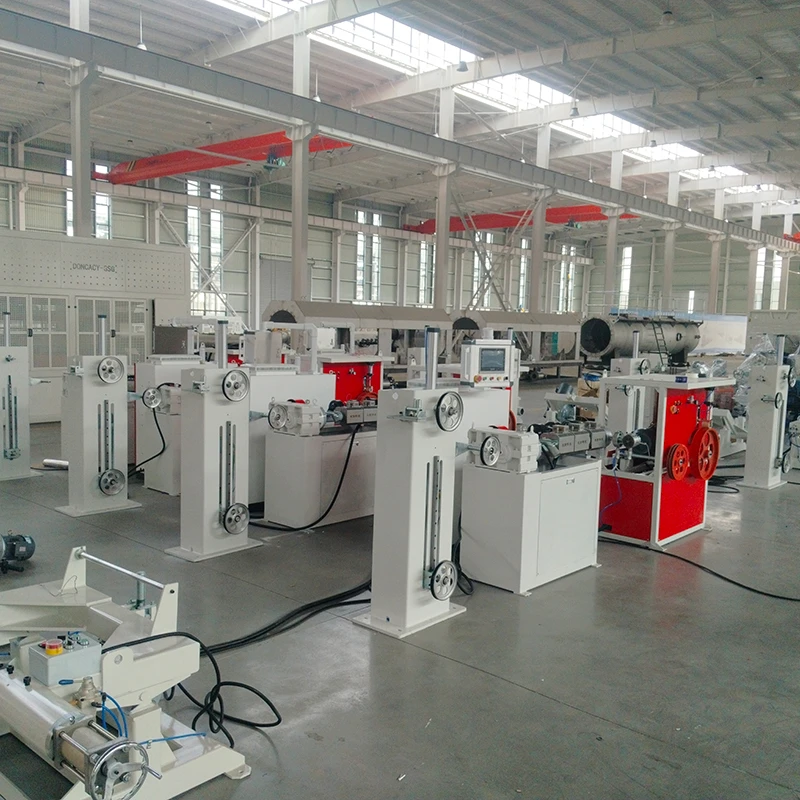
An hdpe pipe production line is basically a string of machines where raw HDPE resin pellets are melted, forced through a die, cooled, and formed into pipes of various diameters and thicknesses. It’s industrial magic that transforms simple plastic into complex piping networks that can bend without cracking or corrode when buried underground.
These production lines touch sectors far beyond construction: humanitarian aid relies on them for quick-deploy water supply; agriculture uses them for drip irrigation; even oil and gas industries count on their chemical resistance. Quite a leap from plastic beads to critical infrastructure, right?
Key Components of an HDPE Pipe Production Line
1. Extruder Unit
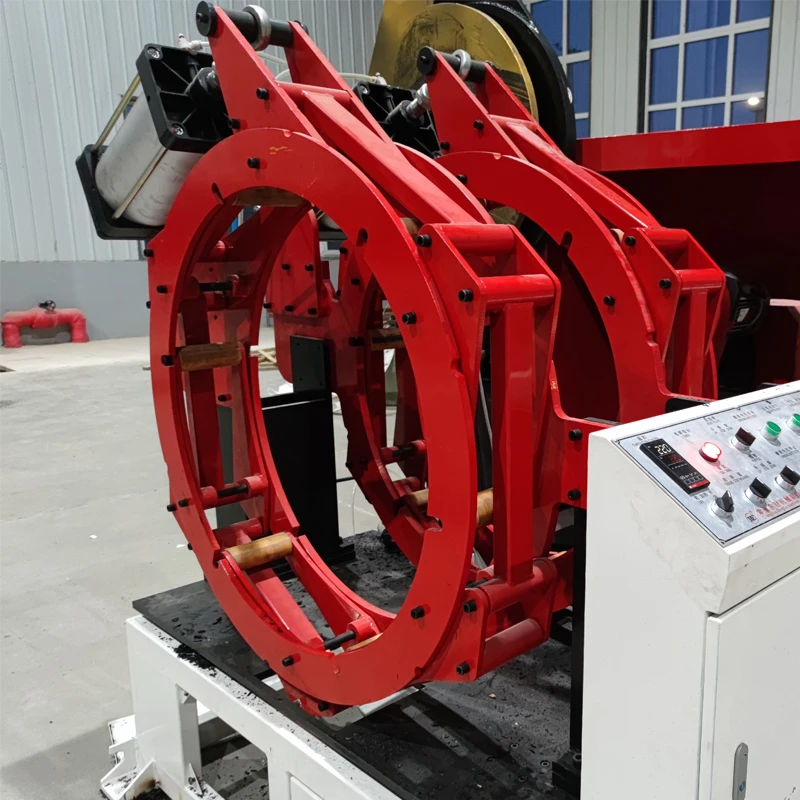
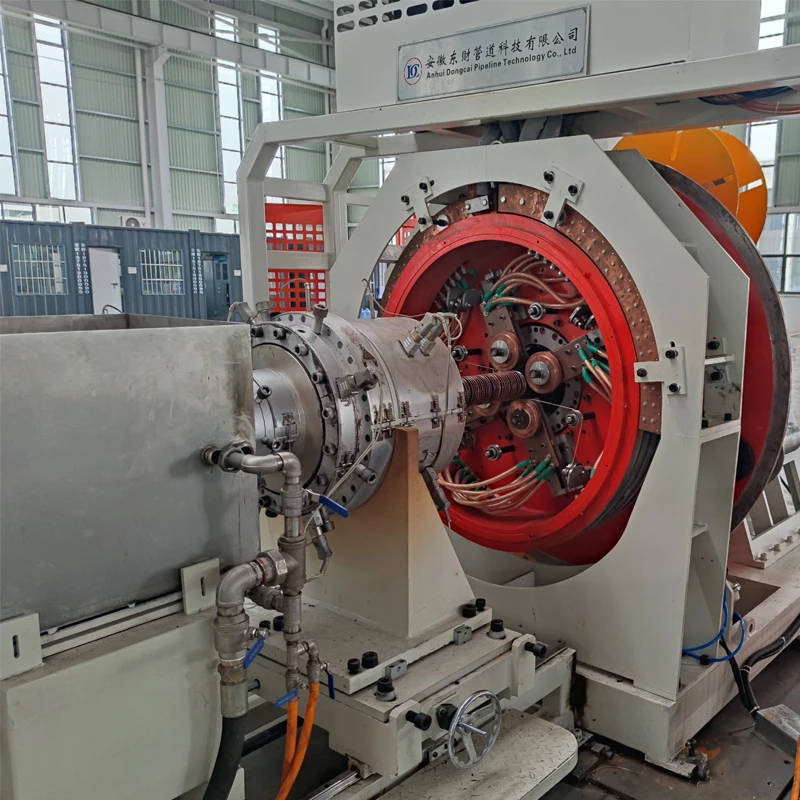
This is the heart of the operation. It’s a giant screw rotating inside a heated barrel, melting the HDPE plastic and pushing it forward.
2. Die Head
The die shapes the molten plastic into a hollow pipe. Precision here affects diameter uniformity — crucial for function.
3. Cooling System
Once shaped, the pipe moves through a cooling tank that solidifies its form. Too quick or slow here can cause warping.
4. Haul-off and Cutting Units
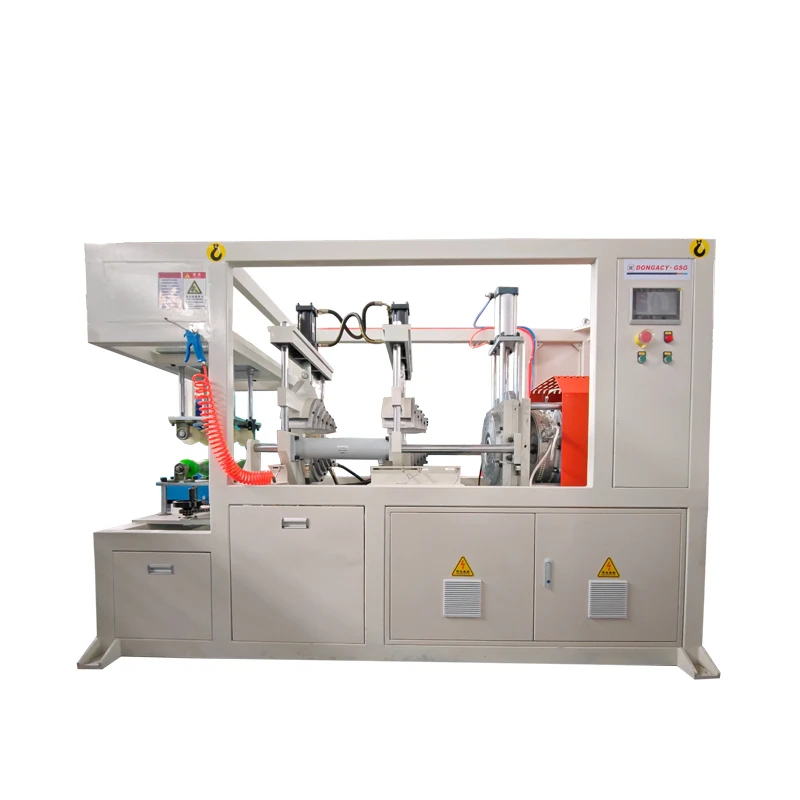
These draw the pipe forward at a constant speed and slice it into specified lengths.
5. Control Systems
Modern lines include digital interfaces monitoring temperature, pressure, and speed for quality assurance (think: Industry 4.0).
Mini Takeaway:
- Each component tightly integrates to ensure durable, precise HDPE pipes. Missing the mark on any one spot can affect pipe performance downstream.
Applications of HDPE Pipes Across the Globe
Across continents, you’ll find HDPE pipes tackling diverse challenges. In sub-Saharan Africa, they bring potable water to villages bypassing old rusty piping. In Europe, gas companies use them extensively because they resist corrosion from soil chemicals better than metal. Another notable case: hurricane-prone Caribbean islands rebuild infrastructure fast with HDPE because its flexibility reduces damage risk.
- Agriculture: Used for drip and sprinkler irrigation globally.
- Municipal water systems: Replacing aging iron pipes in cities.
- Industrial sectors: Chemical factories use HDPE for resistant conduits.
- Telecommunications: Protective conduit for fiber optic cables.
Typical Product Specification of an HDPE Pipe Production Line
| Component | Specification |
|---|---|
| Pipe Diameter Range | 20mm to 1200mm |
| Output Capacity | 200-500 kg/hour (varies by model) |
| Power Supply | 380V/50Hz, three-phase |
| Control System | PLC with touchscreen interface |
| Material Compatibility | HDPE Type PE80, PE100 resins |
Advantages and Long-Term Benefits of HDPE Pipes
People often focus on the price tag, but honestly, HDPE pipes often turn out cheaper over their lifetime — they don’t corrode or crack easily, which means fewer replacement costs and less downtime. Plus, they’re recyclable, supporting circular economy goals.
On a more emotional level, there’s safety. HDPE pipes reduce leaks of water and gas, which in real terms saves lives and preserves ecosystems. Imagine a city where every drop counts; minimizing losses makes all the difference. I heard from an engineer recently who emphasized how their community felt a newfound dignity when clean water finally ran reliably through these pipes.
Looking Forward: The Future of HDPE Pipe Production Line
Automation and AI integration — they aren’t buzzwords anymore. Smart factories now monitor extrusion parameters in real time, ensuring consistent quality. There’s also increasing demand for bio-based HDPE resins — part of a worldwide push for greener materials.
Moreover, digital twins of production lines allow for virtual testing and optimization before investing physically — a bit like a flight simulator for manufacturing. Lastly, the expansion of renewable energy projects ramps up HDPE pipeline use in solar and wind farms, as they need corrosion-resistant cable protection and conduit solutions.
Challenges & Innovative Solutions in HDPE Pipe Production
Not everything is rosy though. Temperature control and material uniformity still trip up some manufacturers, leading to weak spots in pipes. The solution? Enhanced sensor arrays combined with machine learning that detect anomalies mid-production, giving operators a chance to recalibrate before shipping faulty products.
Also, training operators to understand complex new equipment remains a hurdle. Some companies develop virtual reality (VR) training modules that simulate malfunctions — a far more effective learning approach than traditional manuals.
Vendor Comparison Table for HDPE Pipe Production Lines
| Vendor | Max Capacity (kg/hr) | Pipe Diameter Range | Price Range (USD) | Key Features |
|---|---|---|---|---|
| PipePro Systems | 450 | 20-800 mm | $150,000 - $300,000 | High automation, energy efficient |
| GreenPipe Technologies | 500 | 50-1200 mm | $180,000 - $350,000 | Eco-friendly materials, low waste output |
| FlexPipe Equipments | 300 | 20-600 mm | $120,000 - $250,000 | User-friendly control system, modular design |
FAQ: Frequently Asked Questions About HDPE Pipe Production Line
- Q: What is the typical lifespan of HDPE pipes made on these production lines?
- HDPE pipes generally last between 50 to 100 years depending on environmental conditions and usage. Their resistance to corrosion and fatigue makes them ideal for long-term infrastructure projects.
- Q: Can HDPE pipes be customized in diameter and length easily?
- Yes. Production lines are built to offer flexibility in pipe diameters (usually 20mm to 1200mm) and lengths, adapting to customer specs through adjustments in machinery settings and cutting units.
- Q: How energy-intensive is operating an HDPE pipe production line?
- Energy consumption varies but modern lines focus on efficiency; some integrated extruders and cooling systems minimize usage. Operators typically look for lines with optimized motor control to reduce electrical costs.
- Q: Are HDPE pipes recyclable after use?
- Absolutely. HDPE is widely recyclable, and many production designers embed recycling mechanisms in the production process, reducing waste and environmental footprint.
- Q: How quickly can a production line be set up for operation?
- Depending on the facility, installation can range from a few weeks to a couple of months, considering commissioning, staff training, and initial calibration.
Wrapping It Up: Why HDPE Pipe Production Lines Matter
In sum, the hdpe pipe production line isn’t just some niche industrial jargon. It’s a vital process enabling safer water, cleaner energy, and resilient infrastructure — the kind that supports everyday life and helps nations meet sustainability goals. Whether you’re an engineer, policymaker, or a curious bystander, knowing how these lines tick offers insights into the future of global development.
Feel inspired? Dive deeper and explore customized solutions at our website. It’s a good place to start if you want to understand how to blend industrial know-how with real-world impact.
References & Personal Notes
-
High Efficiency PE Extrusion Line Guide for Plastic ManufacturingNewsApr.16,2026
-
Guide to Choosing High Efficiency ppr pipe extrusion machineNewsApr.09,2026
-
Comprehensive Guide to Modern Pipe Production Line Technologies and OptimizationNewsApr.07,2026
-
Choosing the Right Extrusion Pipe Machine for Optimal Plastic Pipe ProductionNewsApr.04,2026
-
Comprehensive Guide to PPR Pipe Extrusion Line Technology and ApplicationsNewsMar.31,2026
-
Understanding the Functionality and Applications of a Pipe Extruder SystemNewsMar.28,2026
-
Comprehensive Guide to Pipe Extrusion Machine Technology and ApplicationsNewsMar.26,2026


