
Inside a modern tube production line: what really matters in 2025
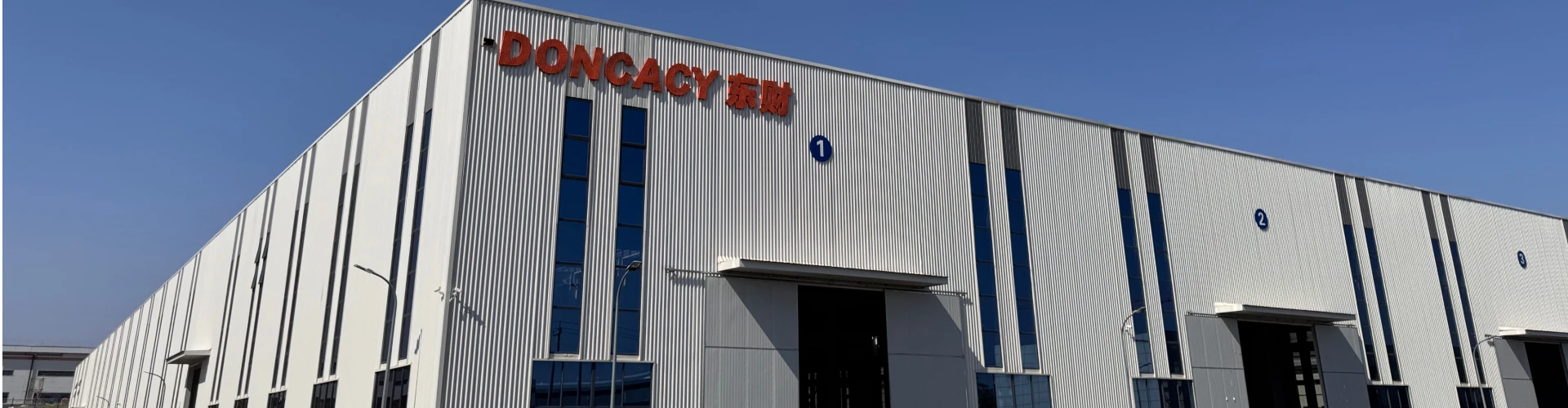
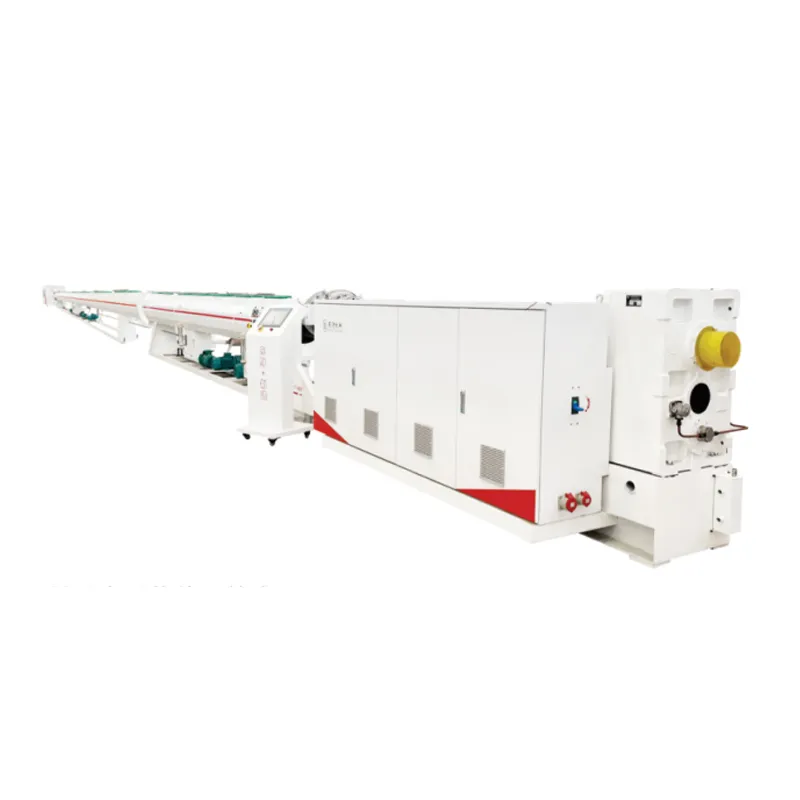
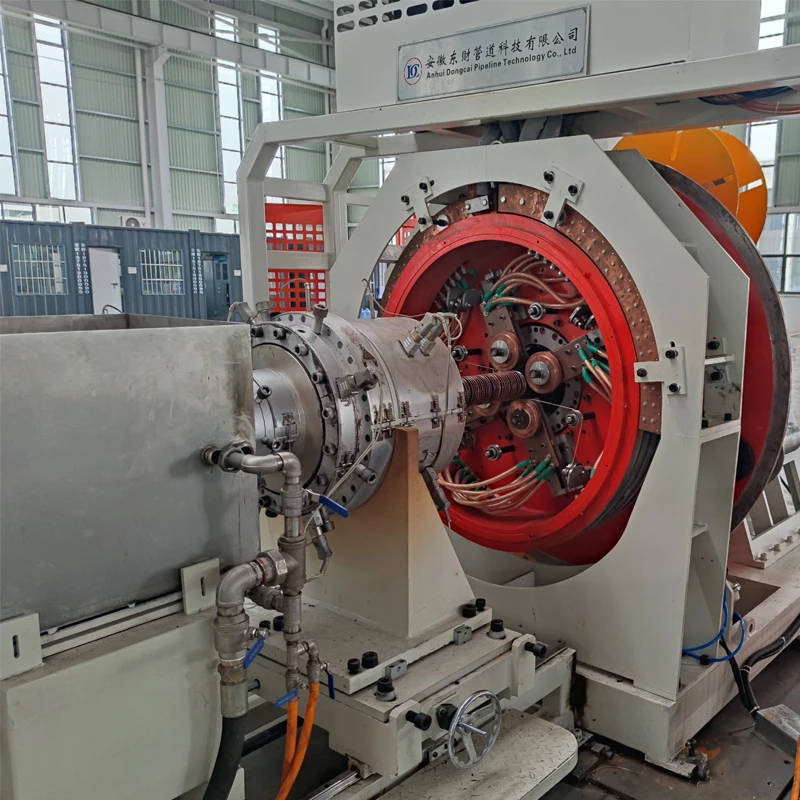
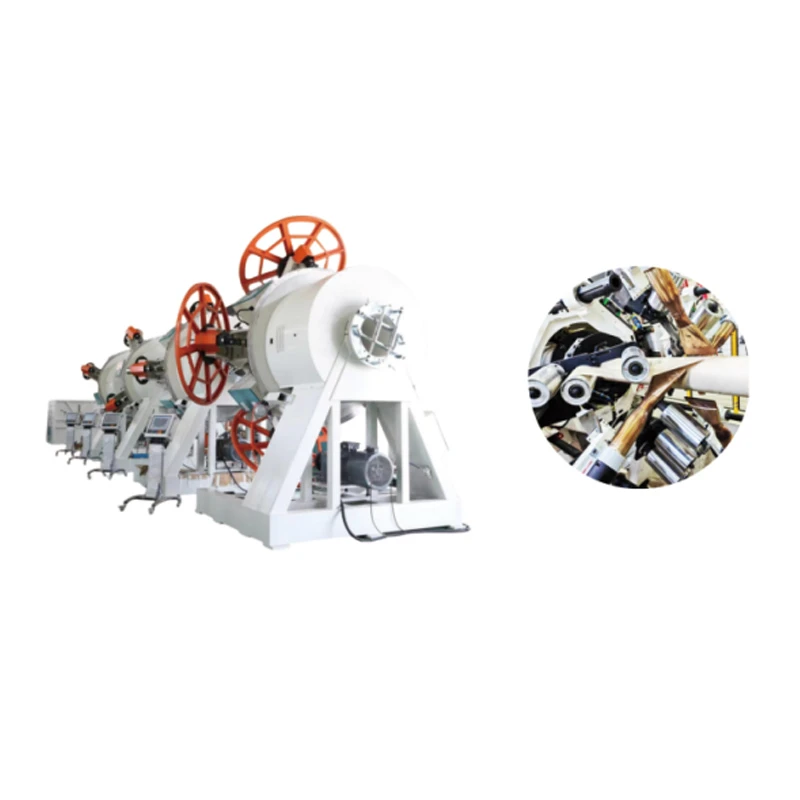
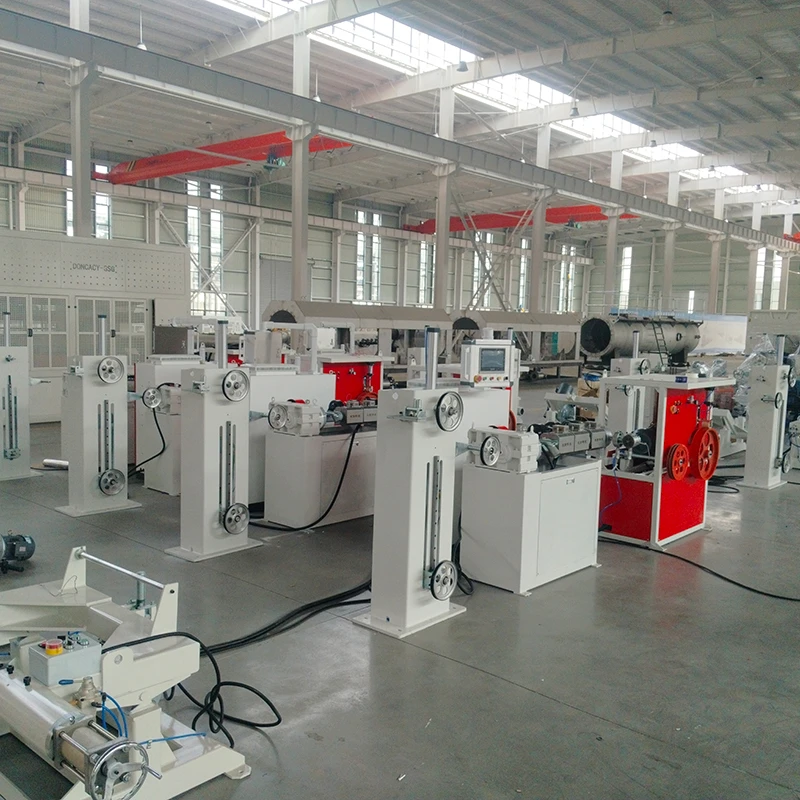
I’ve walked enough shop floors to know: two lines can look identical and still perform worlds apart. The High Speed Extrusion Production Line For PE PP-R/PP-RT/PP-B Pipes built in No. 26 Huzhou Road, Nanqiao District, Chuzhou City, Anhui Province, is one of those systems that—quietly—wins over skeptics. Not because of flashy marketing, but because operators keep saying, “it just runs.”
Industry snapshot and where the gains are
Trends are pretty clear: higher line speeds, tighter dimensional control, and smarter energy use. Utilities are pushing PE100/PE100-RC for gas and water; builders want PP-R/PP-RT for hot/cold plumbing; agriculture still leans on PE for irrigation. The surprise lately? Mid-size factories are investing in gravimetric dosing and inline measurement—features once reserved for the top tier. It seems that process data is becoming the new competitive moat.
Process flow (how the sausage—well, pipes—get made)
Materials: PE80/PE100/PE100-RC, PP-R (per ISO 15874), PP-RT (per ISO 22391), and PP-B blends. Methods: single-screw high L/D extrusion with spiral die heads; optional co-ex for 2–3 layers (UV cap, stripe, or adhesive sublayer). Cooling: vacuum sizing tanks + spray cooling; haul-off via multi-caterpillar units; chipless or planetary cutting; coiling or stacking. Testing: inline laser diameter/ovality, gravimetric mass-flow control, DSC/OIT sampling, hydrostatic samples per ISO 1167. Real-world service life? ≈50 years for water at 20°C (design-dependent), longer for conduit; gas lines follow specific MRS-based designs.
Key specifications (typical configuration)
| Product name | High Speed Extrusion Production Line For PE PP-R/PP-RT/PP-B Pipes |
| Pipe OD range | ≈16–315 mm (configurable; real-world selections vary) |
| Max line speed | Up to ≈25 m/min for small OD; large OD slower by design |
| Output | ≈250–450 kg/h (material and recipe dependent) |
| Dimensional tolerance | Diameter ±0.2 mm; ovality ≤1.5% (typical inline target) |
| Energy index | ≈0.28–0.35 kWh/kg (depends on OD, cooling water, and ambient) |
| Controls | PLC/HMI (Siemens-class), closed-loop gravimetric, recipe management |
| Standards | ISO 4427/4437 (PE), ISO 15874 (PP-R), ISO 22391 (PP-RT), ISO 1167 (hydrostatic) |
Applications and why buyers choose this tube production line
- Agriculture: PE irrigation laterals/driplines, durable in UV-capped multilayers.
- Building MEP: PP-R hot/cold, PP-RT for better high-temp creep resistance.
- City gas/water: PE100/PE100-RC SDR11–26 mains and services.
- Electrical conduit: smooth interior, consistent SDR improves pulling.
Advantages I keep hearing from operators: stable melt pressure, fewer diameter alarms, and cut lengths that are pleasantly on-spec. One plant manager told me scrap fell by “about two points” after upgrading—small number, big money.
Vendor comparison (summary view)
| Vendor | Speed & Control | Automation | After‑sales | Certifications |
|---|---|---|---|---|
| AHDC (Anhui) | High speed; closed‑loop gravimetric | Recipe, MES hooks, remote support | APAC/EU partners; on‑site commissioning | ISO 9001, CE machinery |
| Vendor B (import line) | Moderate; manual tuning | Basic HMI; limited data logging | Regional only | CE (varies by model) |
| Vendor C (EU brand) | High; premium options | Advanced analytics; pricey upgrades | Global; fast response | ISO 9001, CE, optional UL |
Customization and a quick field case
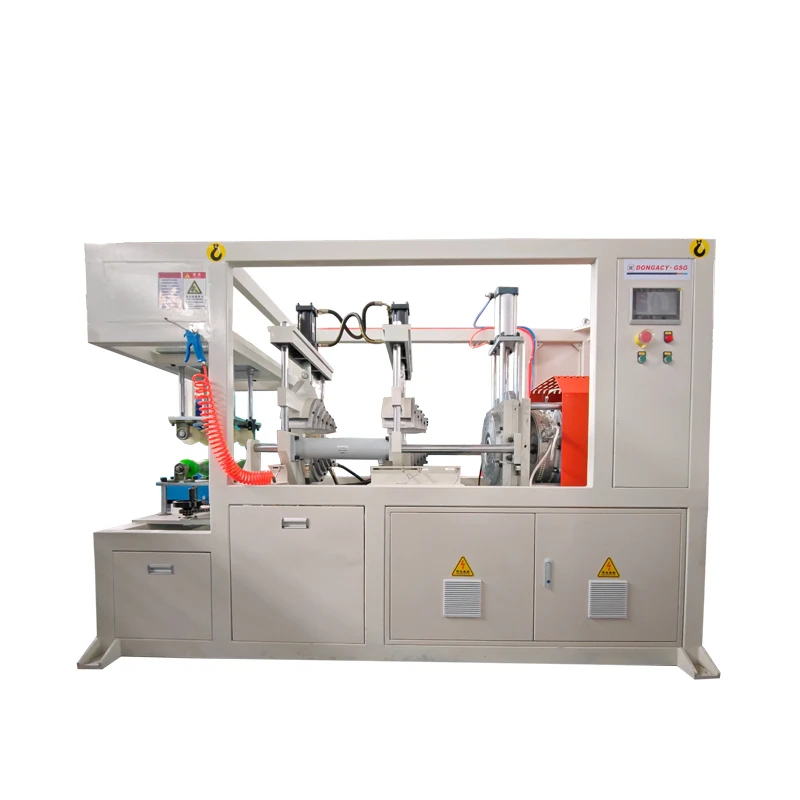
Custom modules include co-ex stripes, servo planetary cutter, dual vacuum tanks, on-the-fly belling, and inline ovality gauges. One city-gas utility switched to PE100 SDR11 63 mm on this tube production line; their FAT showed diameter CpK >1.67 and hydrostatic test passes at 80°C/165 h. Reported scrap dropped ≈1.8% month-over-month. Not glamorous, but the finance team noticed.
Quality, testing, and certifications
Compliance checkpoints: ISO 1167 hydrostatic testing, ISO 3127 impact, DSC/OIT for oxidative stability (ISO 11357-6), and dimensional checks per ISO 2505. Many customers say they value the paper trail—batch traceability plus downloadable run data. CE machinery compliance and ISO 9001 are standard; some buyers also ask for material traceability to ISO 4427 or ISO 15874 lots.
If you’re weighing a new tube production line, my two cents: prioritize closed-loop dosing, reliable cooling, and service. Speed is great, but repeatability pays the bills.
References
- ISO 4427 / ISO 4437: Polyethylene (PE) piping for water and gas. https://www.iso.org
- ISO 15874 (PP-R) and ISO 22391 (PP-RT) for hot and cold water installations. https://www.iso.org
- ISO 1167 (Hydrostatic pressure tests) and ISO 3127 (Impact). https://www.iso.org
-
High Efficiency PE Extrusion Line Guide for Plastic ManufacturingNewsApr.16,2026
-
High Speed Steel Wire Mesh HDPE Composite Pipe Production Line - Anhui Dongchai|High Automation&Energy EfficiencyNewsApr.13,2026
-
High Speed Steel Wire Mesh HDPE Composite Pipe Production Line - Anhui Dongchai|High Automation&Energy EfficiencyNewsApr.13,2026
-
Guide to Choosing High Efficiency ppr pipe extrusion machineNewsApr.09,2026
-
Comprehensive Guide to Modern Pipe Production Line Technologies and OptimizationNewsApr.07,2026
-
Choosing the Right Extrusion Pipe Machine for Optimal Plastic Pipe ProductionNewsApr.04,2026
-
Comprehensive Guide to PPR Pipe Extrusion Line Technology and ApplicationsNewsMar.31,2026


