
Tube Production Line market: what’s real, what’s hype, and what actually pays off
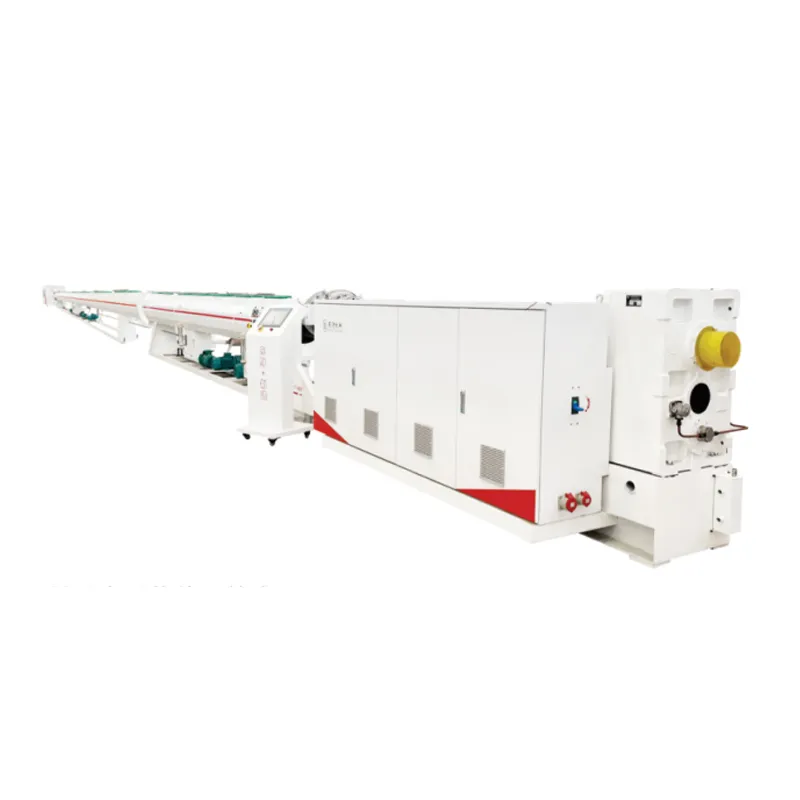
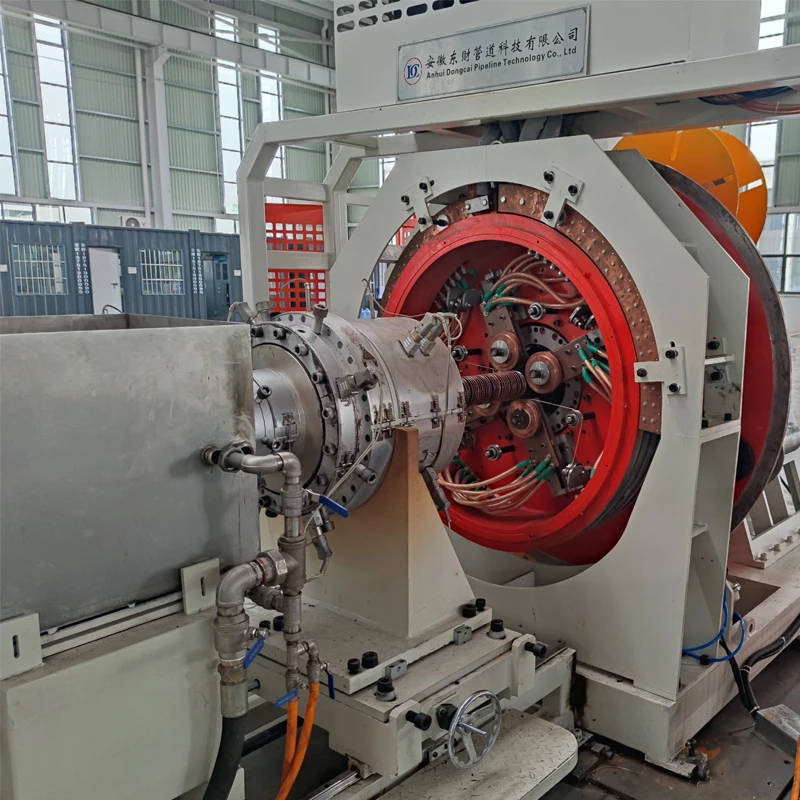
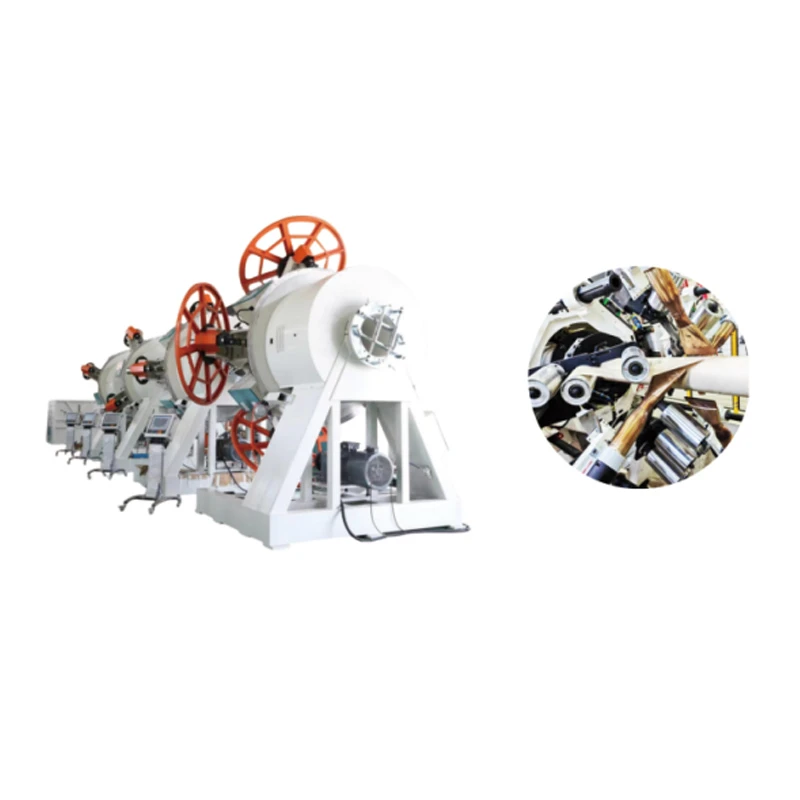
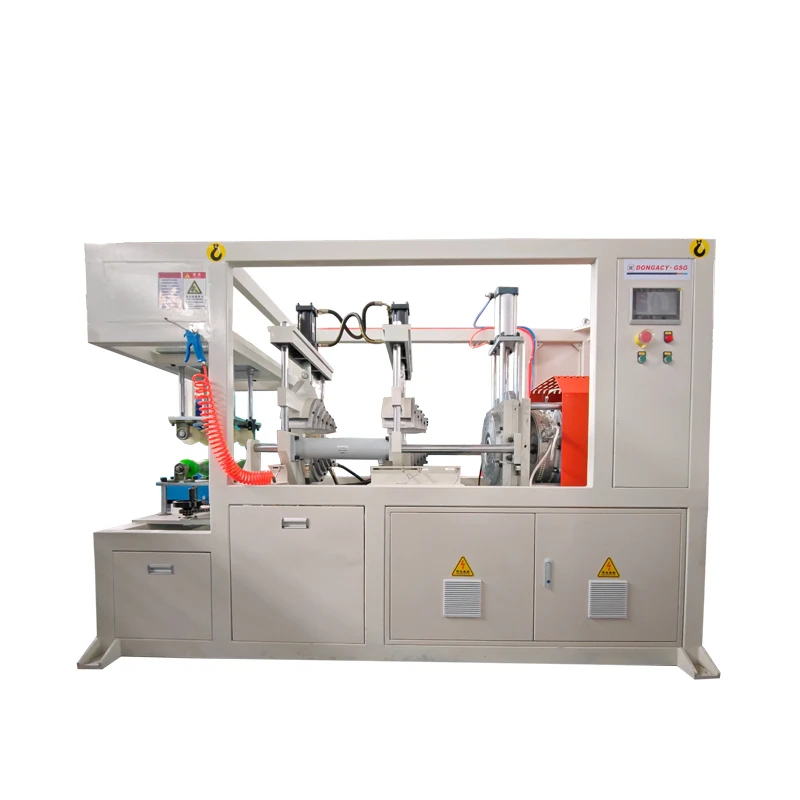
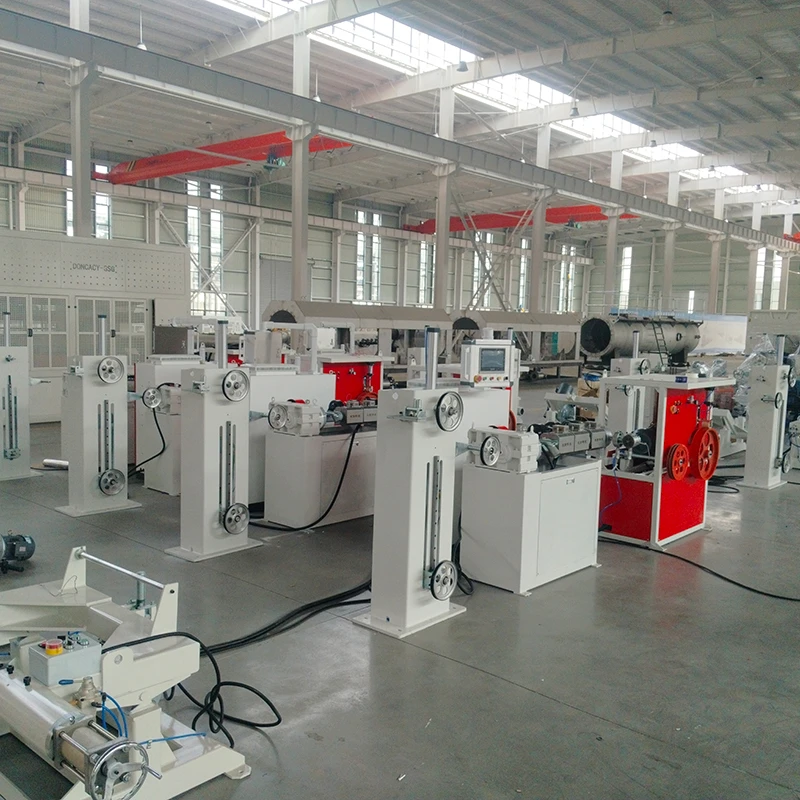
I’ve walked more extrusion halls than I can count, and the moment you see a Tube Production Line come up to speed—steady amperage, tight ovality, clean cut—you know whether it’s a keeper. Lately, the demand picture is clear: utilities and builders want higher speed, lower energy per kilogram, and traceable quality data. In fact, that’s where Anhui’s High Speed Extrusion Production Line for PE, PP‑R/PP‑RT/PP‑B Pipes has been getting attention.
Industry snapshot
Trend-wise, three things: tighter standards for gas/water networks, digital QA on the line, and multi-material flexibility (PE100, PP‑R, PP‑RT) without a day-long changeover. To be honest, uptime is the new currency—many customers say they’d trade 5% top speed for 1% more availability.
Where it’s used
Applications include agricultural irrigation, building water supply and drainage, city gas distribution, electrical conduit, and general industry. A well‑set Tube Production Line can cover OD ranges from micro-duct to municipal mains, with different die heads and calibration sleeves.
Process flow (real-world)
Materials: PE80/PE100 resins (ASTM D3350), PP‑R (random copolymer per ISO 15874), PP‑RT Type II. Methods: high‑speed single‑screw extrusion with grooved barrel and barrier screw; vacuum calibration; multi‑stage cooling; caterpillar haul‑off; chip‑free cutter; coiler/belling; inline laser diameter gauge and (optionally) ultrasonic wall-thickness scan. Testing: melt flow index, density, DSC, hydrostatic tests (ISO 1167), ovality and dimensional checks (ISO 4065). Service life: typically designed for ≈50 years under ISO design curves for water/gas networks—real-world use may vary with pressure/temperature profiles.
Product specifications (typical)
| Parameter | High Speed Extrusion Line (PE / PP‑R / PP‑RT) |
|---|---|
| Pipe OD Range | ≈ 16–315 mm (modules for other ranges) |
| Throughput | ≈ 250–600 kg/h depending on resin and screw |
| Line Speed | Up to 25 m/min for small OD; ≈1–6 m/min for large OD |
| Extruder | High‑speed single screw, L/D ≈ 38:1, energy‑optimized drive |
| Controls | PLC + HMI, gravimetric dosing, closed‑loop diameter control |
| Compliance | ISO 4427/4437 (PE water/gas), ISO 15874 (PP‑R), DIN 8077/8078 (PP) |
Advantages I’ve noticed
- Stable melt and fewer diameter “waves” on start-up—surprisingly rare.
- Quick changeovers between PP‑R and PP‑RT with minimal purging.
- Inline data logging for audits; utilities love the paper trail.
- Address: No. 26 Huzhou Road, Nanqiao District, Chuzhou City, Anhui Province (factory support matters).
Vendor comparison (snapshot)
| Metric | Anhui High‑Speed Line | Low‑Cost Line A | European Brand B |
|---|---|---|---|
| Energy (kWh/kg) | ≈ 0.26–0.32 | ≈ 0.35–0.45 | ≈ 0.24–0.30 |
| Inline QC options | Laser OD + ultrasonic WT | Basic OD only | Full suite |
| Certifications | ISO 9001, CE (machinery) | Often ISO only | ISO, CE, TÜV |
| Customization | High—die sets, tanks, recipe packs | Limited | High (at a price) |
Customization & QA
Common upgrades: belling station for drainage, multi‑pipe die for small OD, servo cutters, IEC 61386 conduit setups, and recipe libraries for PE100/PP‑R. QA packs typically include ISO 1167 hydro tests (e.g., 80°C for PP‑R at set hoop stress), dimensional logs, and ovality ≤1% for critical gas lines—your spec may differ.
Field notes and feedback
A Southeast Asian water utility reported start‑up scrap down ≈25% after switching; an electrical conduit maker told me the inline diameter loop cut manual tweaks by half. To be fair, results depend on resin and operator SOP, but the direction is consistent.
Compliance and safety
Tube Production Line deliverables should align with ISO 4427 (water), ISO 4437 (gas), ISO 15874 (PP‑R), and DIN 8077/8078 (PP). Machinery CE and ISO 9001 are standard; third‑party FAT/SAT by SGS or TÜV is increasingly requested.
References:
- ISO 4427: Polyethylene (PE) pipes for water supply.
- ISO 4437: Buried PE pipes for gaseous fuels.
- ISO 15874: Plastics piping systems for hot and cold water—PP.
- DIN 8077/8078: Polypropylene pipes—dimensions and requirements.
- ISO 1167: Thermoplastics pipes—resistance to internal pressure.
- ASTM D3350: PE pipe material classification.
-
High Efficiency PE Extrusion Line Guide for Plastic ManufacturingNewsApr.16,2026
-
High Speed Steel Wire Mesh HDPE Composite Pipe Production Line - Anhui Dongchai|High Automation&Energy EfficiencyNewsApr.13,2026
-
High Speed Steel Wire Mesh HDPE Composite Pipe Production Line - Anhui Dongchai|High Automation&Energy EfficiencyNewsApr.13,2026
-
Guide to Choosing High Efficiency ppr pipe extrusion machineNewsApr.09,2026
-
Comprehensive Guide to Modern Pipe Production Line Technologies and OptimizationNewsApr.07,2026
-
Choosing the Right Extrusion Pipe Machine for Optimal Plastic Pipe ProductionNewsApr.04,2026
-
Comprehensive Guide to PPR Pipe Extrusion Line Technology and ApplicationsNewsMar.31,2026


