
What Makes Extrusion Equipment Manufacturers So Crucial Today?
Have you ever wondered where the plastic frames around your window or that intricate pipe came from? Chances are some reliable extrusion equipment manufacturers played a big part in making those parts possible. In essence, these manufacturers create the machines that shape raw materials into everything from construction materials to medical tubing — shaping industries globally and quietly powering much of modern manufacturing.
But it’s more than just making things. At a global scale, they represent a fusion of engineering, innovation, and supply chain resilience that affects everything from infrastructure projects in developing regions to sustainable packaging solutions everywhere. Given today’s push toward greener materials and faster, more cost-effective production methods, understanding what extrusion equipment manufacturers do and why they matter might just be surprisingly enlightening.
Introduction: Examining the Global Footprint of Extrusion Equipment Manufacturers
You see, extrusion isn't a niche industry. According to the International Organization for Standardization (ISO), extrusion processes make up a significant portion of world plastics and metal fabrication output1. The global plastic extruders market alone was valued at over $10 billion in 2023, with Asia-Pacific, Europe, and North America driving demand.
As industries scramble to meet sustainability goals and rapid urbanization fuels demand for materials, extrusion equipment manufacturers become pivotal. The challenge is twofold — how to produce durable parts efficiently while maintaining flexibility for different material types and complex profiles. This duality has placed extrusion at the intersection of innovation and necessity.
On the humanitarian side, extrusion technologies have helped produce disaster relief shelters and water pipes in under-resourced areas. So, when resources are stretched, extrusion equipment manufacturers deliver. They’re like unsung heroes.
Defining Extrusion Equipment Manufacturers in Everyday Terms
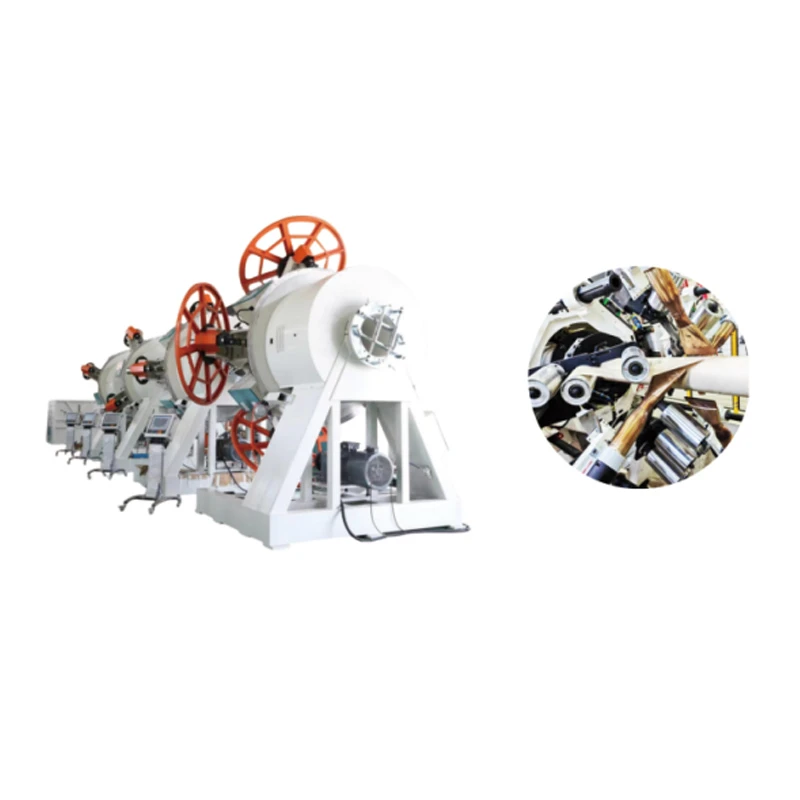
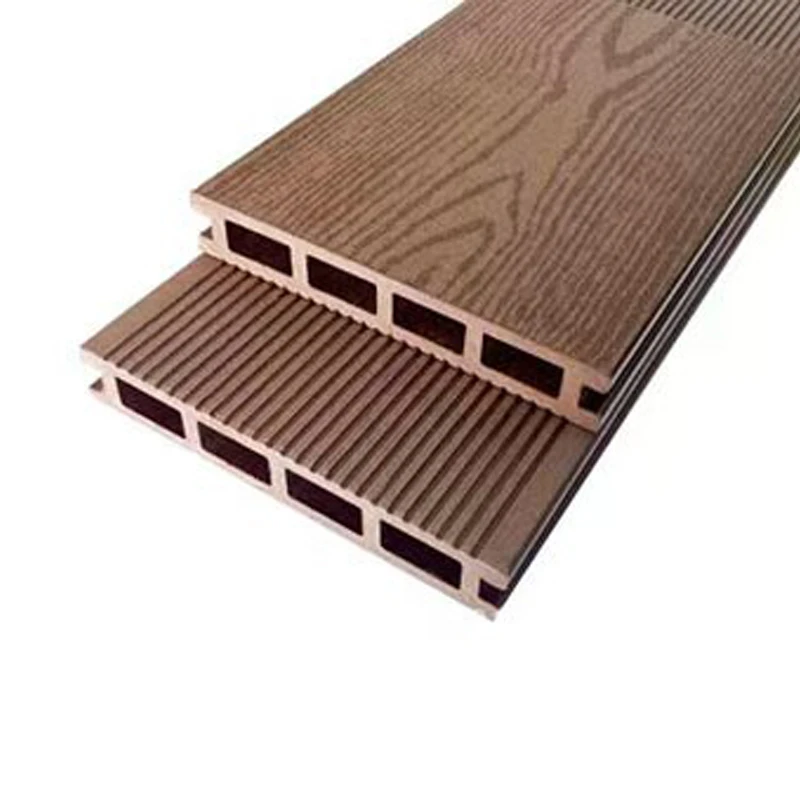
Straightforwardly, extrusion equipment manufacturers design and build machines that push or pull raw materials (usually plastic, metal, or composite) through a die to form continuous profiles with a consistent cross-section. Imagine squeezing toothpaste out of its tube but with precision and force that transforms raw resin pellets into window trims, tubing, or decking materials.
In modern industries, these manufacturers don’t just sell machines — they often innovate dies, control systems, and quality assurance techniques that adapt to shifting market demands. Occasionally, these innovations help meet urgent needs, like rapidly deploying modular construction materials or producing biodegradable packaging.
Key Factors Driving the Extrusion Equipment Industry
1. Durability and Robust Design
Extrusion machines endure high temperatures and pressures for long shifts — sometimes 24/7. Manufacturers focus heavily on solid components: heavy-duty screws, resilient barrels, and wear-resistant tooling. If any of these give way, it’s production downtime and lost contracts, so robustness isn’t just a nice-to-have; it’s business-critical.
2. Scalability to Different Production Volumes
From small batches for R&D to mass production in industrial plants, extrusion equipment has to be versatile. Many manufacturers offer modular designs that can ramp up speeds or adapt to various output sizes without complete overhauls. That’s a selling point that often sways industrial buyers.
3. Cost Efficiency Through Energy and Material Optimization
Energy consumption is often the hidden villain in extrusion operations. Modern equipment aims to minimize power draw, recycle heat, and reduce material scrap. Innovations, like servo-driven motors and inline monitoring systems, help manufacturers brag about lower running costs — an irresistible proposition when margins are razor-thin.
4. Customization and Automation
Not all extrusion projects are cookie-cutter. Whether it’s unique die designs or multi-layer co-extrusion lines, manufacturers must tailor machines. Automation integration for process controls, sensors, and AI-based optimization tools is becoming standard. It's kind of like giving these old-school mechanical beasts an intelligent upgrade.
5. Environmental Sustainability
With plastics and metals under scrutiny, extrusion equipment manufacturers are pushing greener materials like bio-polymers and recycled feedstocks. Machines also adapt to lower-energy settings and use smarter, less wasteful processes — a subtle yet key part in a bigger global sustainability puzzle.
- Mini takeaway: Durability, scalability, cost, customization, and sustainability are the backbone factors extrusion equipment manufacturers juggle daily.
Global Applications: Where and How Extrusion Equipment Comes to Life
The reach of extrusion equipment stretches astonishingly broad:
- Construction: Extruded profiles in window frames, gutters, and insulation materials power building projects from Tokyo to Toronto.
- Healthcare: Medical tubing and catheters produced via extrusion have to meet strict regulations globally.
- Packaging Industry: Flexible films and rigid containers made by extrusion help reduce waste and enhance product shelf life.
- Disaster Relief: In recent Pacific cyclone recovery efforts, extruded pipes and quick-deploy housing components supported rebuilding.
- Remote Industrial Zones: Modular conduits and protective sheathing produced locally have eased maintenance in harsh climates like Siberia and Alaska.
So, whether it’s a factory floor in Germany or a relief camp in Mozambique, extrusion equipment manufacturers underpin a vast range of practical uses.
Advantages and Long-Term Value of Quality Extrusion Equipment
Look beyond the technical specs, and the advantages grow more tangible:
- Cost Savings: Reduced material waste plus energy-efficient operations lower operational expenses.
- Social Impact: Faster production of housing materials and water pipes improves health and safety in vulnerable regions.
- Reliability and Peace of Mind: Buyers trust durable equipment that keeps factories humming without surprise breakdowns.
- Innovation Boost: Continuous development encourages better products and fosters environmental responsibility.
Frankly, investing in good extrusion equipment feels a bit like investing in trust and future-proofing: these machines don’t just produce; they deliver stability and opportunity.
Product Specification Table: Typical Extrusion Line Overview
| Specification | Detail |
|---|---|
| Screw Diameter | 45 - 90 mm |
| Max Output Capacity | 150 - 1000 kg/hr |
| Temperature Range | Up to 400°C |
| Drive System | Servo Motor |
| Automation Level | Semi to Fully Automated |
| Material Compatibility | PVC, PE, PP, Bioplastics, Metals |
Comparing Leading Extrusion Equipment Manufacturers
| Vendor | Strengths | Customization | Global Reach |
|---|---|---|---|
| Alpha Extrusion | High durability, energy-efficient drives | Moderate | Europe, Asia |
| BetaLine Systems | Advanced automation, user-friendly controls | High | North America, Europe, Middle East |
| Gamma Tech | Eco-friendly material support, quick setup | Variable | Asia-Pacific, Africa |
Future Trends and Innovations in Extrusion Equipment
Look, the extrusion world is buzzing. First, green energy integration is making waves: solar-powered extrusion lines and waste-heat reuse systems are slowly emerging from pilot projects into practical deployment. Digital transformation is huge too — with sensors and AI becoming common for predictive maintenance and real-time optimization. This means less downtime and finer product quality, which pleases plant managers endlessly.
Bioplastics and hybrid composite materials are also forcing manufacturers to rethink tooling and temperature controls. It's not just about squeezing plastic anymore; it’s about squeezing new possibilities from materials once deemed exotic.
Challenges That Manufacturers Face and How They’re Overcome
Challenges? Plenty. One big one is maintaining quality while running multiple material types, especially with recycled or bio-based resins that behave differently than virgin plastics. Then there’s the capital cost — high-end extrusion lines can be prohibitively expensive upfront, a heavy hit for smaller operations.
Solutions? Many manufacturers now offer leasing models or modular line components so companies can grow into capacity. Plus, advanced simulation software helps engineers design better dies and process parameters before physical runs. That’s saving a lot of trial-and-error headaches and wasted materials.
FAQs About Extrusion Equipment Manufacturers
- Q: What qualities should I look for when selecting extrusion equipment manufacturers?
A: Prioritize durability, energy efficiency, and customization options. Also, check their after-sales support and global service network to ensure smooth operations. - Q: How adaptable are extrusion machines to new, eco-friendly materials?
A: Many modern manufacturers design flexible systems compatible with bioplastics and recycled feedstocks, often with modular heating zones and programmable controls. - Q: Can extrusion lines be integrated with automation and AI systems?
A: Yes, most leading manufacturers now feature options for full automation, including AI-based predictive maintenance and quality control tools. - Q: What’s the typical lead time for custom extrusion equipment?
A: Depending on complexity, it varies from 8 to 20 weeks. Fast-track options exist but often carry extra costs. - Q: How do extrusion equipment manufacturers support disaster relief efforts?
A: By providing portable or quickly deployable extrusion setups capable of producing water pipes, shelter components, and insulation locally.
Wrapping Up: Why Extrusion Equipment Manufacturers Deserve Attention
To sum it up, extrusion equipment manufacturers play a crucial, often behind-the-scenes role in shaping the modern industrial and humanitarian landscape. Their machines bring materials to life, propel innovation in sustainability, and help communities rebuild quickly in crises.
If you’re exploring partnerships or solutions in this area, it’s worth diving deeper into the options from extrusion equipment manufacturers. With innovation accelerating and global needs evolving, staying informed isn’t just smart — it’s essential.
So next time you see a plastic profile or pipe, remember there’s a complex world of extrusion technology making it happen, quietly but powerfully.
References
- International Organization for Standardization (ISO) – Industrial Processes
- World Bank Data – Manufacturing and Industrial Output
- Wikipedia – Extrusion
-
High Efficiency PE Extrusion Line Guide for Plastic ManufacturingNewsApr.16,2026
-
High Speed Steel Wire Mesh HDPE Composite Pipe Production Line - Anhui Dongchai|High Automation&Energy EfficiencyNewsApr.13,2026
-
High Speed Steel Wire Mesh HDPE Composite Pipe Production Line - Anhui Dongchai|High Automation&Energy EfficiencyNewsApr.13,2026
-
Guide to Choosing High Efficiency ppr pipe extrusion machineNewsApr.09,2026
-
Comprehensive Guide to Modern Pipe Production Line Technologies and OptimizationNewsApr.07,2026
-
Choosing the Right Extrusion Pipe Machine for Optimal Plastic Pipe ProductionNewsApr.04,2026
-
Comprehensive Guide to PPR Pipe Extrusion Line Technology and ApplicationsNewsMar.31,2026


