
PP Extruder Machine: Tried, Tested, and Trusted in Industrial Use
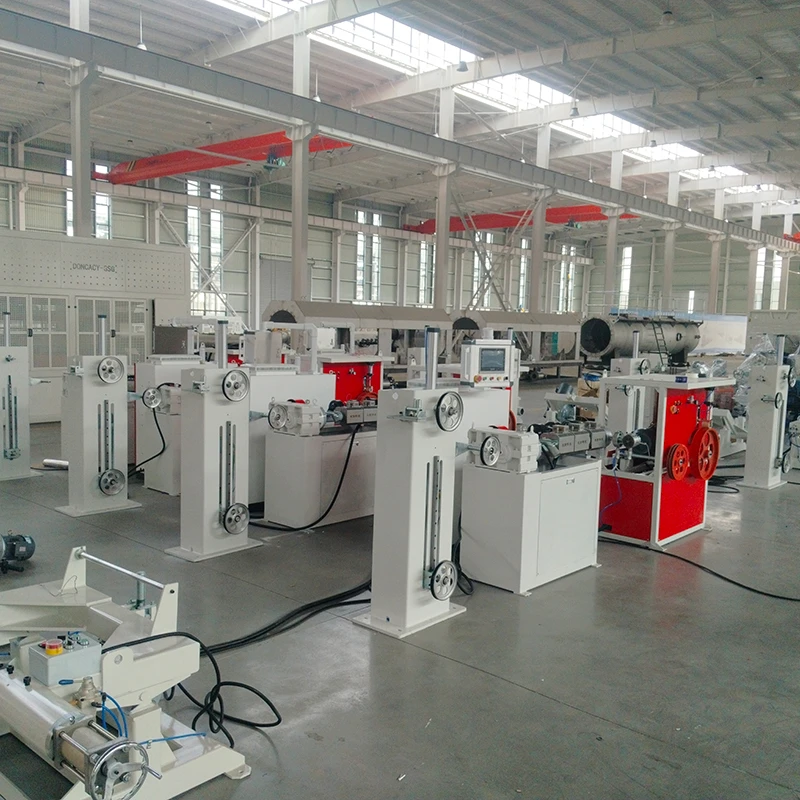
Having spent a good chunk of my career in the industrial equipment sector, I’ve seen my fair share of pp extruder machine models come and go. But here’s the thing – some just stick around because they deliver real, reliable performance. Polypropylene (PP) extrusion isn’t the flashiest part of plastic manufacturing, but it’s fundamental. It’s all about turning raw polypropylene pellets into sheets, pipes, or profiles with consistent quality and efficiency. And frankly, the extruder machine you choose can make or break production.
Now, if you’re diving into this world, you might want to check out pp extruder machine options firsthand — they’ve been on my radar for delivering solid machines that don’t just talk but walk the talk on the floor.
The reason polypropylene extrusion matters so much is partly because PP is so versatile—from automotive parts to packaging, its applications are everywhere. So the extruder machine has to handle different formulations and still keep runs consistent. I've noticed that machines with a robust screw design and precise temperature control tend to outperform others when processing PP, especially when filled with additives or recycled content, which is increasingly common in today’s eco-conscious factories.
Oddly enough, some people underestimate the importance of screw configuration. Years ago, at a mid-sized plant, I witnessed engineers fiddle endlessly with extruders that couldn’t be dialed in properly. A simple switch to a well-designed screw profile significantly reduced thermal degradation and improved output quality. It was a small change with a big impact on waste reduction – always a win.
| Specification | Details |
|---|---|
| Screw Diameter | 45 mm to 120 mm |
| Output Capacity | 80–500 kg/hr |
| Motor Power | 15 kW to 75 kW |
| Temperature Zones | 4 to 6 independently controlled zones |
| Control System | PLC with touchscreen interface |
| Optional Add-ons | Vacuum degassing, feeding system, automated lubrication |
Customization is another interesting angle. When a client approached me last year, they needed an extruder tuned to process PP mixed with up to 30% recycled content. Typical machines struggled—blockages, inconsistent melt viscosity, and surface imperfections showed up frequently. But by tweaking the screw geometry and upgrading the vacuum venting system, the machine not only kept running smoothly but also improved throughput by nearly 15%. It’s those kinds of stories that remind me how vital it is to pick equipment thoughtfully rather than just off-the-shelf standard.
In terms of vendors, the landscape is pretty varied. Here’s a quick comparison I put together, to give you a sense of who offers what. It’s based on feedback from various plants I’ve visited coupled with spec sheets and my own observations. Naturally, budgets and specific needs influence choices, but having this overview might save you a few headaches.
| Vendor | Build Quality | Customization | After-sales Support | Price Range |
|---|---|---|---|---|
| AHDC11 | Excellent – robust components, high-grade steel | Wide options, including screw designs and automation | Responsive, extensive field service network | Mid to high-end |
| Vendor B | Good, some plastic components | Limited to basic configurations | Standard warranty, minimal field visits | Budget-friendly |
| Vendor C | Premium build, very robust | Highly customizable, costlier options | Excellent support, training included | High-end |
That said, selecting a PP extruder machine is more than specs on paper. It’s about the partnership behind the product — the vendor’s willingness to adapt, respond, and keep your lines moving. In my experience, it’s way too common to see factories stuck with machines that no longer meet evolving demands, simply because they picked the cheaper, less-supported option initially.
In real terms, if you’re serious about PP extrusion, think long term: invest in quality screw design, temperature zoning, and vendor support. And maybe you’ll avoid those frustrating production stops that feel so familiar to those of us who've been in the trenches.
Anyway, it feels like the more this industry advances, the more crucial it becomes to lean on proven equipment and experienced partners. Because at the end of the day, a reliable pp extruder machine is not just a piece of hardware—it’s sort of the heart of your polymer processing at the factory.
References:
- Plastics Technology Magazine – Extruder Screw Design Insights
- Industry Plant Visit Reports, 2021–2023
- Vendor Specification Sheets and User Feedback, 2023
-
High Efficiency PE Extrusion Line Guide for Plastic ManufacturingNewsApr.16,2026
-
High Speed Steel Wire Mesh HDPE Composite Pipe Production Line - Anhui Dongchai|High Automation&Energy EfficiencyNewsApr.13,2026
-
High Speed Steel Wire Mesh HDPE Composite Pipe Production Line - Anhui Dongchai|High Automation&Energy EfficiencyNewsApr.13,2026
-
Guide to Choosing High Efficiency ppr pipe extrusion machineNewsApr.09,2026
-
Comprehensive Guide to Modern Pipe Production Line Technologies and OptimizationNewsApr.07,2026
-
Choosing the Right Extrusion Pipe Machine for Optimal Plastic Pipe ProductionNewsApr.04,2026
-
Comprehensive Guide to PPR Pipe Extrusion Line Technology and ApplicationsNewsMar.31,2026


