
Nov . 11, 2025 23:30
Back to list
Reliable Polyethylene Pipe Production Line for Industrial Use
Understanding the Polyethylene Pipe Production Line: A Veteran’s Take
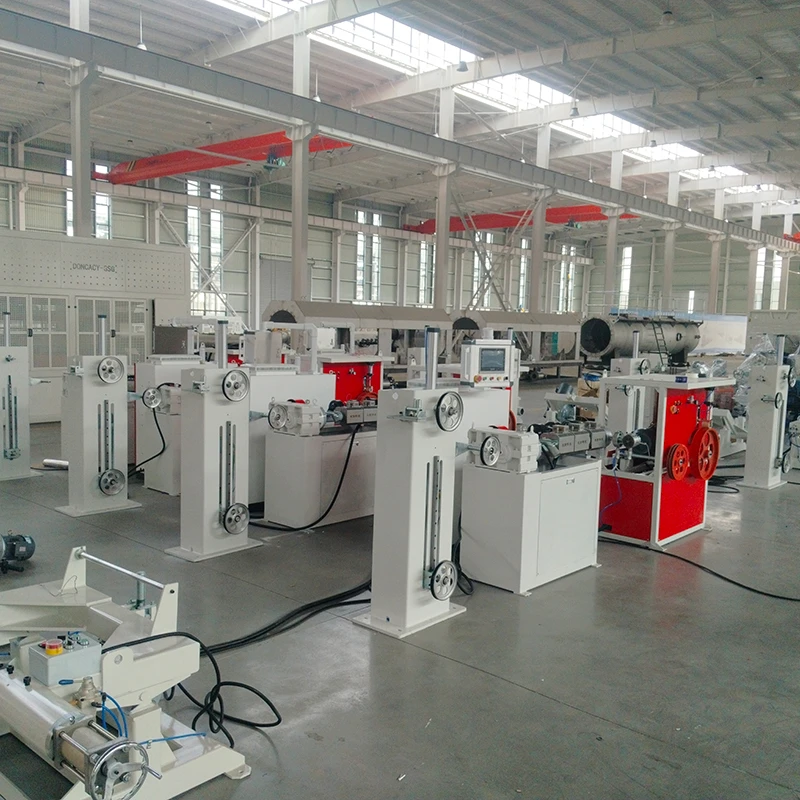
If you’ve been around industrial equipment like I have, you’ll know that choosing the right polyethylene pipe production line isn’t just about specs on paper. It’s about reliability, consistency, and knowing that the system can handle the pressures—literally—of high-demand environments. Polyethylene (PE) piping, especially high-density variants (HDPE), has become the backbone of countless infrastructure projects—from water supply to gas distribution. And frankly, the production line that builds these pipes is just as critical as the pipes themselves. Over years in the plant, I’ve seen how little tweaks in the extrusion process can make the difference between a flawless run and a headache-inducing shutdown. What struck me early on is how integral the polyethylene pipe production line is in driving productivity and quality. Behind that big machine hum lies a world where temperature control, screw designs, and die heads align in a delicate dance.Key Components and What Makes This Line Stand Apart
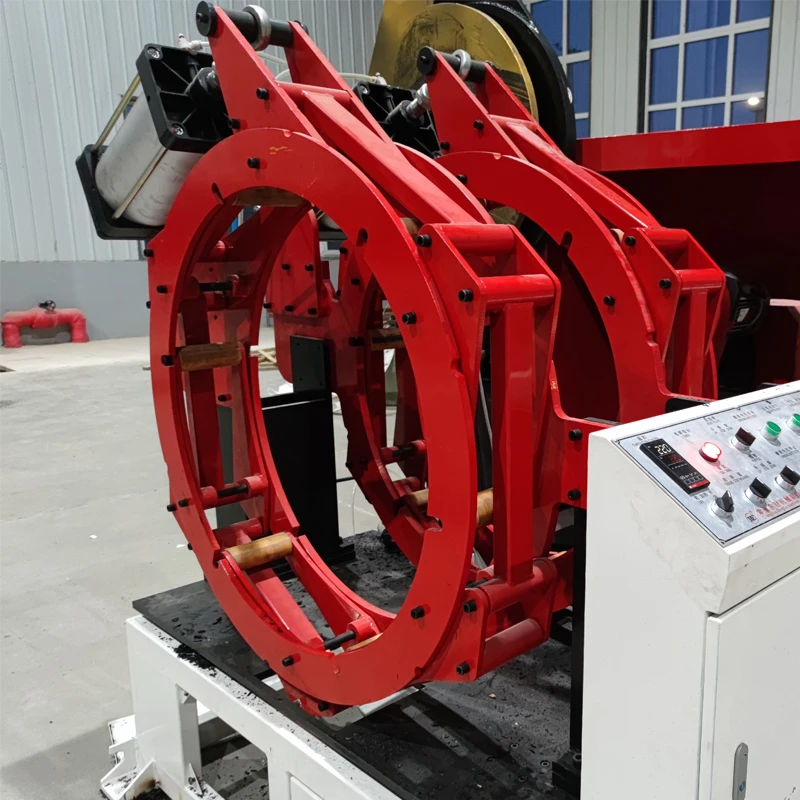
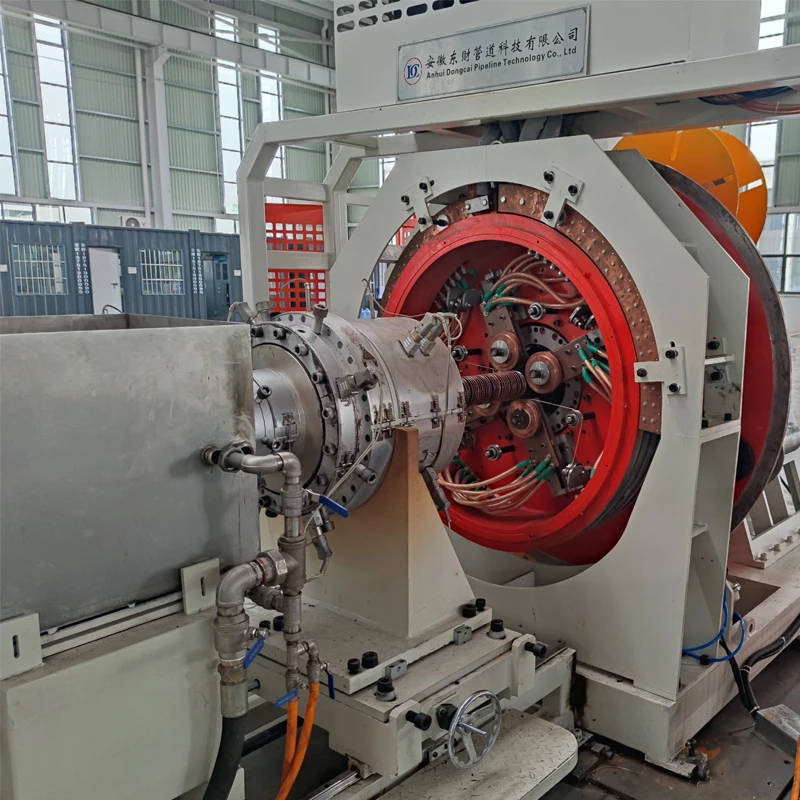
At its core, the line uses a pipe extrusion machine fitted with a high-performance screw assembly, precisely designed to melt and mix raw PE pellets into a homogeneous molten stream. This stream then passes through a specialized die to take shape, guided by sizing calibrators and cooled carefully by water tanks and vacuum systems. But there’s more than meets the eye. It’s the details—the variable speed drives, the user-friendly PLC systems, and the sturdy calibration frames—that tend to get engineers excited. I remember one project where the line’s automated thickness control saved us hours of manual intervention and material wastage. Not all lines have that level of smart integration yet.| Specification | Value |
|---|---|
| Pipe Diameter Range | 20mm to 630mm |
| Production Capacity | Up to 600kg/h |
| Screw Diameter | 65mm/90mm/110mm options |
| Material Compatibility | PE, HDPE, MDPE |
| Control System | PLC + Touchscreen HMI |
Comparing Industry Vendors: What’s Out There?
There’s no shortage of manufacturers offering polyethylene pipe lines, but the nuances in after-sale service, customization options, and technological innovation can make your decision tricky. From personal experience, it’s worth digging deeper than just the initial quote. Here’s a rough comparative glance at three typical options I’ve seen clients weigh between:| Vendor | Customization | Automation Level | Price Range | Support & Warranty |
|---|---|---|---|---|
| AHDC (link) | High (tailored screw & die) | Advanced (auto calibration) | $$$ | 3 Years with remote diagnostics |
| Generic Brand A | Basic (standard modules) | Manual adjustments | $ | 1 Year, phone support only |
| Premium Equip Co. | Medium (some custom parts) | Semi-automated | $$$$ | 5 Years, onsite visits included |
Why This Matters: Real-World Usage and Customer Impressions
One thing you quickly learn is that no two pipe production lines are exactly alike in practice. For one client I worked with, shifting from a lower-end line to a more advanced system improved pipe extrusion uniformity by roughly 15%. That might sound modest but when you’re cranking out thousands of meters per day, those improvements pay off in lower rejects and higher customer satisfaction. Also, installation and commissioning support can’t be overstated. Some vendors just ship the gear and leave you hanging; AHDC, for instance, was on site during start-up, rolling up their sleeves. It totally changed how quickly the team found their footing. The polyethylene materials themselves are forgiving, sure, but the equipment needs to be dialed-in. This kind of line offers just that—precision, flexibility, and future-proofing for slight formula changes or size shifts. It’s a complex ecosystem, and this production line feels like one of the better-tuned machines you’ll meet in the market.Final Thoughts on Choosing a Polyethylene Pipe Production Line
If you’re in the market, watch for lines that blend robust hardware with smart controls, and of course, stellar support. Sometimes the cheapest route is more costly in downtime and headaches. It pays dividends to think of your production line as a long-term partner, not just a machine. There’s nuance here, and oddly enough, no line is perfect for every scenario. But the right polyethylene pipe production line? It turns the chaos of extrusion into a well-oiled process that keeps your orders on time and your clients happy. And as someone who’s seen the ups and downs over decades, I can say that sort of reliability — that peace of mind — is rare and worth chasing.References & musings:
- Personal experience at pipe extrusion facilities across three continents.
- Technical whitepapers from industry leaders on PE pipe extrusion nuances.
- Client reports highlighting operational gains after line upgrades.
Related products
Latest news
-
High Efficiency PE Extrusion Line Guide for Plastic ManufacturingNewsApr.16,2026
-
High Speed Steel Wire Mesh HDPE Composite Pipe Production Line - Anhui Dongchai|High Automation&Energy EfficiencyNewsApr.13,2026
-
High Speed Steel Wire Mesh HDPE Composite Pipe Production Line - Anhui Dongchai|High Automation&Energy EfficiencyNewsApr.13,2026
-
Guide to Choosing High Efficiency ppr pipe extrusion machineNewsApr.09,2026
-
Comprehensive Guide to Modern Pipe Production Line Technologies and OptimizationNewsApr.07,2026
-
Choosing the Right Extrusion Pipe Machine for Optimal Plastic Pipe ProductionNewsApr.04,2026
-
Comprehensive Guide to PPR Pipe Extrusion Line Technology and ApplicationsNewsMar.31,2026


