
Inside the Modern PVC Profile Game: What Matters (and What Doesn’t)
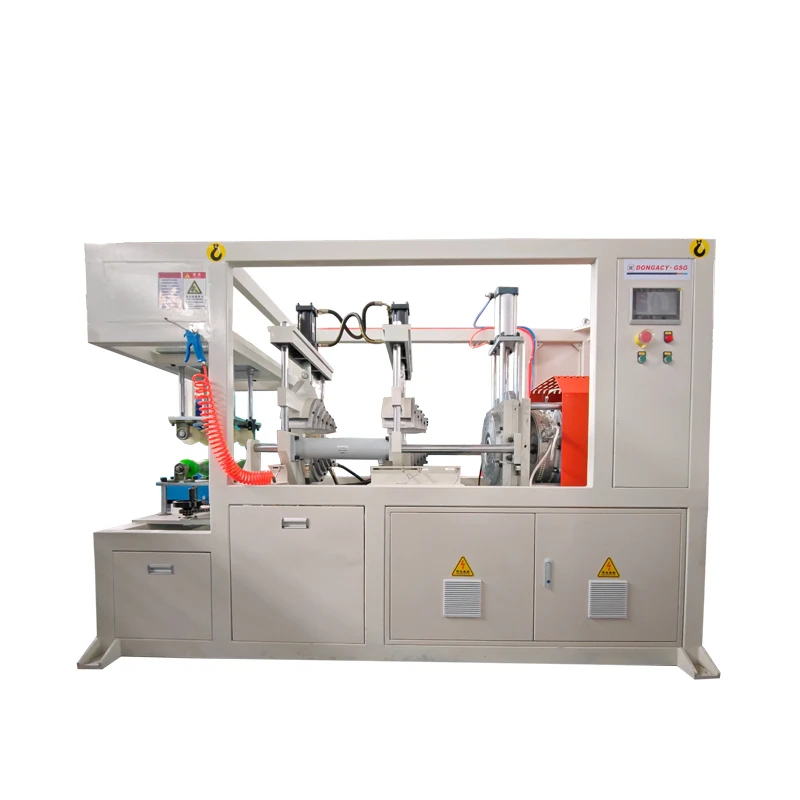
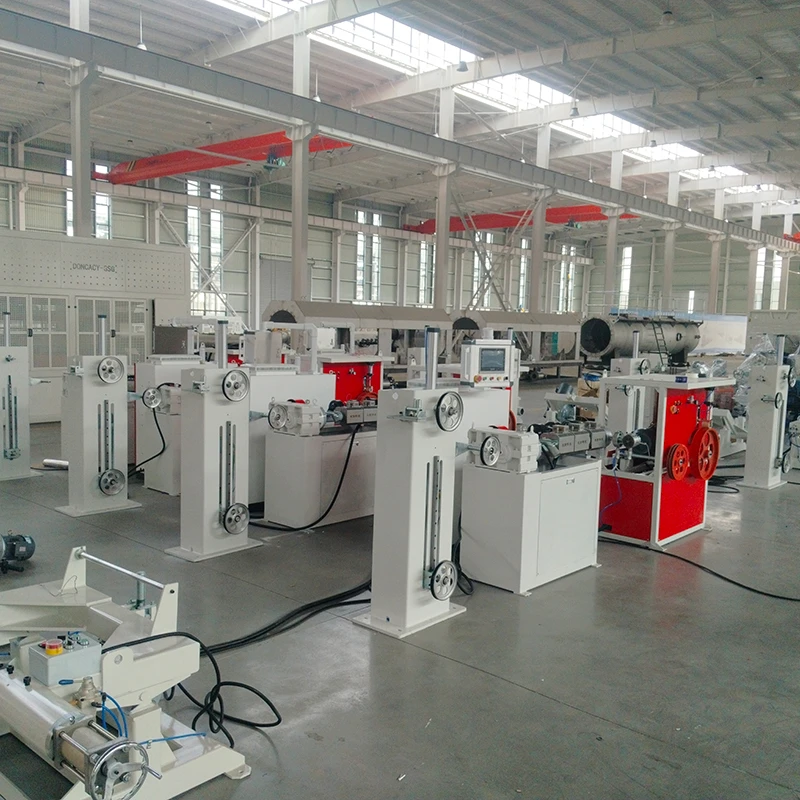
If you’re comparing a pvc profile production line today, you’ll notice the conversation has shifted—from “Can it run?” to “How efficiently, how cleanly, and how adaptable?” In fact, that’s been the recurring theme I hear from plant managers across construction, furniture, and even automotive interiors. The Extrusion Production Line For Profiles And Plates from Anhui (No. 26 Huzhou Road, Nanqiao District, Chuzhou City) is one of those quietly optimized systems: uniform plasticization, high output, and a service life that, frankly, outlasts many budgets.
Industry snapshot: automation + materials circularity
Trends? Three stand out. First, smarter extrusion—closed-loop control and tighter temperature zoning. Second, more recycled PVC inputs without sacrificing surface quality (trickier than it sounds). Third, energy per kilogram is now a KPI. Many customers say they’ve trimmed 8–15% kWh/kg with newer drives and barrel heating. To be honest, operators care about uptime even more, and this is where stable vacuum sizing and consistent haul-off torque make or break a week’s schedule.
Typical specs (real-world use may vary)
| Extruder | Conical twin-screw (e.g., SJSZ-65/132, SJSZ-80/156 ≈) |
| Output | ≈ 180–420 kg/h (PVC-U profiles); ≈ 250–600 kg/h (plates) |
| L/D & Screw | Optimized for PVC plasticization; nitrided alloy steel, depth ≈0.5–0.7 mm |
| Width/Thickness | Profiles: multi-cavity; Plates: up to ≈ 1220–2050 mm, 1–20 mm |
| Cooling & Sizing | Vacuum calibration tables, closed-loop water circuits |
| Control | PLC + HMI, multi-zone PID barrel temp, data logging |
| Energy | ≈ 0.28–0.42 kWh/kg (profiles), depending on recipe and line speed |
| Service life | Core line ≈ 10–15 years with routine maintenance; wear parts per usage |
Process flow: from powder to profile/plate
-
- Materials: PVC-U or PVC-P with stabilizers, impact modifiers, lubricants, pigments; optional ASA co-extrusion for UV skins.
- Feeding & Melt: gravimetric dosing → conical twin-screw → uniform plasticization (the company emphasizes this).
- Die & Calibration: profile/plate die → vacuum sizing tank(s) for dimensional stability.
- Cooling & Haul-off: multi-pass water cooling → caterpillar haul-off for steady traction.
- Cutting & Stacking: flying saw or guillotine; for plates, edge trimming and stacker.
- QC & Testing: tensile/impact per ISO 527/ISO 178/ASTM D638; dimensions via inline gauges; surface gloss checks.
Testing standards commonly referenced: ISO 527 (tensile), ISO 178 (flexural), ASTM D638, and for machinery safety EN 1114-1 plus CE conformity to the Machinery Directive. Typical extrusion line uptime reported: 92–96% in steady two-shift production, with scrap ≈ 1.5–3.5% (depends on geometry and operators).
Where it’s used
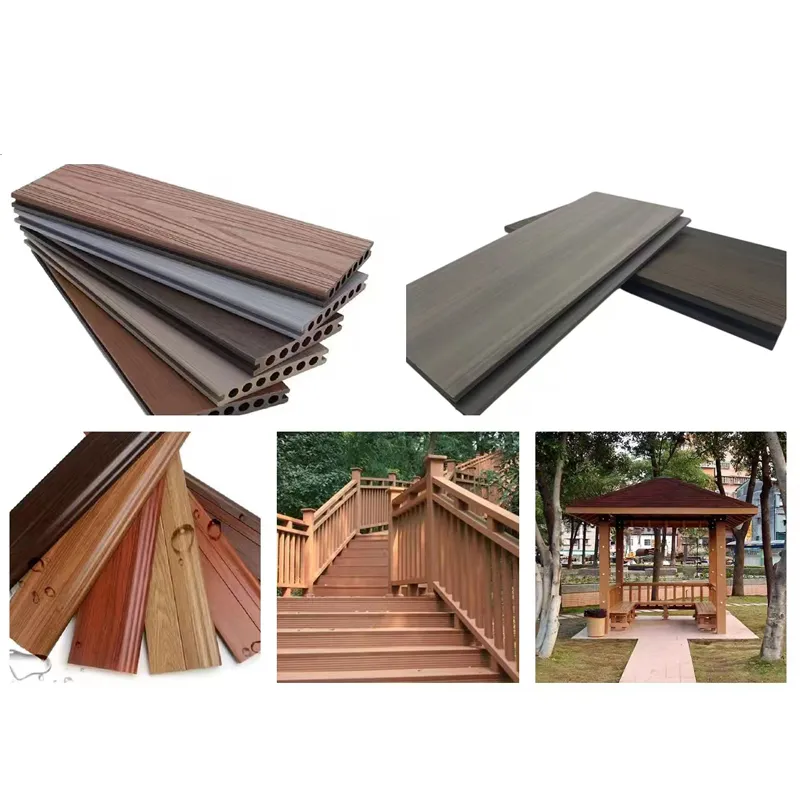
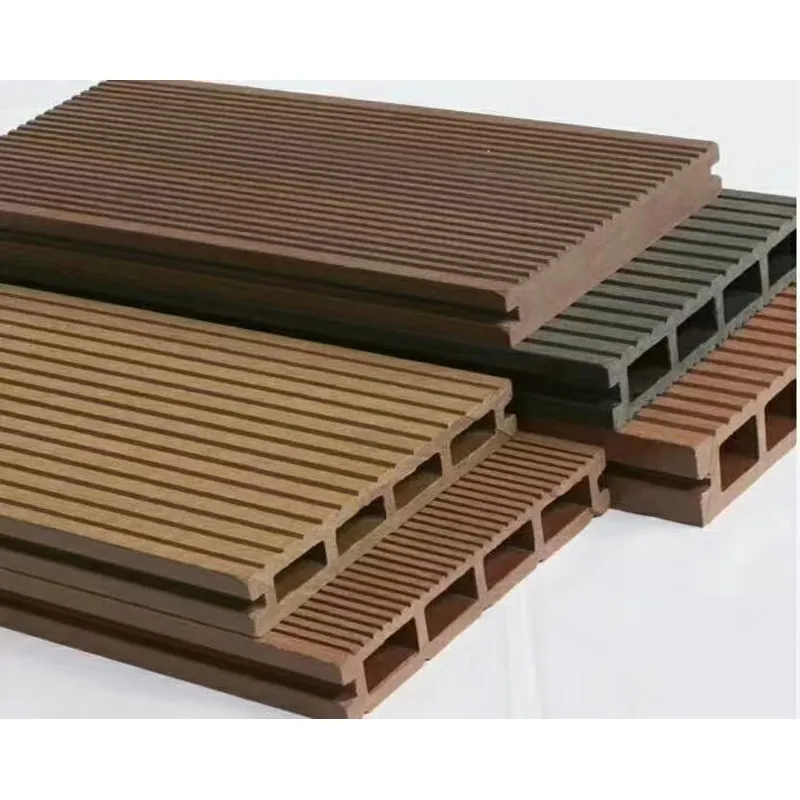
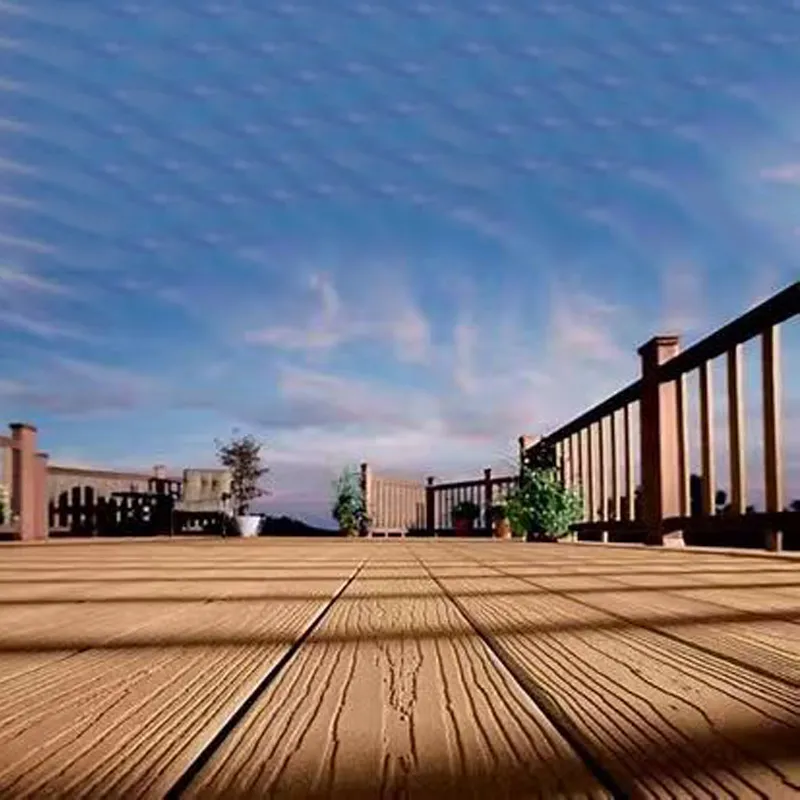
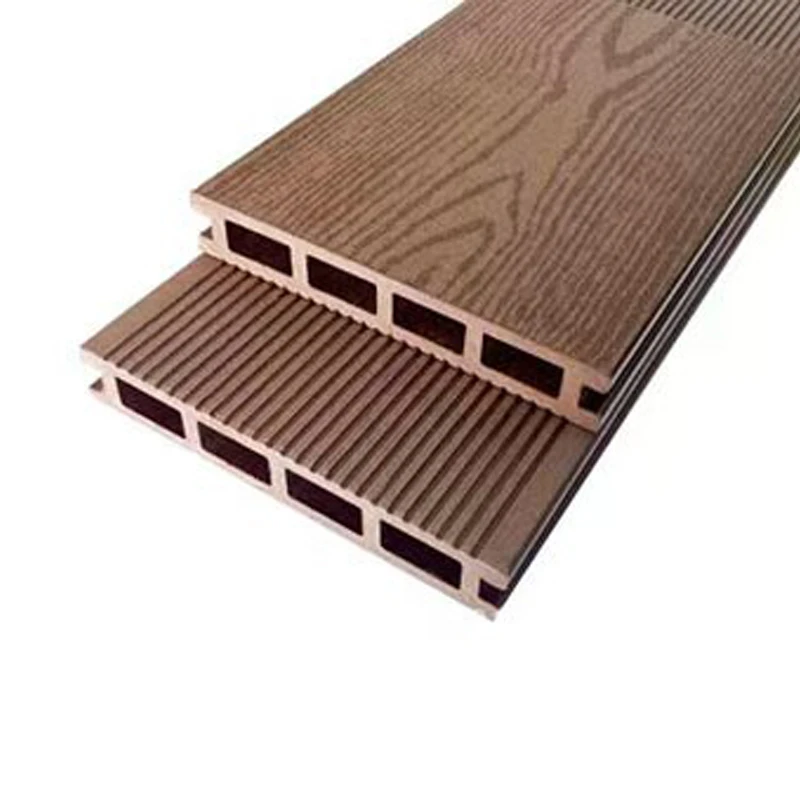
Architecture: door/window profiles, decorative trims, plastic floors, boards and billboards. Automotive: interior trims, cable ducts. Electronics: housings, raceways. Furniture: skirting, edge trims. Packaging and advertising: plates and signage. Many buyers like that a single line can swap from profiles to boards with a die/tooling change—though, I guess, scheduling is the real puzzle.
Vendor snapshot (what buyers compare)
| Vendor | Certifications | Energy (kWh/kg ≈) | Lead Time | After-sales |
|---|---|---|---|---|
| Anhui DC (Profiles & Plates) | ISO 9001; CE (Machinery Directive) | 0.28–0.42 | ≈ 6–10 weeks | Remote + on-site commissioning, wear-part kits |
| Vendor A (Generic) | CE self-declaration | 0.35–0.50 | 8–12 weeks | Remote only |
| Vendor B (Premium) | ISO 9001, CE, UL panels | 0.27–0.38 | 10–16 weeks | Global service hubs |
Customization and real feedback
Options: co-extruders for ASA/PMMA capping; multi-cavity profile tooling; anti-scratch surfaces for plates; energy monitoring; automatic screen changers. One automotive buyer told me their pvc profile production line moved from 4.2% to 2.1% scrap after switching to a tighter vacuum control package—surprisingly, just better water management did half the job.
Case notes: (1) Eastern Europe window-profile plant ran 65/132 at 220 kg/h, CE-certified; tensile per ISO 527 met spec with recycled content at 10%. (2) Southeast Asia signage board producer scaled to 1500 tons/year, energy down ≈12% after drive tuning. Not every day is perfect, but the step-change is real.
Author’s note: I’ve walked enough shops to know one thing—choose the line you can maintain. Tooling support and operator training often beat a theoretical 20 kg/h advantage. If your team can tune a pvc profile production line before lunch, you’re already ahead.
References
-
High Efficiency PE Extrusion Line Guide for Plastic ManufacturingNewsApr.16,2026
-
Guide to Choosing High Efficiency ppr pipe extrusion machineNewsApr.09,2026
-
Comprehensive Guide to Modern Pipe Production Line Technologies and OptimizationNewsApr.07,2026
-
Choosing the Right Extrusion Pipe Machine for Optimal Plastic Pipe ProductionNewsApr.04,2026
-
Comprehensive Guide to PPR Pipe Extrusion Line Technology and ApplicationsNewsMar.31,2026
-
Understanding the Functionality and Applications of a Pipe Extruder SystemNewsMar.28,2026
-
Comprehensive Guide to Pipe Extrusion Machine Technology and ApplicationsNewsMar.26,2026


