
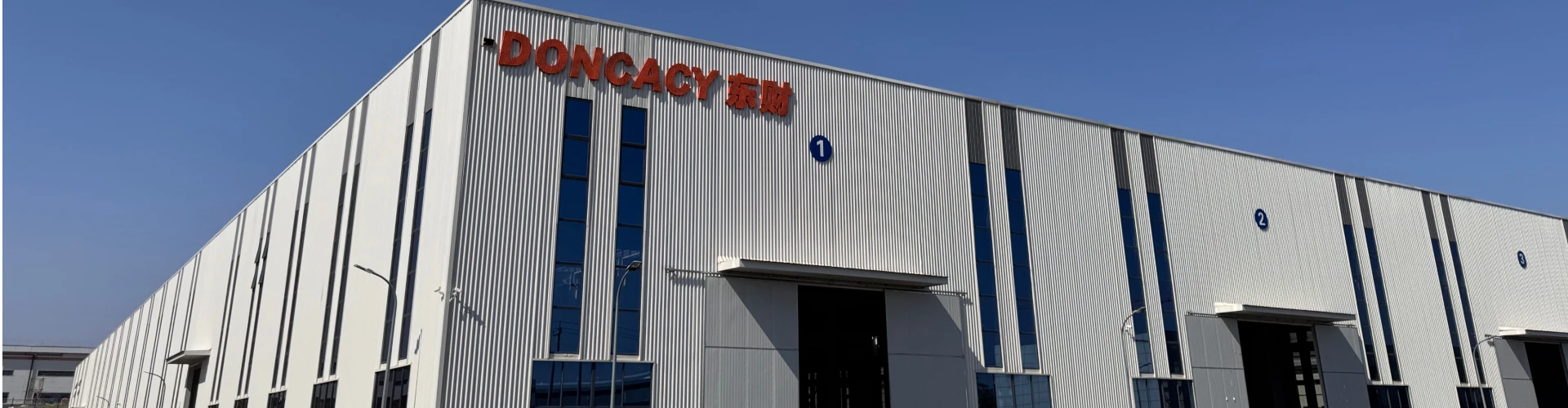
Hands-on Look at a Modern pvc pipe extrusion line
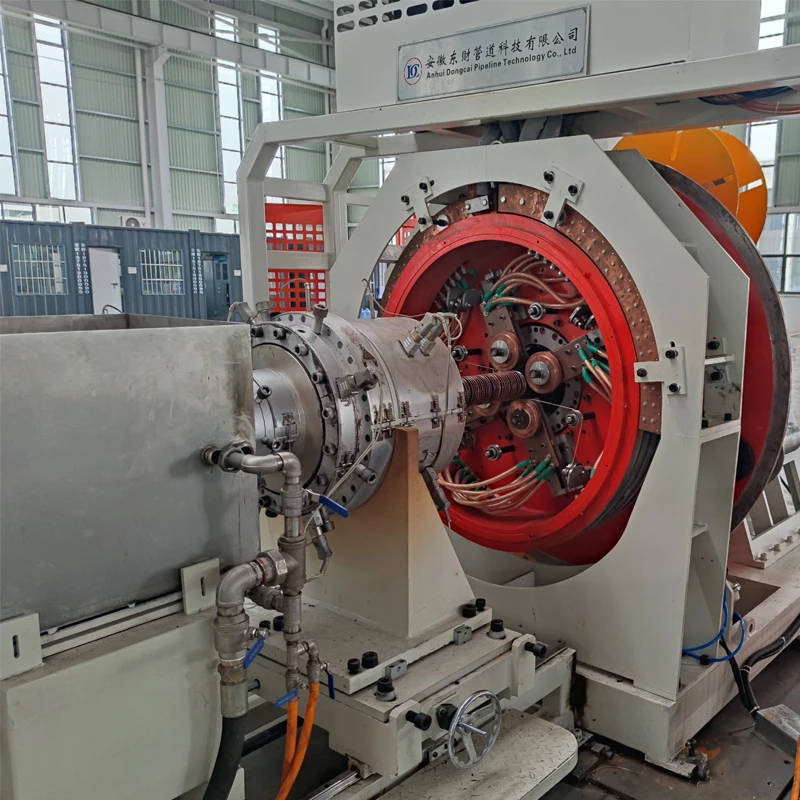
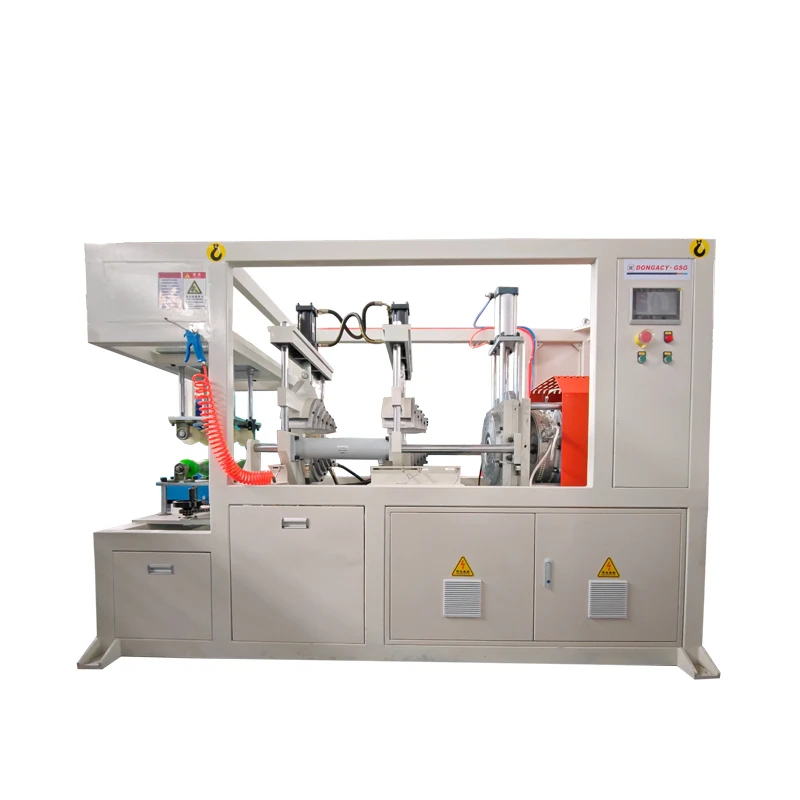
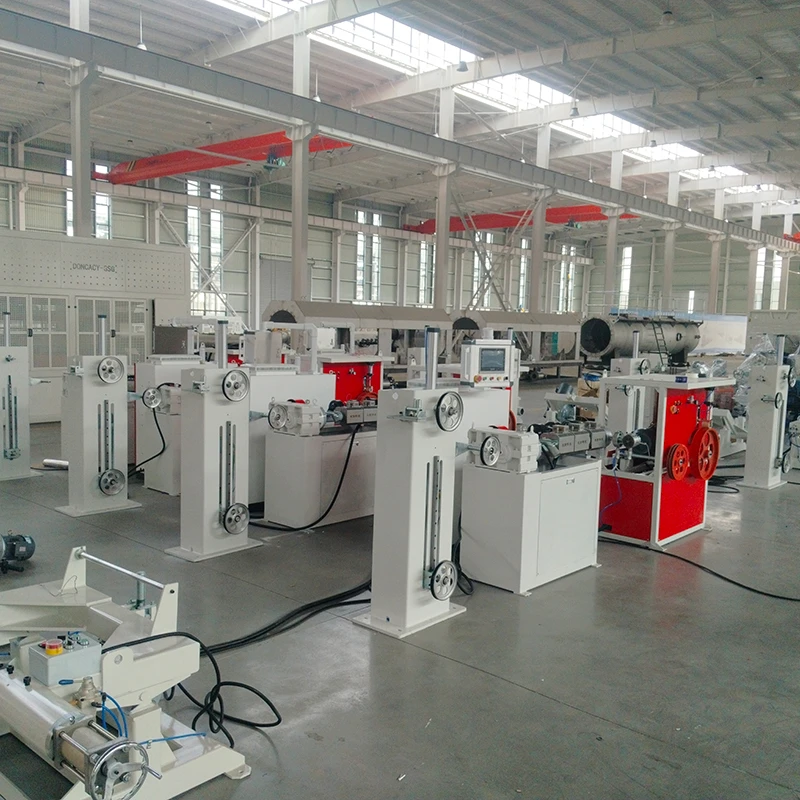
I’ve toured more than a few extrusion shops, and I’ll say it straight: the best lines don’t just run fast—they run predictably. The Pvc Pipe Extrusion Production Line from Anhui (No. 26 Huzhou Road, Nanqiao District, Chuzhou City) feels like it was built by people who live with uptime on their minds. It’s PLC-driven, energy-conscious, and tuned for utility pipelines, drainage, and telecom ducting. And yes, it’s surprisingly quiet when dialed in.
What’s driving demand right now?
Three things: urban drainage upgrades, fiber and power routing, and stricter energy KPIs in factories. Many customers say they’re moving from older AC drives to servo-assisted haul-offs and closed-loop vacuum control. To be honest, the efficiency gains add up—real money saved over a year.
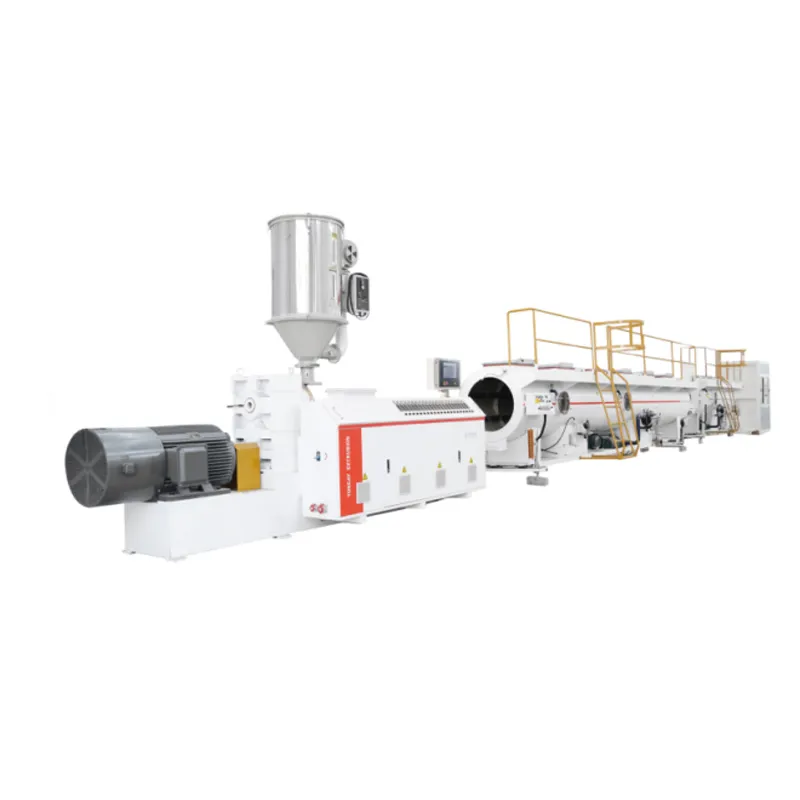
Process flow (field-proven, not just on paper)
Materials: PVC-U resin (K≈65–67), Ca-Zn stabilizer, CPE impact modifier, internal/external lubricants, and CaCO3 (controlled). Methods: high-speed hot/cold mixing, dosing, twin-screw extrusion, die + sizing sleeve, vacuum calibration tank, spray cooling, caterpillar haul-off, chipless/cutter, belling, stacking. PLC automation coordinates temperatures, screw rpm, vacuum, and haul-off speed. Testing includes hydrostatic pressure (20°C and 60°C), impact (TIR), Vicat softening, and dimensional checks per ISO 1452/ASTM standards.
Service life: around 50 years for PVC-U pipes in buried drainage/water applications, assuming correct installation and pressure class. Industries: municipal drainage, sewage, building risers, irrigation, electrical and telecom conduit systems.
Product specifications (typical)
| Model | Pipe OD Range | Extruder | Output | Installed Power | Line Speed | Energy Use |
|---|---|---|---|---|---|---|
| PVC-63 | 16–63 mm | SJSZ-51/105 (conical twin) | ≈120–180 kg/h | ≈85 kW | up to 12 m/min | ≈0.28–0.35 kWh/kg (real-world use may vary) |
| PVC-250 | 110–250 mm | SJSZ-65/132 | ≈220–320 kg/h | ≈150 kW | up to 3.5 m/min | ≈0.32–0.40 kWh/kg |
Notes: PLC auto control; vacuum tank in stainless steel; chipless cutter optional; belling (U/R/S) available.
Advantages we observed
- Stable melt plasticization with conical twin-screw gives clean inner bore (helps with low friction losses).
- PLC automation reduces operator variability; recipe recall is handy for night shift, actually.
- Energy savings via optimized barrel zones and variable-frequency drives.
- Quick tool change on dies—fewer “dead” hours between diameters.
Vendor comparison (snapshot)
| Vendor | PLC/Drive | Screw/Barrel | Energy | Certs | Support |
|---|---|---|---|---|---|
| Anhui DC Machinery (Chuzhou) | PLC integrated; VFD drives | 38CrMoAlA nitrided, bimetallic option | ≈0.28–0.40 kWh/kg | ISO 9001; CE (line level) | Local install + remote |
| Vendor A (generic) | Basic PLC | Standard nitrided | ≈0.35–0.48 kWh/kg | ISO 9001 | Limited after-sales |
Customization and real shop feedback
Options include multi-cavity calibration for small diameters, co-extrusion stripes, online marking/printing, and enclosed water loops. One customer in electrical conduit said changeovers went from 90 to about 40 minutes after tooling guidance—small thing, big throughput. Another noted hydro tests passed at 12.5 MPa (1 h) with no failures on PN12.5 samples; impact TIR stayed under 10% on winter-grade compound—nice to see.
Where it shines
If you’re running municipal drainage, telecom duct, or building wastewater lines, a pvc pipe extrusion line like this hits the sweet spot: consistent sizing, low scrap, and clean bell ends. For pressure lines, ensure your compound and die sets match the target class and verify against ISO/ASTM tests—don’t skip this; it’s where long service life is won.
Standards and compliance
- ISO 1452 (PVC-U water/drainage), ASTM D1785 (Sch 40/80), ASTM D1598/D1599 (hydrostatic), ISO 306 (Vicat).
- Typical factory QA: OD/WT per hour, gelation check, surface defects ≤ accepted AQL, and belling integrity test.
Citations: [1] ISO 1452; [2] ASTM D1785; [3] ASTM D1598/D1599; [4] ISO 306.
- ISO 1452: Plastics piping systems — PVC-U for water and drainage.
- ASTM D1785: Standard Specification for PVC Plastic Pipe, Schedules 40, 80, and 120.
- ASTM D1598/D1599: Time-to-Failure and Burst Pressure of Plastic Pipe.
- ISO 306: Plastics — Thermoplastic materials — Vicat softening temperature.
-
High Efficiency PE Extrusion Line Guide for Plastic ManufacturingNewsApr.16,2026
-
High Speed Steel Wire Mesh HDPE Composite Pipe Production Line - Anhui Dongchai|High Automation&Energy EfficiencyNewsApr.13,2026
-
High Speed Steel Wire Mesh HDPE Composite Pipe Production Line - Anhui Dongchai|High Automation&Energy EfficiencyNewsApr.13,2026
-
Guide to Choosing High Efficiency ppr pipe extrusion machineNewsApr.09,2026
-
Comprehensive Guide to Modern Pipe Production Line Technologies and OptimizationNewsApr.07,2026
-
Choosing the Right Extrusion Pipe Machine for Optimal Plastic Pipe ProductionNewsApr.04,2026
-
Comprehensive Guide to PPR Pipe Extrusion Line Technology and ApplicationsNewsMar.31,2026


