
What I’m Seeing on the Floor: Modern PPR Pipe Production Lines Going Faster, Smarter
If you’ve walked a plastics workshop lately, you’ll know what I mean: processors want more output, less kWh, tighter tolerances. That’s why the first thing I point out to new investors is the ppr pipe production line platforms that share DNA with today’s high-speed HDPE lines. Different polymers, sure—but the downstream logic is strikingly similar.
Industry pulse
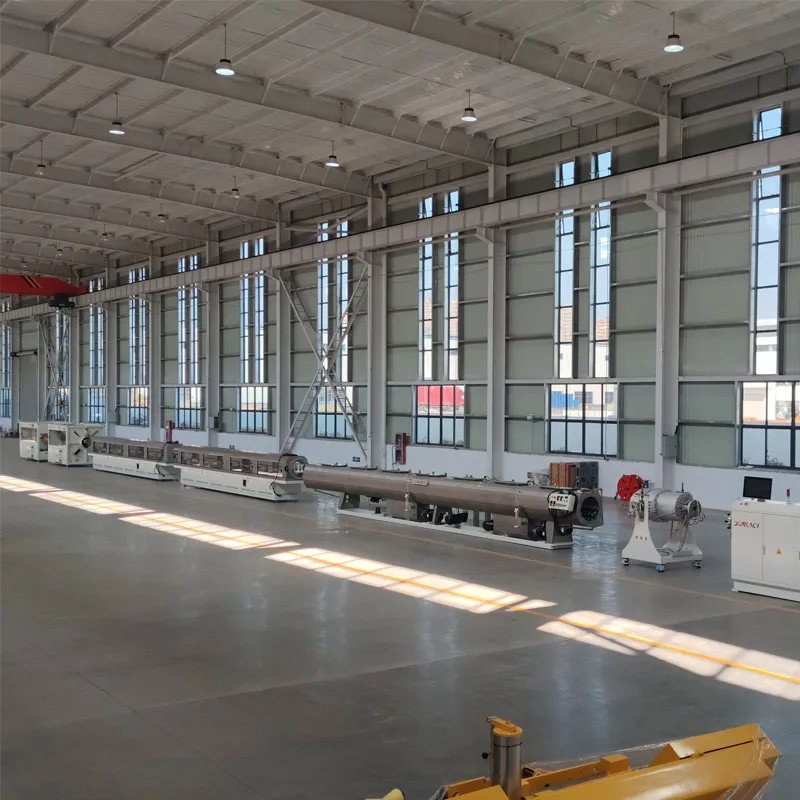
PPR is still the go-to for hygienic hot/cold water in buildings; HDPE dominates mains, drainage, vent, and comms conduits. Trends I keep hearing (and seeing): integrated gravimetric dosing, inline thickness measurement, faster vacuum-tank response, and smarter PLCs that actually help operators (not lecture them). One surprising shift: more requests for PP-RCT or glass-fiber reinforced PPR layers to nudge performance without breaking capex.
Process flow, condensed
- Materials: PP-R (or PP-RCT) + color/masterbatch; for fiber-composite, PP-GF middle layer. HDPE runs on the same platform with screw/die changes.
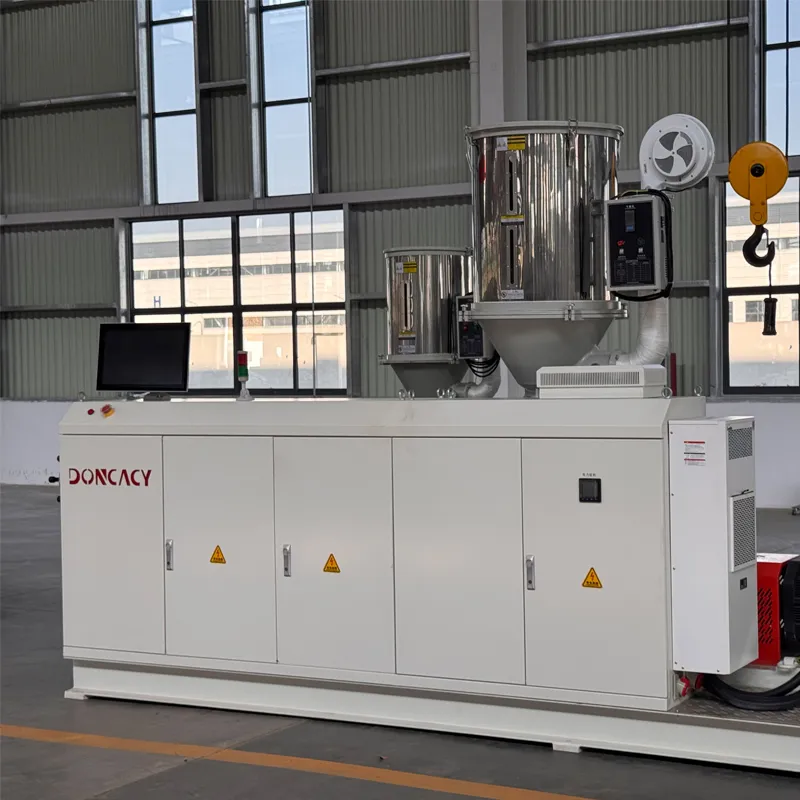
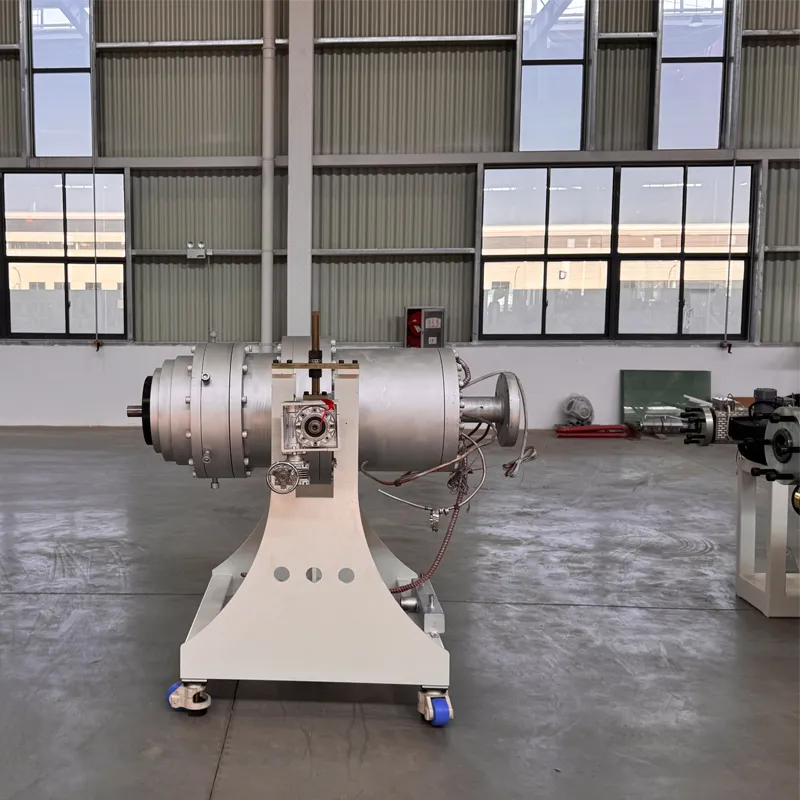
- Extrusion: high-efficiency single-screw, barrier design; optimized L/D for PPR rheology; co-ex for stripes or sandwich structures.
- Calibration/cooling: closed-loop vacuum tank + multi-stage spray cooling for ovality and shrink control.
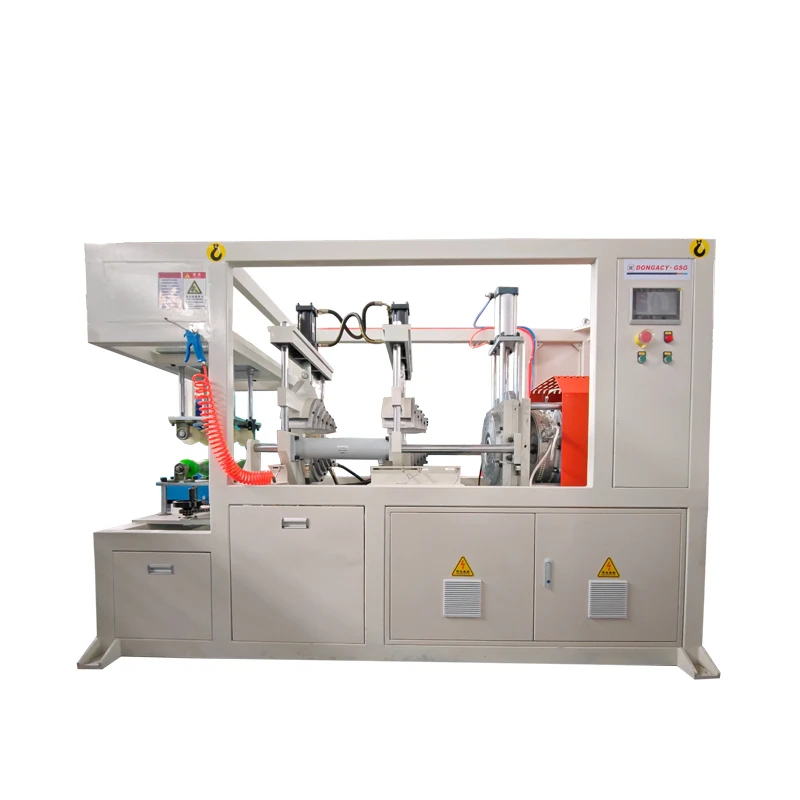
- Haul-off/cutting/socketing: servo haul-off, chipless cutter; inline belling optional.
- Testing: dimensions per ISO 15874; hydrostatic testing per EN ISO 1167; MFR checks; ovality; impact; thermal stability (OIT). Service life projections often 50 years at 20°C (real-world use may vary).
A quick look at a high-speed platform
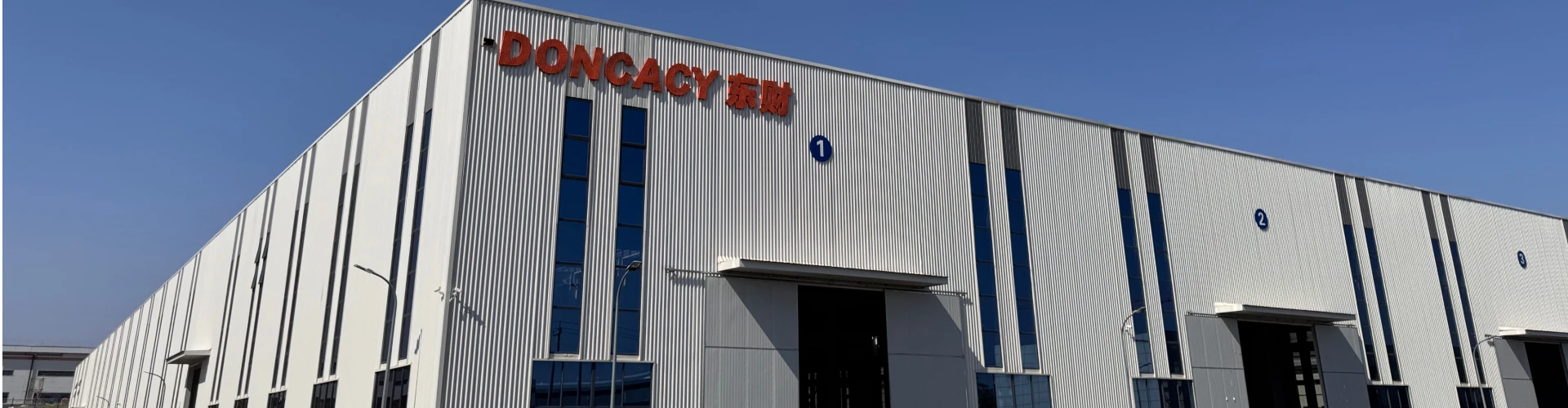
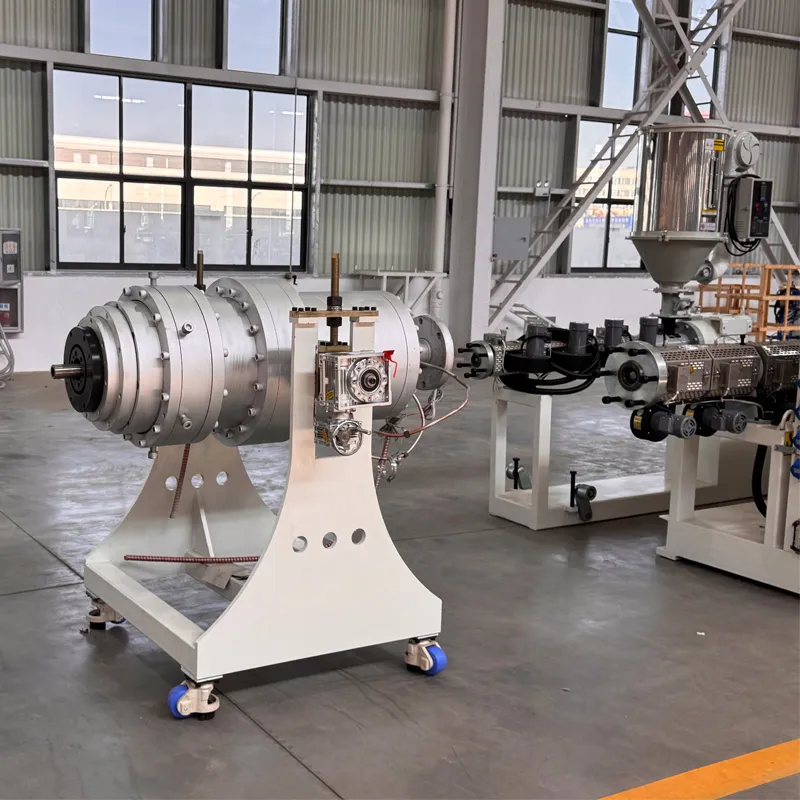
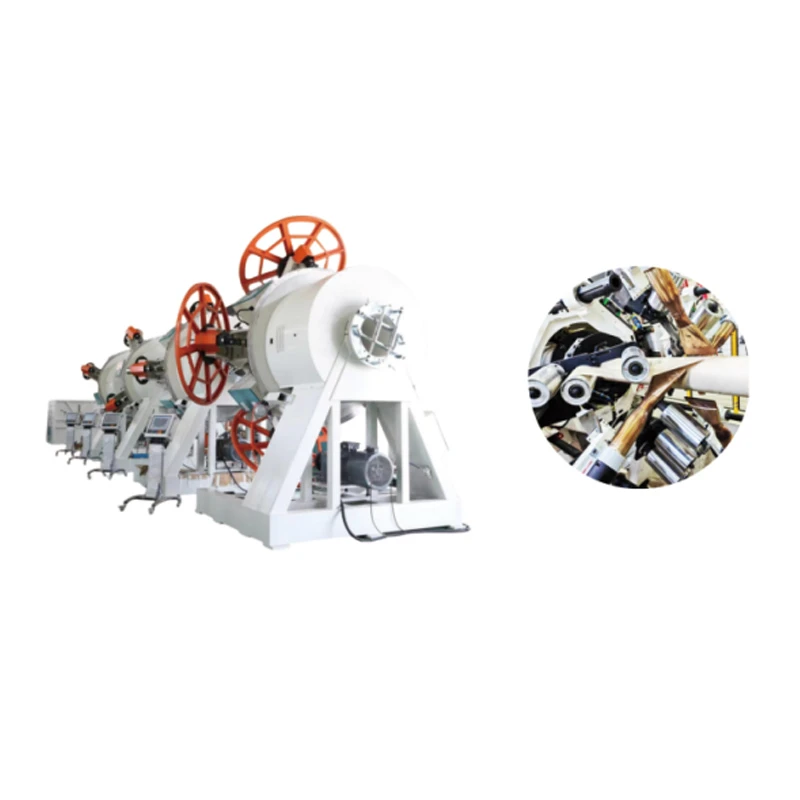
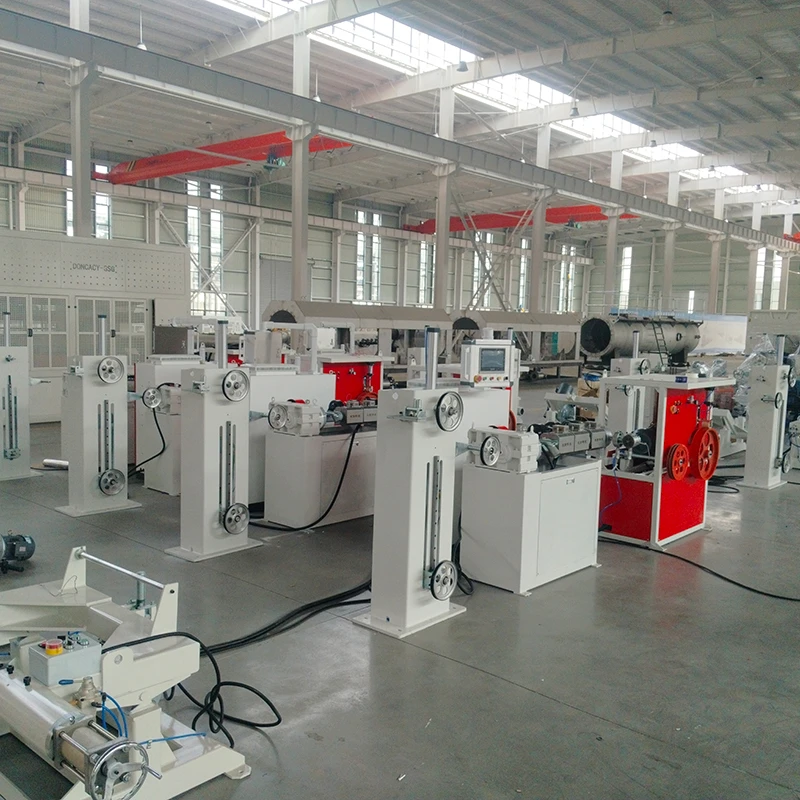
Anhui’s Hdpe High Speed Solid Wall Pipe Extrusion Production Line (Origin: No. 26 Huzhou Road, Nanqiao District, Chuzhou City, Anhui Province) has been showing up on my site visits. It’s built for water supply, drainage, chemical, ventilation, and communication pipes—and, with the proper screw/die set, it’s a capable base for a ppr pipe production line too.
| Spec (typ.) | Value (≈, real-world use may vary) |
|---|---|
| Pipe range (PPR) | Ø20–160 mm, SDR 6–11 |
| Output | 160–350 kg/h (material/OD dependent) |
| Line speed | Up to ~20 m/min on small diameters |
| Extruder | Single-screw 65/33 or 75/33; co-ex options |
| Control | PLC + gravimetric + thickness gauge (opt.) |
| Energy | ≈ 0.28–0.45 kWh/kg |
| Certs | ISO 9001; CE-ready electricals |
Where it ends up
Building water supply (hot/cold) is the classic ppr pipe production line market. HDPE mode covers municipal mains, industrial drainage, agricultural irrigation, construction engineering vents, and telecom conduits—nice versatility when you chase seasonal demand.
Why buyers pick it (and what they ask for)
- High efficiency with continuous, stable runs; tight control of size and wall thickness.
- Fast changeovers—operators keep telling me this saves their Mondays.
- Customization: PPR-FB-PPR glass-fiber layer, multi-stripe, inline belling, servo cutters, remote diagnostics.
- Testing support: hydrostatic test rigs, dimensional gauges, and basic MFR kits.
| Vendor | Strengths | Watch-outs |
|---|---|---|
| Anhui DC (Chuzhou) | Value-for-speed; fast lead times in Asia; flexible customization | Confirm local service outside Asia |
| KraussMaffei | Premium process control; strong global support | Higher capex |
| battenfeld-cincinnati | High output; robust downstream | Lead times can stretch |
Field notes and feedback
Customer comments, to be honest, are refreshingly practical: “less scrap on SDR 6,” “socketing now inline,” and “energy draw dropped about 10% after PID tuning.” One mid-size contractor in Eastern Europe ran PP-R 32 mm at ≈18 m/min after a week of dialing-in. A telecom conduit shop swapped to HDPE with a die/screw change and kept the same haul-off/cutter—no drama.
Standards, tests, and paperwork
- PPR pipes: ISO 15874; typical hydrostatic tests via EN ISO 1167 (e.g., at 20°C and 95°C, stress/time per spec).
- HDPE modes: ISO 4427 or EN 12201 references for water pressure pipe.
- QA data I’ve seen: OD/WT Cpk >1.33 on steady runs; short-term pressure holds; OIT checks for stabilization.
- Certs: ISO 9001 factory QMS; CE-compliant electricals on export units.
Bottom line: if you want a flexible, high-speed base that can serve both the classic ppr pipe production line segment and HDPE-heavy projects, this platform is a pragmatic pick—especially when you care about throughput without babysitting every zone heater all night.
References:
- ISO 15874: Plastics piping systems for hot and cold water installations – Polypropylene (PP).
- EN ISO 1167: Thermoplastics pipes, fittings and assemblies for the determination of resistance to internal pressure.
- ISO 4427 / EN 12201: Polyethylene (PE) piping systems for water supply and for buried/above-ground installations.
- ASTM F2389: Pressure-rated polypropylene (PP) piping systems for hot and cold water distribution.
-
High Efficiency PE Extrusion Line Guide for Plastic ManufacturingNewsApr.16,2026
-
High Speed Steel Wire Mesh HDPE Composite Pipe Production Line - Anhui Dongchai|High Automation&Energy EfficiencyNewsApr.13,2026
-
High Speed Steel Wire Mesh HDPE Composite Pipe Production Line - Anhui Dongchai|High Automation&Energy EfficiencyNewsApr.13,2026
-
Guide to Choosing High Efficiency ppr pipe extrusion machineNewsApr.09,2026
-
Comprehensive Guide to Modern Pipe Production Line Technologies and OptimizationNewsApr.07,2026
-
Choosing the Right Extrusion Pipe Machine for Optimal Plastic Pipe ProductionNewsApr.04,2026
-
Comprehensive Guide to PPR Pipe Extrusion Line Technology and ApplicationsNewsMar.31,2026


