
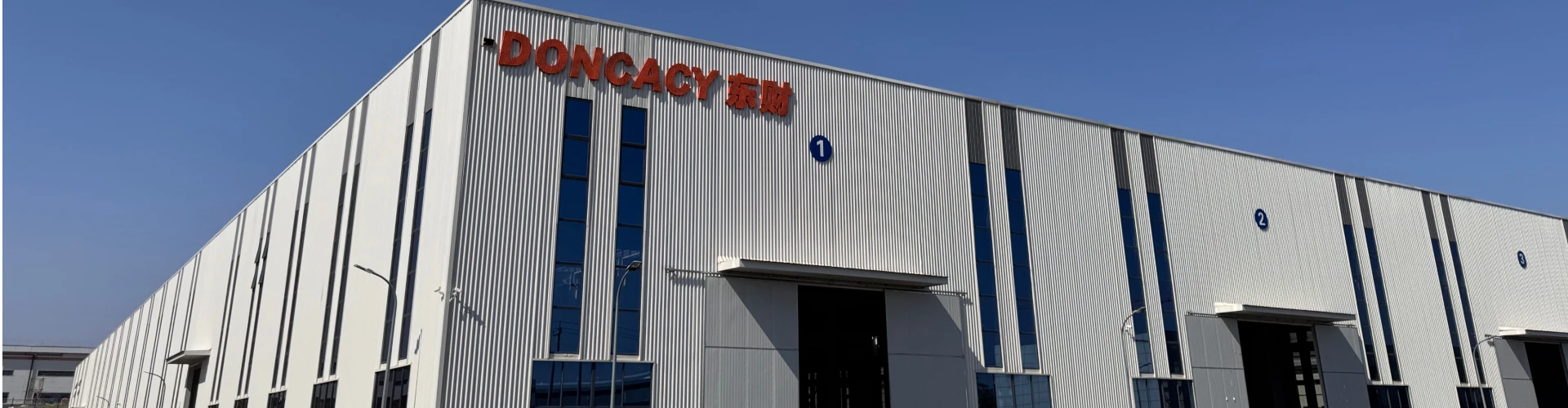
Real-world notes on choosing a PPR/HDPE pipe line in 2025
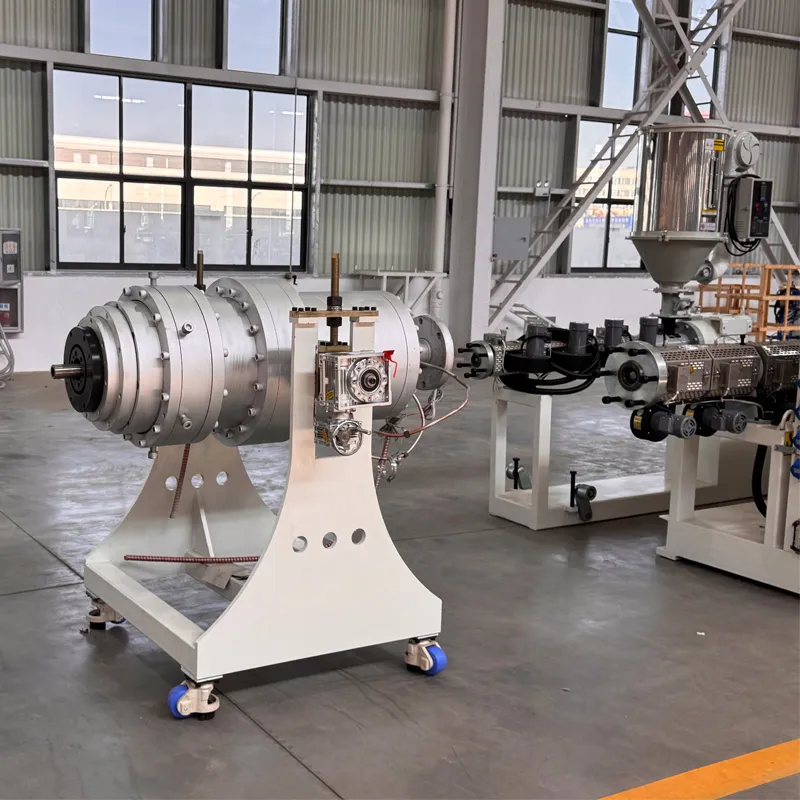
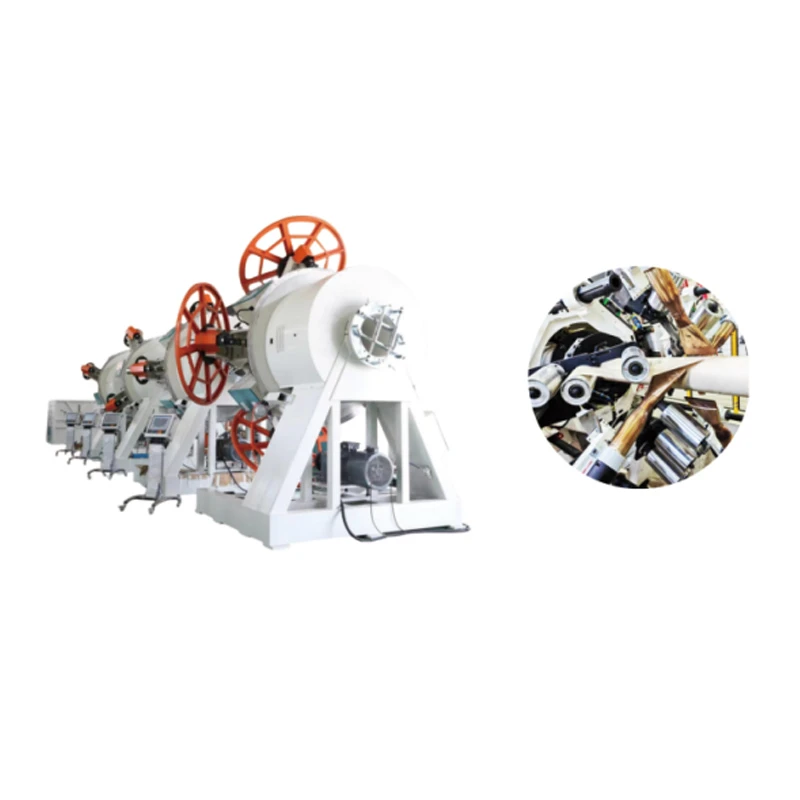
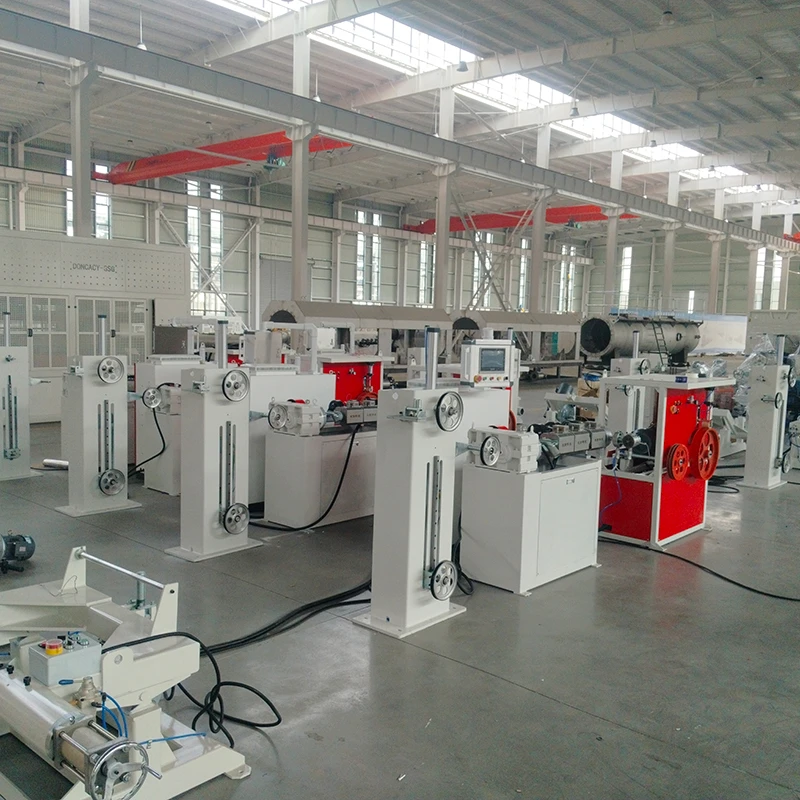
If you’re weighing up a ppr pipe production line against the latest HDPE systems, here’s the straight talk. The current benchmark I keep bumping into on factory floors is the Hdpe High Speed Solid Wall Pipe Extrusion Production Line from Anhui (No. 26 Huzhou Road, Nanqiao District, Chuzhou City). It’s built for water supply, drainage, chemical media, ventilation/communication conduits—basically the municipal-to-industrial backbone—and, to be honest, it’s fast, stable, and precise. With the right screw/barrel combo and die set, many shops run PP-R/PP-RCT on very similar architectures. Not identical, but close enough that procurement teams compare them side-by-side.
What’s trending
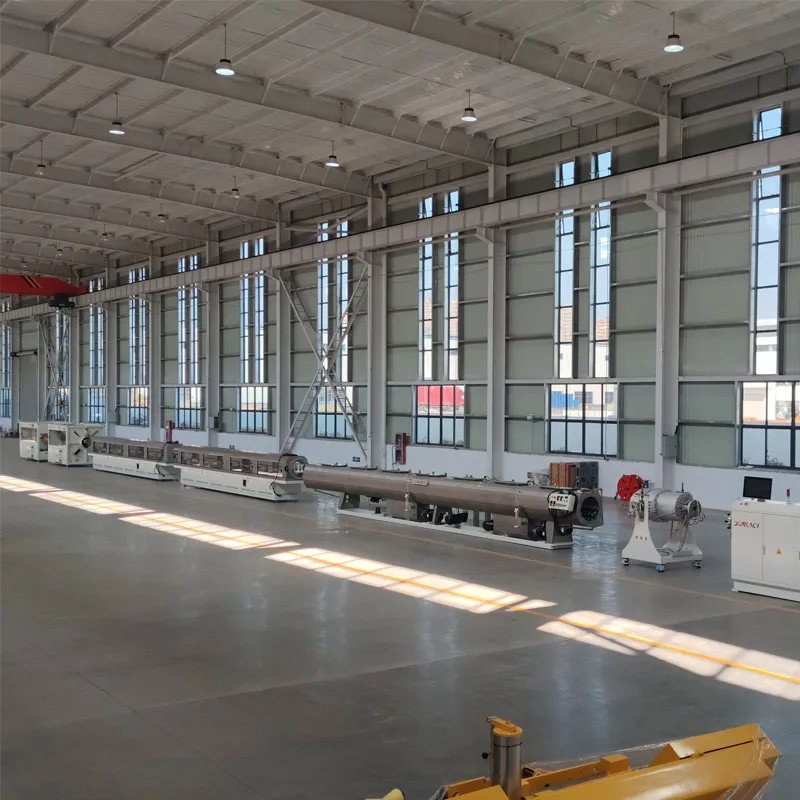
Two themes dominate: higher line speeds (especially on small diameters) and tighter closed-loop control. Gravimetric feeding, ultrasonic wall-thickness gauges, and planetary cutters are now standard in serious bids. Energy efficiency is improving too—vector drives, optimized barrel zones, and smarter vacuum/cooling management. Many customers say the surprise win is in software: decent PLC/HMI logic that reduces operator “fiddle time.”
Process flow, briefly (HDPE and PPR overlap)
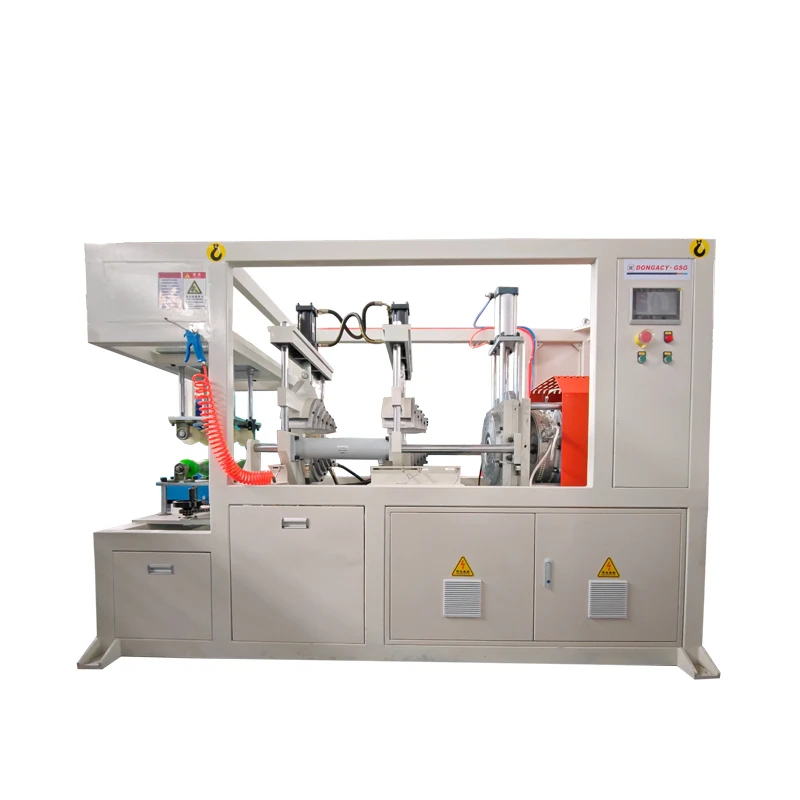
Materials: HDPE (PE100/PE80), PP-R/PP-RCT pellets; optional masterbatch for striping. Methods: gravimetric dosing → single-screw extrusion (38–40 L/D, barrier/spiral screw) → spiral die → vacuum calibration → multi-stage cooling → haul-off (caterpillar) → online gauging → planetary cutting → stacking/coiling.
Testing standards: hydrostatic pressure (ASTM D1598/D1599, ISO 1167), MFR (ISO 1133), OIT (ISO 11357-6), ovality/wall tolerance (EN 12201/ISO 4427 for HDPE; ISO 15874 for PPR). Service life: ≈50 years for HDPE per ISO 4427; PPR hot-water ratings per ISO 15874 classes (real-world use may vary with pressure/temperature cycles).
Product snapshot
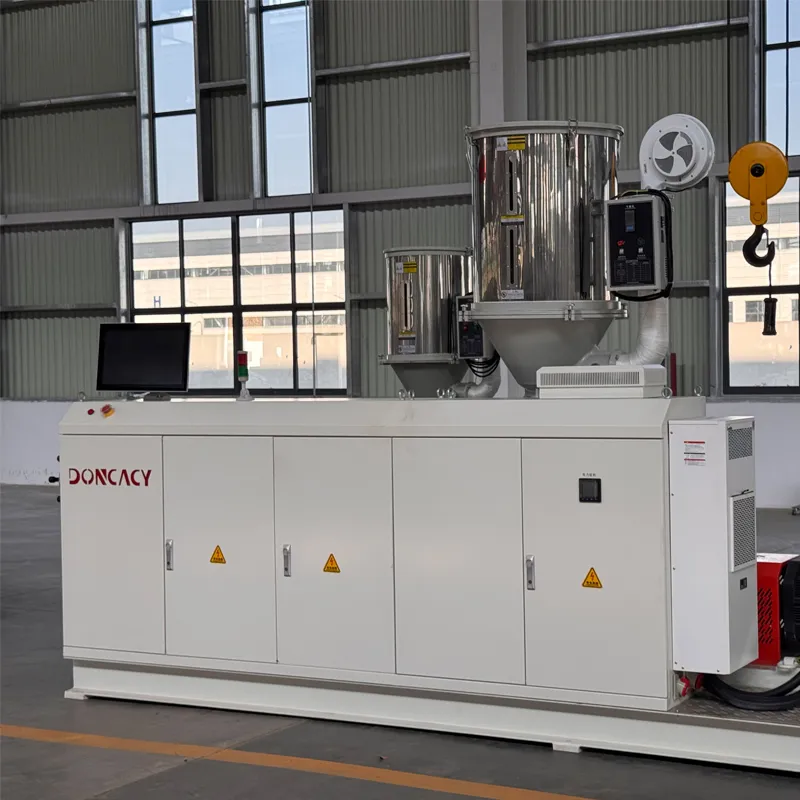
The Hdpe High Speed Solid Wall Pipe Extrusion Production Line aims for continuous, stable output and sharp dimensional control. Below is a representative spec set I’ve seen in the field (your configuration may differ):
| Parameter | Typical Value (≈) |
|---|---|
| Pipe OD range | 20–630 mm (modules by diameter) |
| Max line speed | Up to 25–35 m/min on small diameters |
| Extruder | Ø60/38, Ø75/38, Ø90/38 options; AC vector drive |
| Control | PLC/HMI with recipes; closed-loop thickness control |
| Cooling/calibration | Vacuum tank + multi-stage spray cooling |
| Cutting | Planetary cutter; chipless for clean edges |
| Power (system) | ≈250–450 kW depending on size |
| Compliance | ISO 4427 / EN 12201 (HDPE); ISO 15874 (PPR) capable tooling |
Vendor comparison at a glance
| Vendor | Tech focus | Energy use | Service/Lead | Certs |
|---|---|---|---|---|
| Anhui (Chuzhou) line | High-speed HDPE; PPR-capable tooling | Low–mid (optimized drives) | Strong after-sales; 6–12 weeks | ISO 9001; CE (on request) |
| Domestic Alt (South China) | Balanced speed/cost | Mid | Moderate; 8–14 weeks | ISO 9001 |
| EU Brand | Premium sensors/software | Low | Longer; 12–24 weeks | CE, ISO 9001/14001 |
Applications & feedback
Use cases range from municipal water and drainage to chemical conveyance, ventilation ducts, communication conduits, and agricultural irrigation. One Turkish contractor told me the line held ±0.3 mm wall tolerance on 110 mm HDPE across a 12-hour run—no drama. Another customer in Eastern Europe swapped to PPR tooling for a hot-water project and, actually, said startup scrap fell by ~15% once they tuned the vacuum tank pressure ramps.
Customization pointers
- Choose screw geometry for HDPE vs PPR/PP-RCT (melt temp windows differ).
- Add multi-layer co-ex for stripes or barrier layers when needed.
- Specify ultrasonic gauges with auto die-centering for tight tolerances.
- Plan calibration sleeves per diameter; invest in quick-change to cut downtime.
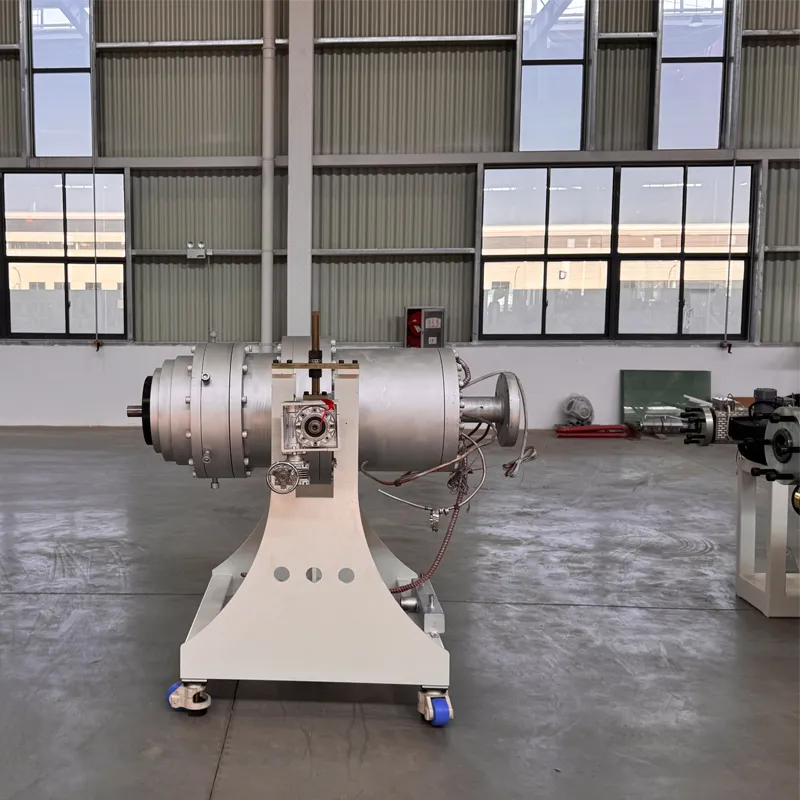
If your brief is strictly a ppr pipe production line, confirm die head flow path and heating zones match ISO 15874 temperature/pressure classes. For mixed fleets, a high-quality HDPE base line with PPR-specific tooling is, in fact, a pragmatic route.
Standards and references
- ISO 4427: Polyethylene pipes for water supply [HDPE].
- EN 12201: Plastic piping systems for water supply [HDPE].
- ISO 15874: Plastics piping systems for hot and cold water installations [PPR].
- ASTM D1598/D1599: Time-to-failure and burst pressure tests.
- ISO 1167: Thermoplastics pipes—Resistance to internal pressure.
- ISO 1133/11357: Melt flow rate and OIT testing.
Final thought: whether you badge it as HDPE or a ppr pipe production line, the winning setup is the one that stabilizes melt, automates thickness, and makes startup easy for your operators. The rest, I guess, is just throughput and uptime.
-
High Efficiency PE Extrusion Line Guide for Plastic ManufacturingNewsApr.16,2026
-
High Speed Steel Wire Mesh HDPE Composite Pipe Production Line - Anhui Dongchai|High Automation&Energy EfficiencyNewsApr.13,2026
-
High Speed Steel Wire Mesh HDPE Composite Pipe Production Line - Anhui Dongchai|High Automation&Energy EfficiencyNewsApr.13,2026
-
Guide to Choosing High Efficiency ppr pipe extrusion machineNewsApr.09,2026
-
Comprehensive Guide to Modern Pipe Production Line Technologies and OptimizationNewsApr.07,2026
-
Choosing the Right Extrusion Pipe Machine for Optimal Plastic Pipe ProductionNewsApr.04,2026
-
Comprehensive Guide to PPR Pipe Extrusion Line Technology and ApplicationsNewsMar.31,2026


