
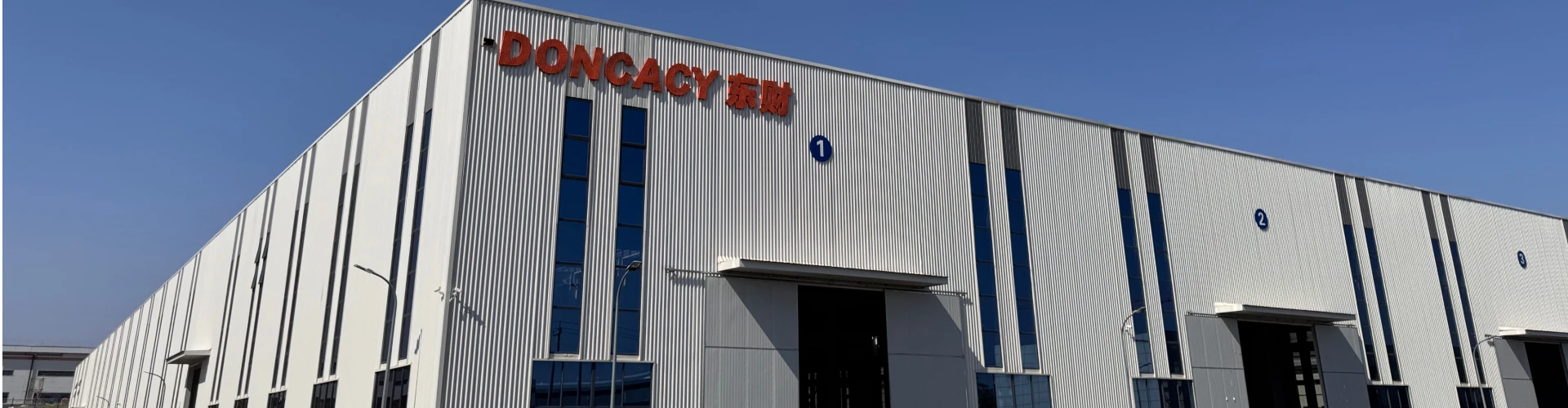
Navigating the Landscape of Polyethylene Pipe Production Lines: Trends and Technology
The demand for robust, reliable, and cost-effective piping solutions across various industrial sectors continues to surge. At the forefront of this evolution is the polyethylene pipe production line, a cornerstone technology enabling the manufacturing of high-performance pipes essential for modern infrastructure. These production lines are critical for industries ranging from municipal water supply and gas distribution to complex industrial fluid transport and agricultural irrigation. This comprehensive overview delves into the intricate world of PE pipe extrusion, covering market trends, technical specifics, application versatility, and the crucial factors for selecting optimal production solutions.
Industry Trends Driving PE Pipe Demand
The global market for polyethylene pipes is experiencing significant growth, projected to reach over USD 30 billion by 2027, driven by rapid urbanization, increasing infrastructure development, and the growing preference for durable and corrosion-resistant materials over traditional alternatives like steel and concrete (Market Research Future, 2022). Key trends include:
- Sustainable Solutions: A rising emphasis on environmentally friendly manufacturing processes and recyclable materials, positioning PE pipes as a preferred choice.
- High-Pressure Applications: Advances in material science allow for the production of pipes capable of handling higher pressures, expanding their utility in demanding environments.
- Smart Infrastructure Integration: Increasing demand for pipes compatible with smart sensing technologies for leak detection and condition monitoring.
- Efficiency and Automation: Continuous innovation in extrusion technology focuses on higher throughput, reduced energy consumption, and enhanced automation for precision manufacturing. This translates directly to a more competitive polyethylene pipe production line.
These trends highlight the evolving requirements for a modern polyethylene pipe production line, necessitating equipment that is not only robust and efficient but also adaptable to advanced material formulations and increasingly stringent operational demands.
The Manufacturing Process: A Detailed Look at a PE Pipe Extrusion Line
Manufacturing high-quality polyethylene pipes involves a sophisticated extrusion process, transforming raw polymer pellets into finished pipes with precise dimensions and superior mechanical properties. A typical polyethylene pipe production line encompasses several critical stages, each optimized for efficiency and quality control.
Process Flow Overview:
1. Material Feeding
High-density polyethylene (HDPE) or medium-density polyethylene (MDPE) raw material pellets are fed into a gravimetric dosing system to ensure precise weight control and consistent melt flow for the polyethylene pipe production line.
2. Extrusion
Pellets are melted and homogenized in a single-screw extruder, typically equipped with specialized barrier screws for high output and excellent melt quality. Temperature profiles are meticulously controlled to achieve optimal melt viscosity.
3. Die Head Forming
The molten polymer is pushed through an annular die head, shaping it into a continuous pipe. Multi-layer co-extrusion dies are used for specific applications (e.g., color-coded layers, protective outer layers) to meet market requirements.
4. Vacuum Calibration
Immediately after the die, the pipe enters a vacuum calibration tank, where vacuum pressure and water cooling ensure precise outer diameter (OD) and wall thickness (WT) control. This stage is crucial for dimensional accuracy.
5. Cooling
Multiple cooling tanks, typically using water sprays or immersion, progressively cool the pipe to solidify its form and prevent deformation. Cooling efficiency is key to achieving desired production speeds and material integrity.
6. Haul-off
A multi-caterpillar haul-off unit provides constant, precise pulling force to ensure stable pipe dimensions and avoid stretching during the entire extrusion process. Synchronized speed control is vital here.
7. Cutting/Coiling
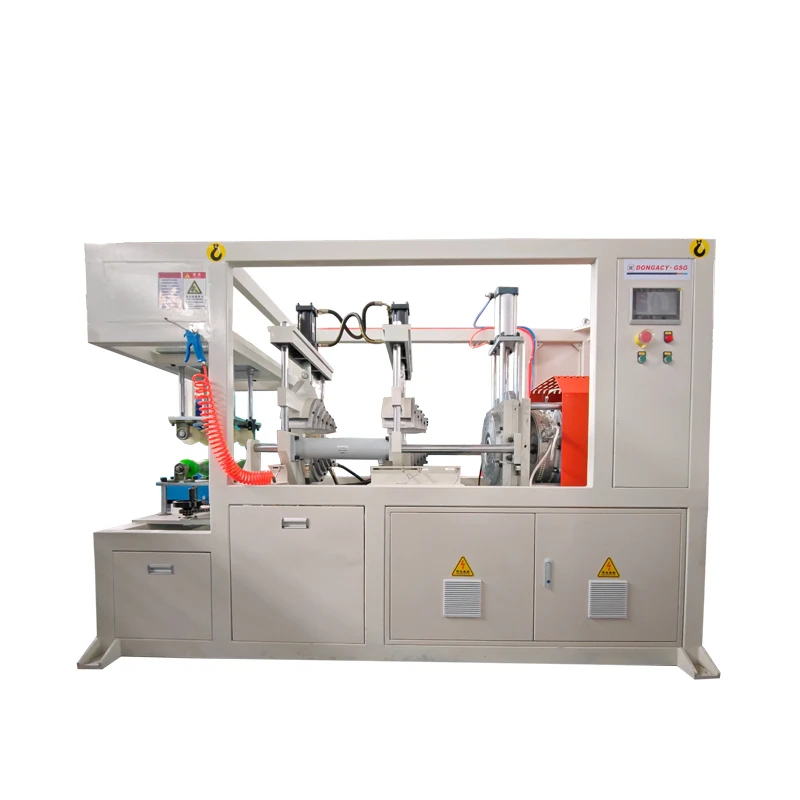
For large diameter pipes, a planetary saw or chipless cutter precisely cuts the pipe to predetermined lengths. Smaller diameter pipes are typically coiled onto automatic winders for transport and storage.
8. Stacking/Packaging
Finished pipes are stacked, bundled, or prepared for shipping. Automated stacking systems enhance efficiency and reduce labor, ensuring the integrity of the final product.
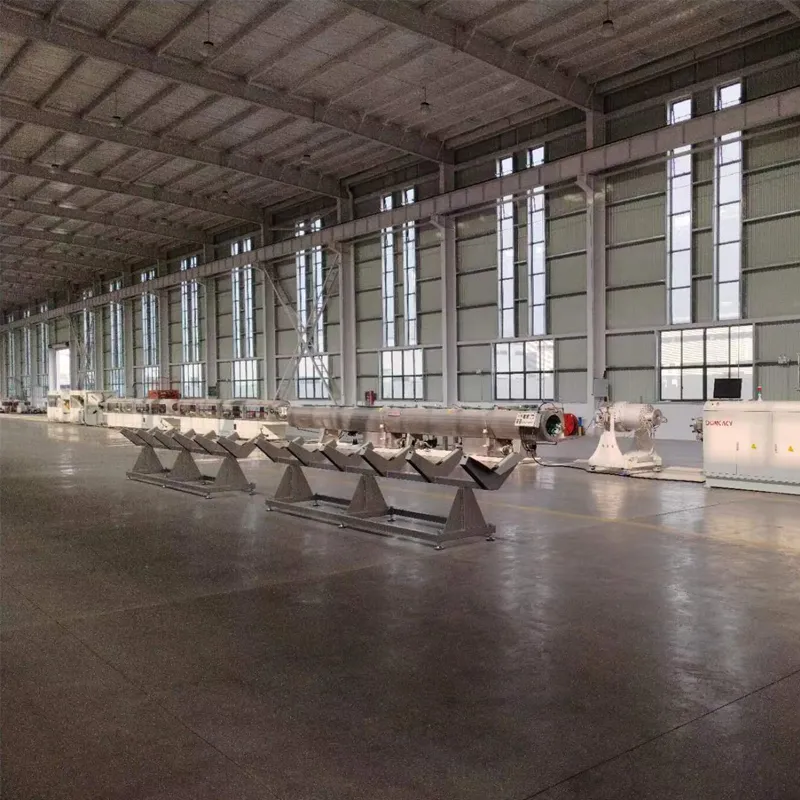
Figure 1: Conceptual diagram of a polyethylene pipe production line.
Materials and Standards
The primary materials used are various grades of polyethylene, notably HDPE (High-Density Polyethylene) and MDPE (Medium-Density Polyethylene), selected for their excellent strength-to-density ratio, flexibility, and resistance to chemicals and abrasion. Key material specifications include:
- PE100/PE100 RC: High-performance grades with improved stress crack resistance, ideal for gas and water pressure applications.
- PE80: Used for general-purpose pressure applications.
- Molecular Weight Distribution: Crucial for melt strength during extrusion and long-term pipe performance, affecting mechanical properties like impact strength.
- UV Stabilizers & Pigments: Incorporated for enhanced outdoor durability and identification (e.g., yellow for gas, blue for water, black for general use).
Products from a modern polyethylene pipe production line adhere to stringent international testing standards to ensure quality and reliability. These include:
- ISO 4427: Specifies the characteristics of pipes made from PE for the supply of gaseous fuels and water. (International Organization for Standardization, 2019)
- ASTM D3035 / F714: Standards for PE plastic pipe for water service and gas distribution. (ASTM International, 2017)
- EN 12201 / EN 1555: European standards for plastic piping systems for water supply and gas supply, respectively. (European Committee for Standardization, 2014)
Service Life and Target Industries
Polyethylene pipes, produced on a well-maintained polyethylene pipe production line, boast an exceptional service life, often exceeding 50-100 years under normal operating conditions. Their longevity, coupled with low maintenance requirements, makes them highly economical over their lifecycle. Target industries include:
- Water Supply & Drainage: Municipal and agricultural water transfer, sewage systems.
- Gas Distribution: Natural gas and LPG distribution networks, demanding high integrity and leak-proof joints.
- Petrochemical & Chemical: Transport of various chemicals due to high chemical resistance, critical for safety and operational continuity.
- Mining: Slurry transport, dewatering, and process water lines in abrasive environments.
- Energy (Power & Telecom): Conduit for protecting power cables and fiber optics from physical damage and moisture.
Technical Specifications and Performance Parameters
A state-of-the-art HDPE pipe extrusion machine for sale or a complete PE pipe extrusion line is characterized by its technical prowess, ensuring high efficiency, precision, and reliability. Key parameters define the capabilities of such a line, directly impacting the final product quality and operational cost.
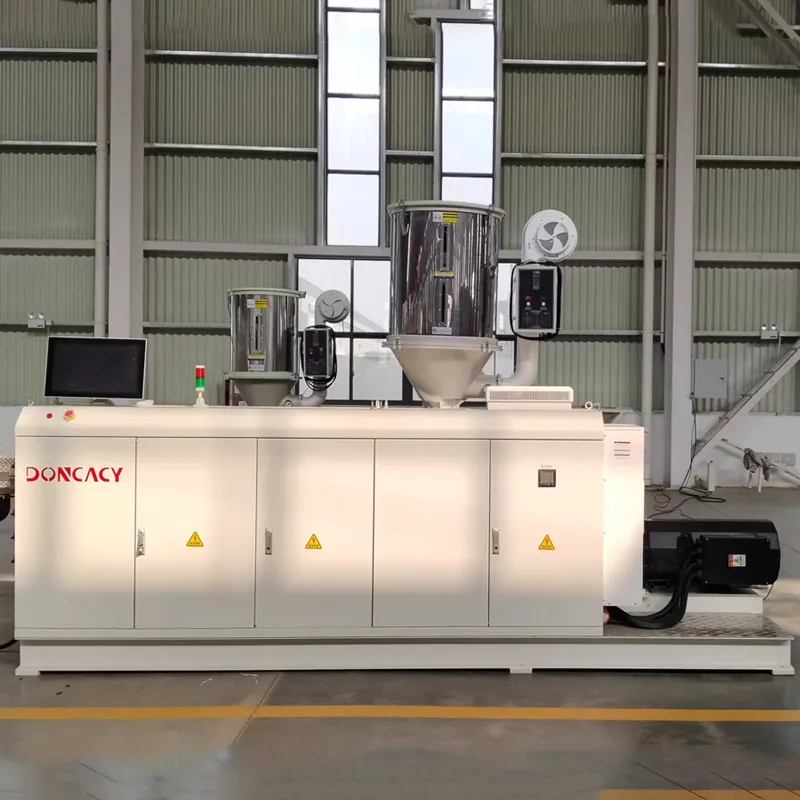
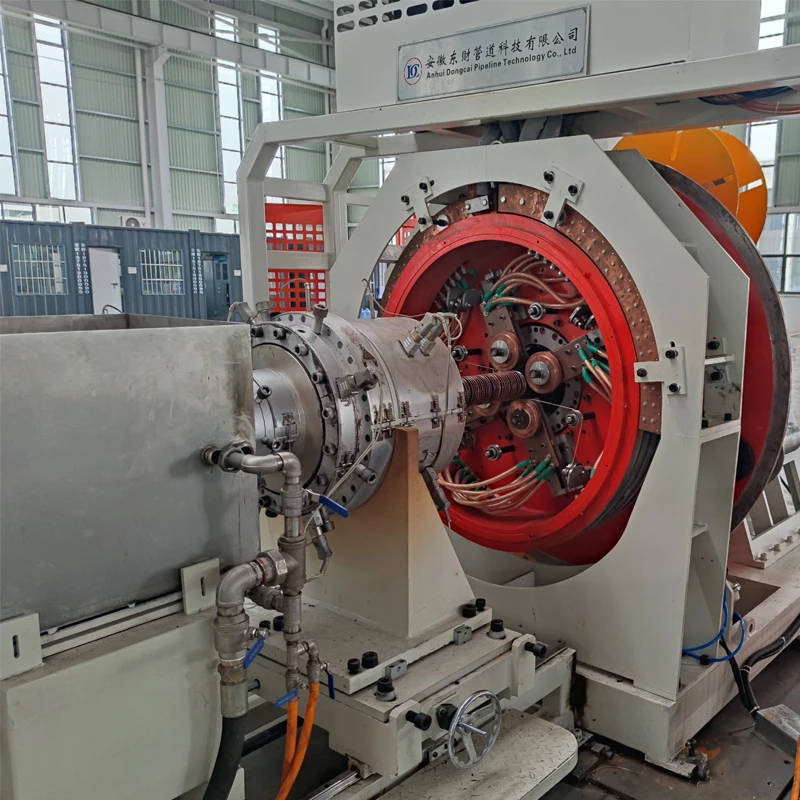
Figure 2: Advanced extrusion head design for precise pipe formation.
Product Specification Table: HDPE High Speed And High Efficiency Extrusion Production Line
These specifications illustrate the robust engineering behind a contemporary PE pipe extrusion machine, designed to meet diverse production demands while ensuring precision and energy efficiency. The high output capacity and broad diameter range underscore the versatility required in modern piping infrastructure projects.
Application Scenarios and Technical Advantages
The versatility and inherent properties of polyethylene pipes, expertly manufactured on a high-quality polyethylene pipe production line, make them indispensable across a multitude of critical applications.
Diverse Application Scenarios:
- Municipal Water & Wastewater: PE pipes are ideal for potable water supply, irrigation, and sewage collection due to their non-corrosive nature, leak-proof fused joints, and resistance to biological growth. Their flexibility allows for trenchless installation methods, minimizing disruption and costs.
- Industrial & Chemical Processing: In petrochemical plants, mining operations, and chemical factories, PE pipes safely transport a wide array of corrosive chemicals, slurries, and industrial waste. Their superior chemical resistance minimizes maintenance and extends system lifespan.
- Natural Gas Distribution: HDPE pipes are the material of choice for natural gas distribution thanks to their excellent tensile strength, crack resistance, and ability to withstand ground movement. The fusion welding creates a monolithic pipeline, virtually eliminating leakage points.
- Agricultural Irrigation: Flexible and durable PE pipes are used extensively in agricultural settings for efficient water delivery, often laid across varied terrains without complex fittings, reducing water loss and resource consumption.
- Telecommunications & Power Conduits: PE pipes provide robust protection for fiber optic cables and electrical lines, shielding them from physical damage, moisture ingress, and external pressures.
Key Technical Advantages:
- Corrosion Resistance: Unlike metallic pipes, PE pipes do not rust, rot, or corrode, even in aggressive soil conditions or when transporting corrosive fluids. This significantly reduces maintenance costs and extends operational life, aligning with PPI guidelines (Plastics Pipe Institute, 2020).
- Energy Saving: Smooth internal bore of PE pipes results in lower friction losses compared to traditional materials, reducing pumping energy requirements. Modern PE pipe extrusion machine designs also incorporate energy-efficient motors and heating elements, directly impacting operational expenditures.
- High Impact Strength & Flexibility: PE pipes can withstand significant external loads and ground movement, making them highly resistant to earthquakes, surges, and impacts, ensuring system integrity in dynamic environments.
- Leak-Proof Joints: Heat fusion welding creates strong, homogeneous joints that are as strong as the pipe itself, eliminating common leak points associated with mechanical connections. This is a critical advantage for gas and water applications, enhancing safety and resource conservation.
- Chemical Resistance: Inert to a wide range of chemicals, pH variations, and biological attack, contributing to a prolonged service life in diverse industrial and environmental settings.
- Lightweight & Easy Installation: PE pipes are significantly lighter than steel or concrete pipes, simplifying transportation, handling, and installation, often reducing labor costs and equipment needs, particularly in remote areas.
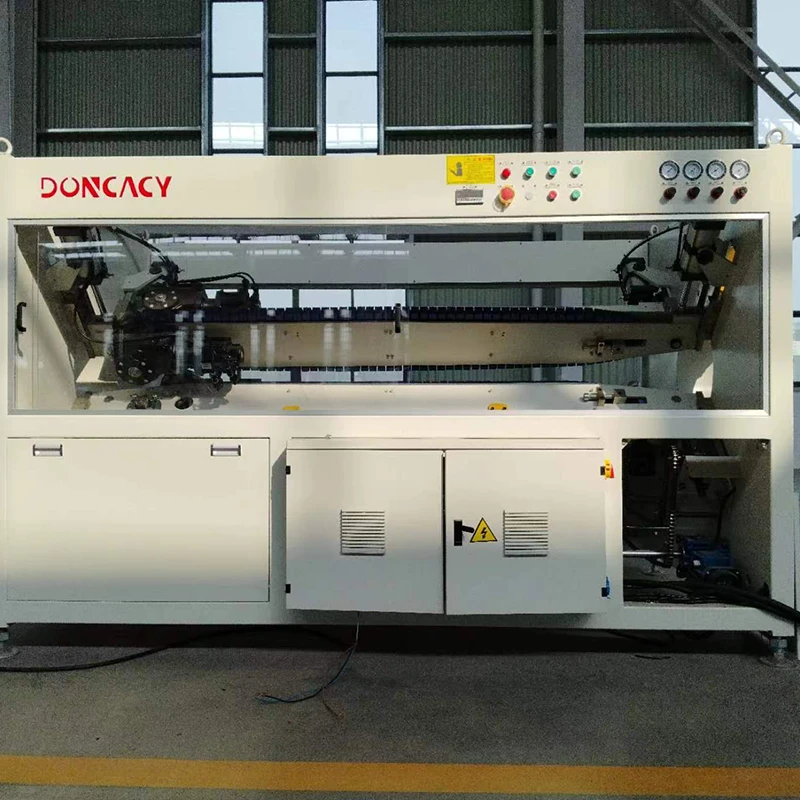
Figure 3: High-speed haul-off unit maintaining consistent pipe dimensions.
Vendor Comparison and Customized Solutions
Selecting the right polyethylene pipe production line supplier is a strategic decision that impacts long-term operational efficiency and profitability. While various suppliers offer HDPE pipe extrusion machine for sale options, differentiating factors go beyond the initial hdpe pipe production line price.
Key Differentiators in Vendor Selection:
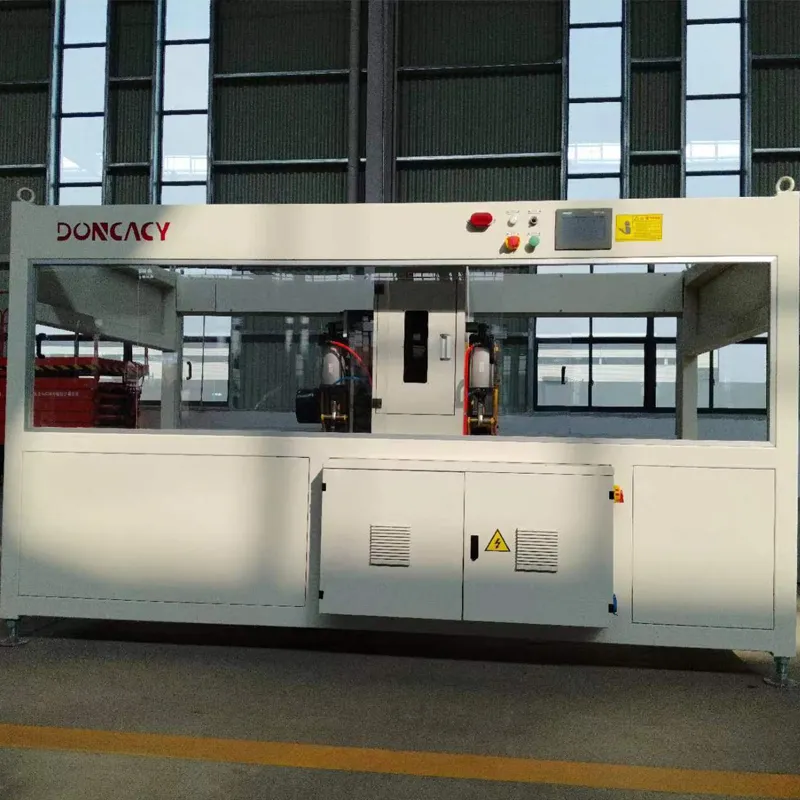
Figure 4: Automated pipe coiling system for smaller diameter pipes.
Customized Solutions for Specific Needs
Recognizing that every production requirement is unique, leading manufacturers of the PE pipe extrusion line offer extensive customization options. This flexibility allows clients to configure a line that precisely matches their product portfolio and operational goals. Customization can include:
- Pipe Diameter & Wall Thickness Range: Tailoring the line to produce specific pipe sizes from small bore (e.g., 20mm) to very large diameter (e.g., 1200mm and above) with varying pressure ratings.
- Material Versatility: Lines optimized for specific PE grades (PE80, PE100, PE100 RC) or capable of handling a broader spectrum, including composite materials or filled polymers.
- Co-extrusion Capabilities: Integration of additional extruders for multi-layer pipes (e.g., inner protective layers, color stripes, anti-UV outer layers) to enhance pipe functionality.
- Automation Level: From semi-automated systems to fully integrated, intelligent production lines with gravimetric dosing, automatic winding/cutting, and online quality control systems (e.g., ultrasonic thickness gauges).
- Energy Optimization: Specific configurations designed for maximum energy efficiency, including heat recovery systems and advanced motor controls, directly impacting the hdpe pipe production line price in terms of long-term operational costs and environmental footprint.
- Plant Layout Integration: Designing the line to fit existing factory spaces and integrate seamlessly with upstream material handling and downstream packaging systems, optimizing workflow.
Application Case Studies and Customer Experience
The true measure of a polyethylene pipe production line's value lies in its proven performance in real-world applications. Our solutions have empowered numerous clients globally to achieve superior production outcomes and market leadership. Our expertise is built on years of serving demanding B2B clients in various industries.
Case Study 1: Large-Scale Municipal Water Supply Project
A major municipal water authority in Southeast Asia sought to upgrade its aging water infrastructure with a durable, leak-proof system. We supplied a high-capacity polyethylene pipe production line capable of producing HDPE pipes up to 630mm OD. The line featured gravimetric dosing, advanced vacuum calibration, and a multi-caterpillar haul-off, ensuring consistent wall thickness and dimensional stability to meet the strict requirements of potable water supply networks.
- Outcome: The client achieved a 25% increase in production output compared to their previous line and reported less than 0.5% material waste, a critical factor in reducing operational costs. The produced pipes consistently met ISO 4427 standards with zero defects, contributing to a significantly reduced non-revenue water rate for the municipality.
- Customer Feedback: "The precision and reliability of this polyethylene pipe production line have exceeded our expectations. Our pipe quality is consistent, and operational costs are considerably lower due to energy efficiency and minimal downtime, allowing us to serve our community better."
Case Study 2: Specialized Gas Distribution Network Expansion
A national gas utility required a reliable PE pipe extrusion machine to produce PE100 gas pipes for expanding their distribution network across challenging terrains. The challenge was to maintain strict dimensional tolerances (SDR ratings) and ensure an impeccable surface finish for optimal fusion welding, crucial for gas containment safety. Our solution included a specialized spiral die head optimized for PE100 gas pipes, an integrated online ultrasonic gauging system for real-time wall thickness and concentricity control, and a high-precision planetary cutter for burr-free cuts.
- Outcome: The client successfully produced PE100 pipes consistently meeting EN 1555 standards with enhanced safety margins and a reported 99.8% quality pass rate. The automated quality control reduced the need for manual checks by 40%, speeding up their overall production cycle and ensuring regulatory compliance.
- Customer Feedback: "The technical support and customization provided were outstanding. The extrusion line delivered precisely what was promised, enabling us to confidently supply pipes for critical gas infrastructure with unparalleled safety and quality, ensuring reliable service to millions of households."
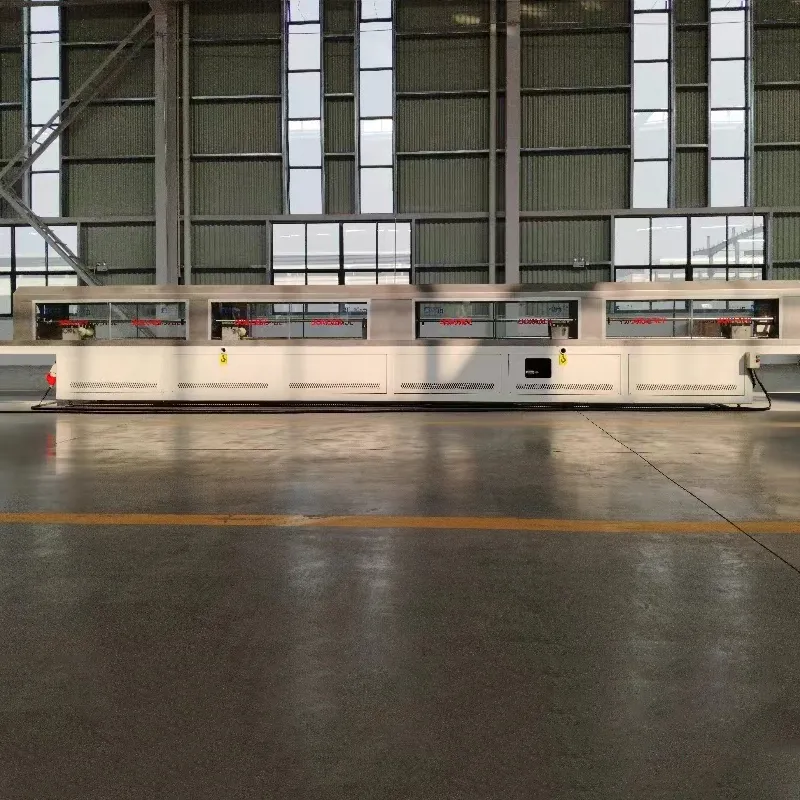
Figure 5: Precision pipe cutting using an automated planetary saw.
Ensuring Trust: FAQs, Lead Time, Warranty & Support
Building trust in B2B engagements requires transparency and unwavering commitment to client success. Here’s how we ensure reliability and support for your polyethylene pipe production line investment. Our operational history of over two decades in the industry further solidifies our authoritativeness.
Frequently Asked Questions (FAQs)
What is the typical lead time for a new polyethylene pipe production line?
Lead times vary based on customization and complexity, typically ranging from 60 to 120 working days from order confirmation and receipt of initial payment. We provide a precise timeline upon project scope finalization, ensuring clear expectations.
What kind of warranty is offered on your HDPE pipe extrusion machine for sale?
We offer a standard 12-month warranty on mechanical and electrical components, extending from the date of commissioning or 18 months from shipment, whichever comes first. This warranty covers manufacturing defects and component failures under normal operating conditions. Extended warranty options are available.
Do you provide installation and training for the PE pipe extrusion line?
Yes, our expert engineers provide comprehensive on-site services including installation supervision, thorough commissioning, and comprehensive operational and maintenance training for your technical team. This ensures a smooth startup, optimal performance, and empowers your staff with the necessary knowledge.
How does your polyethylene pipe production line price compare with competitors?
While our hdpe pipe production line price might reflect superior component quality, advanced technology, and comprehensive support, we focus on providing the best total cost of ownership (TCO). This is achieved through higher energy efficiency, lower maintenance requirements, extended operational life, and superior output quality, leading to a stronger long-term return on investment (ROI).
Lead Time & Fulfillment
Our streamlined manufacturing processes and robust supply chain enable efficient fulfillment of orders for our PE pipe extrusion machine systems. Typical lead times for standard configurations range from 2 to 4 months. Complex or highly customized lines may require additional time for engineering, component procurement, and rigorous testing, with exact timelines always provided transparently in project proposals. We maintain clear and proactive communication regarding production schedules and delivery milestones, keeping clients informed every step of the way.
Warranty & After-Sales Support
Beyond the comprehensive warranty, our commitment extends to unparalleled after-sales support, ensuring your operational continuity. This includes:
- 24/7 Technical Assistance: Remote and, when necessary, on-site expert support to diagnose and resolve operational issues swiftly, minimizing downtime.
- Spare Parts Availability: A readily available, well-managed inventory of critical spare parts to ensure rapid replacement and minimize production interruptions.
- Regular Maintenance Services: Optional service contracts for preventative maintenance, routine inspections, and performance optimization to prolong equipment life and efficiency.
- Software Updates: Ensuring your control systems and HMI interfaces remain up-to-date with the latest features, security enhancements, and performance improvements.
Our dedication to quality and service ensures that your investment in a high-efficiency PE pipe extrusion machine continues to deliver value for decades. We are certified under ISO 9001 for quality management, reflecting our unwavering commitment to global standards and continuous improvement.
References
- International Organization for Standardization (ISO). (2019). ISO 4427: Plastics piping systems for water supply, and for drainage and sewerage under pressure - Polyethylene (PE).
- ASTM International. (2017). ASTM F714-17: Standard Specification for Polyethylene (PE) Plastic Pipe (SDR-PR) Based on Outside Diameter.
- European Committee for Standardization (CEN). (2014). EN 1555: Plastics piping systems for the supply of gaseous fuels - Polyethylene (PE).
- Plastics Pipe Institute (PPI). (2020). Handbook of Polyethylene Pipe.
- Market Research Future. (2022). Polyethylene Pipe Market Research Report – Global Forecast to 2027.
-
High Efficiency PE Extrusion Line Guide for Plastic ManufacturingNewsApr.16,2026
-
High Speed Steel Wire Mesh HDPE Composite Pipe Production Line - Anhui Dongchai|High Automation&Energy EfficiencyNewsApr.13,2026
-
High Speed Steel Wire Mesh HDPE Composite Pipe Production Line - Anhui Dongchai|High Automation&Energy EfficiencyNewsApr.13,2026
-
Guide to Choosing High Efficiency ppr pipe extrusion machineNewsApr.09,2026
-
Comprehensive Guide to Modern Pipe Production Line Technologies and OptimizationNewsApr.07,2026
-
Choosing the Right Extrusion Pipe Machine for Optimal Plastic Pipe ProductionNewsApr.04,2026
-
Comprehensive Guide to PPR Pipe Extrusion Line Technology and ApplicationsNewsMar.31,2026


