
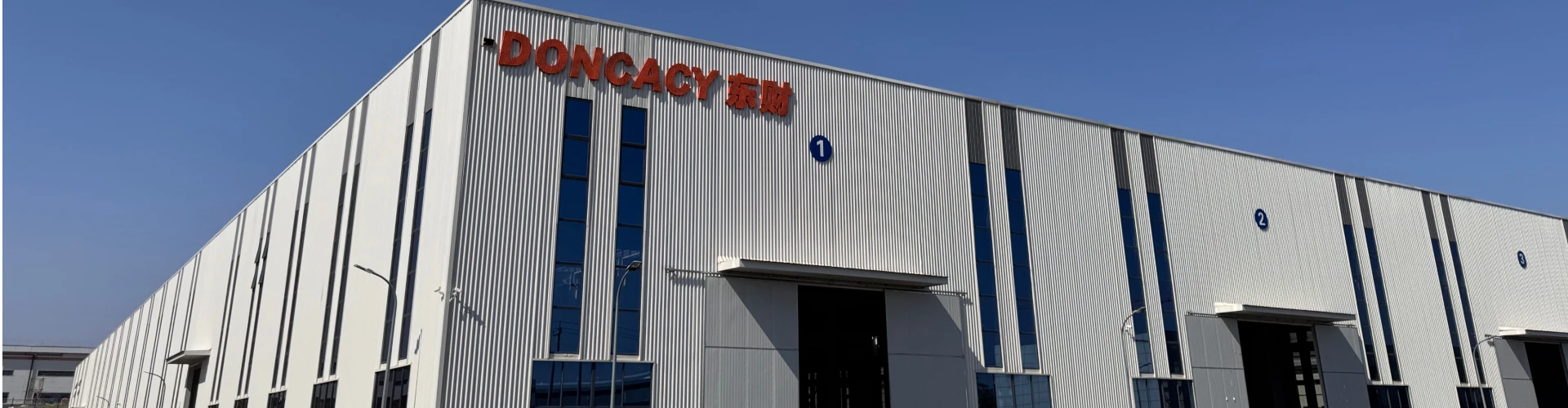
Plastic Pipe Extrusion Line: The Backbone of Modern Infrastructure
Imagine a city without reliable water or gas supply. Hard to picture, right? That’s largely due to plastic pipe extrusion lines quietly doing their job worldwide. These production lines churn out essential pipes for plumbing, irrigation, sewage, and more — pipes that must meet exacting standards for durability, efficiency, and cost-effectiveness. Understanding plastic pipe extrusion lines isn’t just for factory floor managers; it’s critical for anyone interested in sustainable infrastructure, global development, or even humanitarian logistics.
Why This Topic Matters Globally
According to the World Bank, about 2 billion people worldwide lack access to safely managed drinking water services. Part of addressing this gap involves deploying cost-efficient, robust piping solutions where traditional materials fall short. Plastic pipe extrusion lines enable mass production of lightweight, corrosion-resistant pipes tailored to diverse environments. In the grander scheme, these lines play a quiet role supporting everything from urban growth to post-disaster rehabilitation, shaping health outcomes and economic opportunities around the globe.
Mini Takeaway:
The plastic pipe extrusion line isn’t just a factory setup; it’s a pivotal tool linking industrial innovation with people's everyday health and infrastructure needs worldwide.
The Big Picture: What Is a Plastic Pipe Extrusion Line?
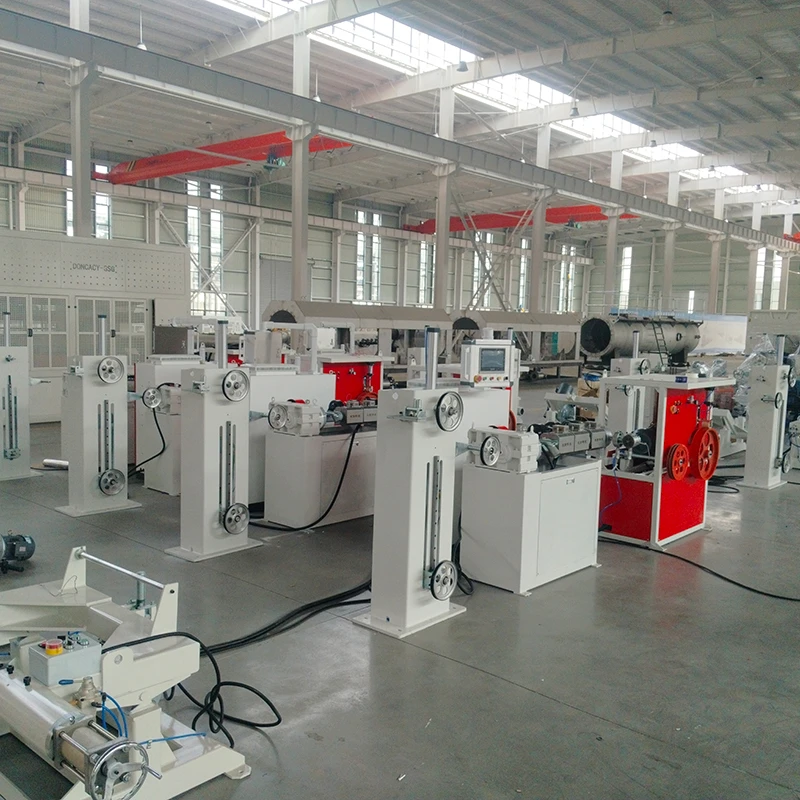
At its core, a plastic pipe extrusion line is an industrial system designed to continuously melt, shape, and cool plastic materials to produce pipes of various diameters and specifications. Usually, raw polymer pellets—like PVC, HDPE, or PP—move through an extruder, heated and homogenized, before being pushed through a die to form pipe shapes. Then, cooling and calibration systems refine the dimensions and surface finish. Finally, the pipes are cut to length and collected.
This process isn’t just about making tubes; it’s about creating vital conduits for resilient water systems, electrical protection, gas transport, and agricultural irrigation. The adaptability of these lines helps industries and humanitarian agencies alike — say, equipping remote villages or rebuilding after floods.
Mini Takeaway:
Simply put, a plastic pipe extrusion line converts raw materials into essential infrastructure elements — pipes — that keep modern life flowing smoothly.
Core Components and Key Features of Plastic Pipe Extrusion Lines
1. Durability and Material Range
The extrusion line’s ability to process different plastics offers flexibility in pipe durability and function. For instance, HDPE pipes deliver excellent environmental resistance, while PVC variants handle pressure better. Many engineers emphasize material choice as a pivotal factor — it dictates lifespan and resistance to chemicals, UV, or mechanical stress.
2. Scalability and Production Speed
Whether serving a small artisan workshop or an industrial-scale factory, these lines can be adjusted for throughput. Some production lines deliver dozens of meters of piping per minute, which matters hugely in big projects or disaster relief where speed is safety.
3. Cost Efficiency and Waste Reduction
Modern extrusion lines minimize waste by recycling rejected pipe ends back into the system, reducing raw material costs. Capable of automated controls, they ensure consistent output quality while cutting labor needs — a double win for economic and environmental sustainability.
4. Customization and Versatility
From producing small diameter tubing for irrigation to giant sewer pipes, extrusion lines adapt via interchangeable tooling and dies. Some even incorporate multi-layer extrusion for enhanced properties—think UV barriers or reinforced pipes.
5. Quality Control and Testing Integration
Inline gauges monitor pipe thickness and diameter, while hydraulic testing units detect leaks or weaknesses right after extrusion. This reduces the risk of faulty pipes entering supply chains.
Mini Takeaway:
Key features like material flexibility, scalability, and automation make plastic pipe extrusion lines an attractive investment for diverse industries and regions.
Global Applications: Where and How These Lines Make a Difference
Plastic pipe extrusion lines power numerous industries around the world — and often in unexpected places:
- Emerging Markets: In many African and Asian countries, these lines enable local production of affordable water and sanitation pipes, cutting import dependence.
- Post-Disaster Relief: After earthquakes or floods, rapid deployment of piping for emergency water supply hinges on locally available plastic pipes produced by extrusion lines.
- Municipal Infrastructure: Cities in Europe and North America utilize advanced extrusion technology to supply durable gas and telecommunications conduits.
- Agricultural Development: Irrigation systems in arid zones rely heavily on customized plastic pipes for efficient water distribution.
Oddly enough, even industries like mining or offshore drilling turn to these products because plastic piping offers chemical resistance and flexibility traditional metals can’t match.
Mini Takeaway:
From high-tech cities to rural farms, plastic pipe extrusion lines have a hand in shaping infrastructure that supports daily life and economic progress worldwide.
Product Specification Table: Sample Plastic Pipe Extrusion Line
| Specification | Detail |
|---|---|
| Pipe Diameter Range | 16mm to 630mm |
| Material Compatibility | HDPE, PVC, PP |
| Output Capacity | 20-40 meters/minute |
| Power Consumption | ~75 kW |
| Control System | PLC with touchscreen HMI |
| Cooling Method | Water bath + vacuum calibration tank |
| Automation Level | Semi to fully automated |
Comparing Major Plastic Pipe Extrusion Line Vendors
| Vendor | Country | Material Range | Max Output Speed | Automation | Warranty |
|---|---|---|---|---|---|
| PolyTech Systems | Germany | HDPE, PVC, PP, PEX | 45 m/min | Full automation | 3 years |
| AsiaPlas Extrusion | China | HDPE, PVC | 25 m/min | Semi-automated | 2 years |
| EcoPipe Machinery | USA | HDPE, Recycled Polymers | 30 m/min | Full automation with AI monitoring | 5 years |
Advantages and Long-Term Value of Investing in Plastic Pipe Extrusion Technology
From a practical standpoint, these extrusion lines cut costs by reducing manual labor and raw material waste. They enhance sustainability by enabling pipes made from recycled plastics or facilitating energy-efficient production. Socially, having local manufacturing capacity for pipes builds community resilience — no longer dependent on outside suppliers prone to delays or tariffs.
Emotionally, there’s a comforting reliability knowing water delivery or gas systems won’t fail due to old metal pipes corroding underground. Trust in infrastructure goes beyond pipes itself — it’s about dignity and health, ensuring clean water access is not a luxury.
Emerging Trends and Innovations
Looking forward, the plastic pipe extrusion line arena evolves rapidly. Digital transformation introduces automated defect detection and predictive maintenance, reducing downtime. New composite and bio-based polymers offer potential for greener pipes. Automation, combined with IoT sensors, is making real-time quality control and remote troubleshooting standard, even in remote factory setups.
Some firms are experimenting with solar-powered extrusion lines to reduce carbon footprints, while others invest heavily in multi-layer pipe technology that blends strength with barrier properties to meet tougher applications.
Challenges Facing Plastic Pipe Extrusion Lines and Industry Solutions
Despite all the good news, it’s not without challenges. Handling material contamination from recycled plastics can degrade pipe quality. Initial capital costs for fully automated lines are high. Skilled operators remain scarce in some regions, which slows adoption. And environmental concerns about plastic waste persist globally.
Nonetheless, the industry rallies by improving sorting technologies, developing training programs, optimizing machine designs for ease of use, and promoting circular economy principles — reusing and recycling pipes at end of life.
FAQ: Your Questions About Plastic Pipe Extrusion Lines
Q1: What types of pipes can a plastic pipe extrusion line produce?
A typical line can make pipes ranging from small-diameter irrigation tubes (~16mm) to large sewer pipes (~630mm). Materials include HDPE, PVC, PP, and sometimes recycled polymers. Multi-layer pipes for specialized needs are also possible.
Q2: How do extrusion lines handle quality control during production?
Modern lines use inline sensors to monitor pipe dimensions and surface integrity continuously. Automated feedback loops adjust the process in real-time, while downstream hydraulic testers help detect leaks or weak spots before packaging.
Q3: Can these extrusion lines be scaled for small or large production runs?
Absolutely. Many lines feature modular designs adapting to output needs from artisan-level shops to full-scale factories pumping out dozens of meters per minute.
Q4: Are plastic pipe extrusion lines environmentally sustainable?
Sustainability depends on machine design and materials. Using recycled feedstock and energy-efficient drives helps, as does proper end-of-life management of the pipes themselves.
Q5: How can companies get support for setting up these extrusion lines in developing countries?
Vendors often provide turnkey solutions including training, installation, and ongoing technical support. NGOs and governments sometimes partner with suppliers to localize production and build capacity.
Conclusion: Pipes Made Better, Faster, and Greener
Plastic pipe extrusion lines represent a smart fusion of technology and necessity. They save costs, reduce waste, and support public health infrastructure that millions rely on daily. It’s this combination of efficiency, adaptability, and innovation that keeps these lines at the core of many global development strategies. If you’re looking to explore or upgrade your plastic pipe extrusion line options, now is a great time — the future is bright (and reliably piped!).
Mini Takeaway:
From raw polymer to life-saving infrastructure, plastic pipe extrusion lines quietly power the world’s essential connections — and their innovation doesn’t stop anytime soon.
References:
-
High Efficiency PE Extrusion Line Guide for Plastic ManufacturingNewsApr.16,2026
-
High Speed Steel Wire Mesh HDPE Composite Pipe Production Line - Anhui Dongchai|High Automation&Energy EfficiencyNewsApr.13,2026
-
High Speed Steel Wire Mesh HDPE Composite Pipe Production Line - Anhui Dongchai|High Automation&Energy EfficiencyNewsApr.13,2026
-
Guide to Choosing High Efficiency ppr pipe extrusion machineNewsApr.09,2026
-
Comprehensive Guide to Modern Pipe Production Line Technologies and OptimizationNewsApr.07,2026
-
Choosing the Right Extrusion Pipe Machine for Optimal Plastic Pipe ProductionNewsApr.04,2026
-
Comprehensive Guide to PPR Pipe Extrusion Line Technology and ApplicationsNewsMar.31,2026


