
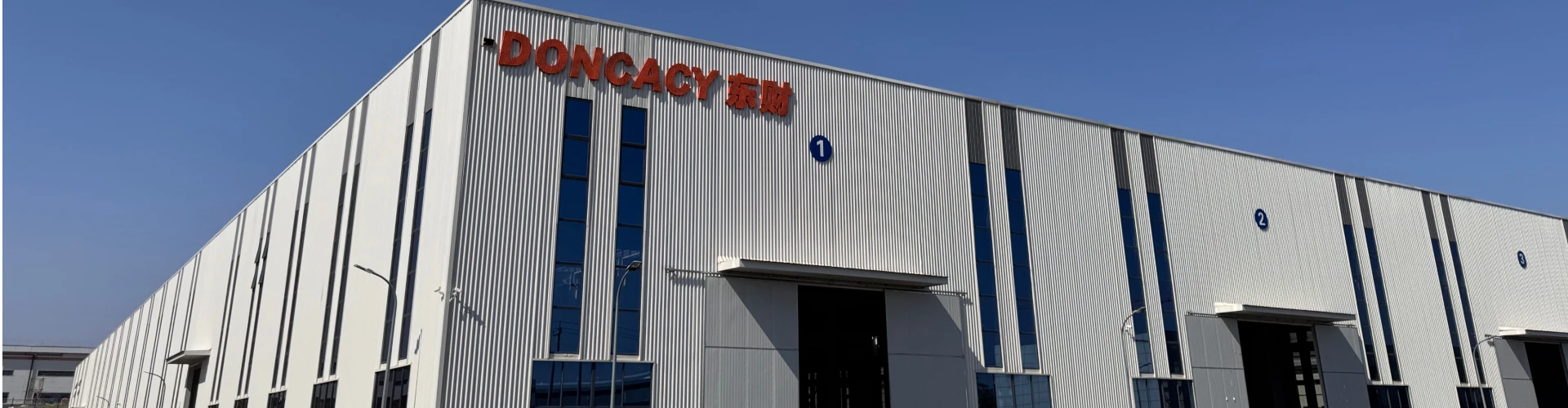
Plastic Extruder Machines for Sale: Your Gateway to Modern Manufacturing
At first glance, a plastic extruder machine might sound like just another piece of industrial jargon. But these machines are quietly transforming how products are made worldwide—reshaping industries from packaging to construction, and even humanitarian aid. The reason? They turn raw plastic pellets into all sorts of essential materials in a swift, scalable process. Understanding plastic extruder machines for sale isn’t just about buying a piece of equipment—it's about unlocking efficiency, sustainability, and innovation on a global scale.
The Global Context: Why These Machines Matter
The plastics industry counts among the world’s largest, with over 368 million tons produced annually, as the International Organization for Standardization (ISO) notes. Plastic extruder machines are integral to this output—they’re the heartbeat of converting raw materials into usable forms: pipes, films, sheets, and more. Yet the global challenge remains: balancing this industrial growth with environmental concerns and resource efficiency.
Many developing regions still rely on imported plastic materials at high costs. Having access to plastic extruder machine for sale locally can drastically cut production expenses, fuel local economies, and reduce environmental footprints by promoting recycling loops. In short, these machines are part of the solution to meeting both economic and ecological goals worldwide.
Mini takeaway: Plastic extruder machines underlie a massive industry but also hold the key to localized, sustainable manufacturing in developing markets.
What Exactly Is a Plastic Extruder Machine?
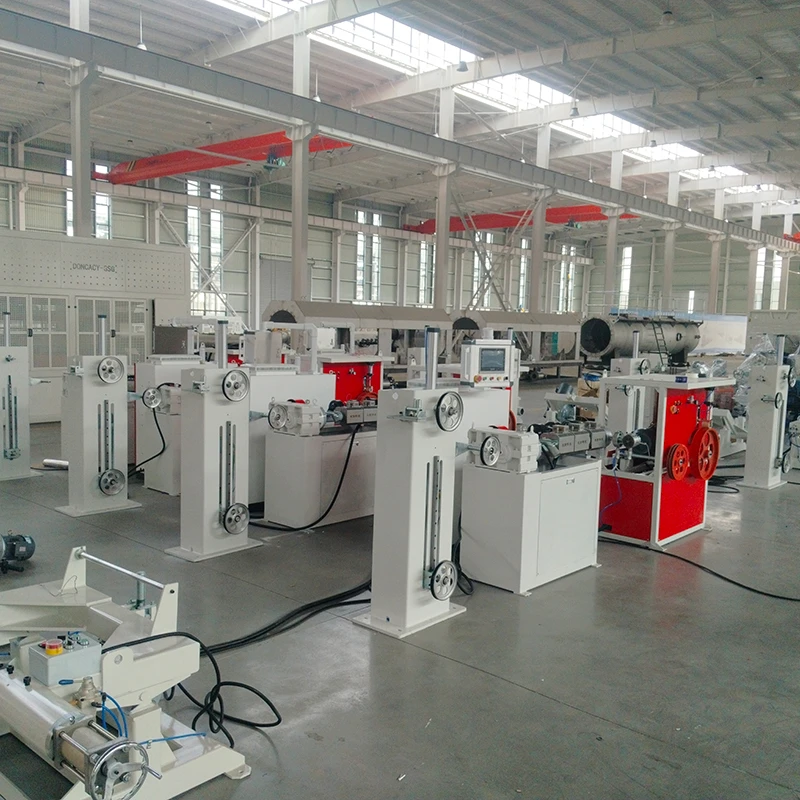
Put simply, a plastic extruder machine is a device that melts plastic raw material—usually pellets or granules—and pushes it through a shaped die to produce continuous profiles like tubing, sheets, and films. This process is called extrusion. The machine typically consists of a hopper (where raw material is loaded), a heated barrel with a rotating screw inside, and the die that forms the molten plastic into a shape.
It sounds straightforward, but it's one of the most versatile methods in modern manufacturing. From everyday consumer goods to components in critical infrastructure—the extruder has a hand in making it all. And beyond industry, extruders contribute to humanitarian projects by enabling on-site production of essential plastic products.
Mini takeaway: Think of the extruder as a magic wand that transforms humble plastic pellets into countless indispensable shapes and forms.
Core Components & Key Factors to Consider
1. Durability and Build Quality
Manufacturers stress corrosion-resistant and wear-proof components, since extrusion operates under high heat and friction. A rugged frame and quality screw design extend machine life and reduce downtime.
2. Scalability and Throughput
Machines come in various sizes—from tabletop models producing a few kilos per hour to massive industrial units churning out tons daily. Matching machine scale with production needs avoids costly over- or under-investments.
3. Energy Efficiency
Energy consumption is a big operational cost. Advanced extruders incorporate variable frequency drives (VFDs) and optimized heating zones to save power without sacrificing quality.
4. Material Compatibility
Most extruders handle thermoplastics like PVC, PE, and PP, but some specialized units process biodegradable or recycled materials, aligning with circular economy principles.
5. Automation and Control Systems
Modern units feature touchscreens and real-time monitoring for precise control—critical for consistent product quality and reducing waste.
6. After-sales Service and Ease of Maintenance
No one likes downtime, especially in fast-paced production environments. Vendors offering quick parts delivery and remote diagnostics make life a lot easier.
Mini takeaway: When choosing a machine, balance robustness, scale, and smart features according to your long-term production goals.
Where Plastic Extruder Machines Are Changing the Game Globally
From Asia’s manufacturing hubs to remote African communities, extruder machines serve diverse functions:
- Developed industrial zones: Production of packaging films, piping systems, automotive parts.
- Emerging economies: Local production of affordable construction materials, reducing import reliance.
- Humanitarian relief: Quick manufacturing of water storage tanks or temporary shelters supports disaster recovery.
- Recycling facilities worldwide: Granulating waste plastics that feed directly back into extrusion systems.
For example, a cooperative in Southeast Asia equipped with a plastic extruder machine for sale boosted local pipe production by 30%, cutting import costs and creating jobs. Oddly enough, the ripple effect was both economic and social—a point many engineers highlight when advocating for wider machine accessibility.
Mini takeaway: Plastic extruders aren’t just industrial tools—they’re economic engines that empower local communities.
Advantages & Long-Term Value of Owning an Extruder
- Cost Efficiency: Producing plastic components locally saves shipping and tariff costs, especially for bulky items like pipes or sheets.
- Sustainability: Many extruders support recycled plastics, meaning less waste and lower raw material extraction.
- Reliability: Consistent output quality builds customer trust and reduces rework.
- Social Impact: Local production creates jobs, promotes technical skill development, and fosters innovation.
- Safety & Innovation: Automation reduces operator risk and allows precision manufacturing.
To a small manufacturer, these benefits translate as steady growth and greater resilience—even in fluctuating markets.
Relevant Product Specifications
| Specification | Typical Range | Remarks |
|---|---|---|
| Output Capacity | 50 - 1,200 kg/hr | Varies by screw size and motor power |
| Screw Diameter | 45 - 120 mm | Determines processing volume and pressure |
| Power Consumption | 10 - 150 kW | Depends on machine size and heating zones |
| Suitable Materials | PVC, PE, PP, PET, Recycled Plastics | Material-specific configurations often needed |
| Automation Level | Manual to PLC-controlled | Advanced models include touchscreen control and fault diagnostics |
Vendor Comparison: Choosing the Right Supplier
| Feature | Vendor A | Vendor B | Vendor C |
|---|---|---|---|
| Price Range | $30,000–$75,000 | $25,000–$70,000 | $40,000–$85,000 |
| Warranty Length | 2 years | 1 year | 3 years |
| Energy Efficiency | High (VFD included) | Moderate | High |
| Global Shipping | Yes | Limited | Yes |
| After-Sales Support | Remote diagnostics & spare parts | Phone support only | On-site service available |
Future Trends & Innovations in Plastic Extruder Machines
The push for sustainability is reshaping the extrusion landscape. Machines now support a broader range of recycled and bio-based plastics, a trend that’s only gaining momentum. Automation is another frontier—integrating AI and IoT sensors to monitor extrusion parameters in real-time, ensuring fewer defects and less waste.
Energy-wise, solar-powered or hybrid extrusion plants are already in pilot stages. Imagine a containerized extruder running entirely off-grid, useful in remote areas or disaster zones. These innovations promise smaller carbon footprints while expanding access.
Mini takeaway: Plastic extruder machines for sale today are not just workhorses—they’re becoming smarter, greener, and more adaptable every year.
Common Challenges and How to Navigate Them
Even with great machines, you’ll hear engineers grumble about:
- Material inconsistencies: Especially when using recycled plastics, variations cause defects.
- High upfront costs: A barrier for small businesses or community projects.
- Maintenance demands: Requires technical expertise and timely servicing.
The good news? Emerging solutions include robust sorting and preprocessing for recyclables, modular machine designs with scalable investments, and vendor-led training programs. Some communities even employ remote techno-support, cutting downtime in half.
FAQ: Your Top Questions on Plastic Extruder Machines for Sale
- Q1: How do I choose the right plastic extruder machine for my business size?
- A: Start by assessing your average daily output needs and materials to be processed. Smaller tabletop models suit R&D or low-volume runs, while large industrial extruders match mass production. Factor in your budget and power availability too.
- Q2: Can these machines process recycled plastic effectively?
- A: Yes, many modern extruders are designed to handle recycled pellets, though quality varies with input materials. Proper sorting and cleaning upstream optimize the process and product quality.
- Q3: What is the expected lifespan of a plastic extruder machine?
- A: With routine maintenance, extruders typically last 10-15 years or more. Screw and barrel wear require periodic replacement, but structural parts often endure much longer.
- Q4: Are plastic extruder machines energy-intensive?
- A: They can be, but advances like variable frequency drives and insulation tech have lowered consumption considerably. Choosing an energy-efficient model makes a big difference for running costs.
- Q5: How can NGOs or small manufacturers source these machines internationally?
- A: Many vendors offer global shipping and remote installation guidance. Some websites, like plastic extruder machine for sale portals, specialize in facilitating cross-border purchases and after-sales support.
Conclusion: Investing in Your Future with Plastic Extruder Machines
In real terms, purchasing a plastic extruder machine isn’t just a financial investment; it’s a commitment to manufacturing flexibility, environmental responsibility, and community empowerment. Whether you’re a startup, a seasoned industrialist, or an NGO, these machines open doors to localized production that can adapt to evolving materials and market demands.
Ready to explore solutions? Take a look at available options at plastic extruder machine for sale and find one that fits your ambitions. Future-proof your operations—and perhaps along the way, help build a more sustainable plastic economy.
References
-
High Efficiency PE Extrusion Line Guide for Plastic ManufacturingNewsApr.16,2026
-
High Speed Steel Wire Mesh HDPE Composite Pipe Production Line - Anhui Dongchai|High Automation&Energy EfficiencyNewsApr.13,2026
-
High Speed Steel Wire Mesh HDPE Composite Pipe Production Line - Anhui Dongchai|High Automation&Energy EfficiencyNewsApr.13,2026
-
Guide to Choosing High Efficiency ppr pipe extrusion machineNewsApr.09,2026
-
Comprehensive Guide to Modern Pipe Production Line Technologies and OptimizationNewsApr.07,2026
-
Choosing the Right Extrusion Pipe Machine for Optimal Plastic Pipe ProductionNewsApr.04,2026
-
Comprehensive Guide to PPR Pipe Extrusion Line Technology and ApplicationsNewsMar.31,2026


