
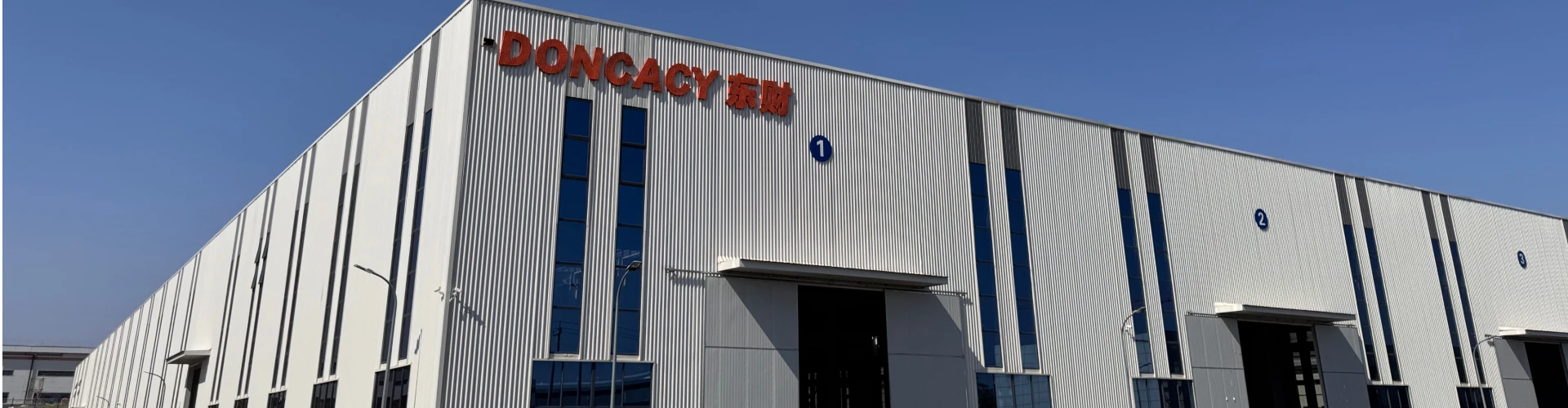
Understanding Plastic Extruder Machine Price: Why It Matters Globally
If you've ever wondered how plastic products—from simple pipes to complex automotive parts—are made, you're partly looking at the work of plastic extruder machines. But behind this machinery, one crucial factor often dictates manufacturing viability: the plastic extruder machine price. Why does this price matter? Because it shapes accessibility, drives innovation, and influences global supply chains in plastics manufacturing, an industry worth over $600 billion worldwide as per the latest data from the International Trade Centre (ITC). Whether you're a startup setting up a production line or a humanitarian organization exploring sustainability, grasping the nuances of plastic extruder machine pricing equips you with knowledge to navigate the market smartly and sustainably.
Introduction: The Global Context of Plastic Extruder Machine Price
Globally, plastic manufacturing accounts for millions of jobs and extensive economic activity. The World Bank estimates the plastics and polymer sector contributes heavily to industrial output in regions like Asia, Europe, and the Americas. Yet, the manufacturing landscape faces rising raw material costs, supply chain disruptions, and increasing regulatory pressures on sustainability. Here, the plastic extruder machine price becomes more than just a purchase figure—it's a managing lever for cost control and environmental impact mitigation. Lower-priced machines may promise entry-level solutions but often struggle with durability or energy efficiency, whereas high-end machines can offer scalability, automation, and consistent output.
Definition & Meaning
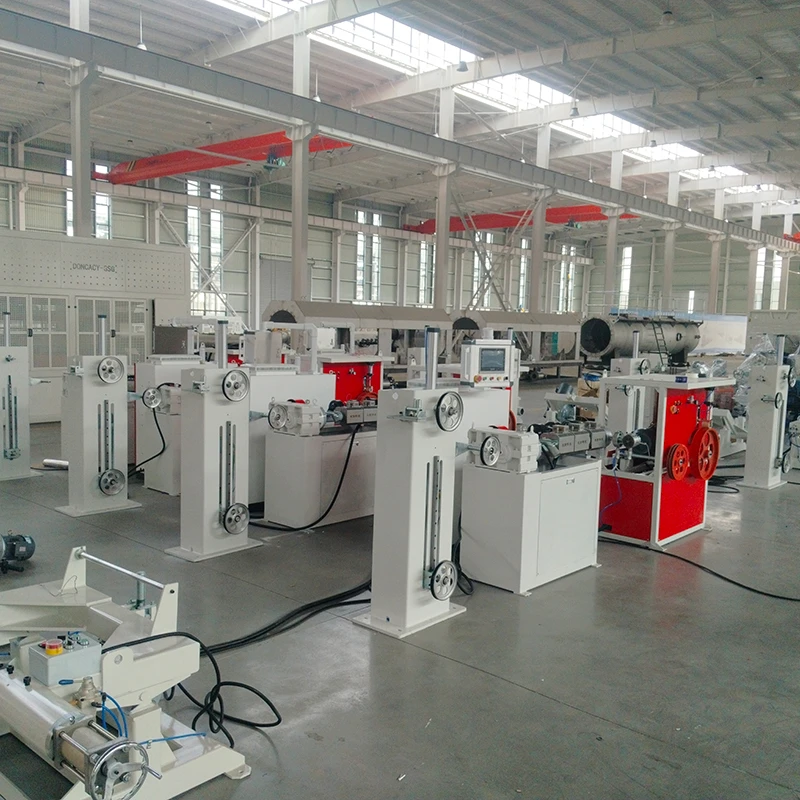
Simply put, the plastic extruder machine price refers to the upfront investment cost in acquiring a machine designed to melt and shape plastic resins through a continuous process called extrusion. These machines convert raw plastic pellets into pipes, sheets, tubes, or profiles by forcing the molten plastic through shaped dies. Their price varies based on features such as capacity, motor power, automation level, and build quality. In modern industry, this cost is linked directly to production efficiency, quality control, and environmental footprint. For humanitarian or developing regions, affordability of extruder machines can open doors to improved plastic manufacturing, waste recycling initiatives, and local enterprise development.
Key Factors Influencing Plastic Extruder Machine Price
1. Durability and Build Quality
Frankly, a machine is only as useful as its ability to endure harsh operating conditions. High-grade steel components and corrosion-resistant parts tend to push the price upward but ensure years of trouble-free use. Skimping here might save initial cash but could lead to costly downtime.
2. Production Capacity & Throughput
Capacity, usually measured in kilograms per hour (kg/h), defines how much plastic the machine can process. Larger, industrial-scale extruders command a premium but serve large-volume demands efficiently.
3. Energy Efficiency
With rising energy costs and sustainability concerns, extruders designed for lower power consumption are increasingly valued. Sometimes a pricier machine pays back in reduced operating costs.
4. Automation and Control Features
Digital controls, PLC integration, and real-time monitoring make high-end models more expensive yet simplify operation and improve product consistency.
5. Manufacturer Reputation & After-Sales Support
Companies known for reliable service and spare parts availability usually price their machines accordingly, but that reliability can save headaches.
| Specification | Value |
|---|---|
| Production Capacity | 200 kg/h |
| Motor Power | 30 kW |
| Material Compatibility | PE, PP, PVC |
| Automation Level | PLC with touch screen interface |
| Approximate Price Range | $20,000 - $50,000 |
Global Applications & Use Cases
Plastic extruder machines find applications across a diversity of industries. In China and India, which dominate global plastics production, affordable extruders support local manufacturers producing packaging films and tubing. In post-disaster relief operations, organizations use compact extruders to recycle plastic waste onsite into construction materials or piping, cutting logistics costs. Remote industrial zones benefit when machines offer resilience combined with energy efficiency, reducing fuel demands. Even the medical sector taps into precision extrusion for manufacturing disposable devices.
If you’re exploring options, you might find our plastic extruder machine price listings useful, especially for regional comparisons.
Vendor Comparison Table
| Vendor | Price Range (USD) | Automation | Warranty | Regional Support |
|---|---|---|---|---|
| Vendor A | $22,000 - $45,000 | Semi-automatic | 1 year | Global |
| Vendor B | $30,000 - $60,000 | Full automation | 2 years | Asia, Europe |
| Vendor C | $18,000 - $40,000 | Manual control | 6 months | Emerging markets |
Advantages & Long-Term Value of Understanding Plastic Extruder Machine Price
When you’re weighing extruder machines, it’s not just the initial price that counts. A higher-priced machine with better build and automation can reduce labor costs, minimize downtime, and lower energy bills—making a difference in the long term. Moreover, reliable machinery ensures production safety, preserving operator dignity and workplace trust. For companies committed to sustainability, investing in energy-efficient extruders aligns with reducing their carbon footprint and meeting growing regulatory demands—building innovation and brand value simultaneously.
Future Trends & Innovations
It’s an exciting time as extrusion technology evolves. We expect to see more green energy integrations like solar-powered extrusion lines, and digital twins enabling remote machine monitoring and predictive maintenance. Advances in biodegradable and recycled materials also push manufacturers to require machines that can handle diverse input plastics. Automation will continue to enhance precision and throughput, potentially lowering average machine prices due to economies of scale and AI-assisted quality control.
Challenges & Solutions
Of course, the terrain isn’t without bumps. Many smaller manufacturers struggle with the upfront costs of high-quality extruder machines. Some low-cost units come with limited durability, frequent maintenance needs, or poor energy efficiency. The solution? Careful vetting of supplier reputation, requesting demo runs, and factoring in total cost of ownership rather than just sticker price. Increasingly, suppliers offer leasing or financing to ease cash flow constraints, while governments sometimes provide incentives for eco-friendly machinery.
Frequently Asked Questions About Plastic Extruder Machine Price
-
What factors most influence plastic extruder machine price?
The main influencers include production capacity, automation features, energy efficiency, and build quality. Features like advanced control systems or high-capacity motors tend to increase cost. -
Are cheaper extruder machines less reliable?
Not always, but oftentimes lower prices come with trade-offs such as reduced durability, higher maintenance, or limited feature sets. It’s wise to balance cost with long-term performance. -
Can I find plastic extruder machines that run on renewable energy?
Yes, some manufacturers now offer machines optimized for solar or wind power systems, matching the growing global push toward green manufacturing. -
How does plastic extruder machine price vary across regions?
Prices reflect local tariffs, supplier presence, and demand. Asia tends to have competitive pricing due to high manufacturing density, while developed regions may see higher costs but superior after-sales support. -
Where can I compare plastic extruder machine prices conveniently?
Industry platforms and supplier websites, like plastic extruder machine price listings, provide useful benchmarks for comparing prices and features side by side.
Conclusion & Call to Action
In real terms, understanding the plastic extruder machine price is key to making strategic investments that blend cost-efficiency and innovation. Whether you’re scaling production or driving sustainable manufacturing, the right extruder affects your bottom line and your brand’s future. Curious about specific models or looking to buy? Visit our website for detailed price comparisons and expert guidance: https://www.ahdc11.com.
Mini takeaway: The right investment in plastic extruder machines balances price, performance, and sustainability, unlocking competitive advantage.
References
-
High Efficiency PE Extrusion Line Guide for Plastic ManufacturingNewsApr.16,2026
-
Guide to Choosing High Efficiency ppr pipe extrusion machineNewsApr.09,2026
-
Comprehensive Guide to Modern Pipe Production Line Technologies and OptimizationNewsApr.07,2026
-
Choosing the Right Extrusion Pipe Machine for Optimal Plastic Pipe ProductionNewsApr.04,2026
-
Comprehensive Guide to PPR Pipe Extrusion Line Technology and ApplicationsNewsMar.31,2026
-
Understanding the Functionality and Applications of a Pipe Extruder SystemNewsMar.28,2026
-
Comprehensive Guide to Pipe Extrusion Machine Technology and ApplicationsNewsMar.26,2026


