
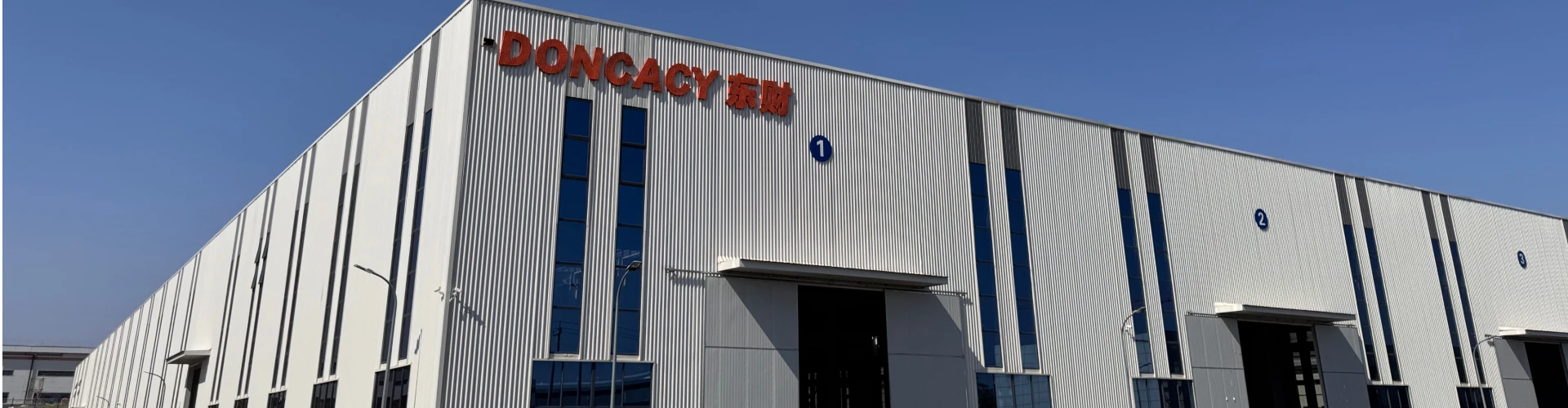
Understanding the PE Pipe Production Line
Having worked in the industrial equipment sector for more than a decade, I’ve seen firsthand how polyethylene (PE) pipes became essential in infrastructure projects, water supply, and gas distribution. The PE pipe production line is at the heart of this – a complex, yet fascinating, set of machines that turn raw PE pellets into durable, precision pipes.
Oddly enough, the process looks deceptively simple on the surface: you feed plastic granules, melt them, shape, cool, and cut. But the devil’s in the details. The quality of the pipes relies heavily on the production line’s design, control systems, and material-handling capabilities. If even one cog is out of sync—say, temperature control slips or extrusion pressure fluctuates—the resulting pipes might have weak points or inconsistent wall thickness.
What really stands out in a good production line is its stability and flexibility. Modern lines can handle a surprising range of pipe diameters—from as small as 20 mm for household plumbing up to 630 mm for municipal water mains. I once encountered a customer who needed a customized line that could quickly switch between different pipe sizes and thicknesses for their regional contracts. The vendor that cracked that challenge offered intuitive PLC controls and modular tooling – a game-changer in productivity.
Key specifications of a typical PE pipe production line
| Parameter | Description |
|---|---|
| Pipe Diameter Range | 20mm – 630mm |
| Extruder Output | 80 – 300 kg/h |
| Material Type | PE100, PE80, HDPE |
| Power Consumption | 45 – 120 kW |
| Automatic Control System | PLC with touch screen interface |
| Cooling System | Water tank and vacuum calibrator |
| Production Speed | 6 – 15 m/min |
Frankly, the best lines I’ve dealt with incorporate real-time thickness measurement and fault sensors. This way, operators get immediate feedback and can tune parameters on the fly, which, in my experience, greatly reduces scrap rates and improves overall efficiency.
From my time visiting factories in Asia and Europe, I noticed that several vendors emphasize energy-efficient drives and low-waste designs, which is no small matter in today’s drive toward greener manufacturing. It’s not just about churning out pipes—it’s about doing so responsibly.
Vendor Comparison of PE Pipe Production Lines
| Vendor | Max Pipe Diameter | Power Efficiency | Automation Level | Customization | Typical Price Range |
|---|---|---|---|---|---|
| Vendor A | 630 mm | High | Full PLC Control | Modular Design | $150k - $250k |
| Vendor B | 500 mm | Medium | Semi-Automatic | Standard Config | $100k - $180k |
| Vendor C | 400 mm | Low | Manual Controls | Basic Options | $75k - $120k |
I suppose what always interests me about the PE pipe production line is how different manufacturers address the same challenges. Some prioritize cost-saving; others lean more into automation and precision control. And sometimes, it’s a customer’s unique needs—like producing pipes with specialized UV resistance or antimicrobial additives—that pushes vendors into custom territory.
I remember a midsize company shifting from a semi-automatic to a fully automated line and how it revolutionized their output. They told me, “We cut waste by 20% and sped delivery up by nearly 30%.” That kind of improvement doesn’t just happen by buying a machine; it’s about partnering with a vendor who truly understands the production nuances.
Lastly, material matters. PE100 is often the go-to for tough underground pipelines, but I’ve also seen HDPE and PE80 fit niche roles due to cost or flexibility requirements. You kind of have to pick your poison—or, better said, your pipe material—based on where and how the pipes will be used.
If you’re exploring options, take a close look at the control systems, cooling methods, and the vendor’s service support. These might be less flashy than specs like “extruder output,” but in real terms, they shape your day-to-day production life.
For those considering investing, a practical tip: visit operational plants if possible. Watching a line hum along with minimal downtime says a lot more than glossy brochures or specs ever could.
In the end, the best PE pipe production line is the one that fits your plants’ unique rhythm—not just the biggest or most automated.
- Technical paper on PE pipe extrusion technologies, Journal of Plastics Engineering, 2021.
- Vendor manuals and plant visits notes, 2018–2023.
- Industry reports from PlasticsEurope and PPI, 2022.
-
High Efficiency PE Extrusion Line Guide for Plastic ManufacturingNewsApr.16,2026
-
High Speed Steel Wire Mesh HDPE Composite Pipe Production Line - Anhui Dongchai|High Automation&Energy EfficiencyNewsApr.13,2026
-
High Speed Steel Wire Mesh HDPE Composite Pipe Production Line - Anhui Dongchai|High Automation&Energy EfficiencyNewsApr.13,2026
-
Guide to Choosing High Efficiency ppr pipe extrusion machineNewsApr.09,2026
-
Comprehensive Guide to Modern Pipe Production Line Technologies and OptimizationNewsApr.07,2026
-
Choosing the Right Extrusion Pipe Machine for Optimal Plastic Pipe ProductionNewsApr.04,2026
-
Comprehensive Guide to PPR Pipe Extrusion Line Technology and ApplicationsNewsMar.31,2026


