
Field Notes on Modern Wire Coating: What’s Really Changing
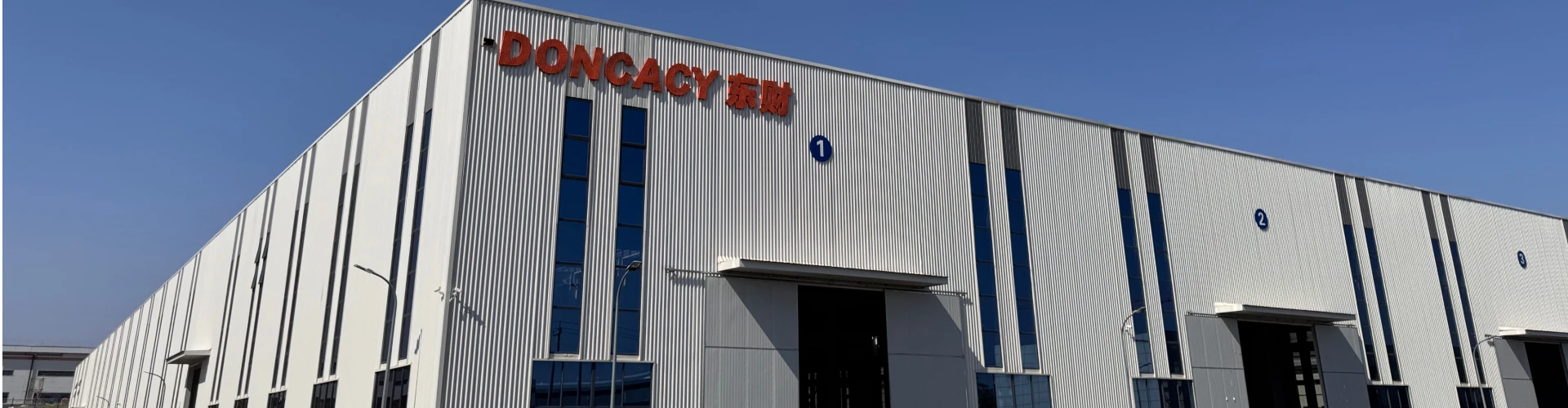
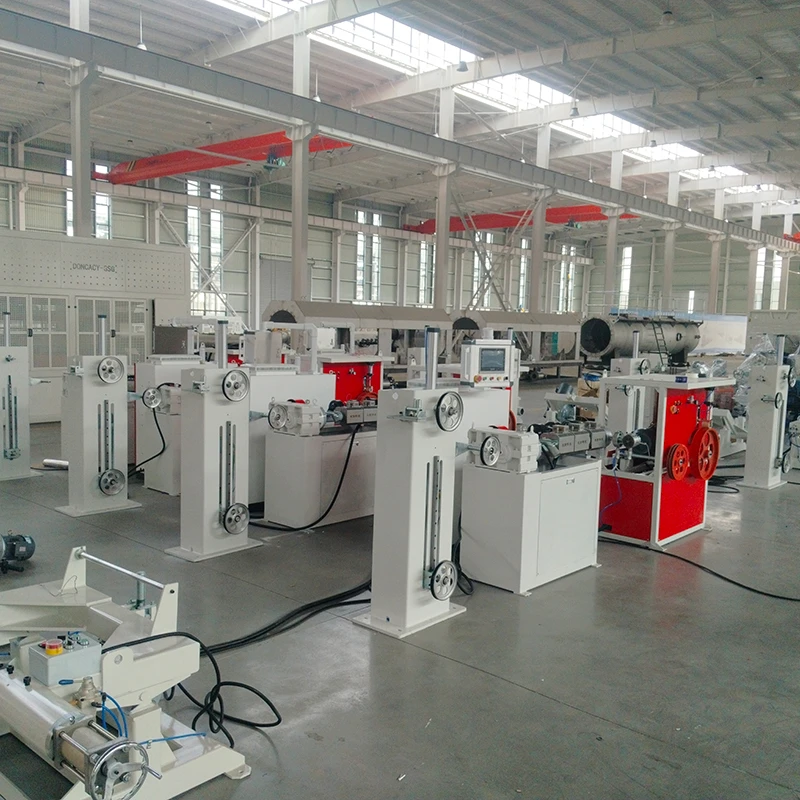
If you’ve spent time on a wire shop floor, you already know the story: uptime beats theory. That’s why the first time I walked a line built around Over Plastic technology, I paid more attention to temperature stability and take-up tension than to brochures. In fact, the production brief is straightforward—wrap a clean steel wire with PE, PVC or other polymers—but the devil is in die centering, cooling, and consistency.
Why the market is leaning into coated wire
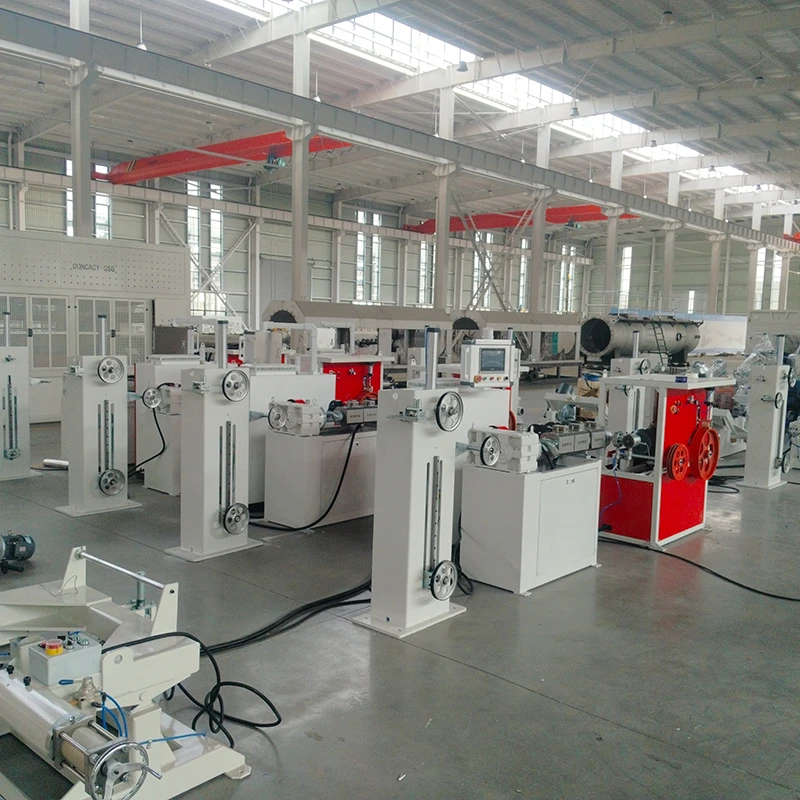
Two converging trends: corrosion regulations tightening (think longer life fencing and cable jacketing), and buyers asking for traceable, test-backed outputs. Honestly, energy pricing has also nudged plants to modernize with better barrel insulation and inverter drives. The Over Plastic setups I’ve seen are tuned for high mix—fine wire for cable cores one day, heavier gauges for fencing the next.
Core specs at a glance
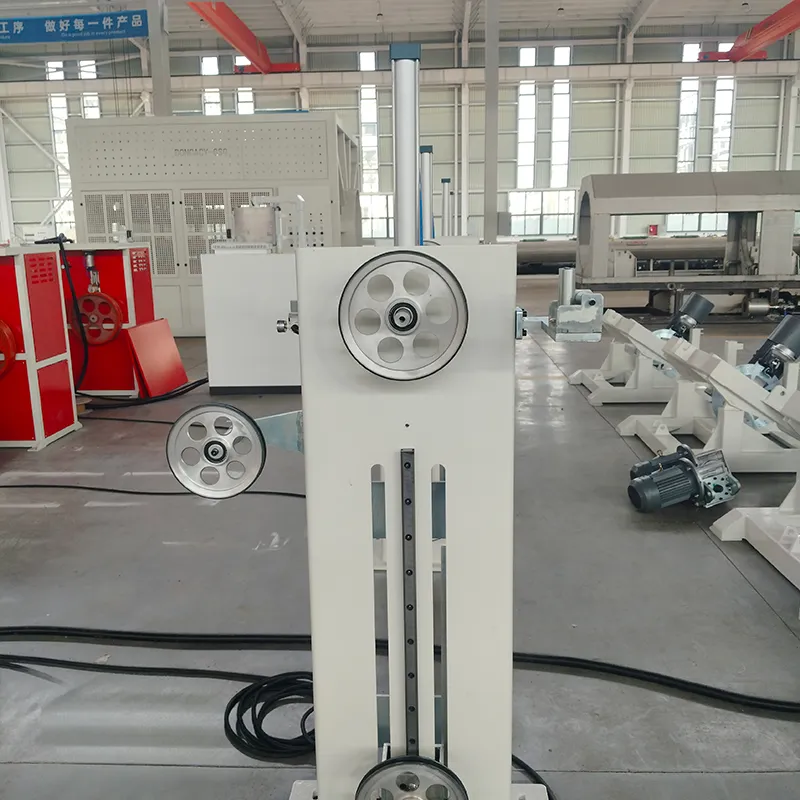
| Parameter | Typical Range | Notes |
|---|---|---|
| Wire diameter | 0.5–6.0 mm | Custom guides/dies for outliers |
| Coating thickness | 0.2–2.0 mm | PE, PVC, PA, modified PP |
| Line speed | 60–300 m/min | Real-world use may vary ≈ |
| Throughput | 0.8–2.5 t/h | Depends on polymer and gauge |
| Energy draw | 45–120 kW | With inverter drives & insulation |
Process flow, materials, and testing
- Materials: PE (LD/HD), PVC (Ca/Zn stabilized), PA12; optional UV packages.
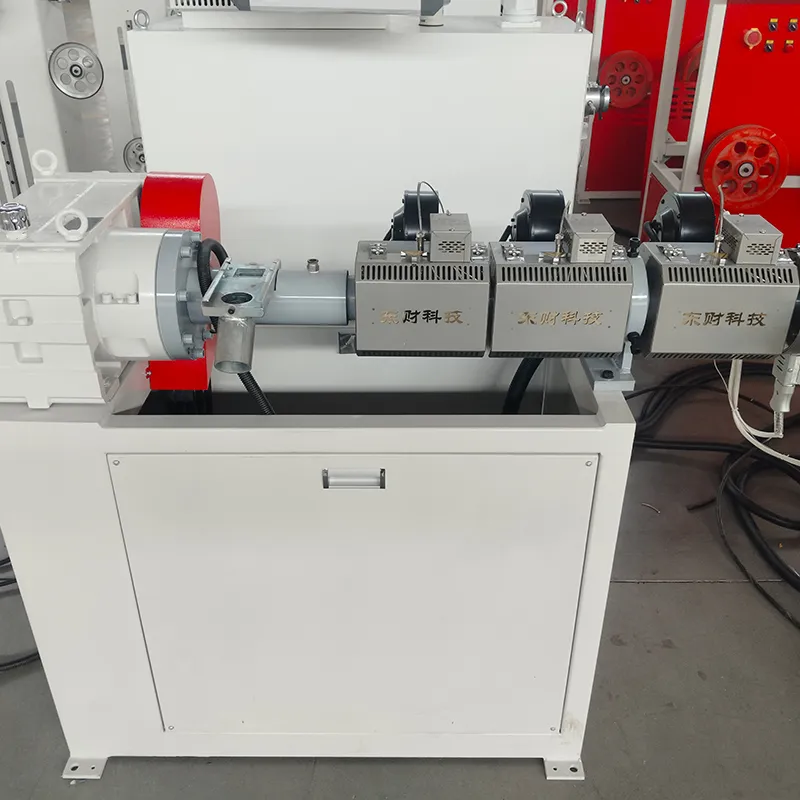
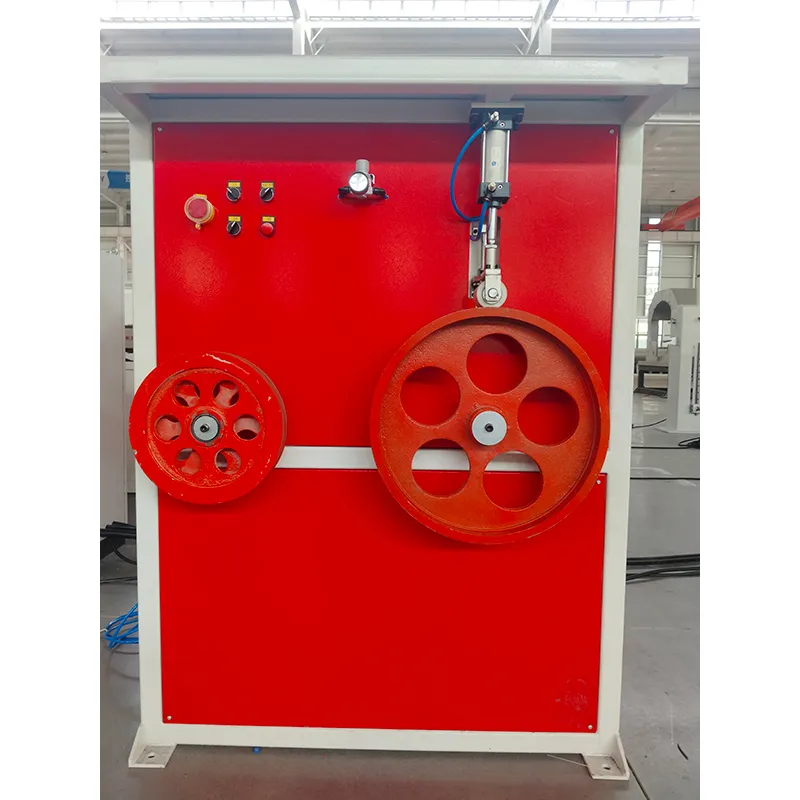
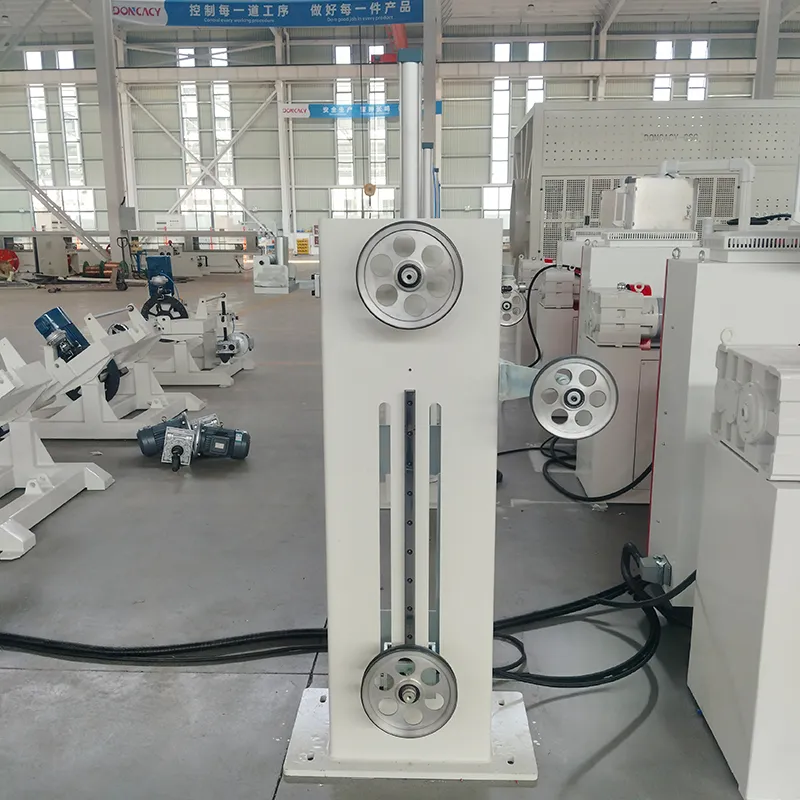
- Method: pay-off → mechanical/alkaline cleaning → plasma or corona (optional) → extrusion head (temperature-zoned) → dual-stage cooling (spray + bath) → spark test → haul-off → accumulator → take-up.
- Testing standards: ASTM D3359 (adhesion, 5B typical), ISO 2409 (Class 0), ISO 9227 (salt spray 720–1,000 h), IEC 60811 (cable compound tests), UL 1581 spark testing; RoHS/REACH compliance.
- Service life: ≈ 10–20 years outdoors with UV package; -30 to 70°C operating envelope depending on polymer.
- Industries: fencing, greenhouse wire, automotive cable, marine rigging covers, spring wire protection.
Applications and advantages
For cable makers, the big win is concentricity and low pinhole rates; fencing producers prioritize weathering. The Over Plastic line’s closed-loop die centering and synchronized haul-off reduce ovality. Surprisingly, many customers say noise levels dropped after switching to belt haul-offs.
Vendor comparison (quick take)
| Vendor | Certifications | Throughput | Customization | Lead Time |
|---|---|---|---|---|
| Overplastic Production Line (Anhui, China) | ISO 9001; CE; RoHS/REACH-ready | 0.8–2.5 t/h | High (dies, cooling, controls) | 6–10 weeks ≈ |
| EU OEM A | ISO 9001; CE | 0.6–2.0 t/h | Medium | 12–20 weeks |
| Local Retrofit B | Varies | 0.4–1.2 t/h | Low–Medium | 4–8 weeks |
Customization and real-world results
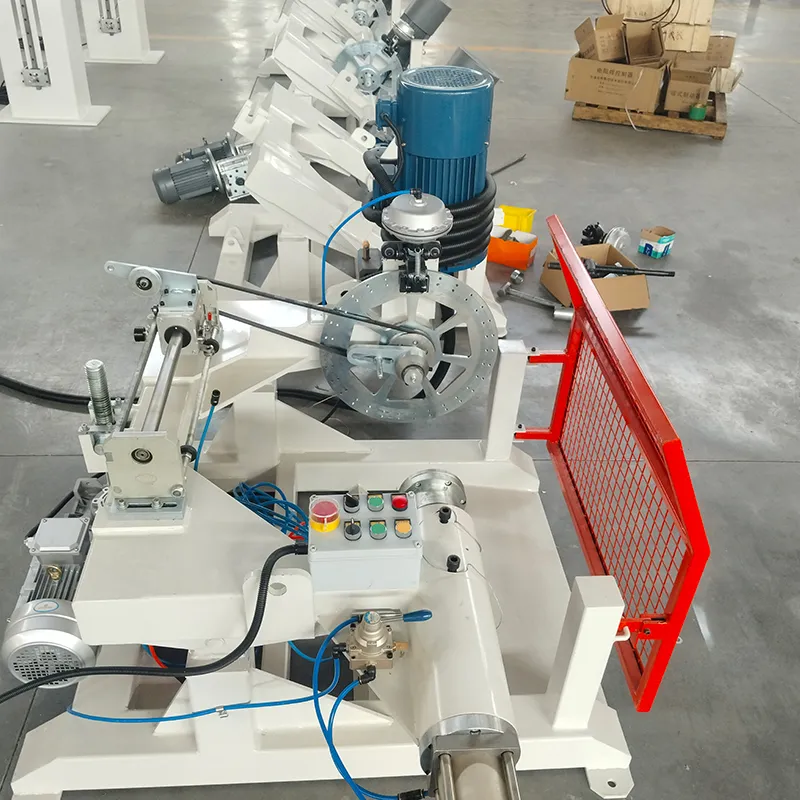
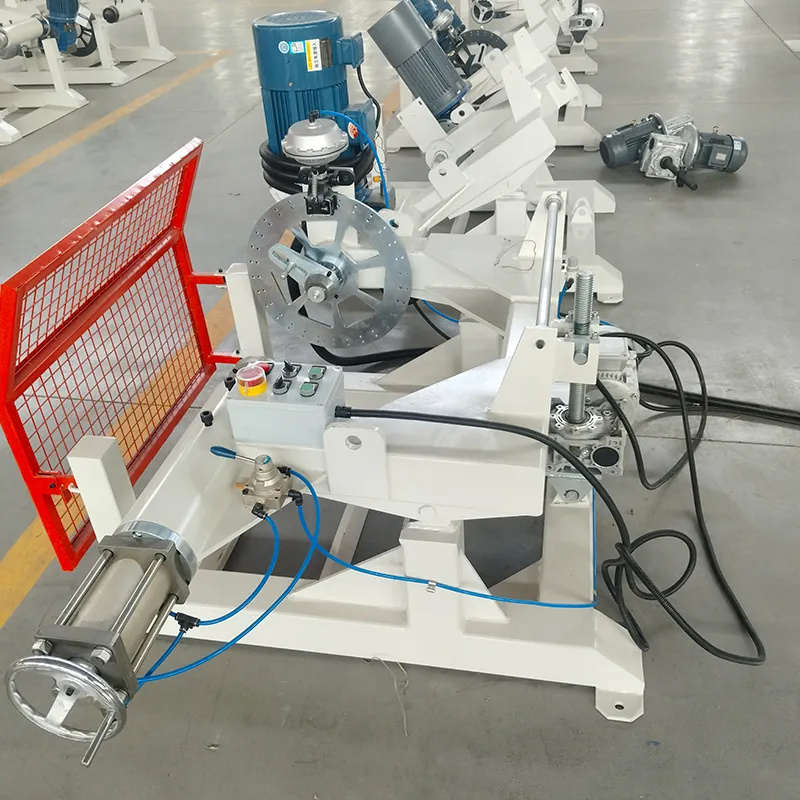
From No. 26 Huzhou Road, Nanqiao District, Chuzhou, Anhui, the team ships lines with tailored cooling tunnels (short bay, dual-bath, or closed-loop chillers), recipe-based PLCs, and quick-change die sets. One Middle East fencing plant reported scrap down 25% and salt-spray resistance past 1,000 h after switching to Over Plastic. A European cable maker logged a 9% energy reduction via upgraded barrel insulation and VFDs—small changes, big savings.
Customer voices
“Concentricity stayed within ±3% all week—even after a color change.”
“Spark-test failures dropped to near zero at 15 kV on 2 mm insulation.” That’s not marketing; that’s shift data.
Key takeaways
- Stable temperatures and balanced haul-off are the real differentiators.
- Documented tests (ASTM/ISO/IEC/UL) win purchase committees, not slogans.
- Plan for quick die swaps if you run high-mix SKUs—saves hours per week.
References
-
High Efficiency PE Extrusion Line Guide for Plastic ManufacturingNewsApr.16,2026
-
High Speed Steel Wire Mesh HDPE Composite Pipe Production Line - Anhui Dongchai|High Automation&Energy EfficiencyNewsApr.13,2026
-
High Speed Steel Wire Mesh HDPE Composite Pipe Production Line - Anhui Dongchai|High Automation&Energy EfficiencyNewsApr.13,2026
-
Guide to Choosing High Efficiency ppr pipe extrusion machineNewsApr.09,2026
-
Comprehensive Guide to Modern Pipe Production Line Technologies and OptimizationNewsApr.07,2026
-
Choosing the Right Extrusion Pipe Machine for Optimal Plastic Pipe ProductionNewsApr.04,2026
-
Comprehensive Guide to PPR Pipe Extrusion Line Technology and ApplicationsNewsMar.31,2026


