
Steel Skeleton Reinforced Polyethylene Composite Pipe Production Line: field notes, specs, and a few real-world lessons
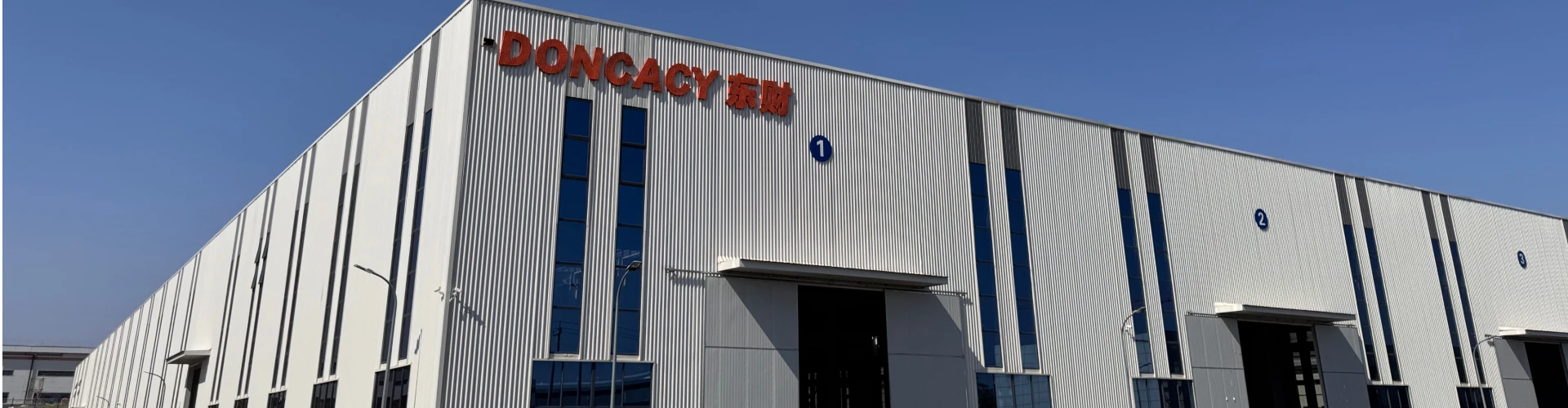
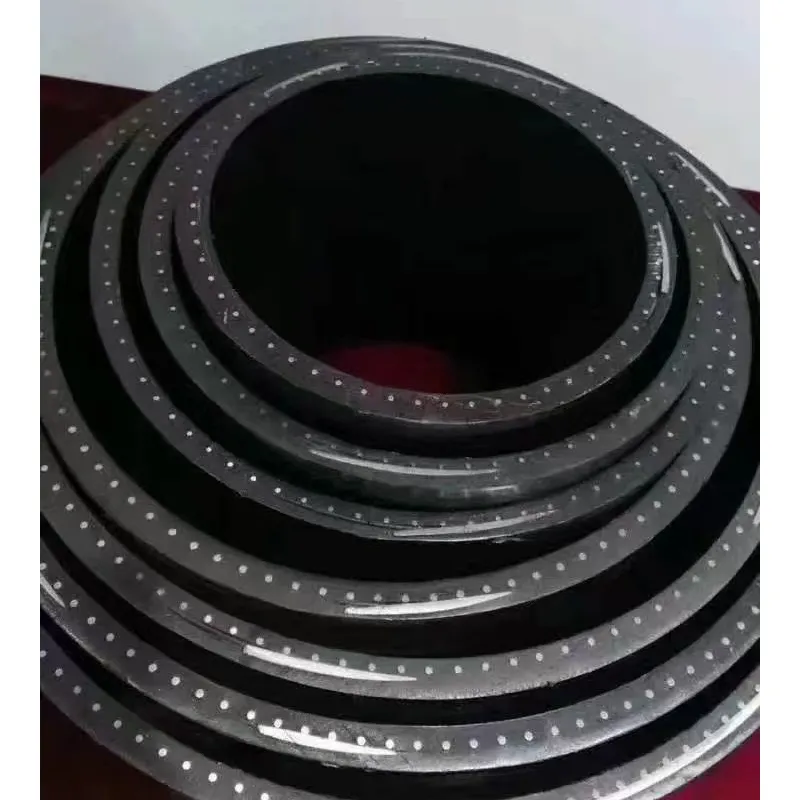
When customers ask why we keep circling back to the composite pipe production line, I tell them it’s because the blend of steel skeleton and HDPE matrix is, frankly, hitting a sweet spot: high hoop strength without the corrosion drama. This SRPE configuration—reticulated steel skeleton continuously wound and welded, encapsulated by PE100—has become the quiet favorite in water, energy, and mining projects. Origin-wise, the model I reviewed is built in No. 26 Huzhou Road, Nanqiao District, Chuzhou City, Anhui Province. Small detail, big signal about manufacturing maturity in that belt.
Industry trend check
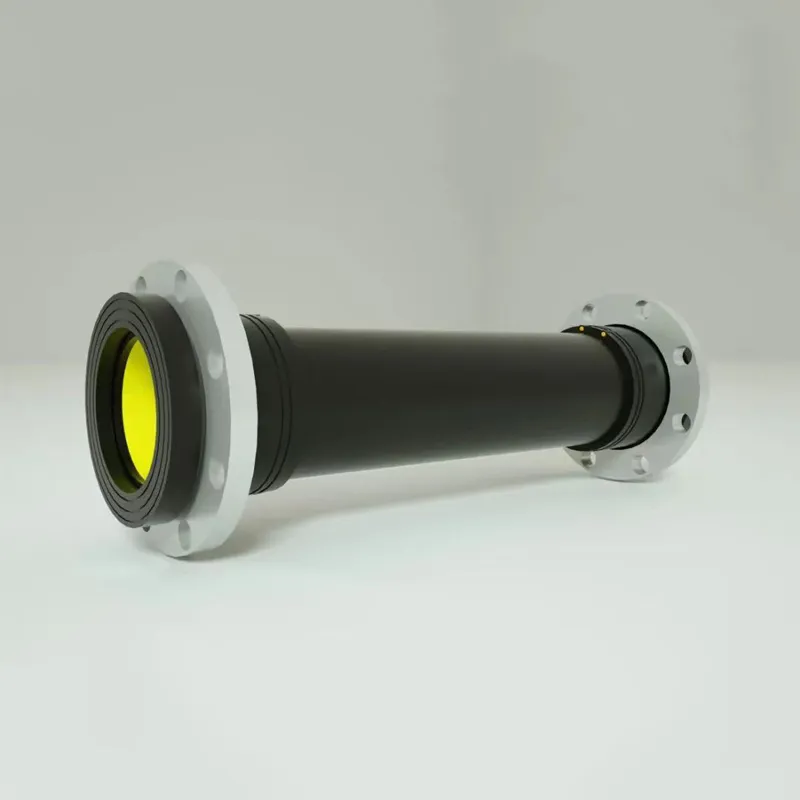
Two macro trends: rising PN-class demands for long-haul water transfer and stricter leakage targets. In fact, SRPE pipes are edging out traditional steel in mid-pressure water injection because of lower life-cycle cost. Many customers say installation is faster than they expected—electrofusion fittings help a lot—while O&M teams like the stable SDR behavior over time.
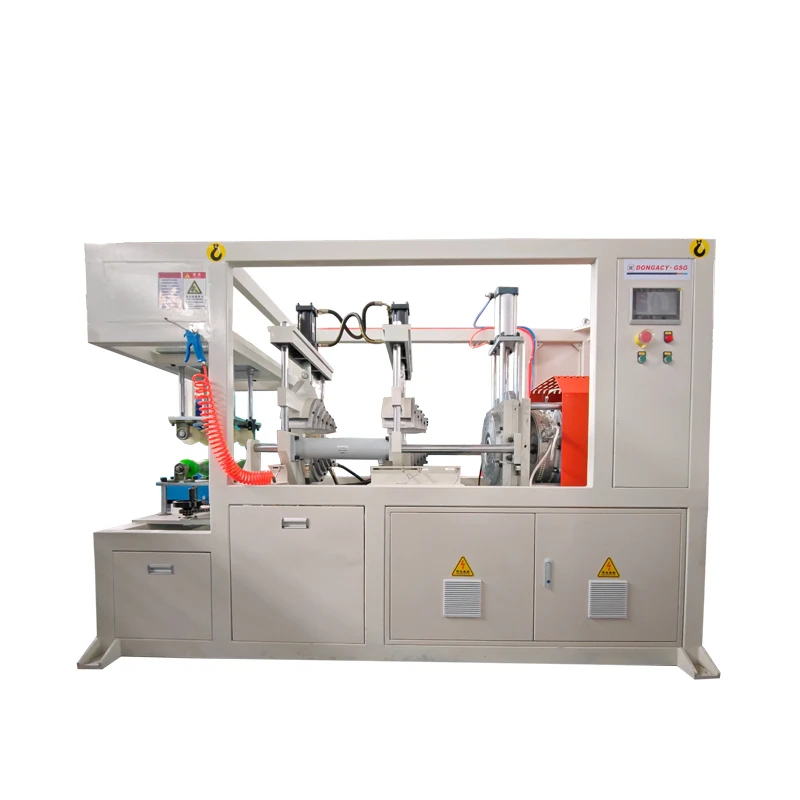
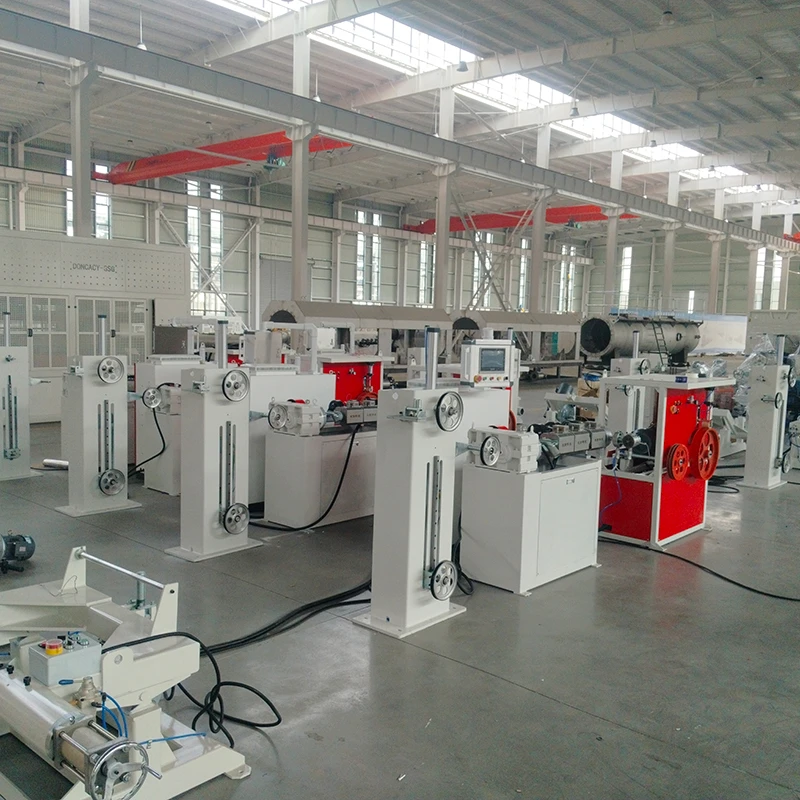
How the SRPE line actually works
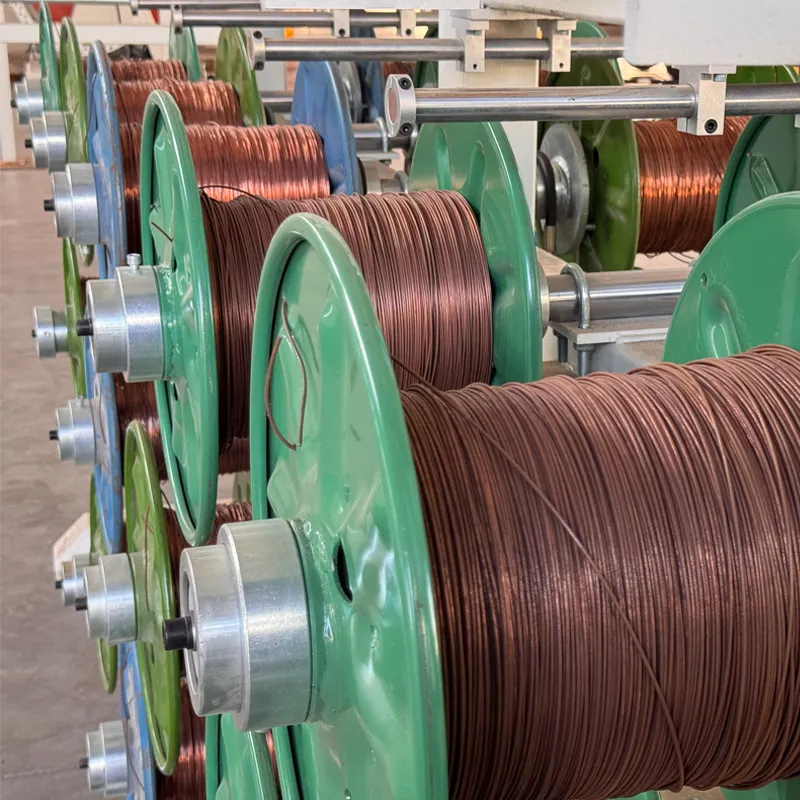
- Materials: PE100 resin (ASTM D3350 cell class PE4710 or similar), reticulated steel skeleton wire/tape, coupling wire, pigment masterbatch.
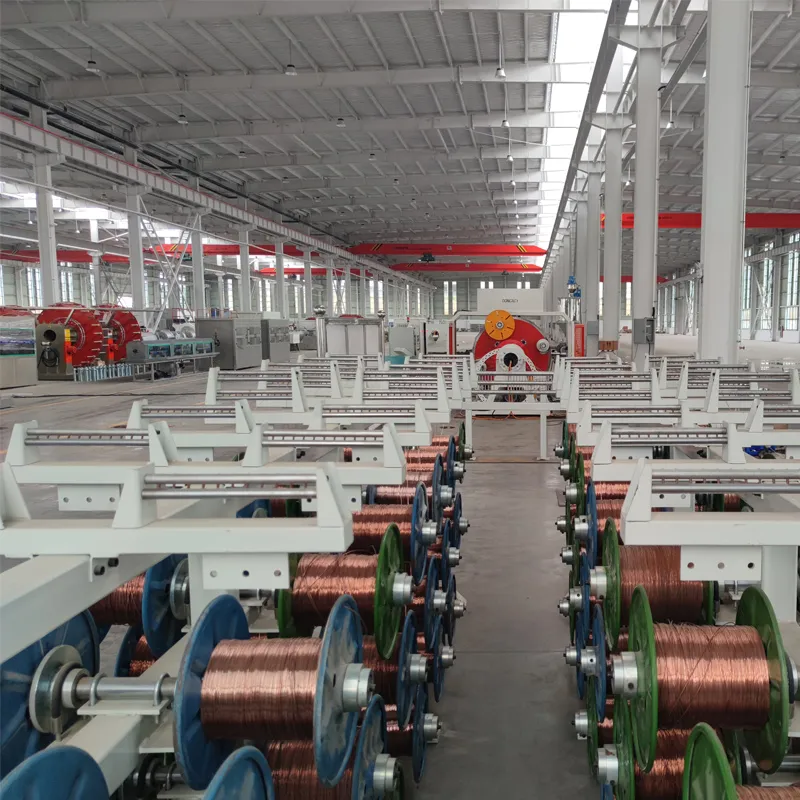
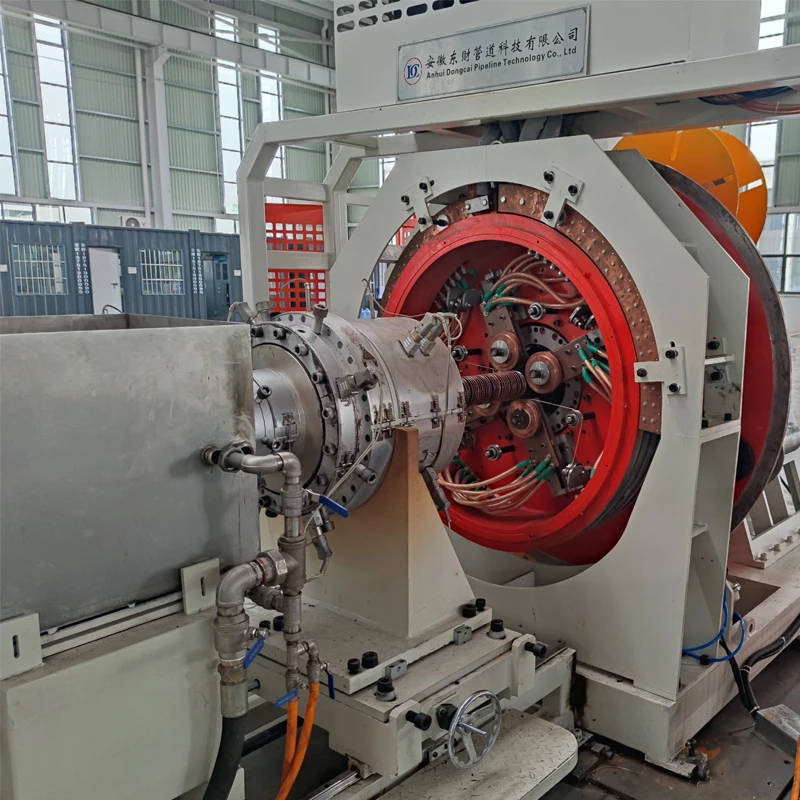
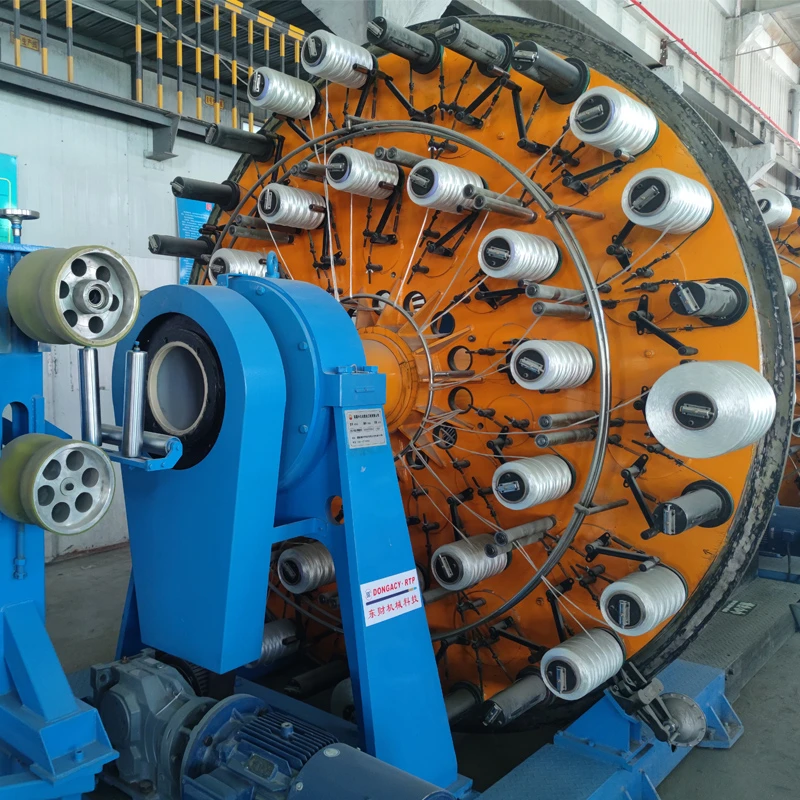
- Forming: continuous winding of the steel skeleton, spot/continuous welding to keep geometry locked.
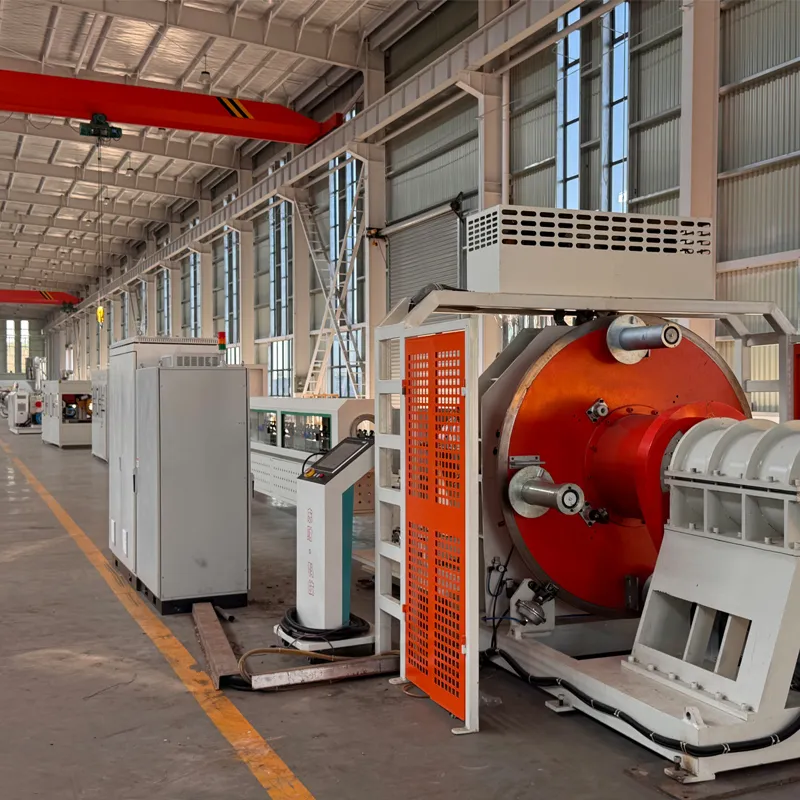
- Encapsulation: primary extruder wraps HDPE matrix; co-extrusion for inner/outer layers if needed.
- Calibration & cooling: vacuum sizing box, multi-stage cooling tanks, caterpillar haul-off.
- Cutting & handling: servo saw or planetary cutter; pipe stacking or coiling for smaller sizes.
- Testing: hydrostatic (ISO 1167), MFR (ISO 1133), tensile (ASTM D638), weld integrity; real-world service life ≈50 years under ISO 4427 assumptions.
Product specs at a glance (SRPE series)
| Model | Pipe OD range | Matrix | Line speed | Output | Pressure class |
|---|---|---|---|---|---|
| SRPE-400 | DN110–DN400 | PE100 | ≈0.5–1.2 m/min | ≈280–400 kg/h | PN6–PN16 |
| SRPE-630 | DN200–DN630 | PE100 | ≈0.4–1.0 m/min | ≈450–650 kg/h | PN10–PN20 |
| SRPE-800 | DN355–DN800 | PE100 | ≈0.3–0.8 m/min | ≈650–900 kg/h | PN12.5–PN25 |
Values are indicative; real-world use may vary by resin, skeleton geometry, and ambient conditions.
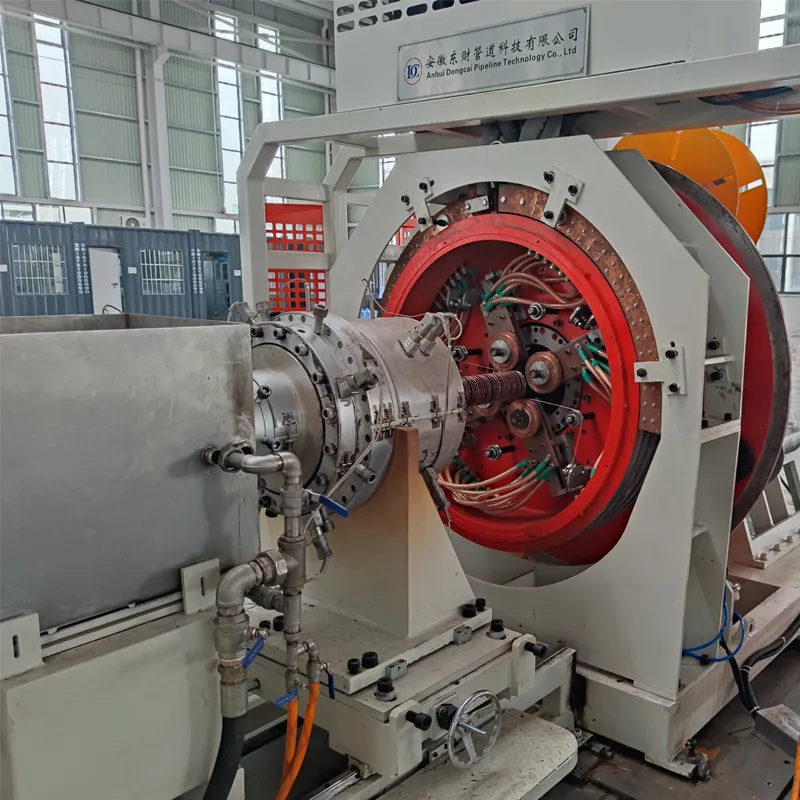
Applications, service life, and test snippets
Typical scenarios: municipal water supply, district cooling, oilfield water injection, mine slurry, and corrosive brine. I guess the big win is stable pressure ratings with fewer corrosion headaches. Type-test snapshots (lab data): ISO 1167 hydrostatic at 20°C, 100 h, hoop stress ≈9.0–9.5 MPa; 80°C, 165 h, ≈5.0–5.4 MPa. These align with ISO 4427 expectations for 50-year design life—assuming correct SDR and fusion.
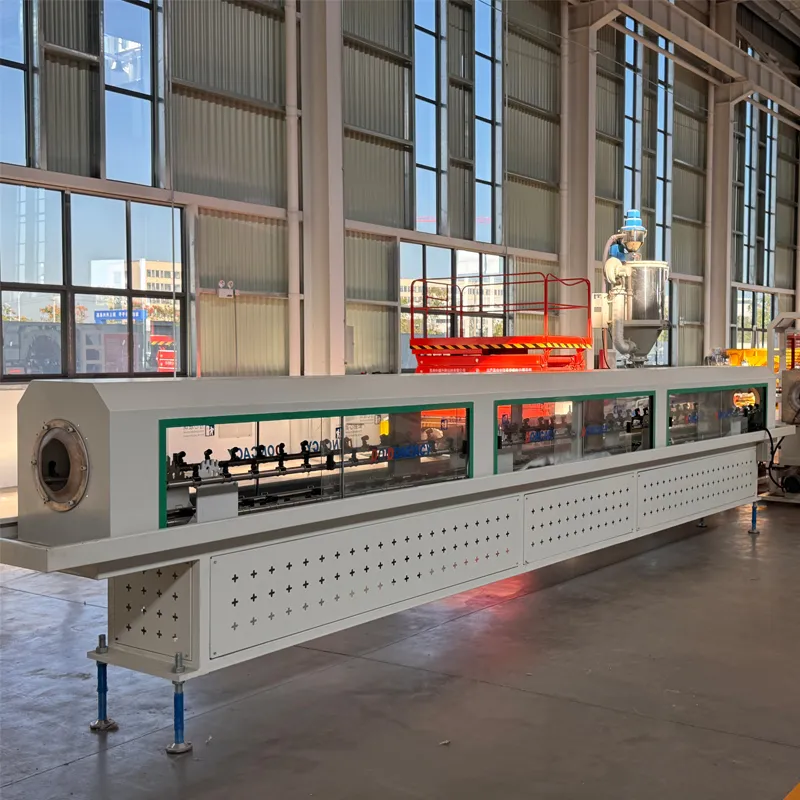
Customization and controls
Custom options: DN110–DN800 (larger on request), PN6–PN25, inner liner color stripe, Siemens/ABB drive mix, closed-loop haul-off tension, SPC dashboards, and IIoT gateways. For fittings, electrofusion per ISO 21307 procedures keeps joints honest. If you’re scaling, plan for chiller capacity and power factor correction—small things, big uptime effect.
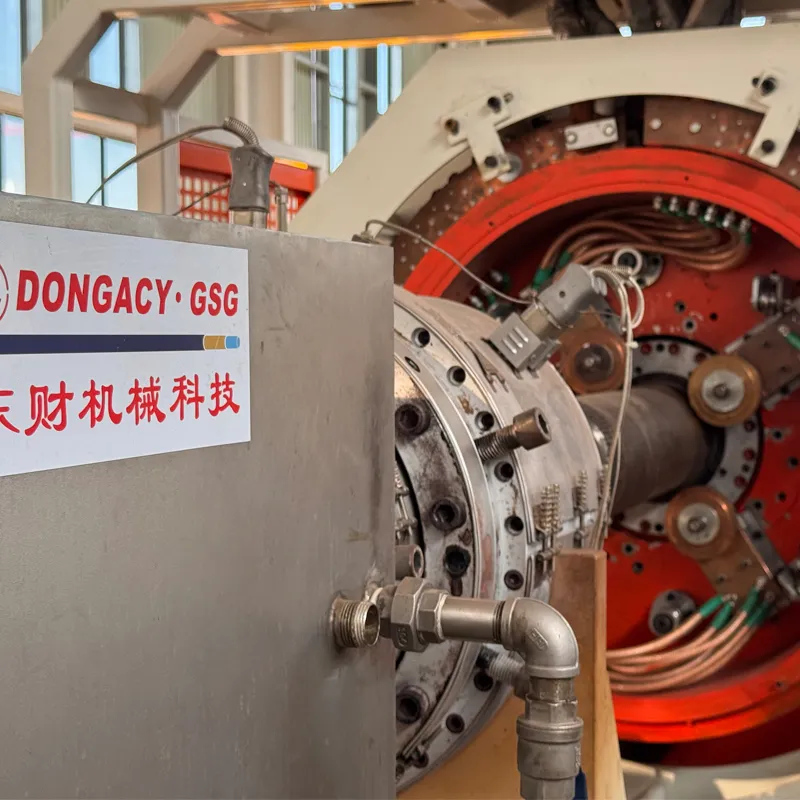
Vendor snapshot (quick, imperfect comparison)
| Vendor | Diameter range | Certs | Lead time | After-sales | Notes |
|---|---|---|---|---|---|
| Anhui (Chuzhou) SRPE line | DN110–DN800 | ISO 9001, CE (module A) | ≈8–12 weeks | Onsite start-up + remote | Cost-performance sweet spot |
| Domestic Vendor B | DN160–DN630 | ISO 9001 | ≈10–16 weeks | Remote mostly | Lean capex |
| EU OEM C | DN200–DN1000 | ISO 9001/14001 | ≈16–24 weeks | Full lifecycle | Top automation, higher capex |
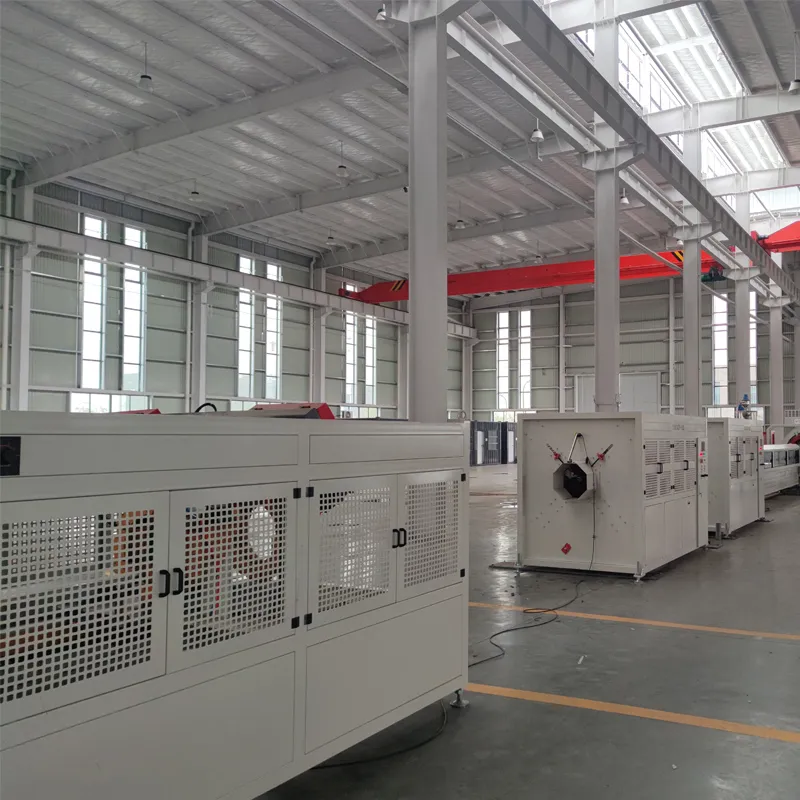
Mini case notes
City water utility, coastal region: upgraded to composite pipe production line for DN500 PN16 mains; reported 12% installation time reduction and zero corrosion complaints in year one. Mining slurry loop, arid zone: composite pipe production line enabled thicker outer layer and abrasion-optimized inner liner; downtime dropped after switching from carbon steel spools.
Compliance, QA, and what to check
Standards you’ll see on the data sheets: ISO 4427 for water PE pipe design, ISO 21307 for butt/electrofusion parameters, ASTM D3350 for resin classification, ISO 1167 for hydrostatic qualification. Ask for weld parameter logs, skeleton weld continuity records, and MFR traceability—boring, yes, but it saves rework later. And don’t forget operator training; it’s the difference between glossy brochures and steady output.
Final thought
If you’re weighing an upgrade, the composite pipe production line is, to be honest, a practical bet: strong backbone, forgiving matrix, and credible standards coverage. Get the skeleton geometry right—and the rest tends to fall into place.
- ISO 4427-2: Polyethylene pipes for water supply — Pipes. https://www.iso.org
- ISO 21307:2017, Plastics pipes — Butt fusion jointing procedures. https://www.iso.org
- ASTM D3350-21, Standard Specification for Polyethylene Plastics Pipe and Fittings Materials. https://www.astm.org/d3350-21.html
- ISO 1167, Thermoplastics pipes — Determination of the resistance to internal pressure. https://www.iso.org
-
High Efficiency PE Extrusion Line Guide for Plastic ManufacturingNewsApr.16,2026
-
High Speed Steel Wire Mesh HDPE Composite Pipe Production Line - Anhui Dongchai|High Automation&Energy EfficiencyNewsApr.13,2026
-
High Speed Steel Wire Mesh HDPE Composite Pipe Production Line - Anhui Dongchai|High Automation&Energy EfficiencyNewsApr.13,2026
-
Guide to Choosing High Efficiency ppr pipe extrusion machineNewsApr.09,2026
-
Comprehensive Guide to Modern Pipe Production Line Technologies and OptimizationNewsApr.07,2026
-
Choosing the Right Extrusion Pipe Machine for Optimal Plastic Pipe ProductionNewsApr.04,2026
-
Comprehensive Guide to PPR Pipe Extrusion Line Technology and ApplicationsNewsMar.31,2026


