
Product Introduction
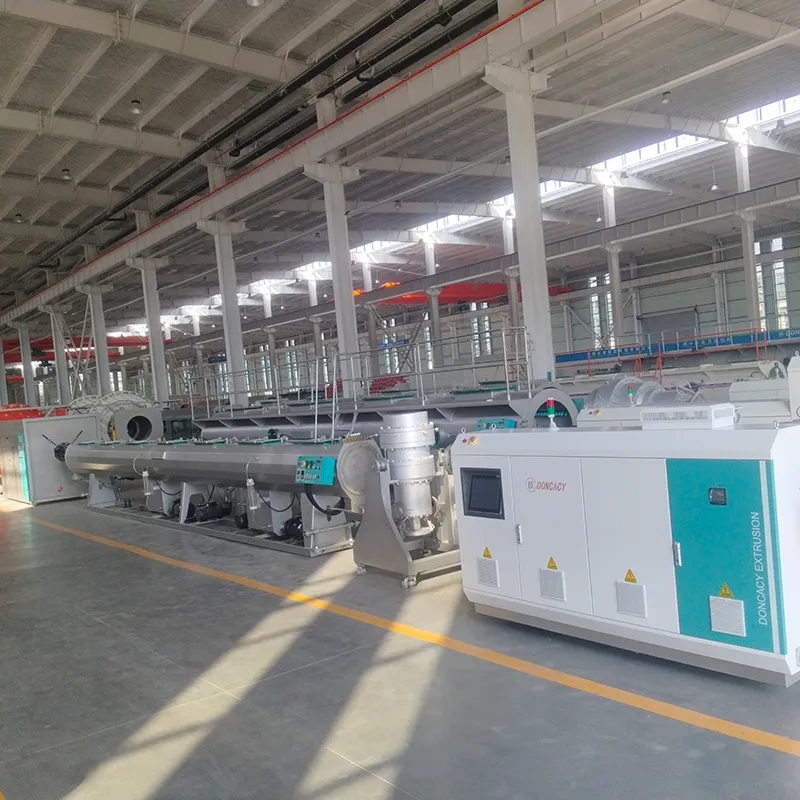
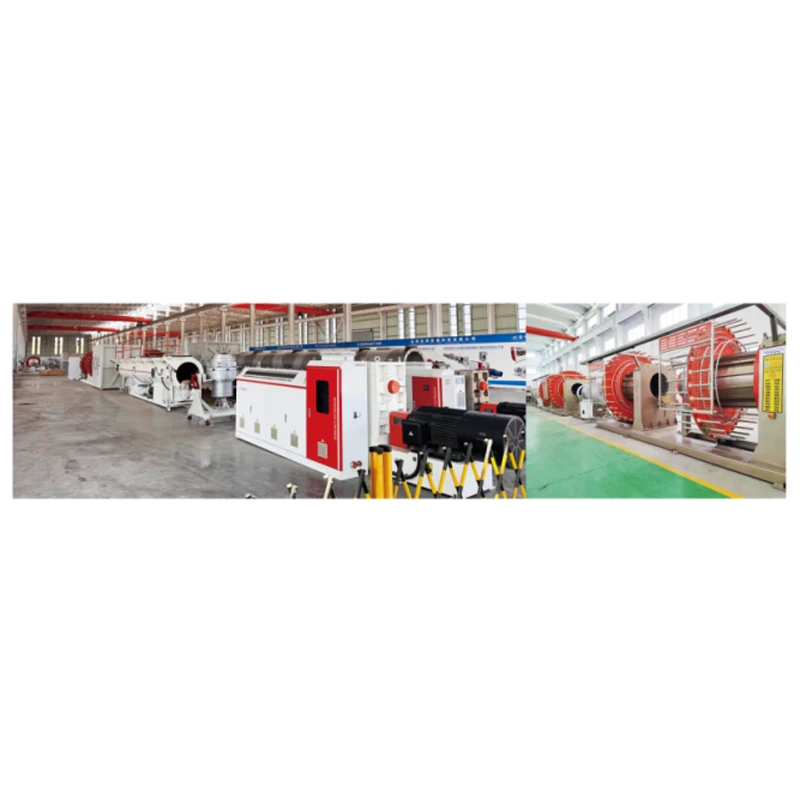
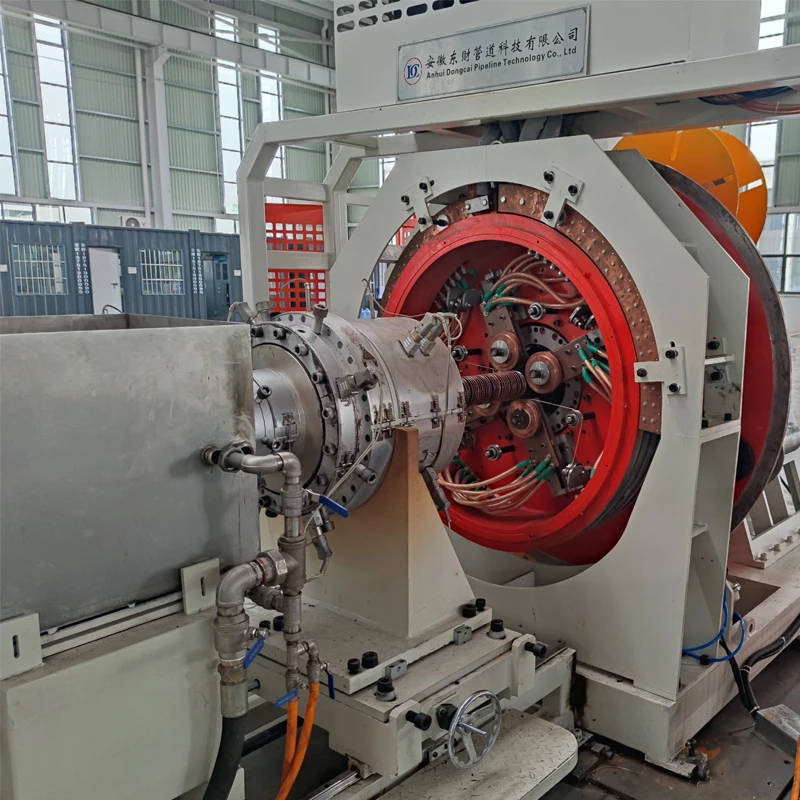
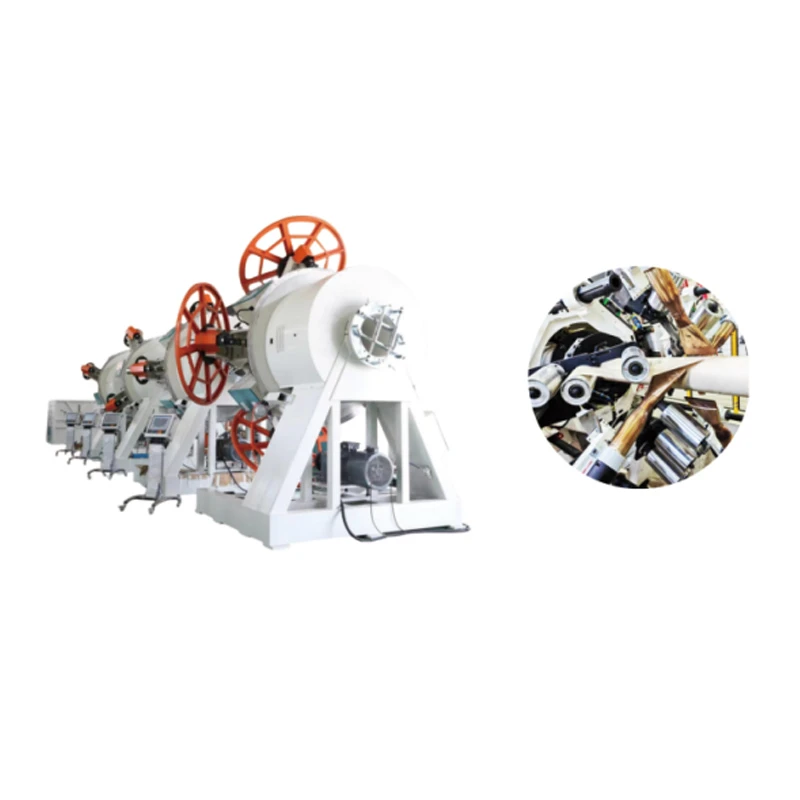
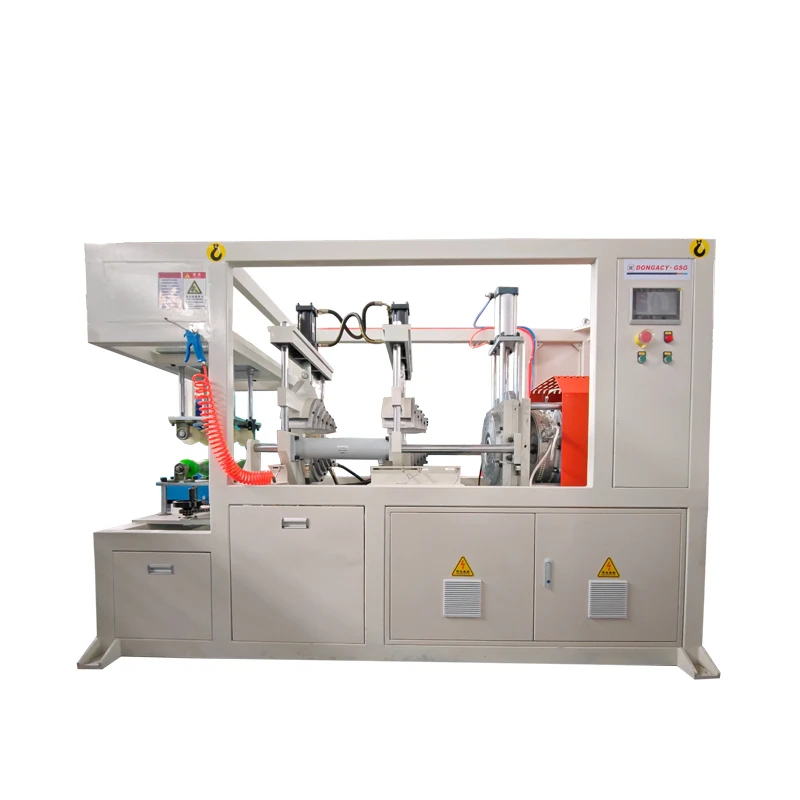
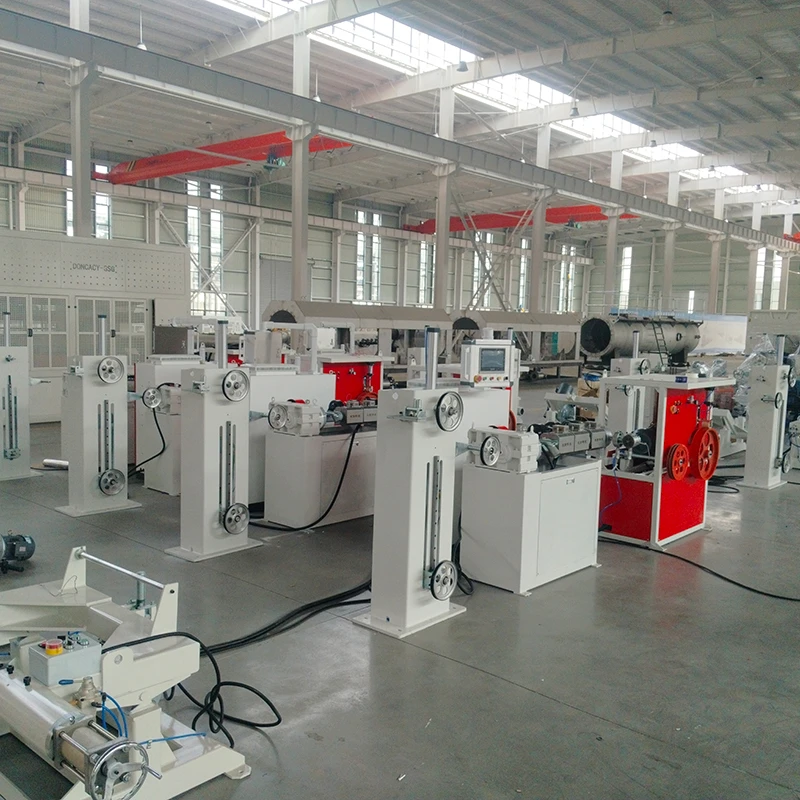
The High Speed Steel Wire Mesh Skeleton Reinforced Polyethylene Composite Pipe Production Line represents the latest advancement in pipe manufacturing technology. This state-of-the-art production line integrates a high-speed extruder, precision die, vacuum setting table, traction unit, cutting machine, and a full-automatic sealing machine (tipping frame). All operations are controlled by a PLC computer system, ensuring high automation, safe operation, and humanized design. The system is engineered for high-speed, high-output production with low energy consumption, easy operation, and minimal noise. Its stability and efficiency reduce the rejection rate significantly, eliminating the need to slow down during steel wire replacement.
Key Highlights
Highlight 1: Advanced Components and Heating System
The main engine utilizes international first-line brand electrical appliances, ensuring reliability and performance. The dies and screws are made of 40Cr alloy structural steel, offering durability and precision. The ceramic heating ring is wrapped with an insulation layer for rapid heating, while the inner and outer walls feature incremental rings to enhance thermal efficiency. The gear box is equipped with a condenser, ensuring stable and fast discharging speed.
Highlight 2: Precision in Vacuum and Cooling Systems
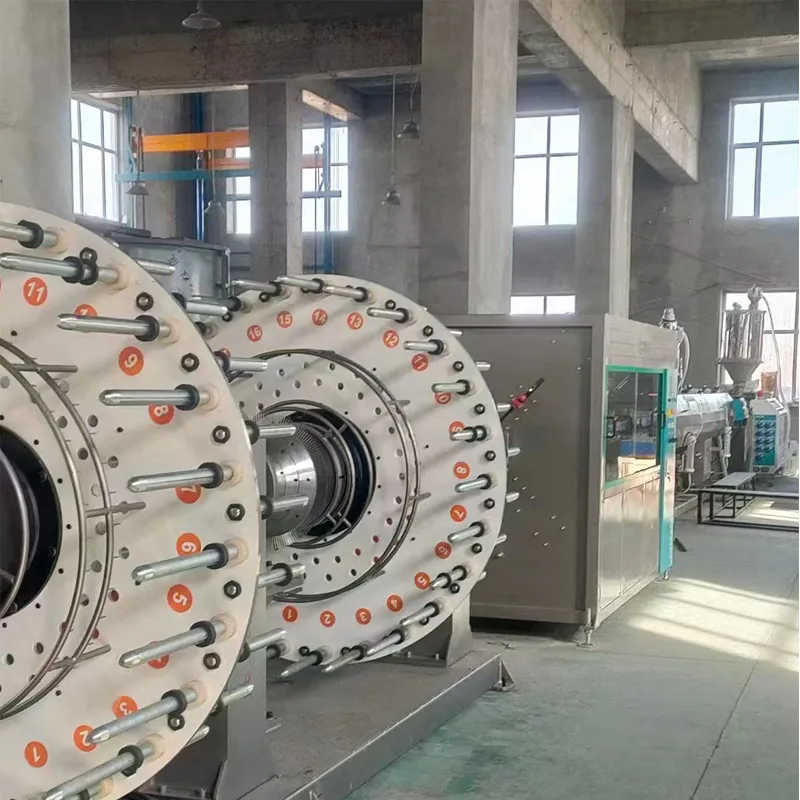
The vacuum box is constructed from 304 stainless steel, bent and welded in one piece for structural integrity. All internal parts are laser-cut, and the spray port is controlled by an intensive frequency converter. The water temperature is maintained at a constant level, ensuring low noise and effective cooling. The disc-type 304 ball valve allows for electrically adjustable crossbars, enhancing operational flexibility.
Highlight 3: Full-Intelligent Automatic Sealing Machine
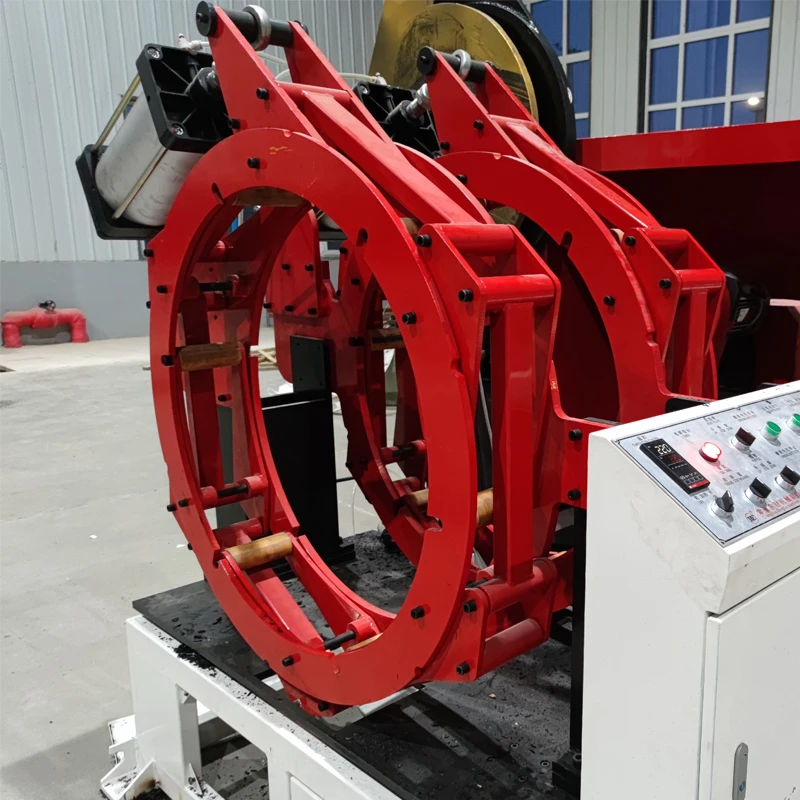
The full-intelligent automatic sealing machine eliminates the need for on-line guards, enabling automatic tube unloading and a reliable sealing effect. This feature reduces manual intervention, improving safety and efficiency during the production process.
Science Popularization
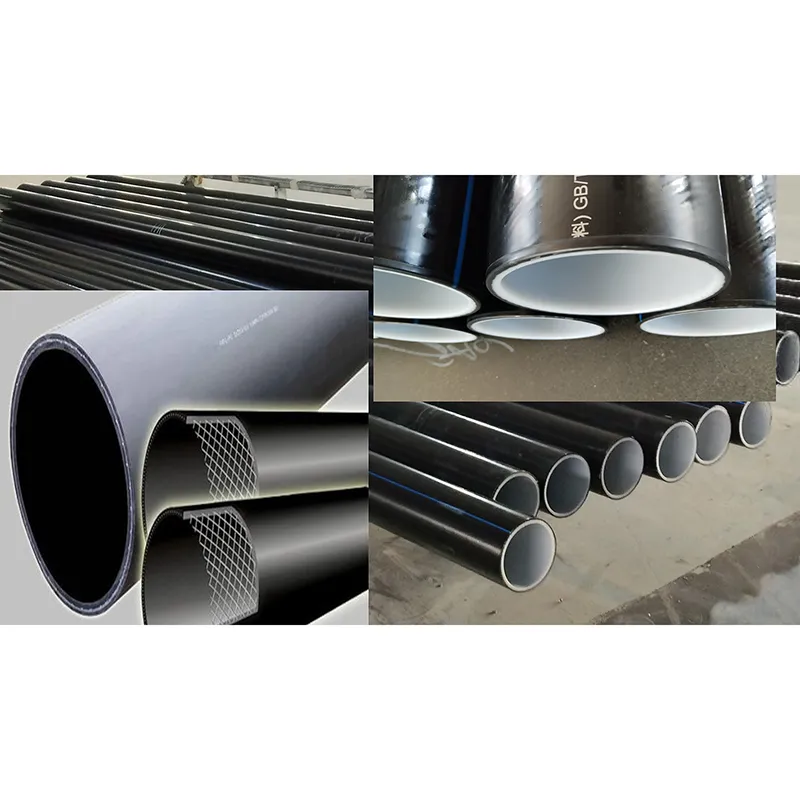
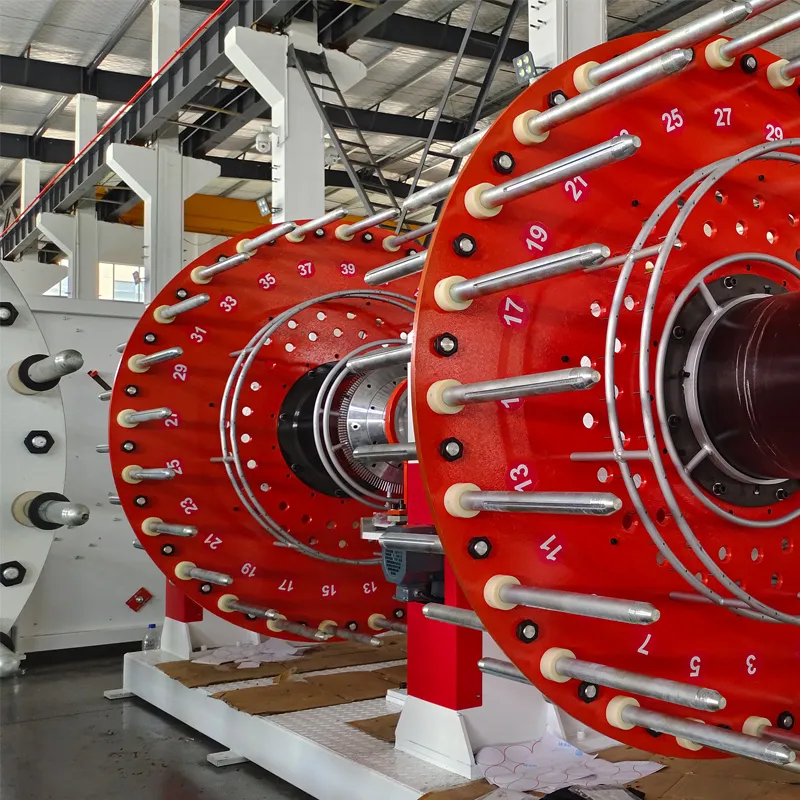
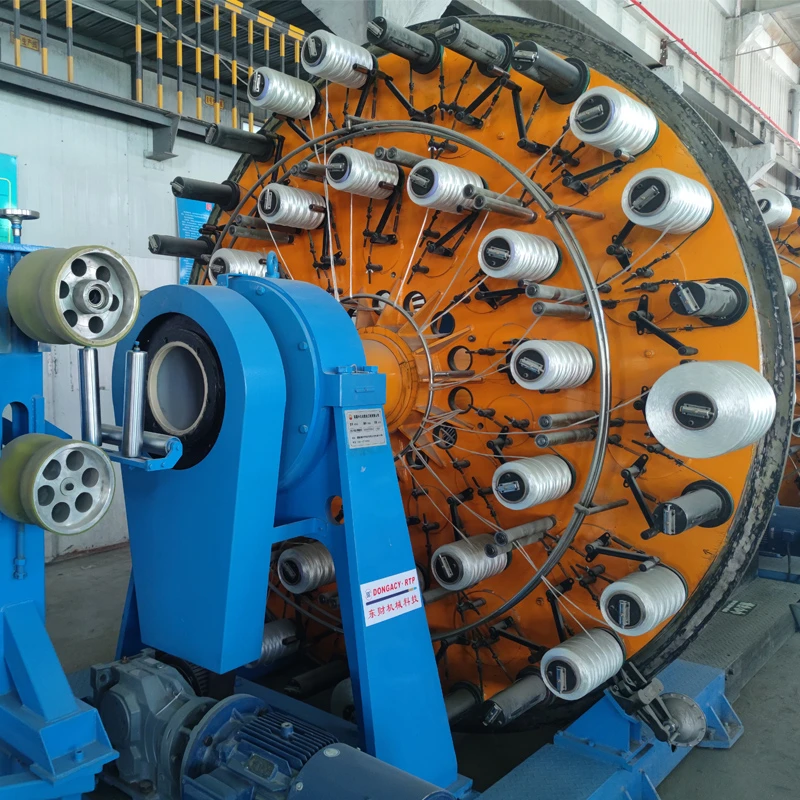
The polyethylene composite pipe with a steel wire mesh skeleton is a revolutionary material combining high-strength steel wire and high-density polyethylene (HDPE). The steel wire is spirally wound to form a mesh skeleton, which acts as the reinforcement. This structure is bonded with HDPE using high-performance modified adhesive resin, creating a composite material with exceptional strength and durability. The video below demonstrates the production process:
Material and Structural Characteristics
The steel wire mesh composite pipe is composed of high-strength steel wire and thermoplastic polyethylene. The steel wire, when wound into a mesh, significantly enhances the pipe's structural integrity. The use of high-performance HDPE modified bonding resin ensures a strong bond between the steel wire skeleton and the inner/outer HDPE layers, resulting in an excellent composite effect.
- High-performance HDPE modified bonding resin: Ensures a strong, durable connection between the steel wire and HDPE layers.
Performance Advantages
This composite pipe overcomes the limitations of traditional steel and plastic pipes while retaining their benefits. It offers corrosion resistance, no scaling, smoothness, low resistance, heat preservation, no wax deposition, and wear resistance. Additionally, its strength increases with rising temperature, and it exhibits a lower degree of reduction compared to pure plastic pipes. The material is also resistant to rapid cracking, especially in large-diameter applications.
Production Technology and Flexibility
The production line employs advanced technology to ensure consistent product quality. By adjusting parameters such as steel wire diameter, mesh spacing, plastic layer thickness, and plastic type, the structure and performance of the product can be tailored to meet specific requirements for pressure resistance, temperature resistance, and corrosion resistance. This adaptability makes the production line suitable for a wide range of applications.
Installation and Maintenance
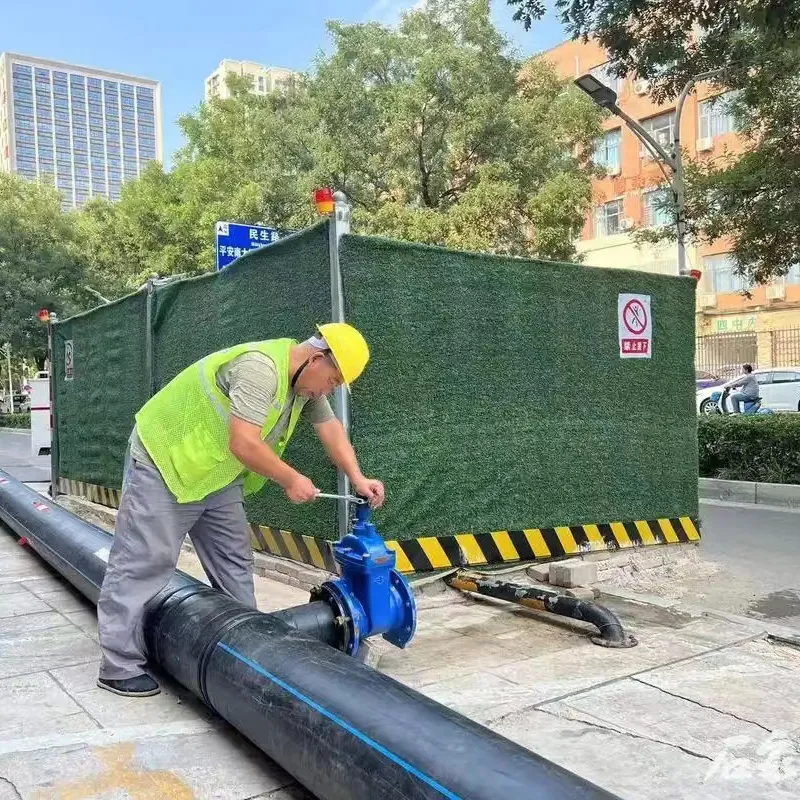
The steel wire mesh composite pipe is ideal for high-pressure transportation environments, such as conveying liquids and gases. Its lightweight design simplifies installation, reducing construction costs. The use of electric welding joints ensures a mature and reliable connection, minimizing the risk of leakage. This makes the pipe an excellent choice for municipal, industrial, and construction engineering applications.
Product Specifications
| Model | Pipe Diameter | Production Speed | Power Consumption (KW) | Installed Power (KW) | Dimensions (L x W x H) |
|---|---|---|---|---|---|
| DCS-160 | 50-160 | 2.4 | 110 | 385 | 73 x 4.7 x 3 |
| DCS-315 | 110-315 | 2.4 | 170 | 545 | 75 x .5 x 4 |
| DCS-630 | 315-630 | 1.2 | 260 | 855 | 76 x 6 x 4 |
| DCS-800 | 500-800 | 1.0 | 360 | 1150 | 80 x 6 x 4 |
| DCS-1000 | 710-1000 | 0.6 | 350 | 1150 | 86 x 7 x 4 |
| DCS-1200 | 800-1200 | 0.6 | 460 | 1400 | 100 x 7 x 4.7 |
Company Background
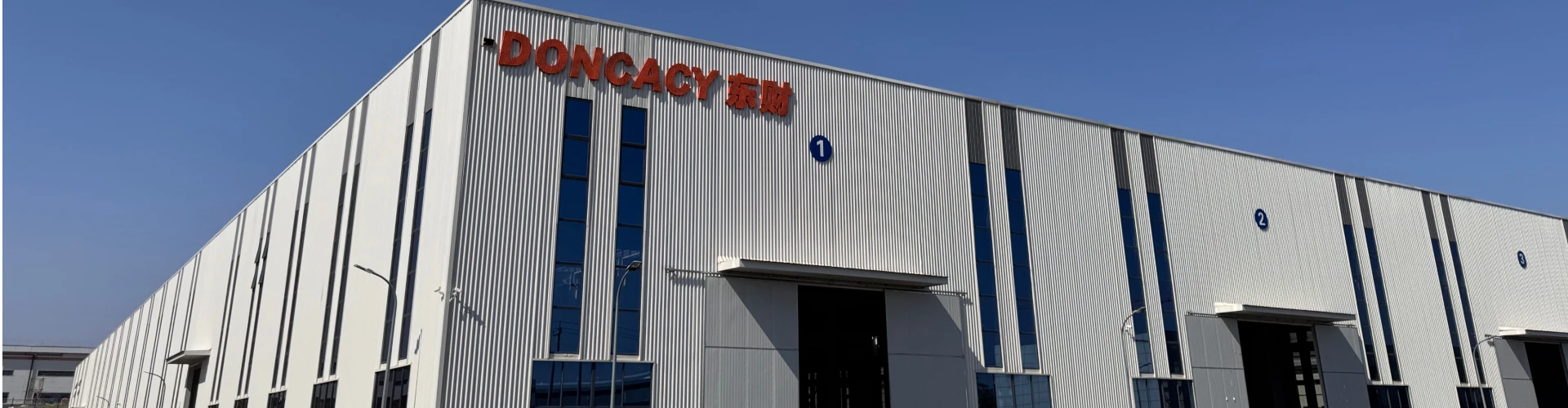
Founded as Anhui Dongchai Machinery Technology Co., Ltd., the company has established itself as a leader in the manufacturing of advanced production equipment. With a commitment to innovation and quality, Anhui Dongchai specializes in providing solutions for the polymer and composite materials industry. Their expertise in designing and producing high-speed composite pipe production lines ensures that customers receive reliable, efficient, and technologically advanced machinery tailored to their specific needs.
References
According to the National Institute of Standards and Technology (NIST), standards for composite materials are crucial for ensuring quality and performance [1]. While direct access to the NIST page was unavailable, the principles outlined by NIST emphasize the importance of rigorous testing and adherence to industry standards in the development of composite materials like those used in this production line.
References
-
High Efficiency PE Extrusion Line Guide for Plastic ManufacturingNewsApr.16,2026
-
High Speed Steel Wire Mesh HDPE Composite Pipe Production Line - Anhui Dongchai|High Automation&Energy EfficiencyNewsApr.13,2026
-
High Speed Steel Wire Mesh HDPE Composite Pipe Production Line - Anhui Dongchai|High Automation&Energy EfficiencyNewsApr.13,2026
-
Guide to Choosing High Efficiency ppr pipe extrusion machineNewsApr.09,2026
-
Comprehensive Guide to Modern Pipe Production Line Technologies and OptimizationNewsApr.07,2026
-
Choosing the Right Extrusion Pipe Machine for Optimal Plastic Pipe ProductionNewsApr.04,2026
-
Comprehensive Guide to PPR Pipe Extrusion Line Technology and ApplicationsNewsMar.31,2026


