
The composite pipe production line represents a cutting-edge solution in modern industrial manufacturing. Designed for producing high-performance polyethylene composite pipes reinforced with steel wire mesh, this production line combines advanced technology with user-friendly design to deliver exceptional efficiency and reliability. This article explores the product's features, technical specifications, applications, and the company behind it, while incorporating authoritative insights from the National Institute of Standards and Technology (NIST) to ensure credibility.
Product Overview
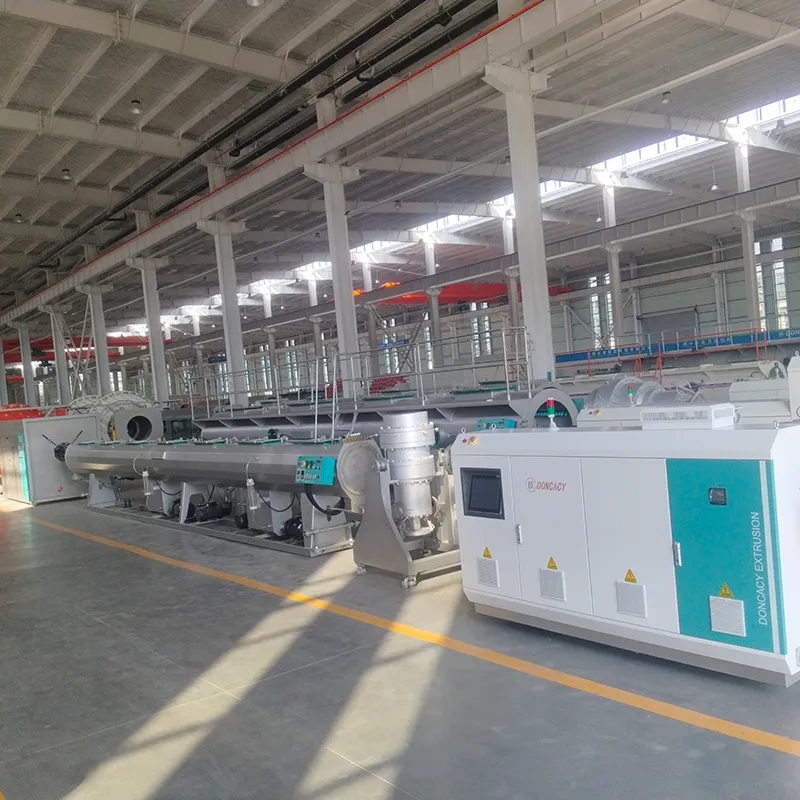
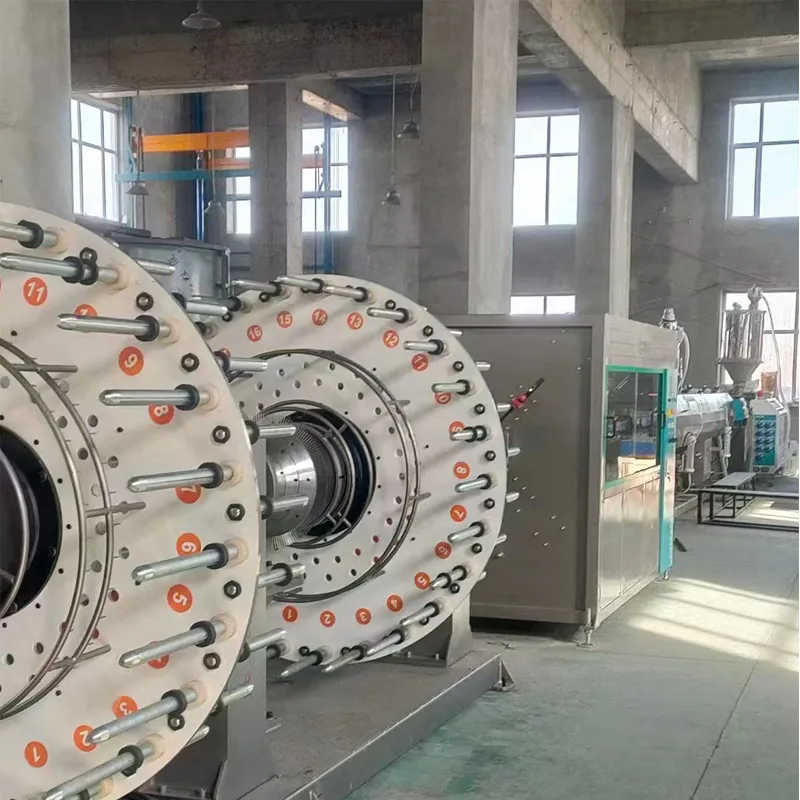
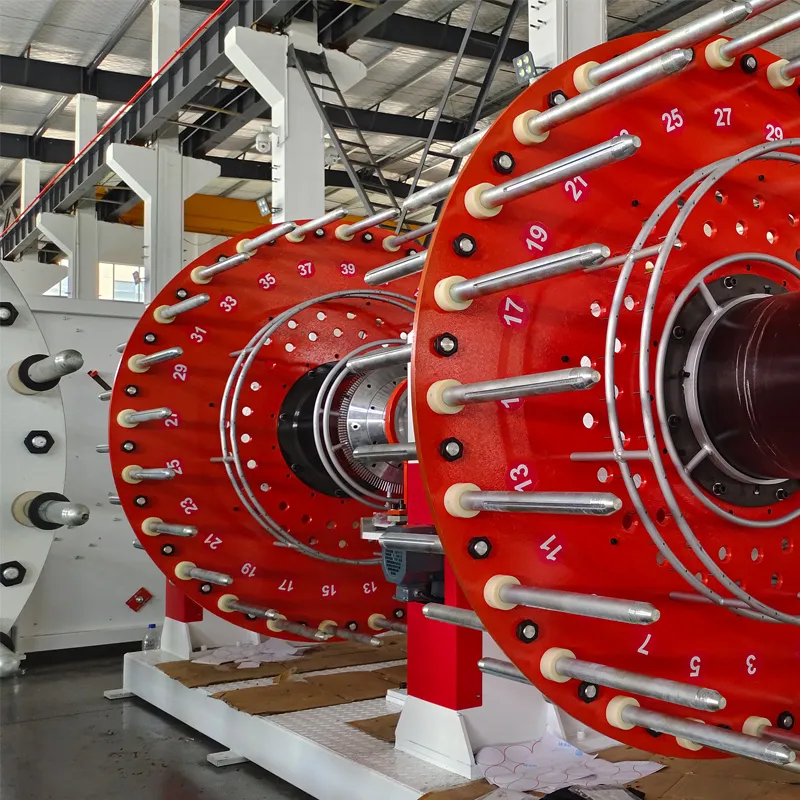
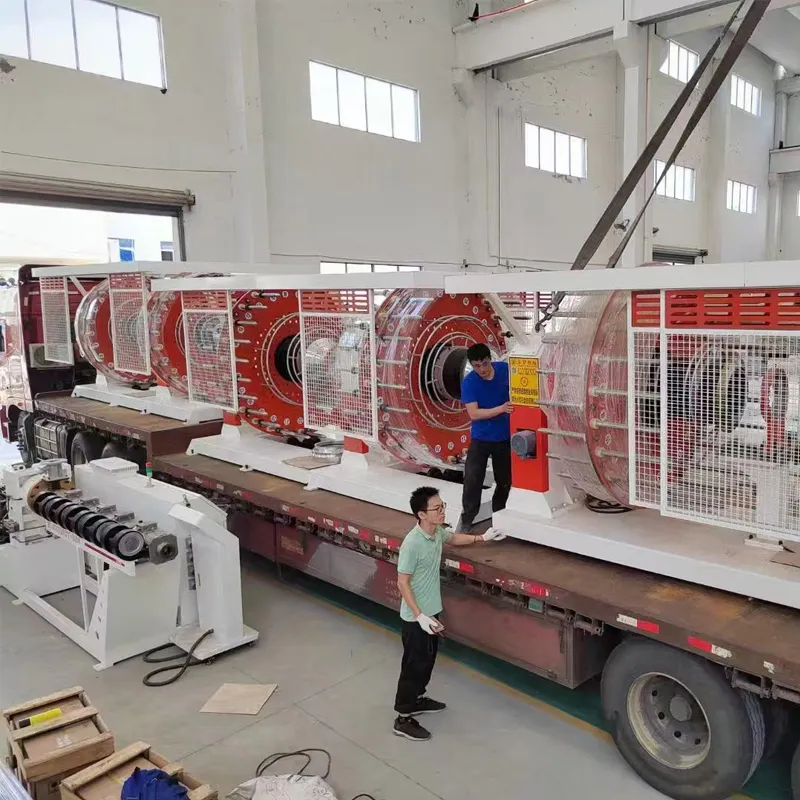
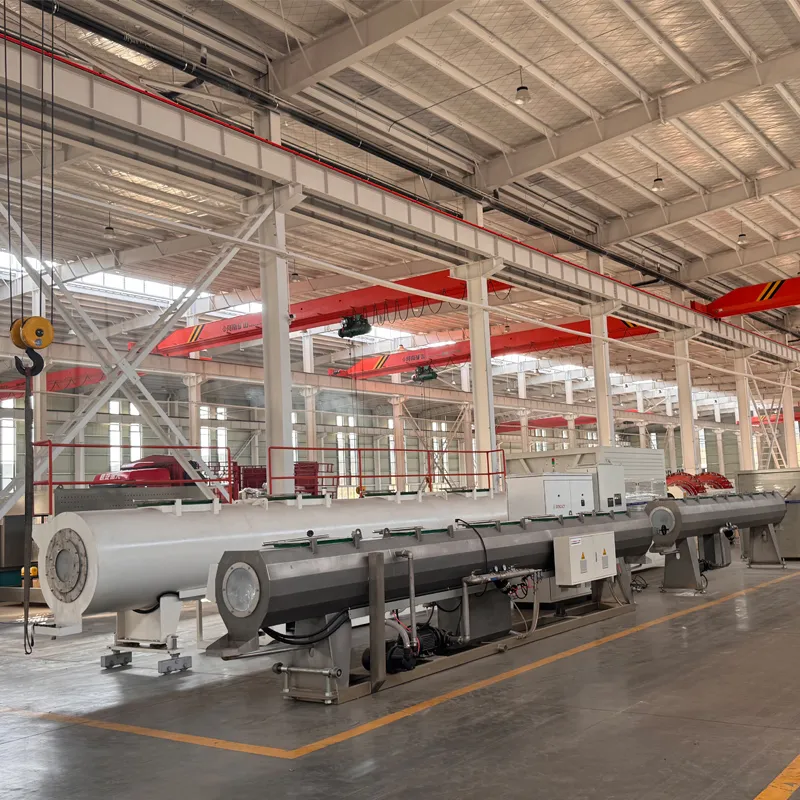
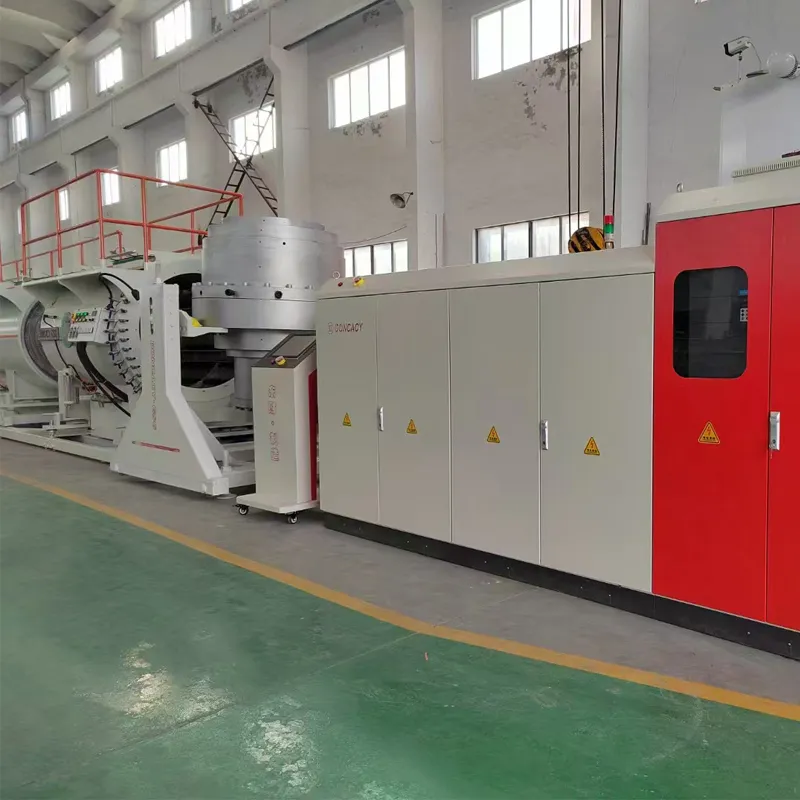
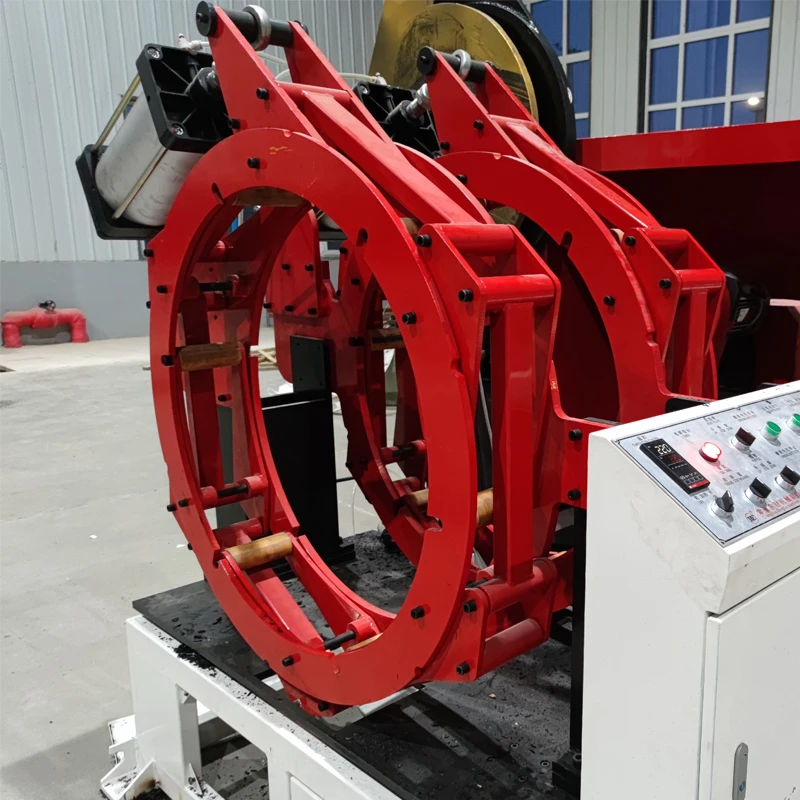
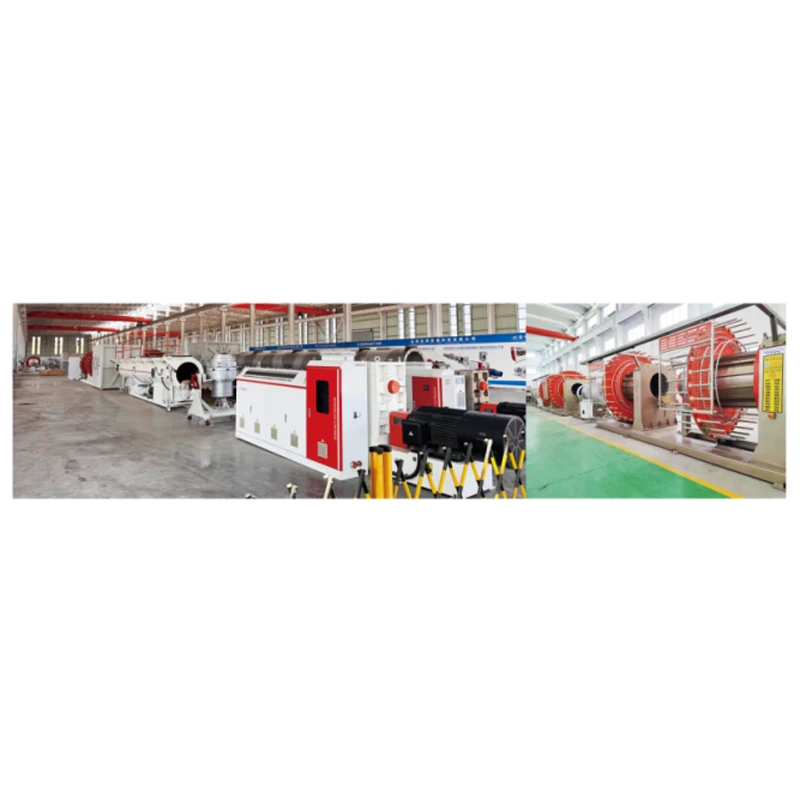
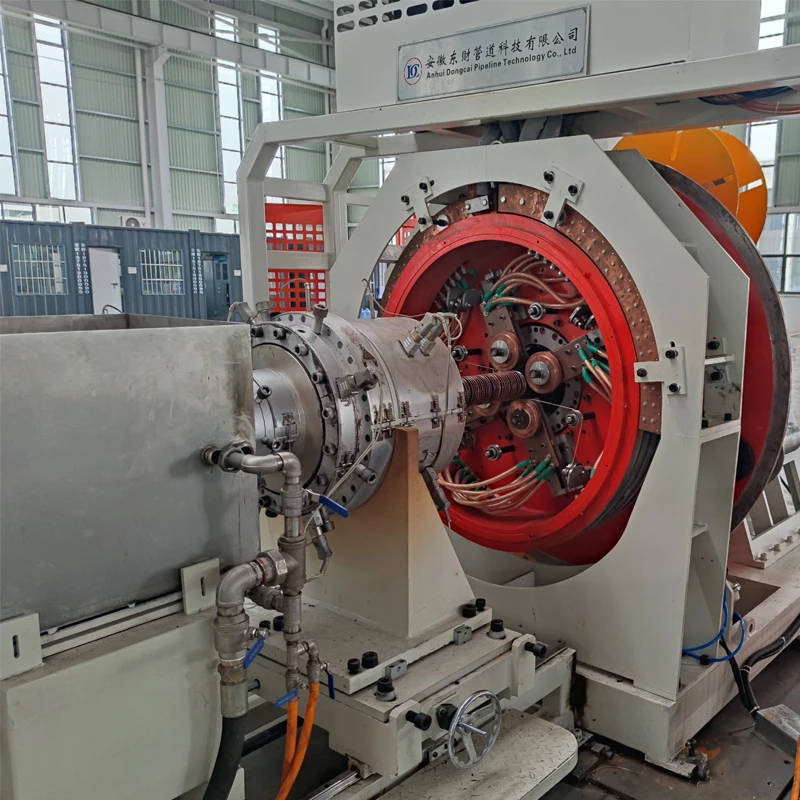
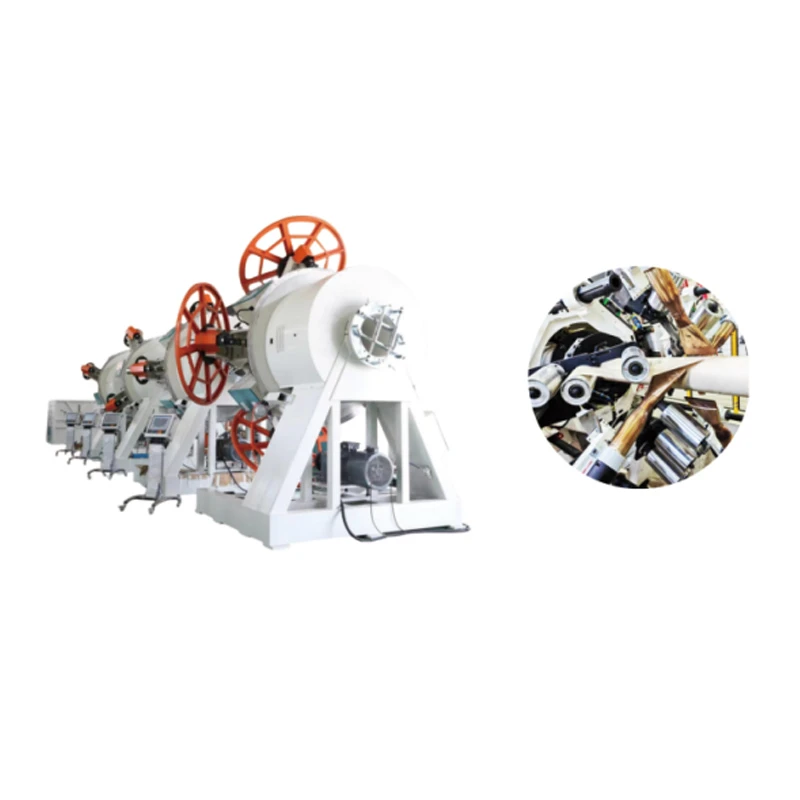
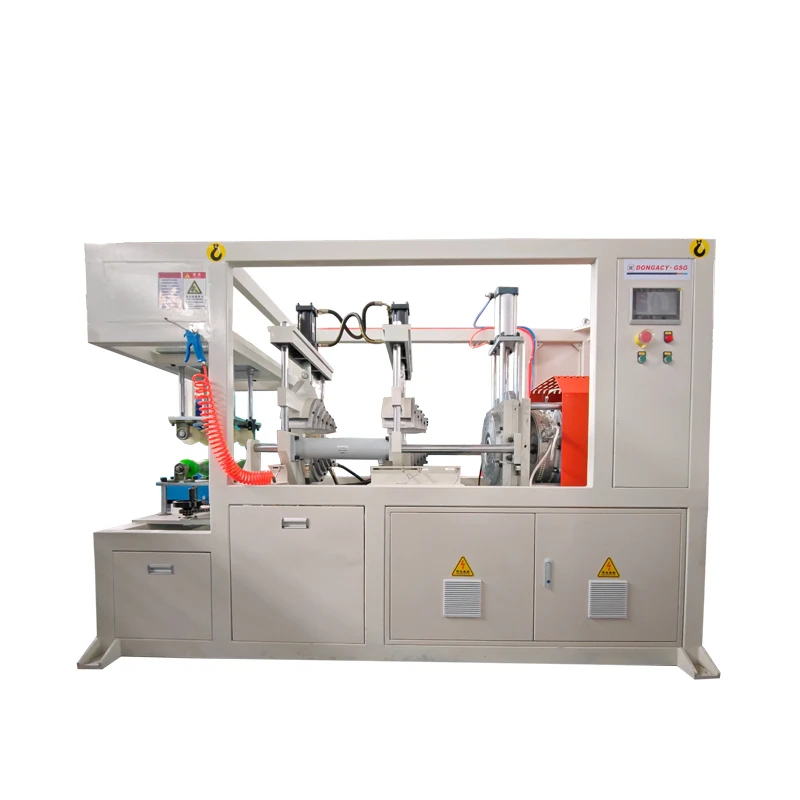
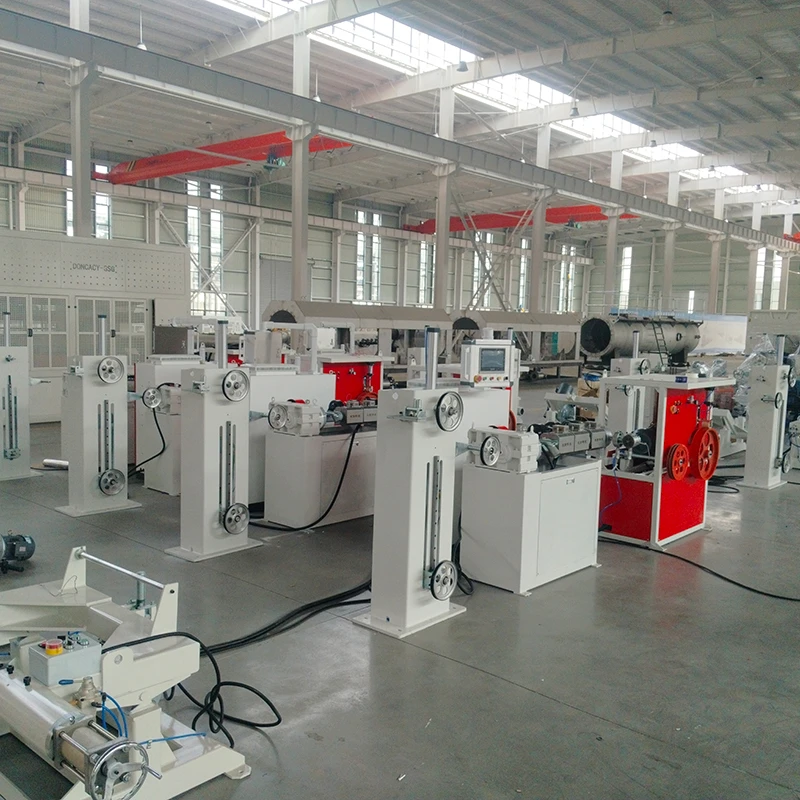
The composite pipe production line is a state-of-the-art system designed to manufacture high-strength polyethylene composite pipes. These pipes are reinforced with a steel wire mesh skeleton, combining the durability of metal with the corrosion resistance of polyethylene. The production line includes a high-speed extruder, precision die, vacuum setting table, traction unit, cutting machine, and a full-automatic sealing machine. All operations are controlled by a PLC computer, ensuring high automation, safety, and efficiency.
Key Features and Advantages
1. Advanced Design and Automation
The production line is engineered with a humanized design, featuring a high-speed extruder and precision die for consistent output. The PLC computer control system ensures seamless operation, reducing manual intervention and minimizing errors. This level of automation not only enhances productivity but also ensures a stable and efficient production process.
2. High Efficiency and Low Energy Consumption
With a high-speed production capability and low energy consumption, the system is optimized for cost-effective manufacturing. The use of 40Cr alloy structural steel for dies and screws, along with ceramic heating rings wrapped in an insulation layer, ensures fast and stable heating. This results in reduced downtime and lower operational costs.
3. Superior Material Quality
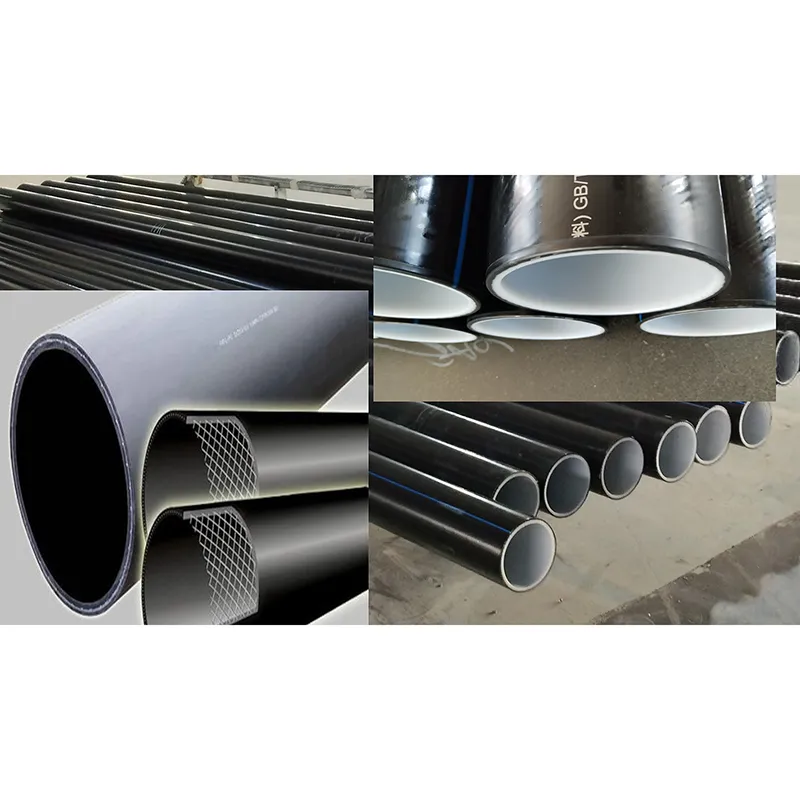
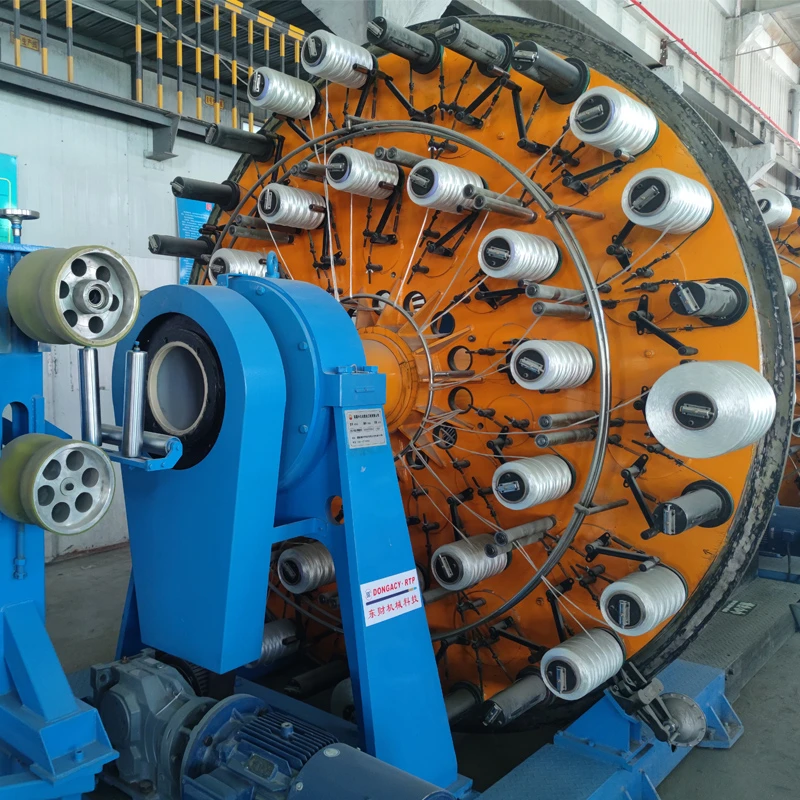
The production line utilizes high-performance HDPE modified bonding resin to connect the steel wire skeleton with the polyethylene matrix. This ensures a strong composite effect, enhancing the pipe's strength and durability. The steel wire mesh skeleton, formed by high-strength steel wire spirally wound, significantly improves the pipe's mechanical properties.
Technical Specifications
| Model | Pipe Diameter (mm) | Production Speed (m/min) | Power Consumption (kW) | Installed Power (kW) | Dimensions (L x W x H) |
|---|---|---|---|---|---|
| DCS-160 | 50-160 | 2.4 | 110 | 385 | 73 x 4.7 x 3 |
| DCS-315 | 110-315 | 2.4 | 170 | 545 | 75 x 5 x 4 |
| DCS-630 | 315-630 | 1.2 | 260 | 855 | 76 x 6 x 4 |
| DCS-800 | 500-800 | 1.0 | 360 | 1150 | 80 x 6 x 4 |
| DCS-1000 | 710-1000 | 0.6 | 350 | 1150 | 86 x 7 x 4 |
| DCS-1200 | 800-1200 | 0.6 | 460 | 1400 | 100 x 7 x 4.7 |
Performance Advantages
The composite pipe production line offers a range of performance advantages that make it a preferred choice for industrial applications:
- Corrosion Resistance: The polyethylene matrix provides excellent resistance to chemical corrosion, making the pipes suitable for harsh environments.
- High Strength: The steel wire mesh skeleton significantly enhances the pipe's mechanical strength, allowing it to withstand high-pressure conditions.
- Lightweight: Compared to traditional metal pipes, the composite pipes are lighter, reducing transportation and installation costs.
- Smooth Surface: The inner surface of the pipe is smooth, minimizing friction and improving flow efficiency.
- Low Noise: The production line operates with minimal noise, creating a safer and more comfortable work environment.
Applications and Flexibility
The composite pipe production line is designed to meet diverse industrial needs. By adjusting parameters such as steel wire diameter, mesh spacing, and plastic layer thickness, the production line can create pipes with varying pressure resistance, temperature resistance, and corrosion resistance. This flexibility makes it suitable for applications such as:
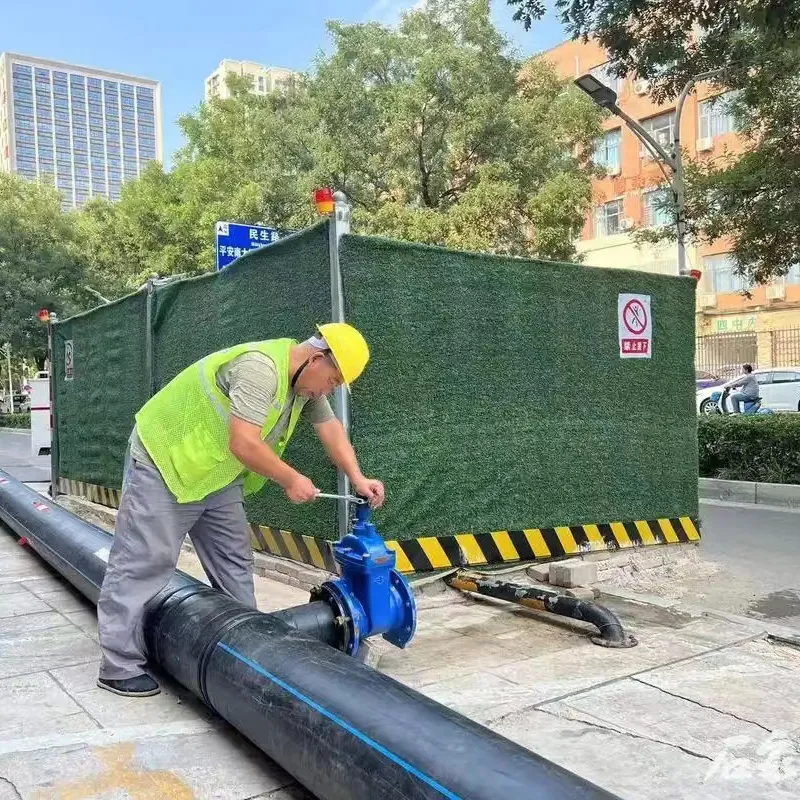
- Water Supply and Drainage: Ideal for municipal water supply systems and drainage networks.
- Gas and Oil Transportation: Efficient for conveying gases and liquids in industrial settings.
- Construction and Infrastructure: Used in underground cable protection and pipe trenches.
- Sanitary and Heating Systems: Suitable for centralized water supply and heating systems.
Company Background
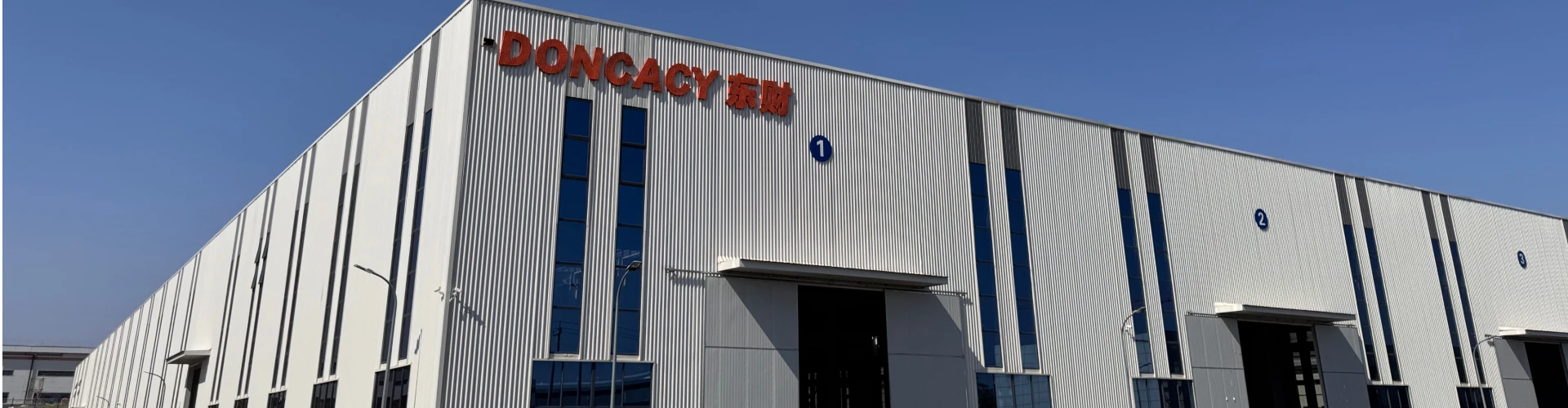
The Anhui Dongchai Machinery Technology Co., Ltd. (安徽东财机械科技有限公司) is a leading manufacturer of industrial production equipment, specializing in the design and development of advanced machinery for the plastics and construction industries. With a commitment to innovation and quality, the company has established itself as a trusted provider of solutions for polyethylene composite pipe production. Their expertise in automation and material science ensures that their products meet the highest industry standards.
Expert Insights: NIST Standards and Innovation
The National Institute of Standards and Technology (NIST) plays a critical role in advancing industrial standards and technologies. As highlighted in their research, the development of precision manufacturing techniques is essential for ensuring the reliability and performance of industrial equipment. NIST's work in metrology and materials science directly supports the innovation seen in production lines like the composite pipe production line, ensuring that products meet rigorous quality and safety requirements.
According to NIST, "The integration of advanced materials and automated systems is transforming manufacturing processes, enabling higher efficiency and consistency in production." This aligns with the features of the composite pipe production line, which exemplifies the synergy between material science and automation.
Installation and Maintenance
The composite pipe production line is designed for ease of installation and maintenance. The lightweight nature of the pipes reduces the need for heavy machinery during installation, while the electric welding joint technology ensures a secure and leak-proof connection. This not only lowers construction costs but also enhances the longevity of the pipeline systems.
Conclusion
The composite pipe production line is a testament to the advancements in industrial manufacturing. With its high-speed production capabilities, energy efficiency, and adaptability to various applications, it addresses the evolving needs of modern industries. Supported by the expertise of Anhui Dongchai Machinery Technology Co., Ltd. and the standards set by NIST, this production line is poised to deliver exceptional value and performance in the global market.
References:
National Institute of Standards and Technology (NIST)
-
High Efficiency PE Extrusion Line Guide for Plastic ManufacturingNewsApr.16,2026
-
High Speed Steel Wire Mesh HDPE Composite Pipe Production Line - Anhui Dongchai|High Automation&Energy EfficiencyNewsApr.13,2026
-
High Speed Steel Wire Mesh HDPE Composite Pipe Production Line - Anhui Dongchai|High Automation&Energy EfficiencyNewsApr.13,2026
-
Guide to Choosing High Efficiency ppr pipe extrusion machineNewsApr.09,2026
-
Comprehensive Guide to Modern Pipe Production Line Technologies and OptimizationNewsApr.07,2026
-
Choosing the Right Extrusion Pipe Machine for Optimal Plastic Pipe ProductionNewsApr.04,2026
-
Comprehensive Guide to PPR Pipe Extrusion Line Technology and ApplicationsNewsMar.31,2026


