
Navigating the Landscape of Advanced Profile Extrusion Technology
The global demand for high-performance building materials and industrial components drives continuous innovation in extrusion technology. At the forefront of this evolution is the pvc profile production line, a critical manufacturing asset for industries ranging from construction to automotive. This comprehensive overview delves into the intricate details of modern PVC extrusion, covering everything from fundamental process flows to advanced customization options and strategic vendor considerations.
Industry trends indicate a significant shift towards greater automation, energy efficiency, and material versatility within the extrusion sector. Manufacturers are increasingly seeking solutions that not only enhance production capacity but also reduce operational costs and environmental impact. The burgeoning market for PVC window profiles, for instance, underscores the need for highly precise and reliable pvc window profile extrusion lines capable of producing intricate geometries with superior surface finishes.
Furthermore, advancements in polymer science allow for the creation of PVC profiles with enhanced properties, such as improved UV resistance, greater impact strength, and fire retardancy, expanding their application scope considerably. This article provides B2B decision-makers and technical engineers with the in-depth knowledge necessary to evaluate, select, and optimize their extrusion investments.
Detailed Process Flow: Mastering PVC Profile Extrusion
The manufacturing process of a pvc profile production line is a sophisticated sequence of operations designed to transform raw PVC compound into finished profiles with precise dimensions and desired physical properties. Understanding each stage is crucial for optimizing throughput and product quality.
1. Raw Material Preparation & Mixing
- Materials: The primary material is PVC resin (typically suspension or emulsion type), combined with a precise formulation of additives. These include heat stabilizers (e.g., Ca/Zn, lead-based), lubricants (internal and external), processing aids, impact modifiers (e.g., CPE, acrylic), fillers (e.g., calcium carbonate), and pigments.
- Mixing: Raw materials are fed into a high-speed mixer, where frictional heat ensures homogeneous dispersion and partial gelation of the PVC compound. This critical step prepares the compound for consistent melting and extrusion.
2. Feeding & Extrusion
- Feeding: The mixed PVC compound is gravity-fed or force-fed into the hopper of a twin-screw extruder (conical or parallel). Twin-screw extruders are preferred for PVC due to their excellent compounding, plasticizing, and pumping capabilities.
- Extrusion (Melting & Shaping): Within the heated barrel of the extruder, the screws convey, compress, and shear the PVC compound. This mechanical and thermal energy transforms the solid granules into a molten, viscous polymer melt. The melt is then forced through a die, which precisely shapes it into the desired profile cross-section. Die design is critical for achieving accurate dimensions and smooth surfaces.
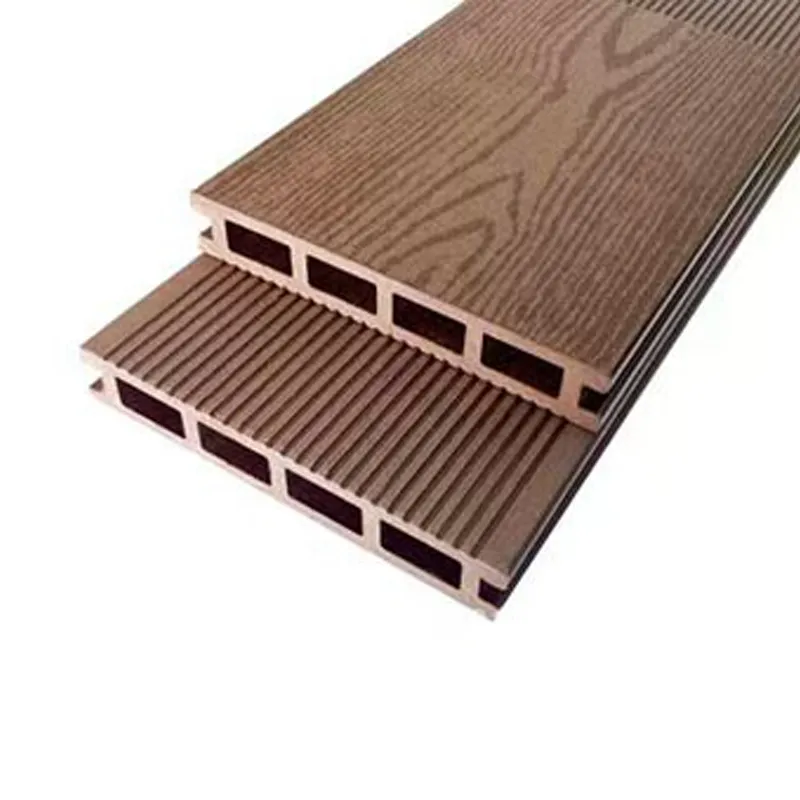
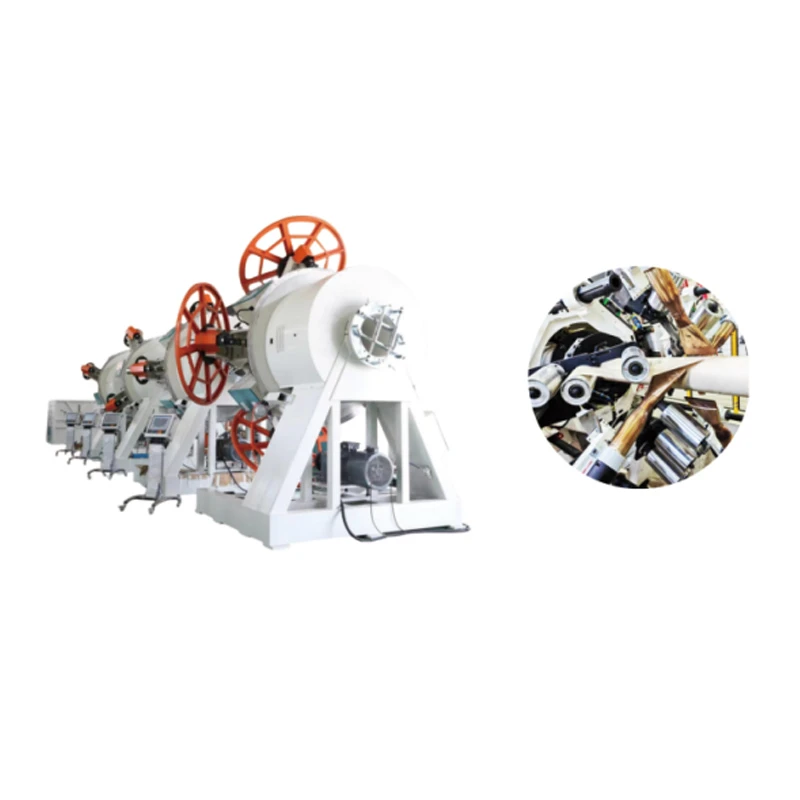
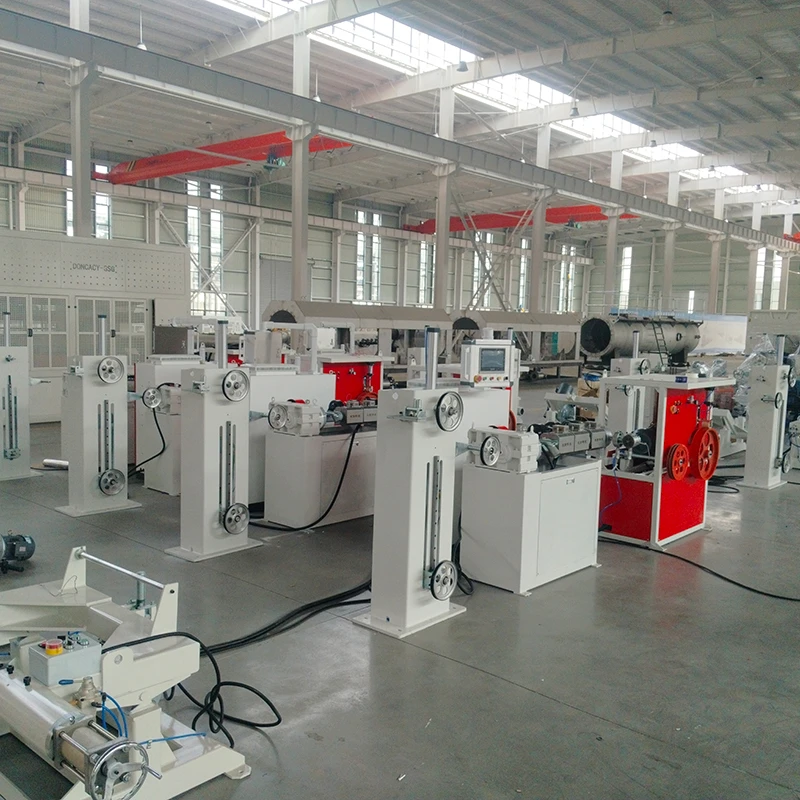
Figure 1: Illustration of a PVC extrusion process line.
3. Calibration & Cooling
- Vacuum Calibration: Immediately after exiting the die, the hot, pliable profile enters a vacuum calibration tank. A vacuum draws the profile against a precisely machined sizing sleeve, ensuring accurate dimensions and preventing deformation. This stage is crucial for dimensional stability.
- Cooling: Simultaneously, water sprays within the calibration tank cool the profile, solidifying its shape. Subsequent cooling tanks further reduce the profile's temperature, preparing it for downstream processing.
4. Haul-Off & Cutting
- Haul-Off: A caterpillar-type haul-off unit pulls the solidified profile at a consistent speed, maintaining tension and ensuring uniform profile dimensions. The haul-off speed is synchronized with the extruder output.
- Cutting: A precise cutting unit (saw or knife cutter) automatically cuts the continuous profile into predetermined lengths. This can be a dust-free cutting unit for cleaner operations.
5. Stacking & Further Processing
- Stacking: Finished profiles are conveyed to a stacking unit, which neatly arranges them for packaging and storage.
- Quality Control & Testing: Throughout the entire process, inline and offline quality control measures are implemented. This includes dimensional checks, surface finish inspection, and mechanical property testing (e.g., impact strength, tensile strength). Adherence to testing standards like ISO 1163 (PVC Plastics), ASTM D4216 (Rigid PVC Compounds), and relevant CE marking requirements is paramount.
The target industries for PVC profile extrusion are diverse, including construction (pvc window profile extrusion line, door frames, wall panels, pipes), automotive (interior trims, seals), furniture (edging, decorative profiles), and electrical conduit systems. Advantages in these scenarios include energy saving through superior insulation, excellent corrosion resistance compared to metals, and a significantly longer service life (often exceeding 50 years under normal conditions) due to inherent material stability and UV protection additives.
Technical Specifications and Data Visualization for PVC Profile Production Line
Selecting the right pvc profile production line requires a detailed understanding of its technical specifications. These parameters dictate performance, capacity, and the types of profiles that can be produced. Below is a typical specification table for a medium-capacity PVC profile extrusion line.
Typical Product Specifications: Extrusion Production Line For Profiles And Plates
| Component | Specification | Key Features/Benefit |
|---|---|---|
| Conical Twin-Screw Extruder | Model: SJSZ-65/132; Motor Power: 37 kW; Max Output: 200-350 kg/h | Optimized for PVC powder, excellent plasticization, high throughput. Integrated PLC control for precise temperature and speed. |
| Extrusion Die Head | Material: High-quality alloy steel; Heating Zones: 3-5 zones | Customizable for specific profile geometries (window profiles, wall panels, conduit), ensuring uniform melt flow and dimensional accuracy. |
| Vacuum Calibration Table | Length: 6000 mm; Vacuum Pump Power: 5.5 kW; Water Pump Power: 4 kW | Multi-chamber design for efficient cooling and precise sizing. Adjustable height and lateral movement for easy alignment. |
| Haul-Off Machine | Traction Force: 20 kN; Speed Range: 0.2-5 m/min; Clamping: Pneumatic | Synchronized with extruder speed for constant pulling, preventing deformation and ensuring consistent profile thickness. Rubber blocks for gentle handling. |
| Cutting Machine | Type: Planar/Dust-free saw cutter; Cutting Length: 200-6000 mm; Cutting Accuracy: ±1 mm | High-speed, precise cutting with minimal material waste. Automated length setting and synchronized movement with haul-off. |
| Stacker | Length: 6000 mm; Automatic unloading | Reduces manual labor, neatly collects profiles for packaging, increasing operational efficiency. |
| Control System | PLC (Siemens/Omron) with HMI Touch Screen | Centralized control, real-time monitoring of parameters, diagnostic functions, and recipe management for various profile types. |
These specifications represent a typical configuration, but a reputable supplier can customize parameters to meet specific production requirements. The choice of extruder size, for instance, directly impacts maximum output and energy consumption, both critical factors for operational efficiency. Modern control systems, often based on Siemens or Omron PLCs, offer superior precision, remote diagnostics, and data logging capabilities, contributing significantly to product consistency and overall line performance.
Application Scenarios and Technical Advantages
The versatility of PVC profiles, produced on advanced extrusion lines, makes them indispensable across numerous industrial sectors. Their inherent material properties, combined with the precision of modern extrusion, offer significant technical advantages over traditional materials.
Primary Application Industries:
- Construction: This is by far the largest sector, utilizing profiles for pvc window profile extrusion line frames, door frames, wall cladding, ceiling panels, skirting boards, and electrical conduits. The ease of fabrication and excellent insulation properties are key drivers.
- Infrastructure: Profiles are used in cable management systems, drainage components, and protective barriers.
- Furniture: Edge banding, decorative trims, and cabinet components benefit from PVC's aesthetic flexibility and durability.
- Automotive: Interior trim, sealing profiles, and certain structural components leverage PVC's light weight and chemical resistance.
- Agriculture: Irrigation pipes, greenhouse structures, and animal husbandry equipment.
- Hollow Profile Sheets: The production of hollow profile sheet extrusion line for various applications like signage, partitioning, and packaging also relies on similar extrusion principles, offering lightweight yet robust solutions.
Technical Advantages of PVC Profiles:
- Corrosion Resistance: PVC is inert to most acids, alkalis, and salts, making it ideal for harsh environments (e.g., petrochemical, water supply & drainage). This significantly extends the service life compared to metallic alternatives.
- Excellent Insulation Properties: Low thermal conductivity leads to significant energy saving in buildings, reducing heating and cooling costs. Electrically, PVC acts as an insulator, critical for electrical conduits.
- Durability & Longevity: With proper formulation (UV stabilizers, impact modifiers), PVC profiles can withstand weathering, UV radiation, and impact, ensuring a service life of 50 years or more.
- Lightweight: Easier to transport, handle, and install than many traditional materials, reducing labor and logistics costs.
- Low Maintenance: PVC profiles do not require painting, sealing, or extensive cleaning, resulting in lower lifetime costs.
- Versatility: Can be extruded into an infinite array of shapes, sizes, and colors, offering design flexibility.
- Fire Retardancy: PVC is inherently flame retardant due to its high chlorine content, a crucial safety feature in construction.
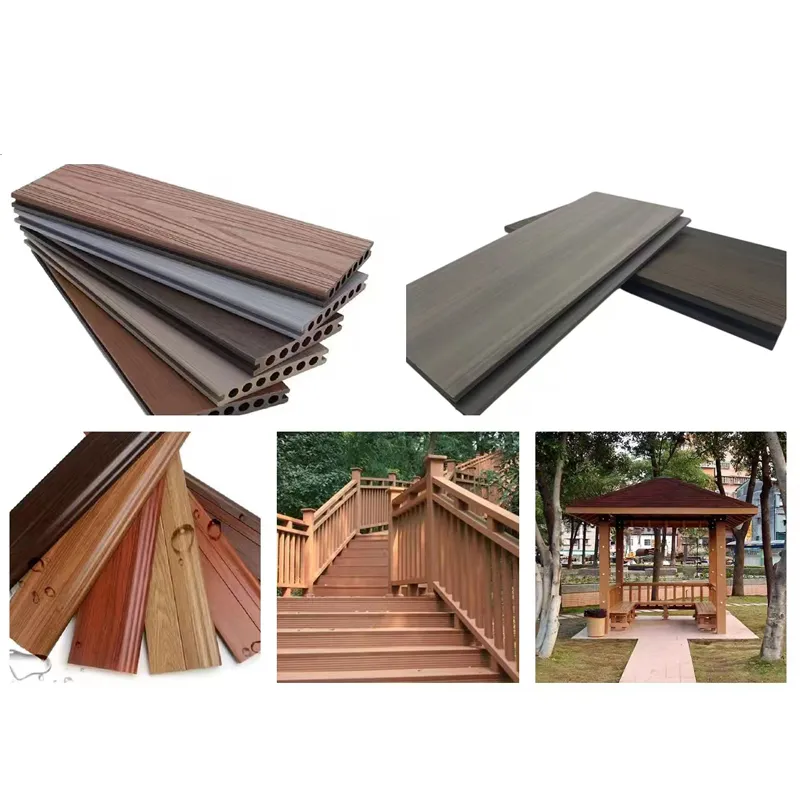
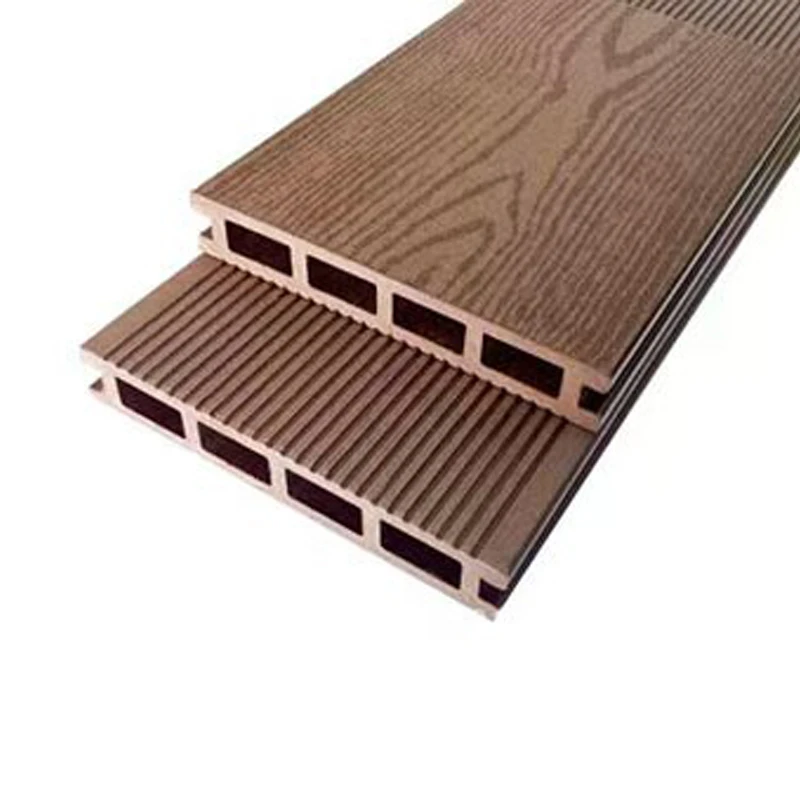
Figure 2: Applications of PVC profiles in various industries.
These inherent advantages, combined with the continuous innovation in pvc profile extrusion technology, cement PVC's position as a preferred material for a wide array of high-performance applications.
Vendor Comparison and Customized Solutions
Choosing the right supplier for a pvc profile production line is a strategic decision that impacts long-term operational success. Beyond initial cost, factors such as technological advancement, customization capabilities, and post-sales support are paramount.
Key Vendor Comparison Factors:
- Technological Expertise: Evaluate the vendor's R&D investment, patents, and ability to integrate cutting-edge components (e.g., energy-efficient motors, advanced PLC controls).
- Machine Quality & Durability: Assess the build quality, material of construction for critical components (screws, barrels, dies), and expected lifespan.
- Customization & Flexibility: Does the vendor offer tailored solutions for specific profile geometries, output requirements, or material formulations?
- After-Sales Service & Support: Availability of spare parts, technical assistance, installation, training, and warranty.
- References & Track Record: Review past projects, client testimonials, and industry reputation.
Comparison: PVC Profile Extrusion vs. Aluminium Extrusion
While both PVC and aluminium extrusion lines produce profiles, their applications, processes, and cost structures differ significantly. Understanding these distinctions is crucial for material selection.
| Feature | PVC Profile Extrusion Line | Aluminium Extrusion Line |
|---|---|---|
| Raw Material | PVC Resin Compound | Aluminium Billets (Alloy) |
| Melting Temp. | 160-200°C | 450-500°C |
| Process | Twin-screw extrusion, vacuum calibration, water cooling | Hot extrusion through hydraulic press, air/water quenching |
| Primary Applications | Windows, doors, wall panels, pipes, cables (insulation) | Structural components, heat sinks, architectural frames, automotive parts |
| Key Advantages | Insulation (thermal/electrical), corrosion resistance, cost-effectiveness, design flexibility, low maintenance | High strength-to-weight ratio, conductivity, recyclability, aesthetic anodizing |
| Typical Cost (Line) | Moderate | Higher |
This comparison highlights that while an aluminium extrusion line excels in high-strength, conductive applications, a pvc profile production line offers unparalleled benefits in insulation, chemical resistance, and cost-effectiveness for a vast array of construction and industrial uses.
Customized Solutions:
Leading manufacturers understand that off-the-shelf solutions may not always meet unique production demands. Customization for a pvc profile production line can include:
- Die Design: Developing custom extrusion dies for unique profile geometries, multi-cavity dies for increased output, or co-extrusion dies for multi-layer profiles.
- Auxiliary Equipment: Integrating specific upstream (e.g., advanced dosing systems for additives) or downstream equipment (e.g., inline punching, embossing units, specialized haul-off for delicate profiles).
- Automation Levels: Tailoring the level of automation from basic manual operations to fully automated, robot-assisted stacking and packaging systems to minimize labor.
- PLC & HMI Customization: Programming control systems with specific recipes, data logging requirements, and user interfaces.
- Environmental Controls: Incorporating specialized dust collection, fume extraction, or soundproofing for specific factory environments.
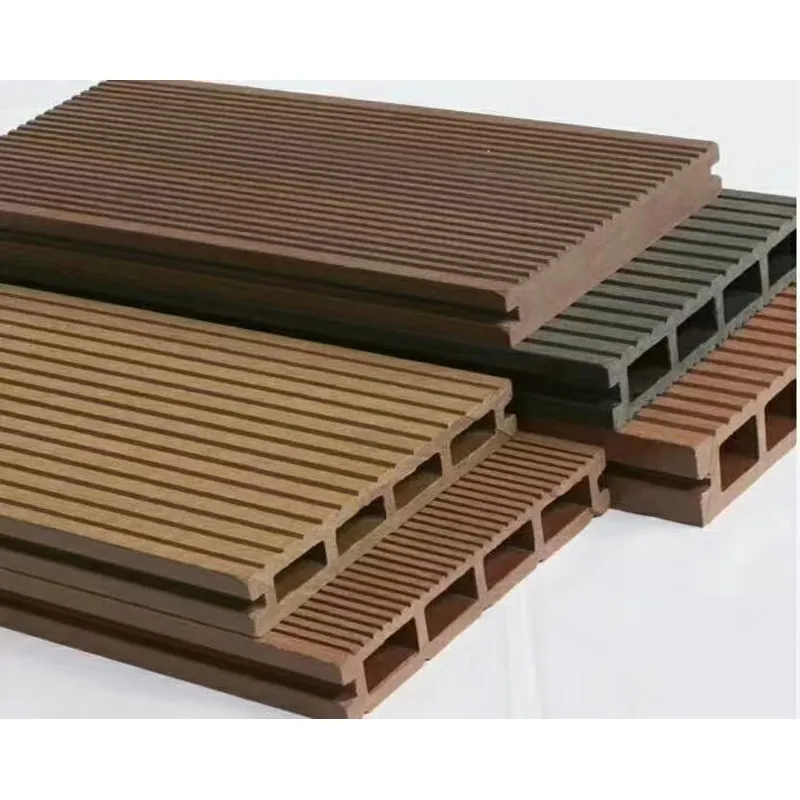
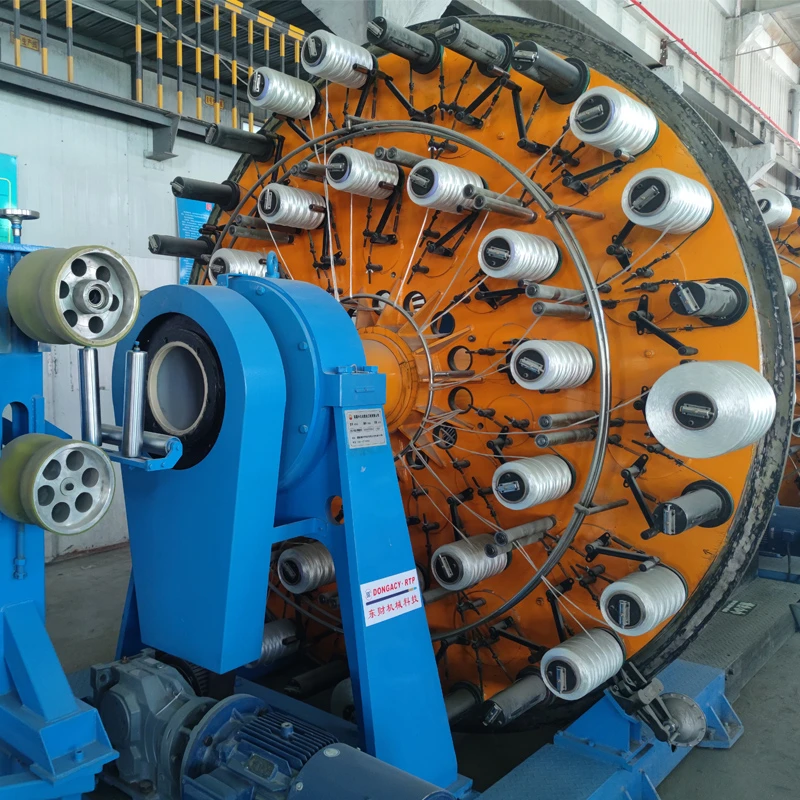
Figure 3: Customized extrusion dies for intricate profile designs.
Real-World Application Case Studies and Expertise
Our decades of experience in the extrusion industry have allowed us to partner with diverse clients, delivering tailored solutions that meet complex production challenges. These case studies underscore our commitment to authoritative solutions and demonstrable expertise.
Case Study: High-Volume PVC Window Profile Manufacturer
A leading European window manufacturer approached us seeking to upgrade their existing pvc window profile extrusion line to increase output and improve energy efficiency. Their primary challenge was maintaining tight dimensional tolerances on multi-cavity window profiles while scaling production.
- Solution Implemented: We designed and installed a bespoke pvc profile production line featuring two high-output conical twin-screw extruders (SJSZ-80/156), a precisely engineered vacuum calibration system with enhanced cooling zones, and an integrated dust-free cutting and automatic stacking unit. The system included advanced gravimetric dosing systems for raw material feeding and a centralized Siemens PLC control with custom HMI for real-time monitoring and recipe management.
- Results Achieved: The new line increased overall production capacity by 40% while reducing specific energy consumption by 15% per kilogram of output. The enhanced calibration system reduced profile dimensional variance by 30%, leading to fewer rejects and improved product consistency. The client reported significant operational cost savings and improved labor efficiency due to higher automation.
- Client Feedback: "The new extrusion line has been a game-changer for our operations. The precision and efficiency are outstanding, and the support from the technical team throughout commissioning was exceptional."
Case Study: Specialized Hollow Profile Sheet Extrusion for Automotive Components
An automotive supplier required a specialized hollow profile sheet extrusion line to produce lightweight, rigid PVC sheets for internal vehicle paneling. The critical requirements were uniform wall thickness across large sheet widths and high impact resistance.
- Solution Implemented: We provided a dedicated hollow profile sheet extrusion line with a larger diameter parallel twin-screw extruder for optimal melt homogeneity across wider dies. A specialized wide-format die with adjustable lips ensured uniform sheet thickness, coupled with an extended multi-zone vacuum calibration table and an oversized haul-off unit to handle the larger profile.
- Results Achieved: The line successfully produced hollow PVC sheets with exceptional dimensional stability and impact resistance, meeting stringent automotive specifications. Production speed was optimized, and waste due to non-conformity was minimized.
- Expertise Highlighted: This project demonstrated our capability in designing custom dies and auxiliary equipment for challenging large-format extrusion, leveraging our deep understanding of polymer rheology and mechanical engineering principles.
Trustworthiness and Support for Your Investment
Investing in a pvc profile production line is a significant commitment. We build trust through transparent operations, robust certifications, comprehensive support, and clear commitments to our clients.
Authoritative Credentials & Certifications:
- ISO 9001 Certified: Our manufacturing processes adhere to internationally recognized quality management standards, ensuring consistent product quality and operational efficiency.
- CE Marking: All our equipment complies with European Union safety, health, and environmental protection requirements, allowing for seamless integration into global markets.
- Years of Service: With over 20 years of dedicated service in the plastic extrusion machinery industry, we bring unparalleled experience and problem-solving capabilities to every project.
- Partner Clients: We serve a global clientele, including prominent manufacturers in the construction, automotive, and packaging sectors, demonstrating our reliability and capability on an international scale.
Frequently Asked Questions (FAQ):
- Q1: What is the typical lead time for a new PVC profile production line?
- A1: Standard lines typically have a lead time of 60-90 days from order confirmation to shipment. Custom-engineered lines, depending on complexity, may require 90-150 days. Specific timelines are provided during the quotation phase.
- Q2: What warranty is provided with the extrusion lines?
- A2: We offer a standard 12-month warranty on all mechanical and electrical components from the date of commissioning or 18 months from shipment, whichever comes first. Extended warranty options are available upon request.
- Q3: What kind of after-sales support can I expect?
- A3: Our comprehensive after-sales support includes remote technical assistance (phone/video conference), on-site installation and commissioning by experienced engineers, operator training, and readily available spare parts. We maintain a global network for swift support.
- Q4: Can your lines process recycled PVC material?
- A4: Yes, our extrusion lines are designed to handle various PVC formulations, including those incorporating a percentage of recycled PVC (post-industrial or post-consumer), provided the material is properly pre-processed and blended. Our technical team can advise on optimal integration.
Fulfillment and Customer Support:
- Installation & Commissioning: Our expert engineers provide full on-site installation, fine-tuning, and commissioning to ensure your pvc profile production line operates at peak performance from day one.
- Operator Training: Comprehensive training programs are conducted for your staff, covering operation, maintenance, and troubleshooting, empowering your team with the necessary skills.
- Spare Parts Management: We maintain a substantial inventory of critical spare parts, ensuring rapid dispatch and minimizing potential downtime.
- Technical Consultation: Our technical team is available for ongoing consultation, process optimization, and assistance with new product development.
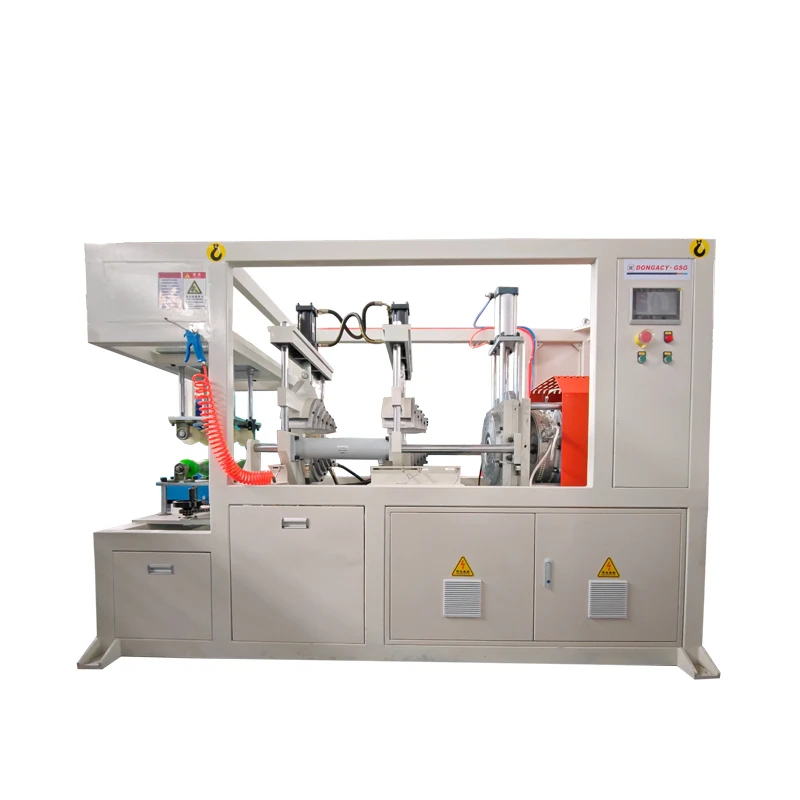
Figure 4: After-sales support and training for optimal line performance.
Conclusion
The modern pvc profile production line represents a pinnacle of engineering and material science, offering robust, efficient, and versatile solutions for a multitude of industrial and construction applications. From intricate pvc window profile extrusion line to large hollow profile sheet extrusion line, the core technology provides unparalleled benefits in durability, energy efficiency, and cost-effectiveness. By carefully considering technical specifications, leveraging customization options, and partnering with experienced vendors who prioritize expertise, authoritativeness, and trustworthiness, businesses can secure a competitive edge and ensure long-term operational success in the dynamic world of polymer extrusion.
Our commitment to providing cutting-edge technology, comprehensive support, and tailored solutions makes us an ideal partner for your next extrusion investment. We empower our clients to achieve higher productivity, superior product quality, and sustained profitability.
References
- European Council of Vinyl Manufacturers. (2022). The European PVC Industry: Facts and Figures.
- ASTM International. (2021). ASTM D4216 - Standard Specification for Rigid Poly(Vinyl Chloride) (PVC) Compounds.
- International Organization for Standardization. (2020). ISO 1163 - Plastics -- Unplasticized poly(vinyl chloride) (PVC-U) moulding and extrusion materials -- Part 1: Designation system and basis for specifications.
- Plastics Technology Magazine. (2023). Innovations in PVC Extrusion Technology.
- Modern Plastics Global. (2022). Advancements in Twin-Screw Extrusion for Profile Production.
-
High Efficiency PE Extrusion Line Guide for Plastic ManufacturingNewsApr.16,2026
-
High Speed Steel Wire Mesh HDPE Composite Pipe Production Line - Anhui Dongchai|High Automation&Energy EfficiencyNewsApr.13,2026
-
High Speed Steel Wire Mesh HDPE Composite Pipe Production Line - Anhui Dongchai|High Automation&Energy EfficiencyNewsApr.13,2026
-
Guide to Choosing High Efficiency ppr pipe extrusion machineNewsApr.09,2026
-
Comprehensive Guide to Modern Pipe Production Line Technologies and OptimizationNewsApr.07,2026
-
Choosing the Right Extrusion Pipe Machine for Optimal Plastic Pipe ProductionNewsApr.04,2026
-
Comprehensive Guide to PPR Pipe Extrusion Line Technology and ApplicationsNewsMar.31,2026


