
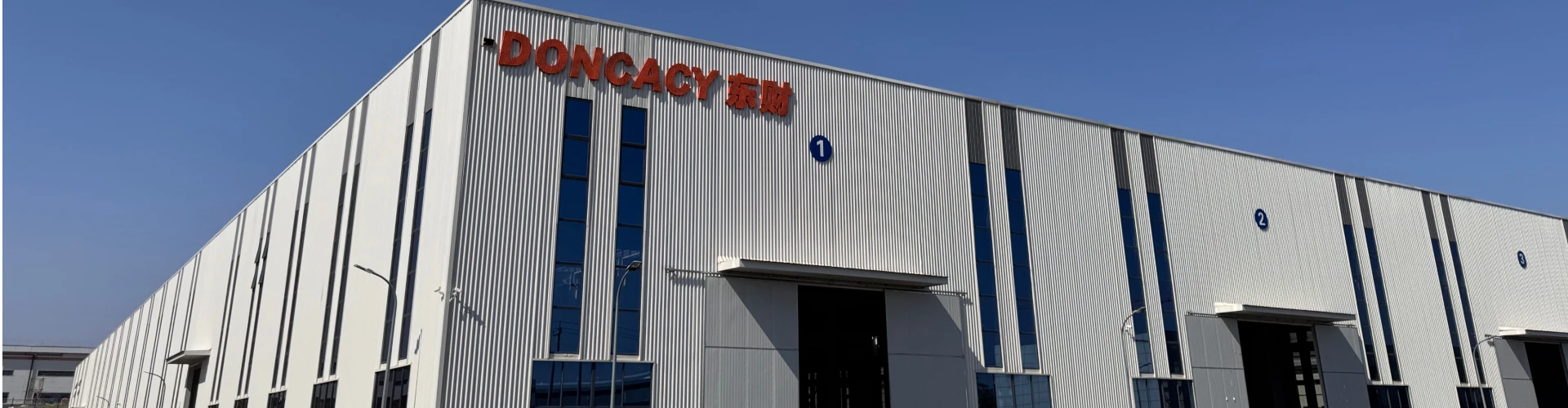
Introduction to Polyethylene Pipe Production Technology
The demand for durable, efficient, and cost-effective piping solutions across various industries has driven significant advancements in plastic extrusion technology. At the forefront of this evolution is the polyethylene pipe production line, a sophisticated system engineered to manufacture high-density polyethylene (HDPE) and medium-density polyethylene (MDPE) pipes. These pipes are indispensable for critical infrastructure projects, including water supply, gas distribution, wastewater management, and industrial fluid conveyance. Modern extrusion lines are characterized by their precision, automation, and ability to produce pipes with exceptional mechanical properties and extended service life, meeting stringent international standards.
Our Hdpe High Speed And High Efficiency Extrusion Production Line represents the pinnacle of this technology, offering unparalleled efficiency and reliability. The focus on HDPE pipes stems from their superior resistance to corrosion, abrasion, and chemical attack, coupled with excellent flexibility and fatigue resistance, making them a preferred alternative to traditional materials like steel and concrete.
Detailed Process Flow of a Polyethylene Pipe Production Line
The manufacturing of HDPE pipes on a dedicated polyethylene pipe production line is a continuous, highly automated process involving several critical stages. Understanding each step is crucial for ensuring product quality and operational efficiency.
Process Flow Overview:
- Material Feeding & Drying: High-grade HDPE or MDPE resin pellets, often pre-colored with masterbatch, are fed into a gravimetric dosing unit. This system ensures precise blending and consistent material flow. While PE generally doesn't require extensive drying, controlled conditions prevent moisture absorption.
- Extrusion (Melting & Homogenization): The blended material enters the extruder, typically a high-efficiency single-screw extruder. Here, heating elements and the mechanical shear of the screw melt the polymer and homogenize the melt, ensuring uniform temperature and viscosity. The screw design is critical for achieving optimal melt quality and output.
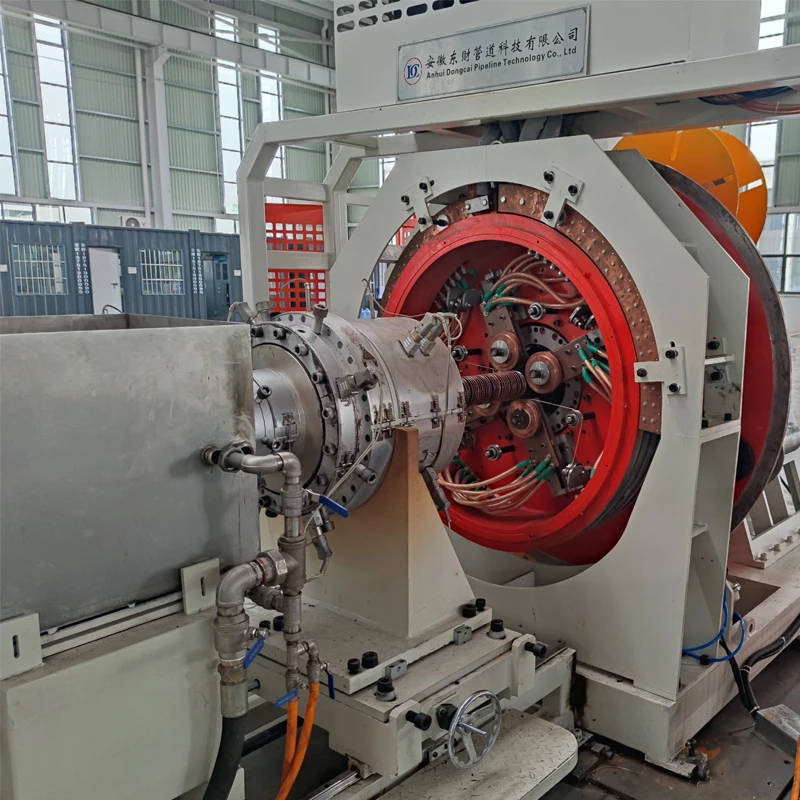
- Die Head Forming: The molten polymer is pushed through a specially designed pipe die head. This component shapes the melt into a continuous tubular form with the desired outer diameter (OD) and wall thickness (WT). Modern spiral die heads minimize weld lines and optimize flow distribution.
- Vacuum Sizing & Cooling: Immediately after exiting the die, the hot pipe enters a vacuum calibration tank. A vacuum system inside the tank pulls the pipe against sizing sleeves, precisely setting its OD. Concurrently, water jets rapidly cool the outer surface, solidifying the pipe.
- Spray Cooling: Following vacuum sizing, the pipe passes through multiple spray cooling tanks to ensure thorough and uniform cooling of the entire wall thickness. Efficient cooling prevents ovality and internal stresses.
- Haul-off (Traction): A multi-caterpillar haul-off unit grips the cooled pipe and pulls it steadily through the entire line at a constant speed, synchronized with the extruder output. This ensures consistent dimensions and prevents stretching or sagging.
- Cutting & Winding/Stacking: An automatic no-dust cutter or planetary saw precisely cuts the pipe to predetermined lengths. For smaller diameter pipes, an automatic coiler winds them into coils for ease of transport and storage. Larger diameter pipes are stacked onto support frames.
- Printing & Inspection: An inline printer applies necessary markings (manufacturer, pipe size, material grade, production date, standard compliance). Continuous inline inspection systems, such as ultrasonic thickness gauges, monitor wall thickness and concentricity, ensuring adherence to quality standards like ISO 4427, ASTM F714, and EN 12201.
Product materials primarily consist of HDPE (High-Density Polyethylene) and MDPE (Medium-Density Polyethylene), renowned for their robust mechanical properties and chemical inertness. The manufacturing process centers around advanced extrusion techniques, eschewing traditional casting or forging, which are unsuitable for continuous pipe production. Components of the extrusion line, however, are precision-engineered using advanced CNC machining and high-grade materials to ensure longevity and precise operation.
Testing standards adhered to include ISO 4427 (Plastic piping systems for water supply), EN 12201 (Plastic piping systems for water supply, and for drainage and sewerage under pressure), and ASTM F714 (Standard Specification for Polyethylene (PE) Plastic Pipe (SDR-PR) Based on Outside Diameter), ensuring pipes meet global benchmarks for performance and safety. HDPE pipes typically boast a service life exceeding 50 years under normal operating conditions, a significant advantage for long-term infrastructure investments. Target industries include petrochemical, metallurgy, water supply & drainage, gas distribution, mining, and agriculture. In these scenarios, the pipes offer energy-saving benefits due to low friction losses and superior corrosion resistance, reducing maintenance costs significantly.
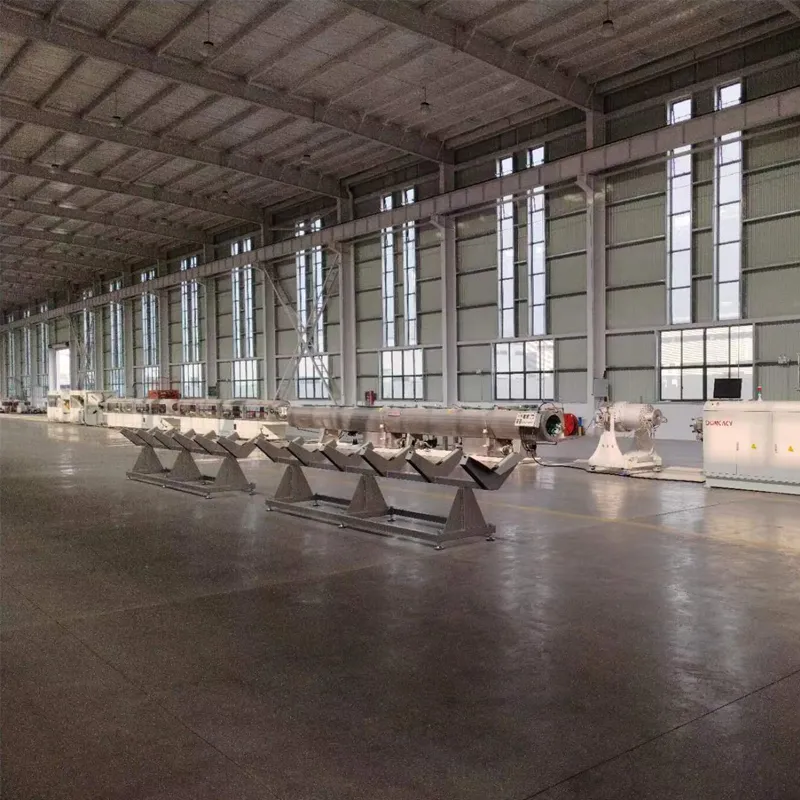
Industry Trends and Market Dynamics for PE Pipe Extrusion
The global market for polyethylene pipes and the associated pe pipe extrusion line technology is experiencing robust growth, driven by several key trends. Increasing urbanization and industrialization, particularly in developing economies, necessitate expansion and modernization of water, gas, and sanitation infrastructure. HDPE pipes are increasingly favored over traditional materials due to their superior performance, lower installation costs, and environmental benefits. A major trend is the emphasis on sustainability and circular economy principles. This includes the development of extrusion lines capable of processing recycled polyethylene content without compromising pipe quality, as well as energy-efficient designs to reduce the carbon footprint of production.
Another significant trend is the rise of smart manufacturing and Industry 4.0 concepts. Modern hdpe pipe extrusion machine for sale solutions integrate advanced automation, real-time data monitoring, and predictive maintenance capabilities. PLC (Programmable Logic Controller) systems with HMI (Human-Machine Interface) touchscreens offer precise control over extrusion parameters, enabling higher throughput, consistent quality, and reduced waste. The market also sees a demand for larger diameter pipes for major transmission lines and multi-layer pipes for specialized applications (e.g., oxygen barrier pipes, pipes with integrated tracer wires for easier detection). Manufacturers are also investing in co-extrusion technologies to produce pipes with enhanced properties, such as abrasion resistance or antimicrobial inner layers.
Technical Specifications: Hdpe High Speed And High Efficiency Extrusion Production Line
Our state-of-the-art Hdpe High Speed And High Efficiency Extrusion Production Line is designed for maximum performance, precision, and energy efficiency. Below are typical technical parameters that highlight the capabilities of our advanced polyethylene pipe production line.
Key Product Specifications Table
These specifications demonstrate the capability of our machinery to produce a wide range of PE pipes with superior quality and efficiency, catering to diverse project requirements. The robust design and advanced control systems ensure consistent output and minimal operational intervention.
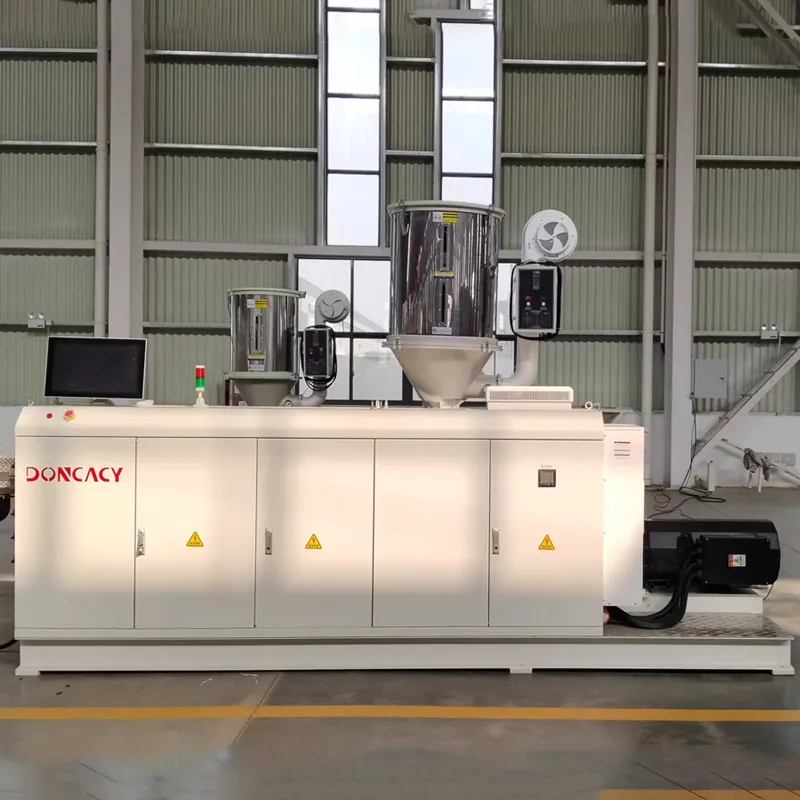
Application Scenarios and Industry Use Cases
The versatility and robust properties of HDPE pipes, produced by a modern pe pipe extrusion line, make them indispensable across a multitude of critical applications. Their superior performance characteristics translate into significant advantages in challenging environments and demanding infrastructure projects.
- Water Supply Systems: HDPE pipes are globally recognized for potable water distribution. Their non-toxic nature, corrosion resistance, and leak-tight fusion joints (butt fusion or electrofusion) eliminate potential contamination and water loss, ensuring safe and efficient delivery from source to tap.
- Gas Distribution Networks: For natural gas transmission, MDPE and HDPE pipes offer exceptional safety and longevity. They resist chemical attack from natural gas components and are flexible enough to withstand ground movements without fracturing, making them ideal for underground installations.
- Wastewater & Sewerage: In municipal and industrial wastewater management, HDPE's abrasion resistance and ability to handle aggressive effluents are paramount. The smooth inner surface minimizes friction losses and prevents build-up, reducing pumping costs and maintenance.
- Mining Applications: HDPE pipes excel in the harsh conditions of mining operations, transporting slurry, process water, and tailings. Their high impact strength and flexibility withstand rough terrains and dynamic pressures, providing a long-lasting solution compared to traditional metal pipes that corrode rapidly.
- Agricultural Irrigation: For large-scale irrigation systems, HDPE pipes offer ease of installation, resistance to UV degradation, and minimal leakage, ensuring efficient water delivery to crops and reducing resource wastage. Their flexibility allows for contouring to uneven land.
- Industrial Fluid Conveyance: Chemical plants, power stations, and petrochemical facilities utilize HDPE pipes for conveying various industrial fluids, including corrosive chemicals, due to their excellent chemical resistance and broad temperature range tolerance.
- Cable Protection: In telecommunications and power infrastructure, HDPE conduits provide robust protection for fiber optic and electrical cables against physical damage, moisture, and pests, ensuring reliable service delivery.
These varied application scenarios underscore the adaptability and economic benefits provided by products from a high-quality hdpe pipe production line price competitive offering. The inherent advantages, such as energy saving through reduced pumping requirements and minimal leakage, coupled with unparalleled corrosion resistance, position HDPE pipes as the material of choice for sustainable infrastructure development.
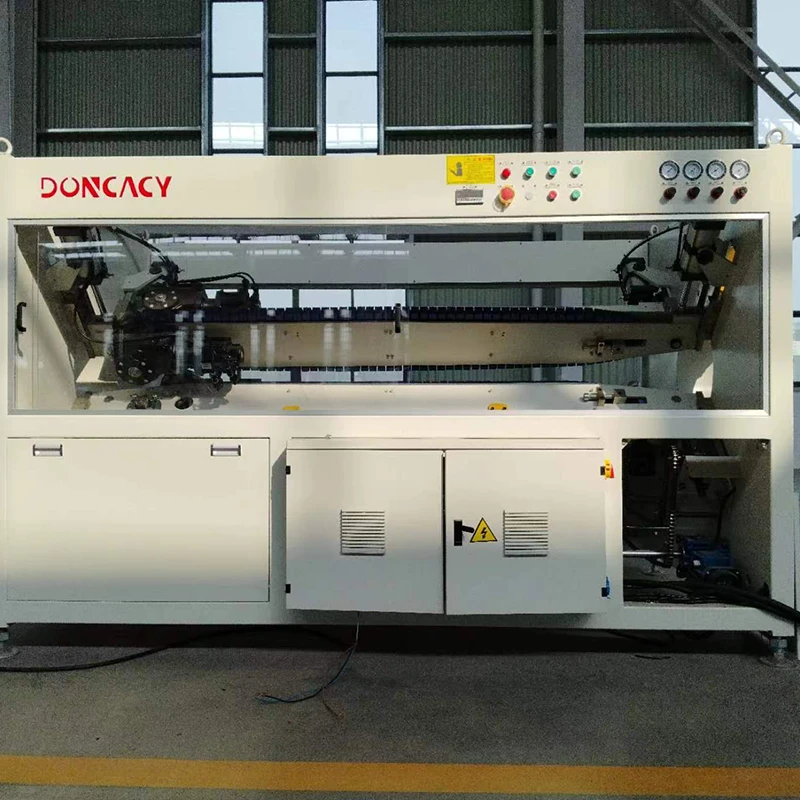
Technical Advantages of Modern Extrusion Lines
The technical superiority of a contemporary pe pipe extrusion machine lies in its advanced engineering, process control, and material handling capabilities. These elements collectively contribute to producing pipes that outperform alternatives in efficiency, durability, and cost-effectiveness.
- High-Efficiency Extruder Design: Utilizing specialized barrier screws with high L/D ratios (e.g., 36:1 to 40:1) significantly enhances melt homogeneity and output rates. The grooved feed section ensures stable feeding, reducing pulsation and improving melt quality. This results in faster production speeds and lower specific energy consumption (kWh/kg).
- Precision Die Heads: Spiral flow channel die heads provide uniform melt distribution, minimizing internal stresses and ensuring consistent wall thickness and concentricity. This precision is vital for meeting stringent SDR (Standard Dimension Ratio) requirements and ensuring pipe integrity under pressure.
- Advanced Vacuum Calibration: Multi-chamber vacuum calibration tanks with efficient cooling systems maintain precise pipe dimensions and rapid solidification. Independent vacuum control in each chamber allows for fine-tuning based on pipe size and material characteristics.
- Synchronized Haul-off and Cutter Units: The multi-caterpillar haul-off units feature independent drive systems and precise speed control (e.g., servo motors), ensuring consistent pulling force synchronized with the extruder. This prevents pipe deformation. Paired with high-precision no-dust cutters or planetary saws, exact pipe lengths are achieved with clean cuts, reducing post-processing.
- Intelligent Control Systems: Siemens PLC or similar industrial control systems with intuitive HMI interfaces allow operators to monitor and adjust all critical parameters in real-time. Features like gravimetric dosing systems provide closed-loop control over material feed, ensuring consistent output and material savings.
- Energy Efficiency: Modern lines incorporate energy-saving components such as highly efficient motors (e.g., IE3/IE4 rated), optimized heating zones with insulation, and efficient cooling systems. This translates into lower operational costs and a reduced environmental footprint.
- Robust Construction: All components, from the gearbox to the cooling tanks, are constructed from high-quality, durable materials designed for continuous operation and minimal maintenance, ensuring a long operational life for the entire production line.
These technical advancements contribute directly to the production of high-quality HDPE pipes that are robust, reliable, and cost-effective throughout their lifecycle, making the investment in a high-performance hdpe pipe extrusion machine for sale a strategic decision for manufacturers.
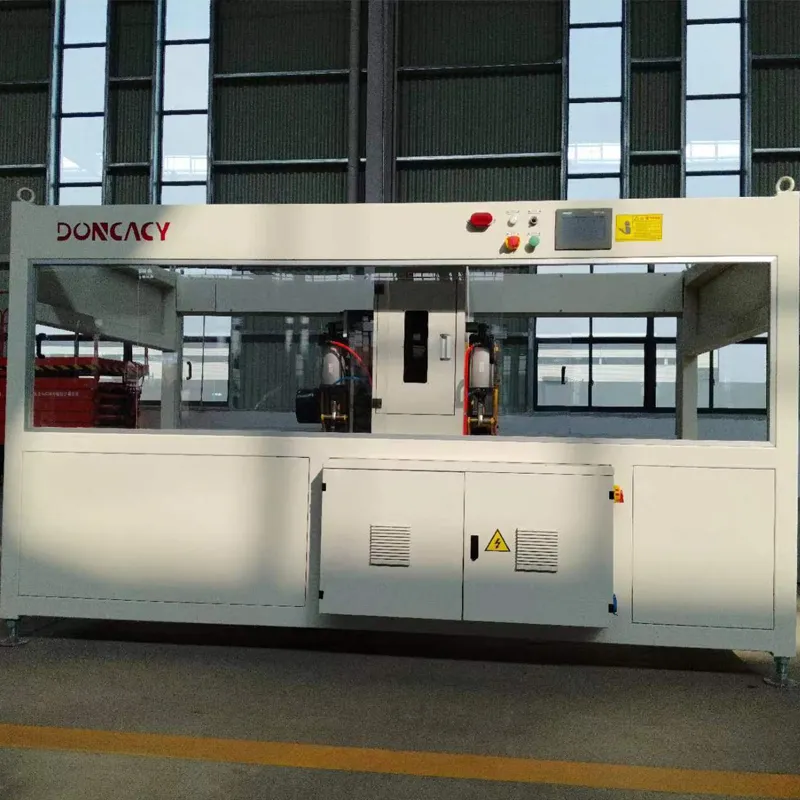
Vendor Comparison & Customization Solutions
When investing in a polyethylene pipe production line, choosing the right vendor is paramount. It involves evaluating not just the hdpe pipe production line price but also the vendor's technological prowess, service capabilities, and ability to deliver tailored solutions.
Key Differentiators in Vendor Selection:
Our commitment to client success extends to providing highly customized solutions. We understand that each production facility has unique requirements regarding pipe dimensions, production capacity, raw material types (e.g., virgin HDPE, recycled content, specific additives), and integration with existing plant infrastructure. Our engineering team collaborates closely with clients to design a tailored polyethylene pipe production line, from extruder configuration (single, twin, co-extrusion) and die head specifics to cooling systems, haul-off units, and downstream equipment like coilers, stackers, or bell machines for pipe socketing. This bespoke approach ensures optimal performance and a rapid return on investment, particularly for complex projects or specialized pipe products.
Application Case Studies & Client Success Stories
Our expertise in delivering cutting-edge pe pipe extrusion machine technology is validated by numerous successful installations and positive client feedback. We pride ourselves on providing robust solutions that meet the stringent demands of global infrastructure projects.
Case Study 1: Large-Scale Municipal Water Supply Project (Middle East)
- Challenge: A major utility provider required a high-capacity hdpe pipe extrusion machine for sale to produce large diameter (Φ450mm to Φ630mm) HDPE pipes for a new metropolitan water distribution network, emphasizing longevity and minimal leakage in harsh desert conditions.
- Solution: We supplied a customized Hdpe High Speed And High Efficiency Extrusion Production Line featuring a powerful 200kW extruder, a 6-caterpillar haul-off, and an advanced gravimetric dosing system. The line was specifically configured for robust pipe production in high ambient temperatures.
- Result: The client achieved consistent production of ISO 4427 compliant pipes at speeds exceeding their target, with a notable reduction in material waste. The installed pipes have demonstrated exceptional performance over 5 years, contributing to a reliable and sustainable water supply for millions.
Case Study 2: Industrial Gas Pipeline Expansion (Southeast Asia)
- Challenge: An industrial gas company needed to expand its underground gas distribution network, requiring medium-diameter (Φ110mm to Φ250mm) MDPE pipes with stringent safety and operational pressure ratings.
- Solution: We provided a high-speed polyethylene pipe production line optimized for MDPE, featuring a precision spiral die head and a multi-stage cooling system. Our line integrated an inline ultrasonic thickness gauge for 100% quality assurance.
- Result: The client experienced a 20% increase in production output compared to their previous line, alongside enhanced pipe quality. The project was completed ahead of schedule, showcasing the reliability and efficiency of our equipment.
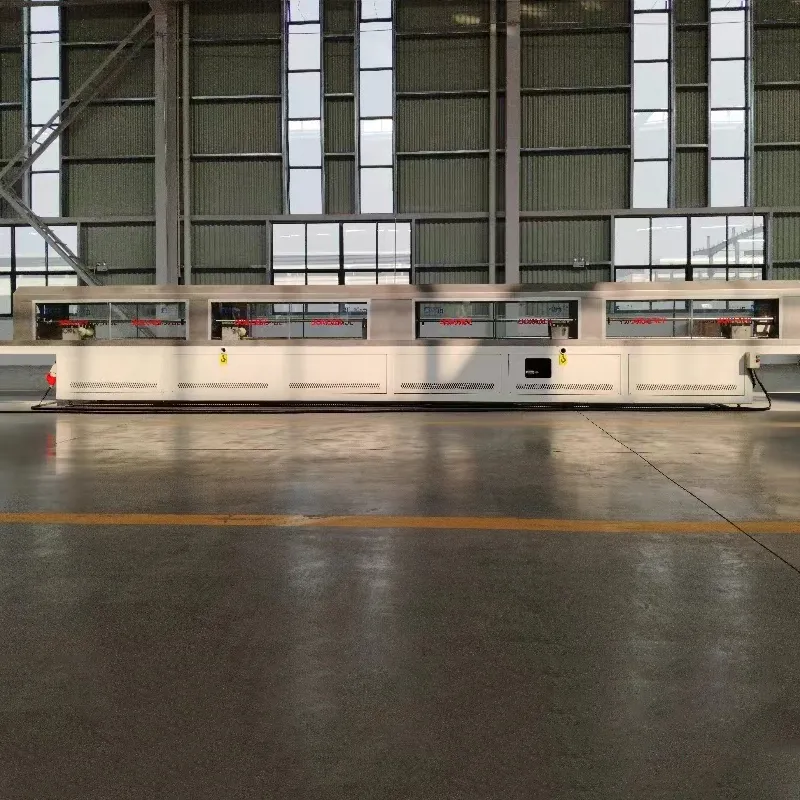
Trustworthiness & Client Assurance (FAQ, Lead Time, Warranty, Support)
Establishing long-term partnerships built on trust and reliability is at the core of our business philosophy. We ensure transparency in our operations and comprehensive support for every pe pipe extrusion line we deliver.
Frequently Asked Questions (FAQ)
- Q: What is the typical lead time for a new production line?
A: Standard production lines typically have a lead time of 60-90 days from order confirmation. Custom configurations may extend this to 120-150 days, depending on complexity. - Q: What kind of warranty do you offer on the equipment?
A: We provide a standard 12-month warranty on mechanical parts and 6-month warranty on electrical components from the date of commissioning or 18 months from shipment, whichever comes first. Extended warranty options are available. - Q: Do you provide installation and training services?
A: Yes, we offer comprehensive on-site installation supervision, commissioning, and operator training by our experienced technicians to ensure smooth startup and efficient operation of your polyethylene pipe production line. - Q: How do you handle after-sales support and spare parts?
A: Our dedicated after-sales team provides 24/7 online and phone support. We maintain a comprehensive inventory of spare parts, ensuring prompt delivery. Remote diagnostics and on-site technician visits can be arranged as needed. - Q: What certifications do your products hold?
A: Our manufacturing processes are ISO 9001 certified, and our equipment complies with CE safety directives for the European market. We adhere to international engineering and manufacturing standards.
Lead Time & Fulfillment
Our robust supply chain and optimized manufacturing processes enable efficient fulfillment. We provide detailed project timelines, from engineering design to manufacturing, quality assurance, and logistics, ensuring on-time delivery. We work with trusted logistics partners for secure worldwide shipping.
Warranty & Customer Support
Beyond our standard warranty, our commitment to customer satisfaction is reflected in our proactive customer support. Our team of skilled engineers and technicians is always ready to provide technical assistance, troubleshooting, and maintenance guidance, maximizing the uptime and performance of your hdpe pipe extrusion line. We believe in building enduring relationships through reliable equipment and exceptional service.
Conclusion
The modern polyethylene pipe production line is a cornerstone of global infrastructure development, offering unmatched benefits in terms of pipe durability, cost-efficiency, and environmental performance. Our Hdpe High Speed And High Efficiency Extrusion Production Line embodies the latest technological advancements, ensuring superior output quality, high throughput, and remarkable energy savings. By integrating precise control systems, robust components, and flexible customization options, we empower manufacturers to meet diverse market demands and achieve sustained operational excellence. The long-term advantages of HDPE pipes – from their exceptional corrosion and abrasion resistance to their extended service life and ease of installation – position them as the optimal choice for the future of fluid conveyance. Partnering with us means investing in a reliable, high-performance solution backed by comprehensive support and a commitment to innovation.
References
- ISO. (2019). ISO 4427-1:2019 - Plastics piping systems for water supply, and for drainage and sewerage under pressure — Polyethylene (PE) — Part 1: General. International Organization for Standardization.
- ASTM International. (2020). ASTM F714 - Standard Specification for Polyethylene (PE) Plastic Pipe (SDR-PR) Based on Outside Diameter. ASTM International.
- Plastics Pipe Institute (PPI). (2021). Handbook of Polyethylene Pipe. 2nd Edition.
- European Committee for Standardization. (2012). EN 12201-1:2012 - Plastics piping systems for water supply, and for drainage and sewerage under pressure — Polyethylene (PE) — Part 1: General. CEN.
- Polymer Extrusion. (2017). Online Journal, Vol. 15, Issue 3. "Advancements in HDPE Extrusion Technology for Infrastructure."
-
High Efficiency PE Extrusion Line Guide for Plastic ManufacturingNewsApr.16,2026
-
High Speed Steel Wire Mesh HDPE Composite Pipe Production Line - Anhui Dongchai|High Automation&Energy EfficiencyNewsApr.13,2026
-
High Speed Steel Wire Mesh HDPE Composite Pipe Production Line - Anhui Dongchai|High Automation&Energy EfficiencyNewsApr.13,2026
-
Guide to Choosing High Efficiency ppr pipe extrusion machineNewsApr.09,2026
-
Comprehensive Guide to Modern Pipe Production Line Technologies and OptimizationNewsApr.07,2026
-
Choosing the Right Extrusion Pipe Machine for Optimal Plastic Pipe ProductionNewsApr.04,2026
-
Comprehensive Guide to PPR Pipe Extrusion Line Technology and ApplicationsNewsMar.31,2026


