
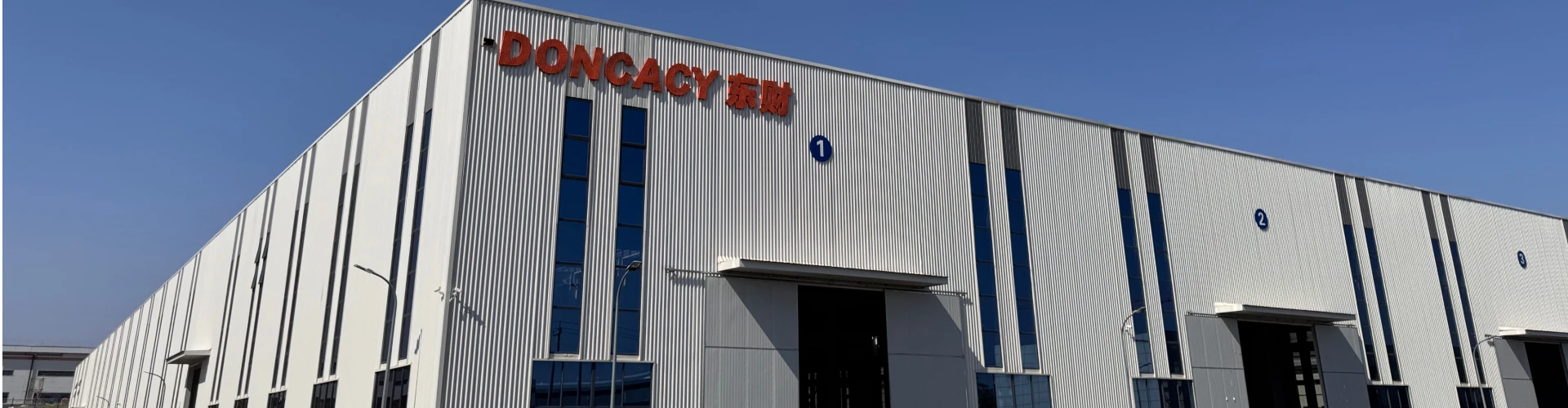
HDPE Pipe Production Line: A Solid Backbone of Industrial Piping
Having worked around industrial equipment for more than a decade, I've come to appreciate the subtle marvels behind what many call simply “pipe production.” HDPE pipe production line technology might sound a bit dry, but trust me—it’s the artery through which modern infrastructure streams.
Oddly enough, the reliability we expect from HDPE (High-Density Polyethylene) pipes isn’t just about the material itself but how it’s made. The production line behind these pipes guarantees consistent quality, durability, and customization. You know, many engineers I’ve met emphasize the importance of production precision—imperfections can lead to costly failures underground or beneath our streets, where pipes are invisible but vital.
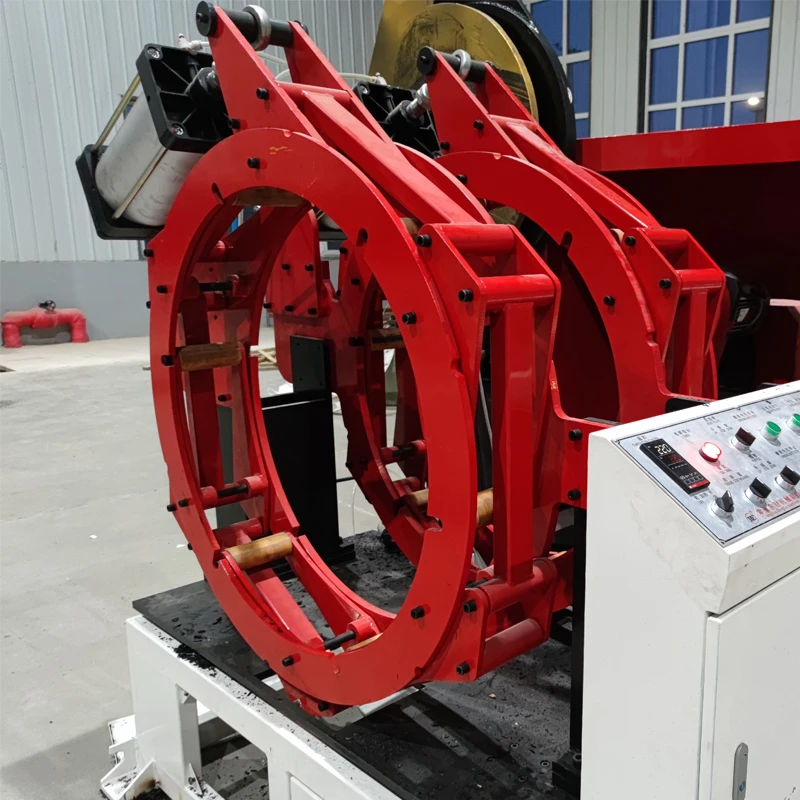
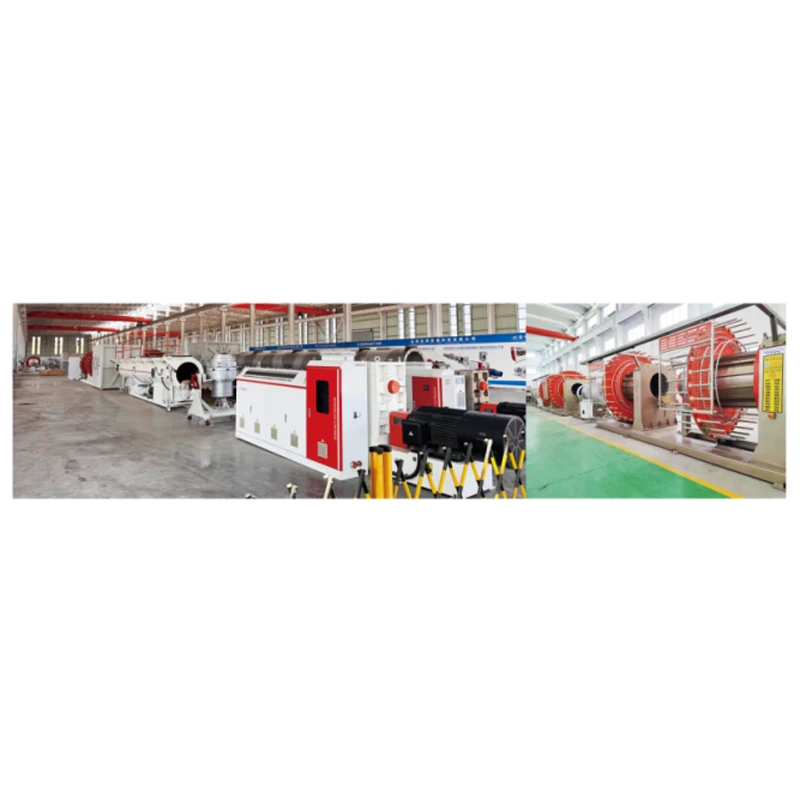
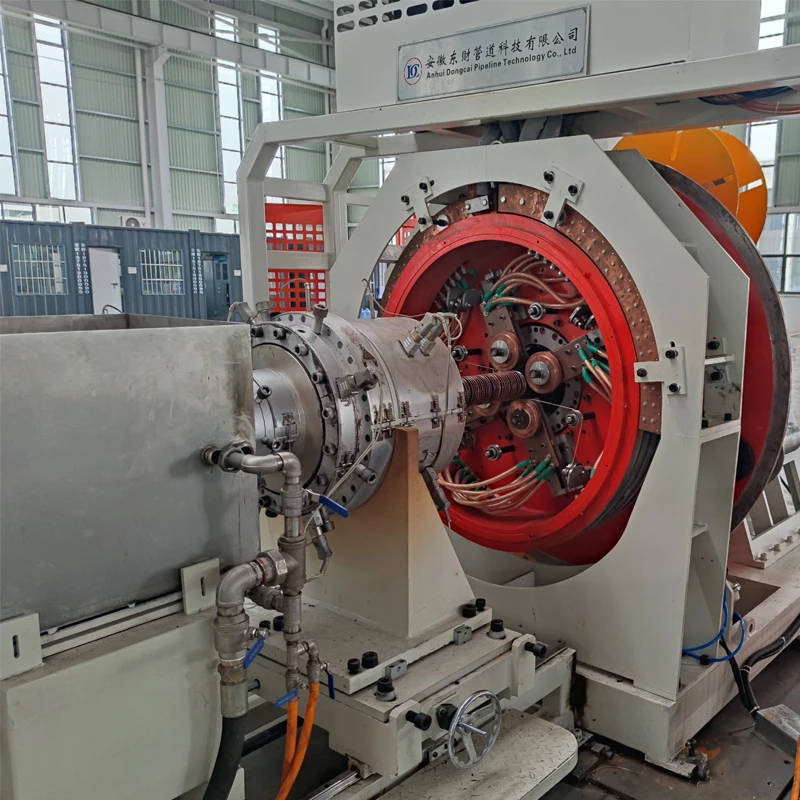
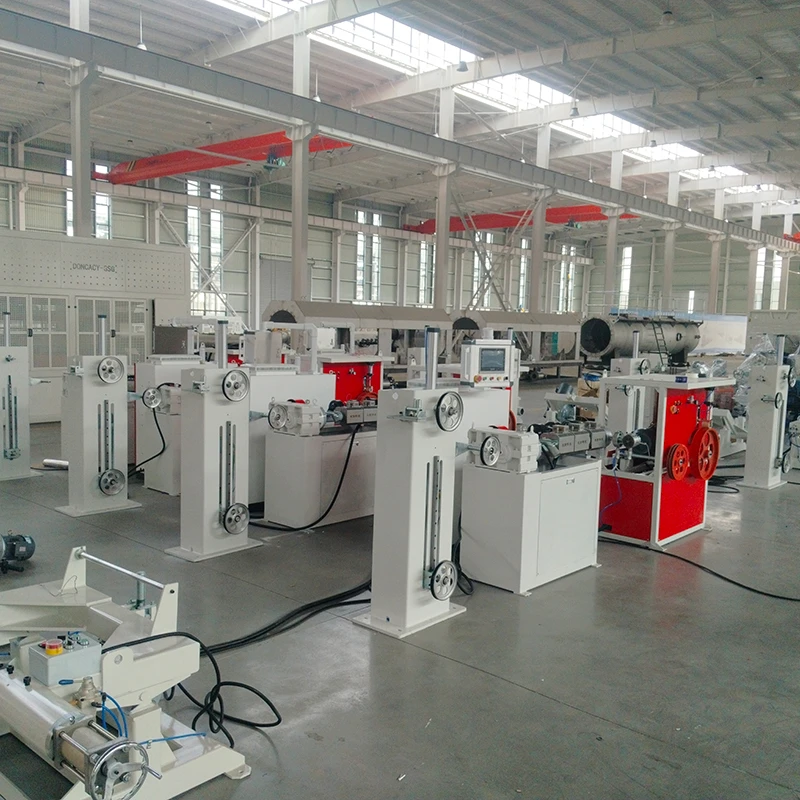
In real terms, a typical HDPE pipe production line includes raw material feeding, extruding, calibrating, cooling, and cutting stages. The extrusion process, using specially designed screw and barrel assemblies, melts the polyethylene granules uniformly before shaping them into pipes of various thicknesses and diameters. I suppose it’s this blend of mechanical finesse and material science that makes the whole process fascinating.
Just last year, I visited a factory using the AHDC11 production line (you can check it out here), and what struck me was the customization capacity. The line’s PLC control system enables precise adjustment on pipe wall thickness, diameter, and extrusion speed. This flexibility is a game-changer, especially for clients who demand specific pressure ratings and certifications.
Here's a quick overview of some typical HDPE pipe production line specifications I gathered from industry standards and my field experience:
| Feature | Specification | Notes |
|---|---|---|
| Pipe Diameter Range | 20mm – 630mm | Suitable for water, gas, sewage |
| Production Speed | 2 – 8 m/min | Variable by diameter/thickness |
| Extruder Power | 30 kW – 110 kW | Depends on pipe size |
| Automation Level | PLC with touchscreen HMI | Allows process control & monitoring |
| Cooling Method | Water bath or spray cooling | Ensures pipe shape stability |
Now, comparing vendors—because let’s face it, choosing the right production line supplier is as critical as the equipment itself—there are a few notable players, each with their own strengths and caveats. I’m listing the most important factors I keep in mind when vetting vendors:
| Vendor | Technology Level | Customization | After-Sales Support | Price Range |
|---|---|---|---|---|
| AHDC11 | Advanced PLC & modular | High, tailored solutions | Responsive & experienced | Mid to high |
| Vendor B | Standard extrusion | Limited presets | Basic support | Low to mid |
| Vendor C | Semi-automatic | Moderate | Good but regional | Mid-range |
It’s not just about specs and numbers, though. I remember a project in a coastal city whose pipelines had to withstand both high pressure and salty air corrosion—conditions not everybody accounts for upfront. Their chosen production line emphasized material purity and strict testing during pipe extrusion, which paid off big time years later when maintenance costs stayed low.
HDPE pipe production lines reflect quite a bit of the broader industrial equipment world—advancements in automation improve repeatability, material science raises durability, and customer feedback drives customization. If I’m honest, what really fascinates me is how these long, hollow cylinders connect entire utilities and communities silently, day and night.
Anyway, if you're diving into the market or upgrading facilities, it pays to know both the specs and the people behind the machines. And yeah, keep a hand on that control panel—you never know when a tweak could improve output quality or save on energy costs.
Takeaway: In the world of HDPE pipe production, technology and trustworthiness go hand in hand more than you might expect.
References:
- “HDPE Pipe Extrusion Technology Manual,” Industrial Equipment Institute, 2022.
- Field Visit Notes, AHDC11 Production Line Factory, 2023.
- “Advances in Polymer Pipeline Manufacturing,” Journal of Industrial Polymers, 2021.
-
High Efficiency PE Extrusion Line Guide for Plastic ManufacturingNewsApr.16,2026
-
Guide to Choosing High Efficiency ppr pipe extrusion machineNewsApr.09,2026
-
Comprehensive Guide to Modern Pipe Production Line Technologies and OptimizationNewsApr.07,2026
-
Choosing the Right Extrusion Pipe Machine for Optimal Plastic Pipe ProductionNewsApr.04,2026
-
Comprehensive Guide to PPR Pipe Extrusion Line Technology and ApplicationsNewsMar.31,2026
-
Understanding the Functionality and Applications of a Pipe Extruder SystemNewsMar.28,2026
-
Comprehensive Guide to Pipe Extrusion Machine Technology and ApplicationsNewsMar.26,2026


