
What really drives Hdpe Machine Price in 2025? A hands-on look at RTP tape winding lines
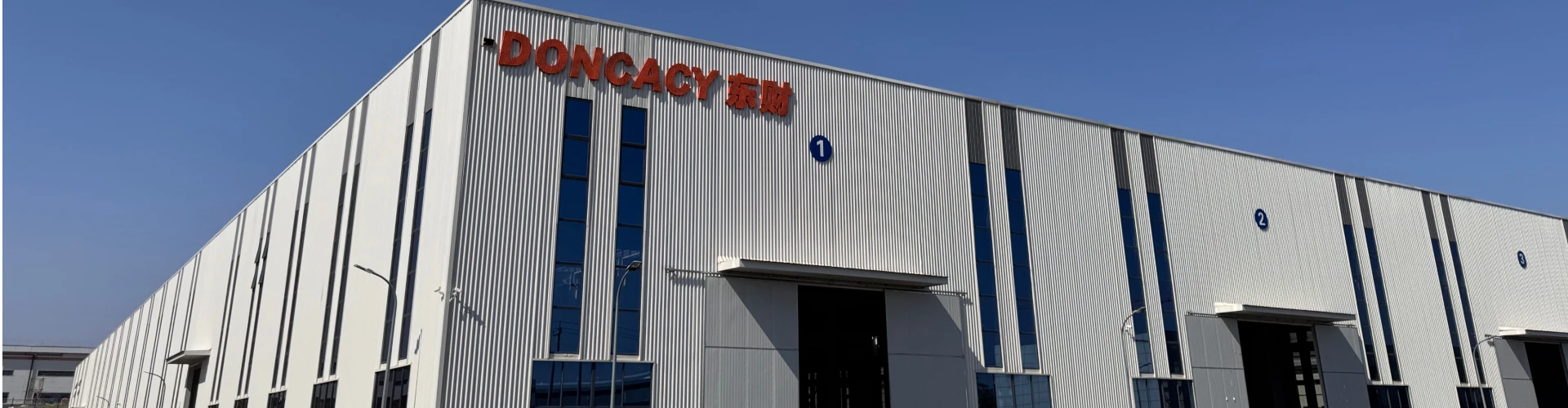
If you’ve been shopping for composite pipe equipment lately, you’ve probably noticed that price tags feel a bit all over the map. To be honest, that’s not a glitch. It’s how the market works when technology, materials, and standards are moving fast. I spent time with engineers in Anhui—No. 26 Huzhou Road, Nanqiao District, Chuzhou City, to be precise—digging into an RTP (reinforced thermoplastic pipe) tape winding reinforced composite pipe production line. What I learned clarifies why the Hdpe Machine Price can swing wildly and when it’s absolutely worth the premium.
What this line actually does (and why it matters)
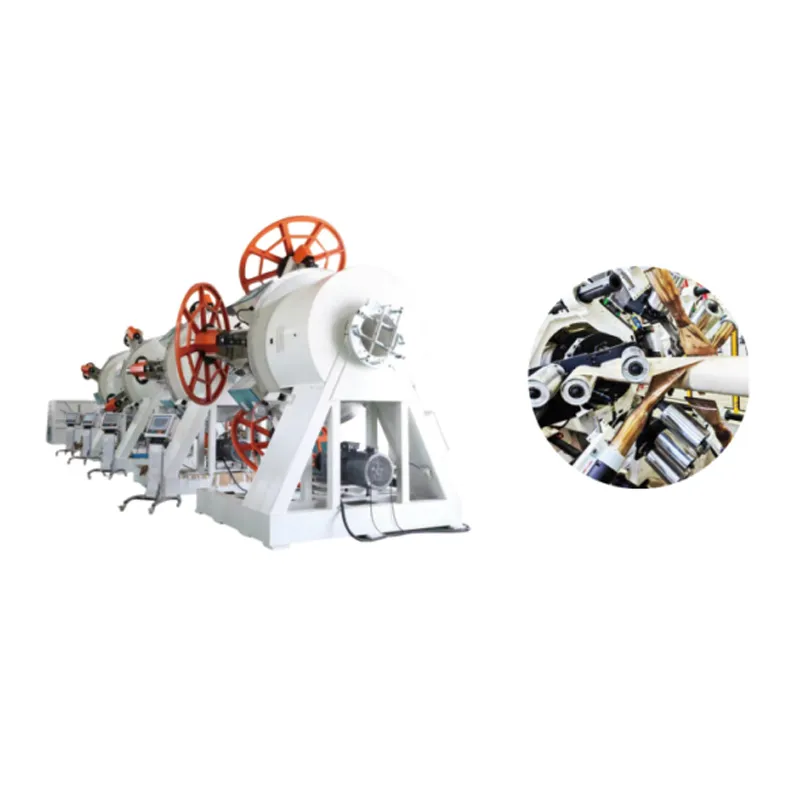
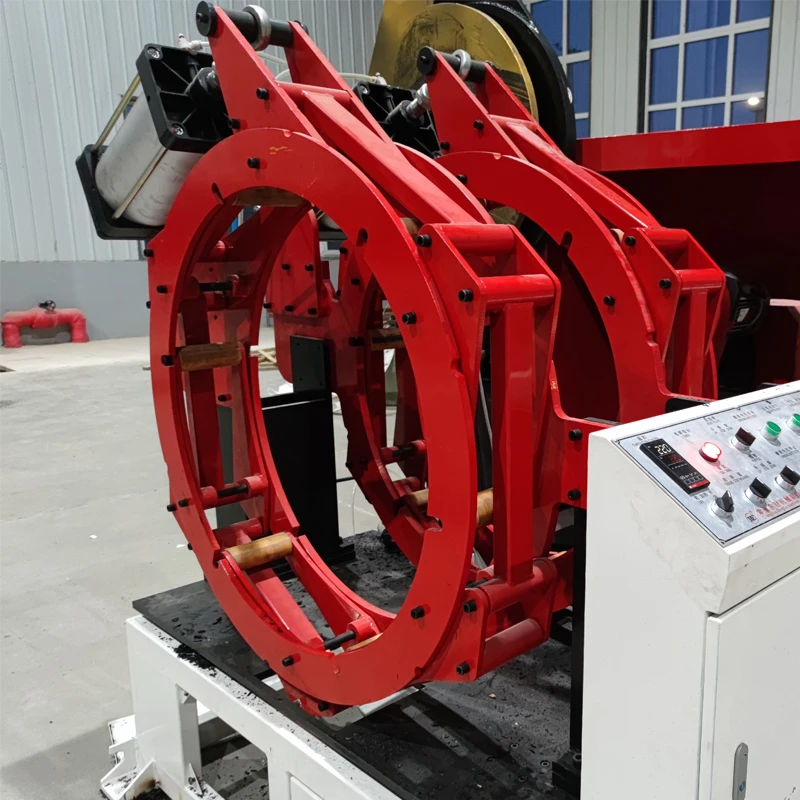
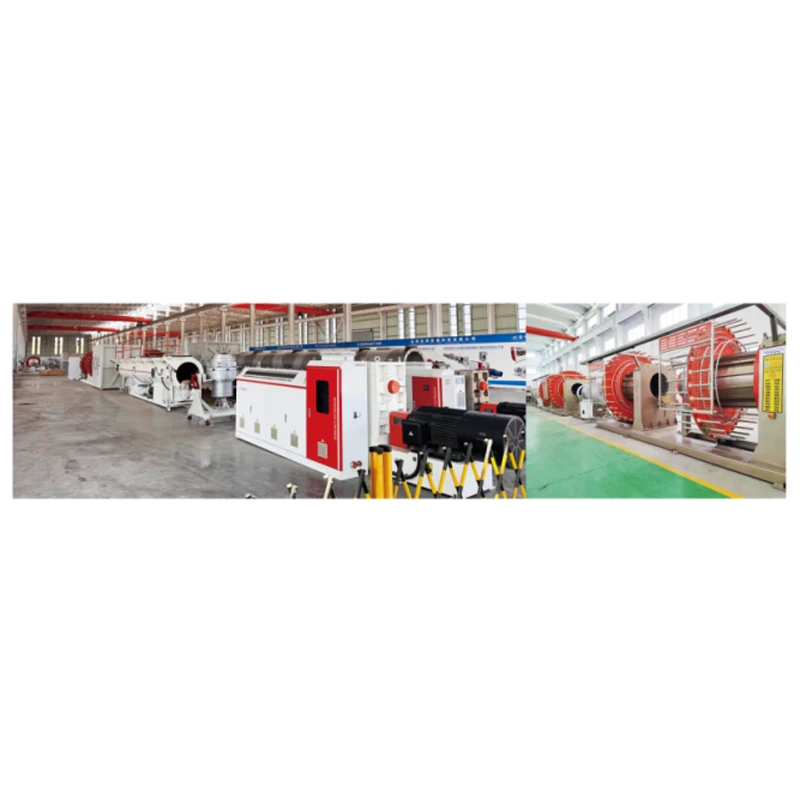
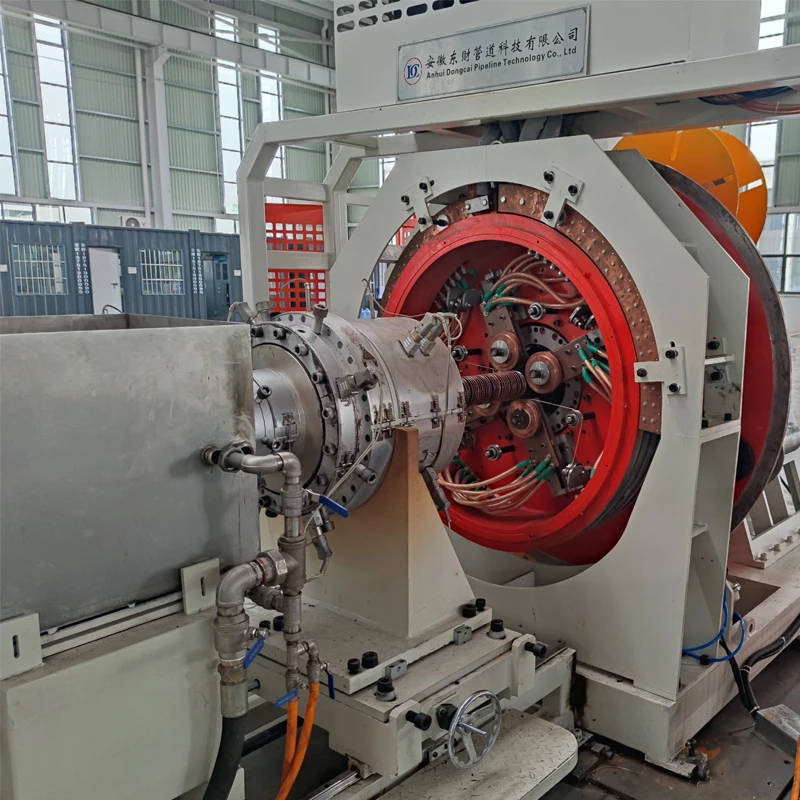
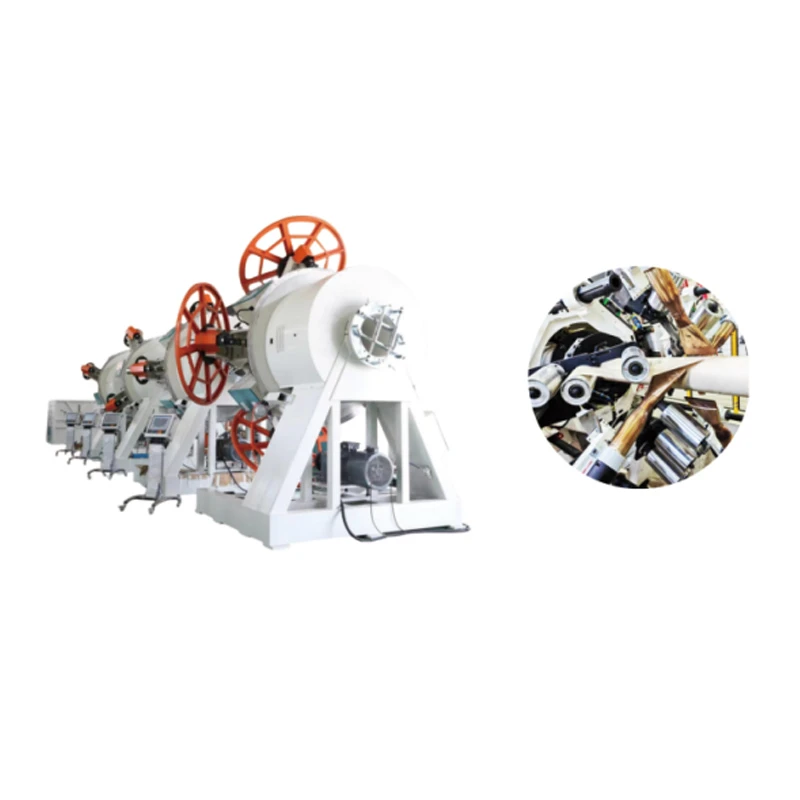
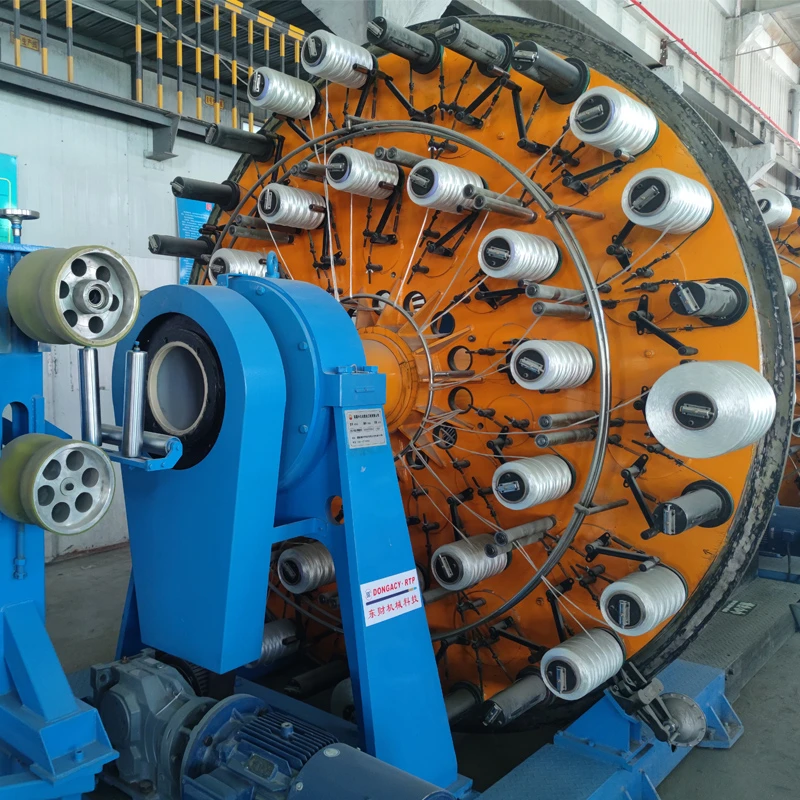
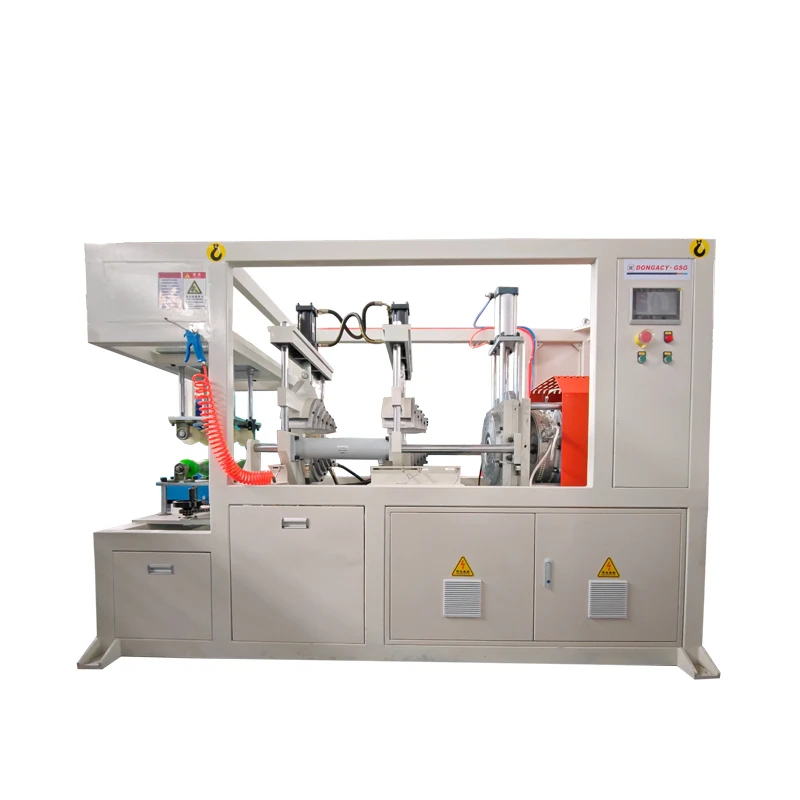
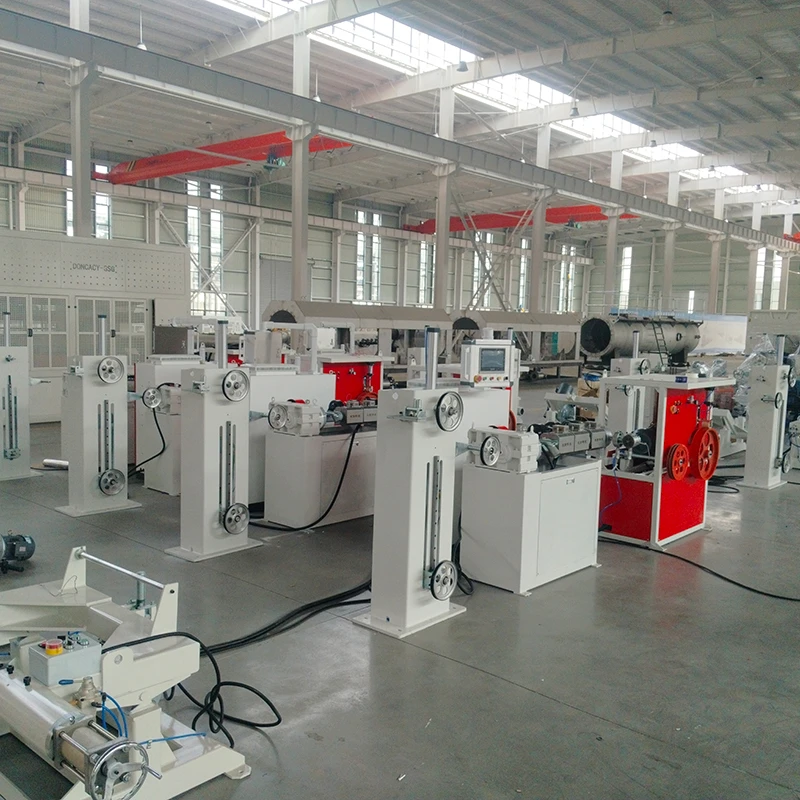
In short, a tape winding reinforced composite pipe line winds steel curtain tape, fiberglass, or aramid reinforcement onto a thermoplastic core pipe. As the core advances on the rotating axis, the tape reels release material that’s helically wrapped and heated near the winding position. The result is a bonded, high-strength composite pipe that resists corrosion and handles pressure without the weight penalty of steel. Oil & gas flowlines, district water, mining slurry, even chemical transfer: that’s where these pipes shine.
Why the Hdpe Machine Price fluctuates
- Automation depth: closed-loop tension control, servo winding heads, SCADA data logging.
- Winding geometry: extra heads for multi-angle layup and faster changeovers.
- Heating tech: IR, hot-air, or hybrid systems with longer consolidation ovens.
- Diameter range and speed: larger pipe and higher throughput raise capex.
- Compliance pack: CE/UL electricals, safety guarding, and documented FAT protocols.
- After-sales: on-site commissioning, operator training, and spare-parts coverage.
Typical process flow (materials, methods, testing)
Materials: HDPE or PA11/PA12 core pipes; steel cord tape, fiberglass, or aramid tape. Methods: preheat core, set winding angle (≈30–75°), tension-controlled helical wrap, in-situ heating, consolidation, cooling, haul-off, and cut-to-length. Testing: ISO 1167 hydrostatic pressure tests, dimensional checks, ovality, peel strength on the tape bond, and periodic burst tests. For service life, many customers target 20–50 years depending on operating pressure and media; real-world use may vary.
Product specifications (indicative)
| Parameter | Typical Range | Notes |
|---|---|---|
| Pipe diameter capability | ≈ 63–630 mm (custom up to ≈1000 mm) | Varies by winding frame size |
| Winding angle | ≈ 30–75° | Optimized for pressure/hoop vs axial loads |
| Line speed | ≈ 0.5–6 m/min | Depends on tape and oven length |
| Reinforcement | Steel curtain, fiberglass, aramid | Dry tape or pre-impregnated |
| Control system | PLC + HMI, closed-loop tension | Recipe storage, alarms, traceability |
| Compliance | ISO 9001, CE electricals | UL on request; FAT reports available |
Who’s buying and why
Oil & gas operators lean on RTP for corrosion resistance; municipalities like the lighter installs; mining likes abrasion resistance. One Middle East utility told me their 160 mm water line swap cut installation time by roughly 35% and leak events by half after six months. Not a lab trial—field reality.
Vendor snapshot and pricing vibe
| Vendor | Indicative FOB Price | Lead Time | Strengths | Watch-outs |
|---|---|---|---|---|
| Anhui maker (RTP line) | ≈ $220k–$520k | 60–120 days | Customization, on-site training | Specs vary—confirm test scope |
| Import brand B | ≈ $300k–$700k | 90–150 days | Strong documentation | Higher spares cost |
| Legacy brand C | ≈ $450k–$900k | 120–210 days | Advanced SCADA/analytics | Longer ROI horizon |
All pricing is indicative; scope, automation, and certifications can shift the Hdpe Machine Price materially.
Customization checklist
- Diameter range and winding heads (single vs multi-head)
- Tape compatibility: steel, glass, aramid; dry vs pre-preg
- Oven length and heating profile (IR/hot air hybrid)
- Closed-loop tension and angle control with recipe management
- Compliance pack: CE, UL, SIL-rated safety where needed
Standards, tests, and real data
Look for ISO 1167 hydrostatic passes (1,000 h at design stress), peel strength above internal spec, and burst safety factors aligned with API 15S guidance. A decent FAT will include diameter/ovality, bond checks, and a short-term burst coupon test. It seems basic, yet many buyers skip it—and later pay for it in the field. The Hdpe Machine Price that includes rigorous FAT/SAT is usually worth it.
Bottom line
If you’re balancing capex against uptime and standards, weigh automation, tape compatibility, and testing rigor more than sticker shock. Surprisingly, the mid-spec lines with proper tension control and ISO-compliant testing often deliver the best lifecycle economics.
Authoritative citations
- API 15S: Spoolable Reinforced Thermoplastic Pipe Systems for Oil and Gas.
- ISO 14692: Petroleum and natural gas industries — GRP piping.
- ISO 1167: Thermoplastics pipes — Resistance to internal pressure — Test method.
- EN 12201: Plastics piping systems for water supply — Polyethylene (PE).
- ISO 9001:2015 Quality management systems — Requirements.
-
High Efficiency PE Extrusion Line Guide for Plastic ManufacturingNewsApr.16,2026
-
High Speed Steel Wire Mesh HDPE Composite Pipe Production Line - Anhui Dongchai|High Automation&Energy EfficiencyNewsApr.13,2026
-
High Speed Steel Wire Mesh HDPE Composite Pipe Production Line - Anhui Dongchai|High Automation&Energy EfficiencyNewsApr.13,2026
-
Guide to Choosing High Efficiency ppr pipe extrusion machineNewsApr.09,2026
-
Comprehensive Guide to Modern Pipe Production Line Technologies and OptimizationNewsApr.07,2026
-
Choosing the Right Extrusion Pipe Machine for Optimal Plastic Pipe ProductionNewsApr.04,2026
-
Comprehensive Guide to PPR Pipe Extrusion Line Technology and ApplicationsNewsMar.31,2026


