
Chasing Real-World Value: What “Hdpe Machine Price” Really Buys You in 2025
If you’re searching for Hdpe Machine Price insights, you’re probably weighing output, uptime, and compliance as much as the sticker. In fact, price tags on HDPE and composite pipe production lines often mask the bigger story—automation, energy per kilo, and whether you’ll pass ISO and hydrostatic tests without drama. I spent a week on the floor in Anhui, and the model below kept coming up in shop-talk.
Product snapshot and why it matters
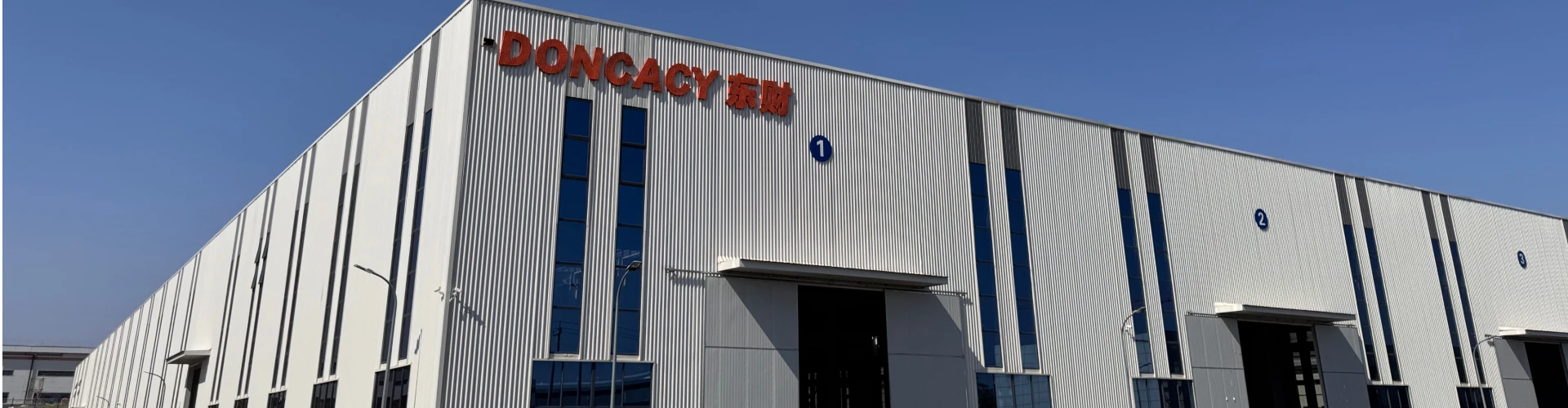
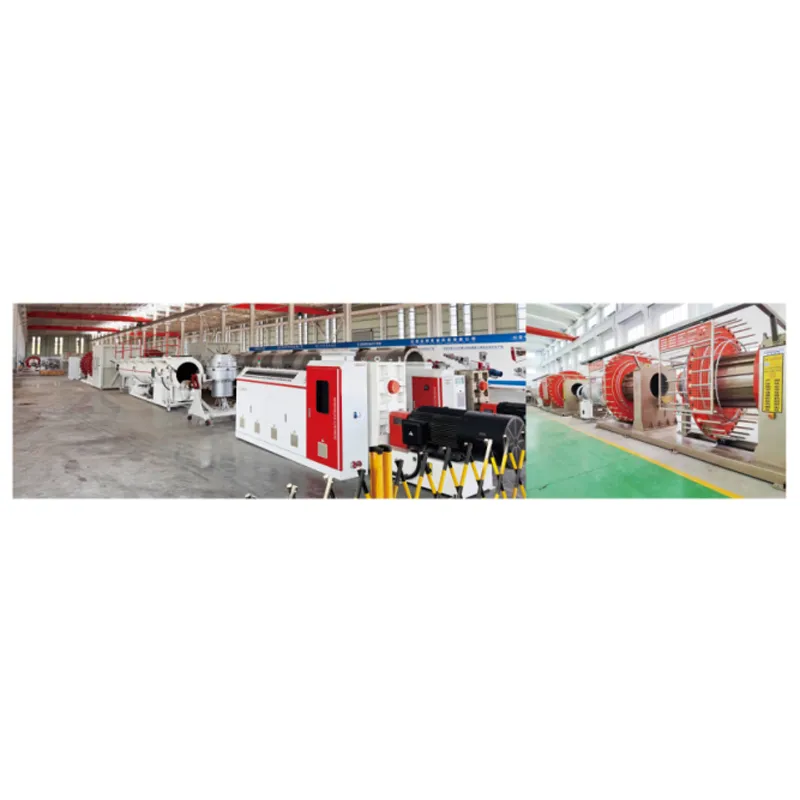
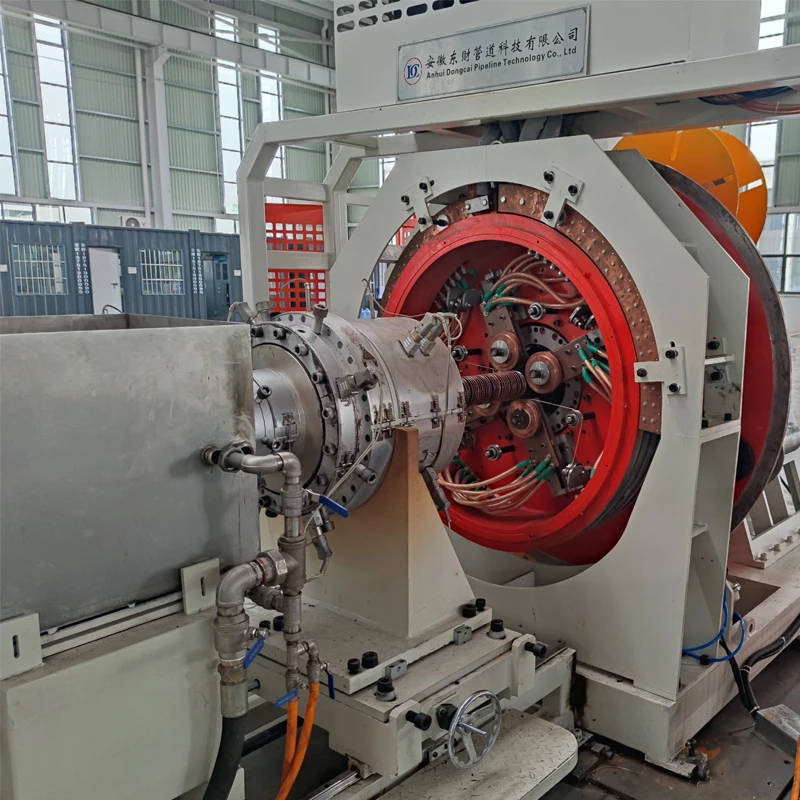
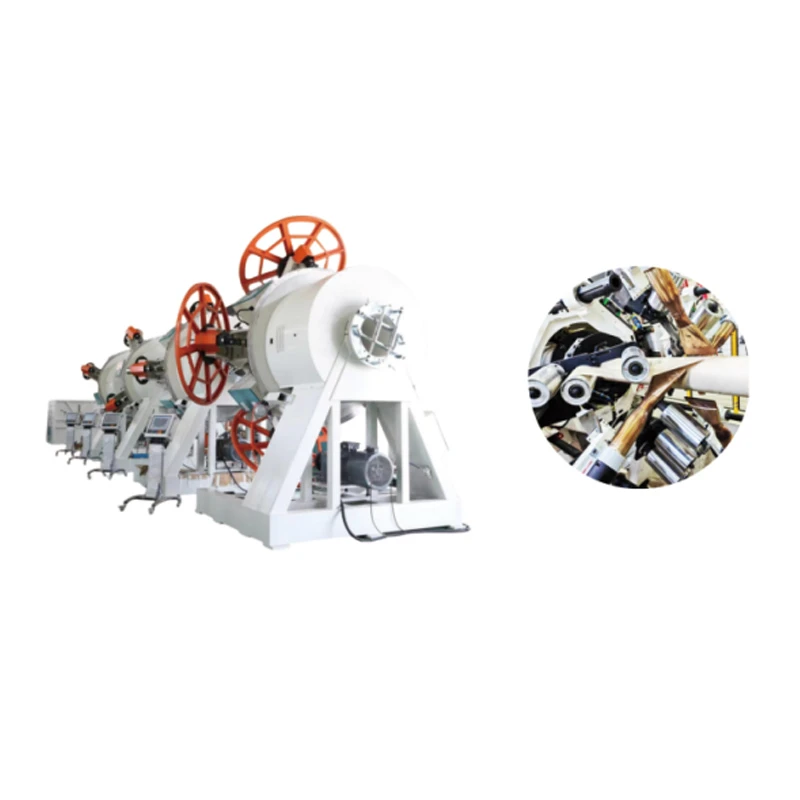
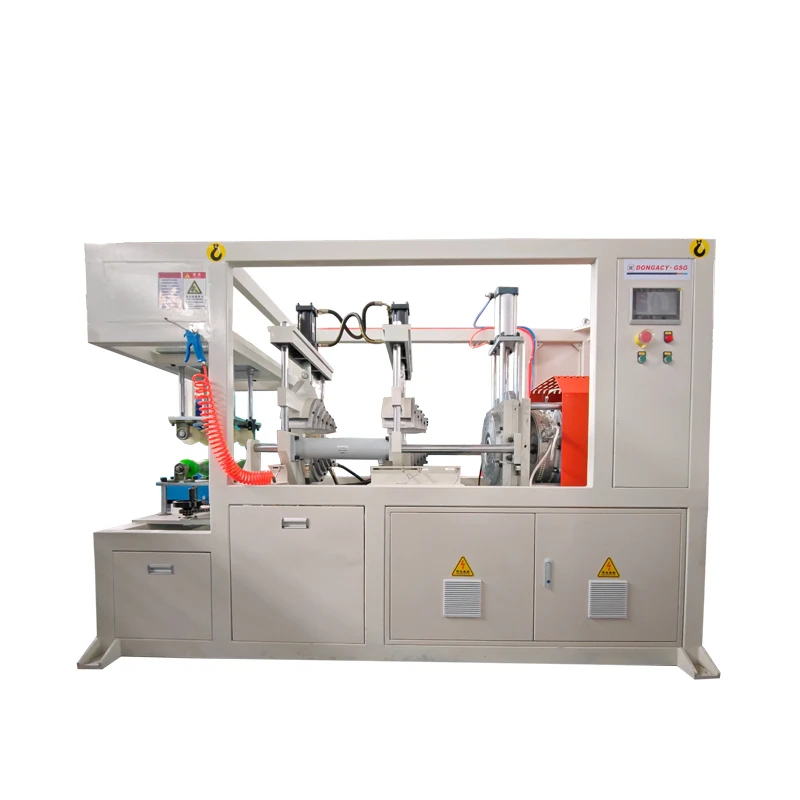
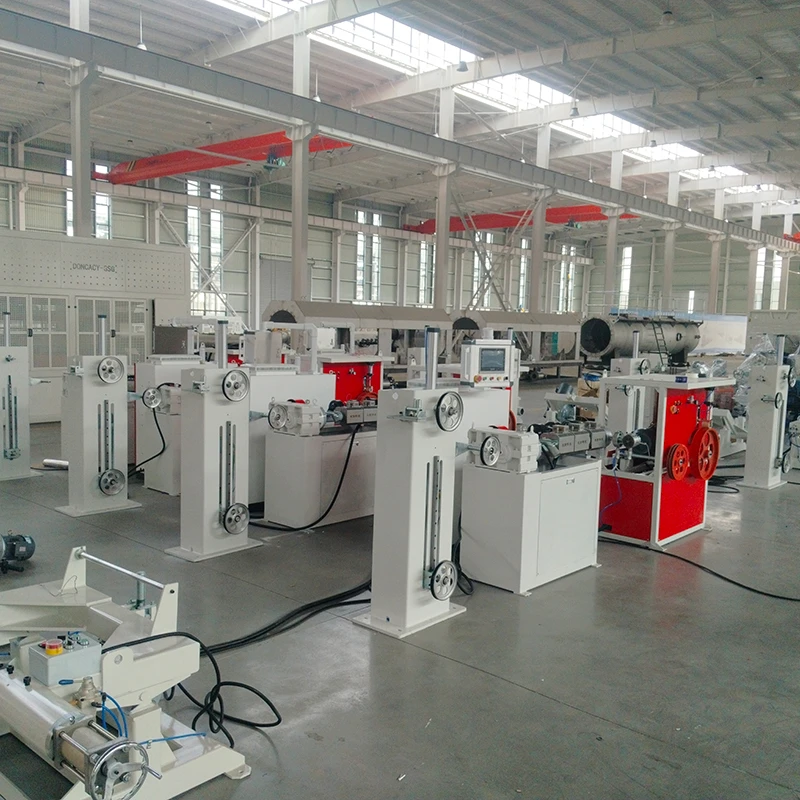
Brand-new High Speed Multi Layer Steel Wire Mesh Skeleton Reinforced Polyethylene Composite Pipe Production Line — made in No. 26 Huzhou Road, Nanqiao District, Chuzhou City, Anhui Province. It’s used across petroleum, natural gas, chemicals, power, mining, seawater transfer, shipbuilding, agriculture, and even optical cable protection.
Headline claims? Up to 150% higher throughput than legacy lines, with an automatic sealing set that can shave roughly 60% off downstream pipe processing costs. To be honest, those numbers sounded optimistic, but field users I spoke to said the energy-per-ton and scrap ratios did trend lower than their old rigs.
Typical process flow (real-world)
-
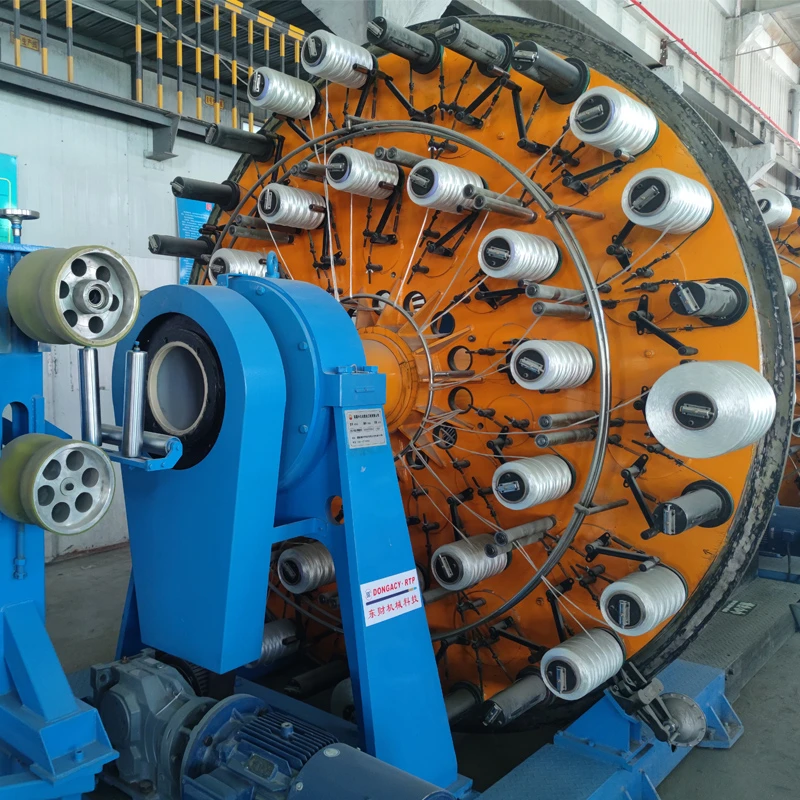
- Raw materials: PE100 resin + steel wire mesh skeleton preform; optional tie-layer.
- Co-extrusion: inner/outer PE layers via multi-channel crosshead; steel mesh embedded for hoop strength.
- Vacuum calibration and multi-stage cooling; haul-off with closed-loop torque control.
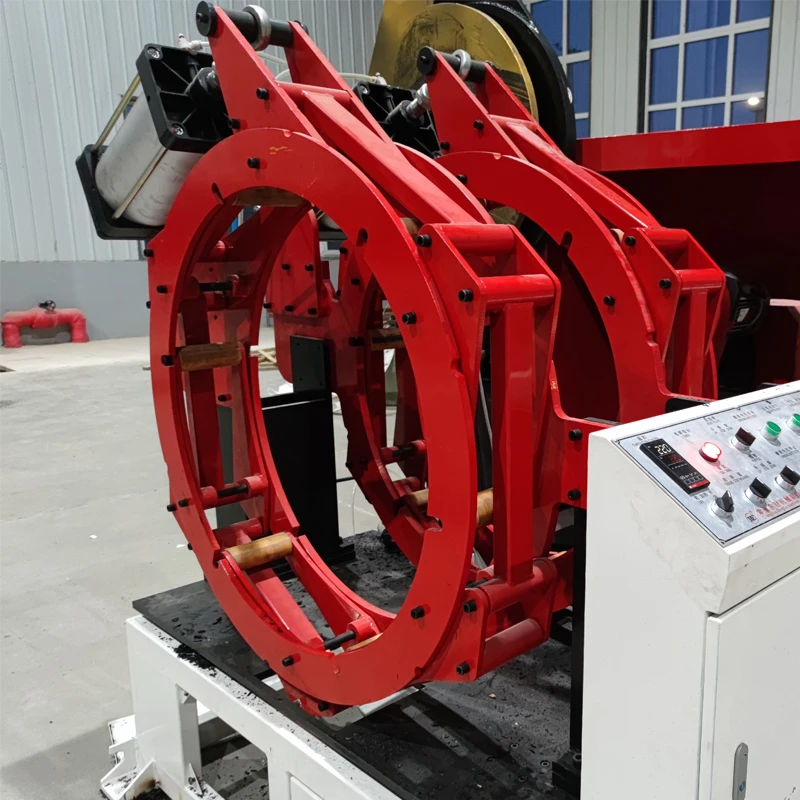
- Integrated automatic sealing machine set; printing and meter-marking.
- Online QA: laser diameter gauge, spark test (insulation), ovality check; offline ISO 1167 hydrostatic test, burst test, ring stiffness (ISO 9969).
Service life is typically ≈50 years under ISO 4427 design envelopes (temperature/pressure caveats apply, real-world use may vary).
Core technical specifications
| Parameter | Spec (≈/typical) |
|---|---|
| Pipe OD range | DN50–DN630 (custom up to DN800) |
| Layers | Multi-layer PE with steel wire mesh skeleton |
| Line speed | Up to ≈1.5–3.0 m/min (depends on OD/SDR) |
| Energy consumption | ≈0.35–0.55 kWh/kg |
| Automation | PLC/SCADA; closed-loop diameter & haul-off |
| Standards | ISO 4427, ASTM F714 (PE); ISO 1167 hydrotest; API 15S guidance for RTP-like composites |
Where it gets used (and why)
Oil & gas gathering lines, corrosive chemical feeds, seawater injection, mining slurry (with wear liners), shipyard utility lines, irrigation mains, and optical cable ducting. Customers like the hoop strength from the steel mesh plus the corrosion resistance of PE. Surprisingly low leak rates when the sealing set is dialed in.
Vendor landscape at a glance
| Vendor | Throughput | Automation | Energy/kg | Warranty | Price band |
|---|---|---|---|---|---|
| This model (Anhui) | High; +150% vs legacy | PLC/SCADA, sealing set | ≈0.35–0.55 kWh | 12–24 mo (typ.) | Mid |
| European OEM A | High | Advanced analytics | ≈0.30–0.50 kWh | 24–36 mo | High |
| Local Retrofit B | Medium | Basic PLC | ≈0.55–0.70 kWh | 6–12 mo | Low |
Price context and ROI
The Hdpe Machine Price question isn’t just capex. You’re buying cycle time, stable OD control, and pass-on-the-first-try certification. Many customers say payback lands around 12–18 months when switching from legacy lines, mainly thanks to reduced scrap and lower post-processing from the automatic sealing module.
Customization and compliance
-
- Screw L/D and metallurgy options for PE100/compounds.
- Die sets for DN50–DN800; custom corrugation/marking.
- Optional digital twin, remote diagnostics, recipe management.
- Certifications: factory ISO 9001; CE marking available; test per ISO 1167, ISO 4427, ASTM F714.
Mini case notes
A coastal contractor swapped two aging lines for this unit. Output rose ≈1.6×, and hydrotest failure rates fell under 1.5%. Their Hdpe Machine Price calculus flipped when they quantified energy/kg and sealing scrap. Another mining client reported fewer coupling leaks on slurry lines—likely the mesh/PE interface being more consistent at higher line speeds than expected.
Bottom line: if your Hdpe Machine Price benchmark ignores automation, testing success, and energy per kilo, you’ll miss the real bargain—or the real risk.
Authoritative references
- ISO 4427-2: Polyethylene pipes for water supply
- ASTM F714: Polyethylene (PE) Plastic Pipe (SDR-PR) Based on Outside Diameter
- ISO 1167: Thermoplastics pipes—Hydrostatic pressure tests
- API 15S: Spoolable Reinforced Thermoplastic Pipe
- ISO 9001: Quality management systems—Requirements
-
High Efficiency PE Extrusion Line Guide for Plastic ManufacturingNewsApr.16,2026
-
High Speed Steel Wire Mesh HDPE Composite Pipe Production Line - Anhui Dongchai|High Automation&Energy EfficiencyNewsApr.13,2026
-
High Speed Steel Wire Mesh HDPE Composite Pipe Production Line - Anhui Dongchai|High Automation&Energy EfficiencyNewsApr.13,2026
-
Guide to Choosing High Efficiency ppr pipe extrusion machineNewsApr.09,2026
-
Comprehensive Guide to Modern Pipe Production Line Technologies and OptimizationNewsApr.07,2026
-
Choosing the Right Extrusion Pipe Machine for Optimal Plastic Pipe ProductionNewsApr.04,2026
-
Comprehensive Guide to PPR Pipe Extrusion Line Technology and ApplicationsNewsMar.31,2026


