
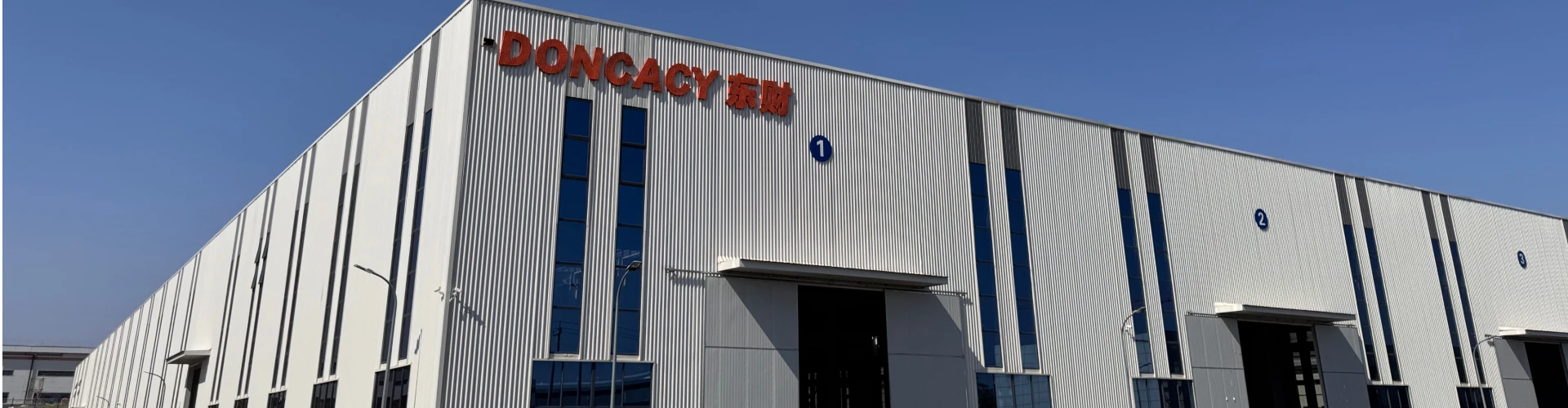
Understanding the PVC Foam Board Extrusion Line: Why It Matters Globally
If you're wondering what exactly a pvc foam board extrusion line is, you’re not alone. It’s a term cropping up more and more in manufacturing, construction, and packaging talks. At its core, this technology involves crafting lightweight, durable PVC foam boards through an automated extrusion process. Why should we care? Well, in an increasingly resource-conscious world desperate for robust but sustainable materials, these foam boards offer an excellent balance of durability, cost-effectiveness, and eco-friendliness. Plus, the extrusion lines behind them represent a major leap in industrial automation and quality control.
Understanding this technology is crucial, especially given how these boards serve so many industries — from building facades in high-humidity climates to advertising displays in bustling urban markets. As global construction and packaging demands surge, knowing the PVC foam board extrusion line can offer the edge in efficiency and innovation.
Setting the Stage: The Global Impact of PVC Foam Board Extrusion Lines
Globally, the construction and manufacturing sectors accounted for nearly 40% of resource consumption and 30% of greenhouse gas emissions, according to recent ISO environmental management stats. Materials like PVC foam boards, produced by extrusion lines, help shift these numbers by providing durable, lightweight panels that reduce shipping weight and waste. The World Bank notes an uptick in green building materials adoption, mainly in Asia-Pacific and Europe where urbanization meets sustainability pressures.
Yet challenges persist. Traditional wood or solid PVC panels often encounter issues like moisture damage, heavier transportation costs, or limited recyclability. That’s where the extruded PVC foam board steps in as a problem solver — marrying performance with scalability and greener production methods.
What Is a PVC Foam Board Extrusion Line, Really?
In plain terms: a PVC foam board extrusion line is a manufacturing setup where raw PVC materials mixed with foaming agents pass through heated machinery to expand and harden into foam boards. Imagine dough rising in an oven — except controlled precisely by engineers to get the exact density, thickness, and surface finish desired.
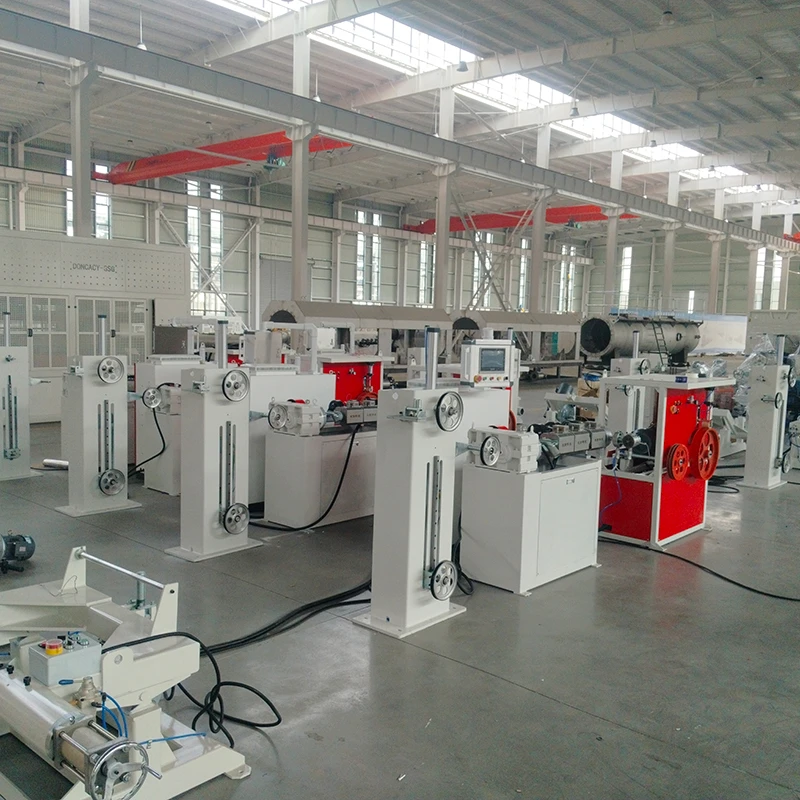
These extrusion lines have automated feeders, extruders, calibrators, cooling tanks, and cutters, all lined up in sequence. The result? A continuous production of foam sheets used in signage, cabinetry, wall cladding, and countless industrial applications.
Interestingly, in humanitarian logistics, lightweight foam boards fabricated by such lines serve as temporary shelters or insulating panels, making relief operations faster and more efficient. So it’s not just about factories — it’s about real-world solutions.
Key Components of a PVC Foam Board Extrusion Line
- Extruder Unit: Melts and mixes the PVC resin with foaming agents to create a homogenous molten mass.
- Calibration Table: Determines the thickness and surface flatness during solidification. Many engineers swear by this part for quality control.
- Cooling System: Ensures rapid stabilization to maintain structural integrity. Without this, boards could warp or bubble.
- Cutting & Stacking: Precision cutting to customer-specified sizes, followed by automated stacking systems for logistics.
- Foaming Agents & Additives: Key to achieving the lightweight and insulating properties that make foam boards so versatile.
Each part demands fine-tuning, often customized per manufacturer or market needs.
Mini Takeaway:
The PVC foam board extrusion line is less a single machine and more an orchestra of technology harmonized to transform raw materials into versatile industrial products.
Global Applications: Where and Why They Matter
It’s easy to underestimate how integrated PVC foam boards are in modern life. From Asia’s sprawling cityscapes using them in building facades, through Europe’s preference for lightweight, recyclable signage, to North America’s boom in containerized modular housing — these boards find their place.
- Construction Industry: Used for interior walls, ceilings, and external cladding due to their water resistance and insulation.
- Advertising & Signage: Thanks to smooth, paintable surfaces and weather resistance.
- Marine & Transport: Lightweight panels reduce fuel consumption when lining vessels or trucks.
- Humanitarian Use: Quick-deploy shelters and insulated walls in disaster zones.
For example, in coastal regions prone to hurricanes, these boards make rebuilding after storms faster and more resilient. NGOs in disaster relief see pvc foam board extrusion lines as game changers when sourcing materials for temporary housing.
Mini Takeaway:
The versatility of foam boards produced by extrusion lines crosses many industries and continents, reflecting global trends towards lightweight, durable construction.
Advantages & Long-Term Value of PVC Foam Boards
What’s compelling isn’t just immediate savings or convenience but a range of longer-term benefits:
- Cost Efficiency: Lower transport and installation costs due to lighter weight.
- Durability: Resistant to moisture, corrosion, and impact compared to wood or metal.
- Sustainability: Many manufacturers use recycled PVC, reducing waste.
- Safety & Comfort: Thermal insulation properties improve energy efficiency in buildings.
There’s something emotionally reassuring about materials that hold fast in storms or stand the test of time with minimal maintenance. In architectural circles, trusting foam boards means less worry about rot or mold, literally a matter of health and wellbeing. And innovation keeps pushing the envelope, incorporating green additives and smarter machinery.
Product Specification Table
| Specification | Value | Notes |
|---|---|---|
| Board Thickness Range | 2mm to 25mm | Adjustable via extruder settings |
| Width | Up to 2.5 meters | Customer specified |
| Density | 350 - 700 kg/m³ | Foaming agent controlled |
| Surface Finish | Smooth, matte or glossy | Customizable |
| Output Rate | 300-500 kg/hr | Depends on line model |
Comparing Leading PVC Foam Board Extrusion Vendors
| Vendor | Max Output (kg/hr) | Automation Level | Energy Efficiency | Customer Support |
|---|---|---|---|---|
| PolyFoamTech | 500 | Full | A+ | 24/7 hotline + field engineers |
| ExtrudeMaster | 450 | Semi-automatic | A | Standard business hours |
| GreenBoard Co. | 350 | Full | A++ | Sustainable focus + consultancy |
Looking Ahead: Trends and Innovations Shaping the Future
It feels like every year brings something new to extrusion technology. Right now, a big push is underway to integrate digital twin technologies — virtual simulations of extrusion lines that allow real-time optimization and predictive maintenance. That means fewer shutdowns and higher output quality.
Material innovation also marches on, with companies developing bio-based and recycled PVC compounds that maintain the foam board’s integrity but with a lighter environmental footprint.
Automation is no longer just about faster cutting or stacking — AI-powered systems can adapt mixing and extrusion parameters mid-run to compensate for raw material inconsistencies. The rise of Industry 4.0 is very much alive in these lines.
Challenges and How to Overcome Them
That said, extrusion lines aren’t entirely without headaches. Common issues include:
- Foam Consistency: Minor fluctuations cause product rejection.
- High Energy Use: Heating elements consume substantial power.
- Raw Material Quality: Impurities can clog extruders or weaken foam.
Experts recommend regular calibration, investing in energy-efficient motors, and strong supplier partnerships for stable resin quality. Some innovative lines incorporate inline sensors that self-correct foaming agent doses, an elegant solution that adds some upfront cost but pays off in quality and waste reduction.
FAQ: Practical Answers About PVC Foam Board Extrusion Lines
- What industries benefit the most from PVC foam board extrusion lines?
- Primarily construction, signage, packaging, and marine industries. Each values foam boards differently—whether for insulation, display surfaces, or lightweight structural elements.
- How customizable are these extrusion lines for specific product sizes?
- Very customizable. Modern extrusion lines easily adjust thickness, width, and density through programmable controls and modular tooling, catering to client-specific requirements.
- Is the PVC foam board eco-friendly?
- While PVC itself is plastic, foam boards made via extrusion lines often incorporate recycled content and produce less waste than traditional panels. Advances in bio-based additives are improving their environmental profile.
- What is the typical lifespan of products from these lines?
- Good quality PVC foam boards generally last 10-20 years outdoors, resisting moisture and UV degradation much better than wood or metal alternatives.
- Are there export considerations when sourcing extrusion lines internationally?
- Yes. Import duties, local standards compliance (like CE), and shipping logistics need consideration. Many vendors offer turnkey setup and training to ease international deployment.
Final Thoughts: The Long-Term Promise of PVC Foam Board Lines
In real terms, investing in a pvc foam board extrusion line means more than just acquiring machinery. It’s embracing a future where materials combine economy with performance, and automation partners with sustainability. From rebuilding after natural disasters to outfitting modern skyscrapers, these lines support vital industries worldwide.
If this sounds like the innovation you want on your side, don't hesitate to explore options and expert advice. Visit our website: https://www.ahdc11.com for detailed product ranges and consultation.
References:
-
High Efficiency PE Extrusion Line Guide for Plastic ManufacturingNewsApr.16,2026
-
High Speed Steel Wire Mesh HDPE Composite Pipe Production Line - Anhui Dongchai|High Automation&Energy EfficiencyNewsApr.13,2026
-
High Speed Steel Wire Mesh HDPE Composite Pipe Production Line - Anhui Dongchai|High Automation&Energy EfficiencyNewsApr.13,2026
-
Guide to Choosing High Efficiency ppr pipe extrusion machineNewsApr.09,2026
-
Comprehensive Guide to Modern Pipe Production Line Technologies and OptimizationNewsApr.07,2026
-
Choosing the Right Extrusion Pipe Machine for Optimal Plastic Pipe ProductionNewsApr.04,2026
-
Comprehensive Guide to PPR Pipe Extrusion Line Technology and ApplicationsNewsMar.31,2026


