
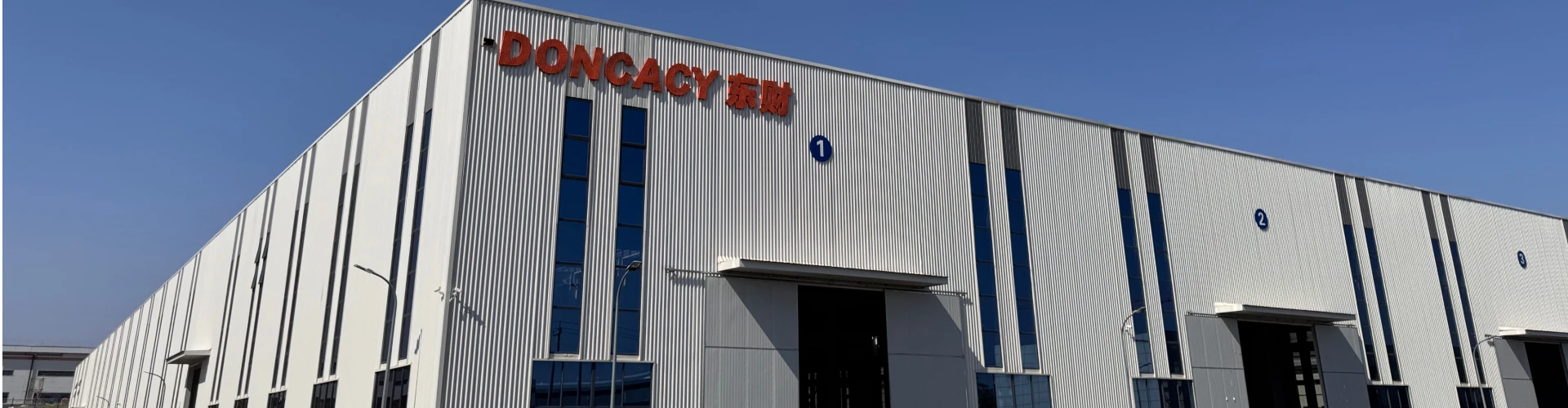
Pe Pipe Extrusion Line: The Backbone of Modern Pipe Manufacturing
Having worked in industrial equipment circles for over a decade, I’ve seen how PE pipe extrusion line technology really evolved from what was once clunky, inconsistent machinery into the smooth, adaptable production workhorses they are today. It’s fascinating because you don’t normally notice the pipes around you, but the precision behind their creation? That’s a whole story worth telling.
Polyethylene (PE) pipes have become the preferred choice in countless industries — from water distribution to telecommunications — thanks to their excellent corrosion resistance and flexibility. But behind each pipe, there’s this extrusion line: a carefully calibrated setup that melts, shapes, cools, and cuts these pipes with striking consistency.
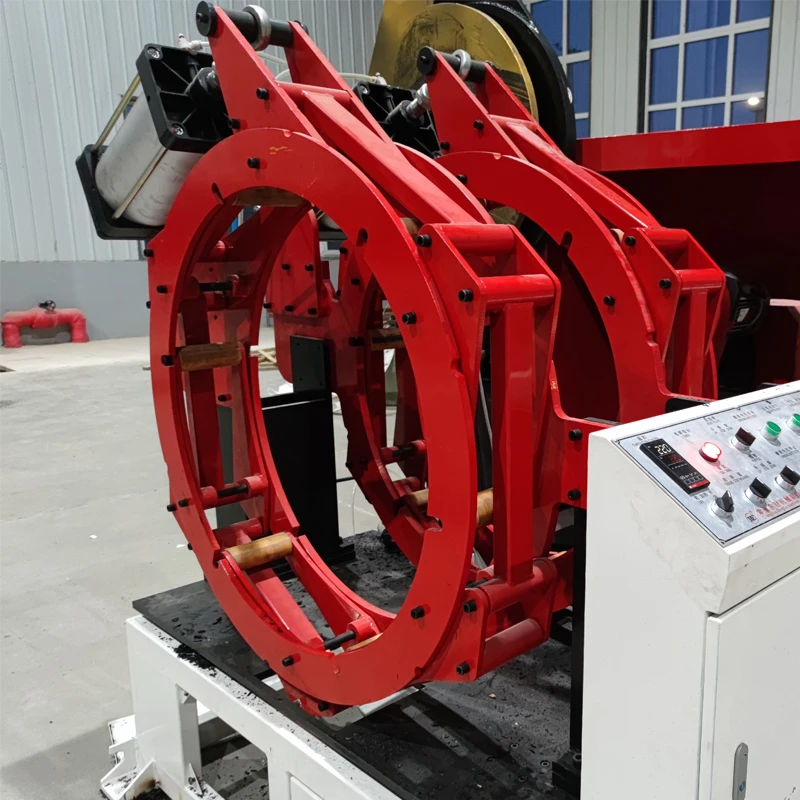
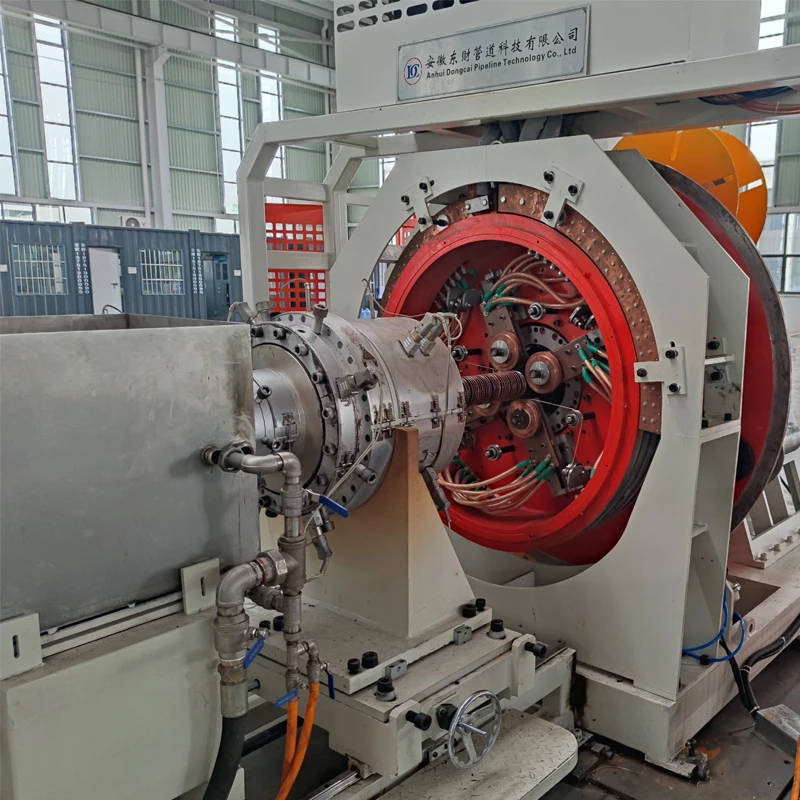
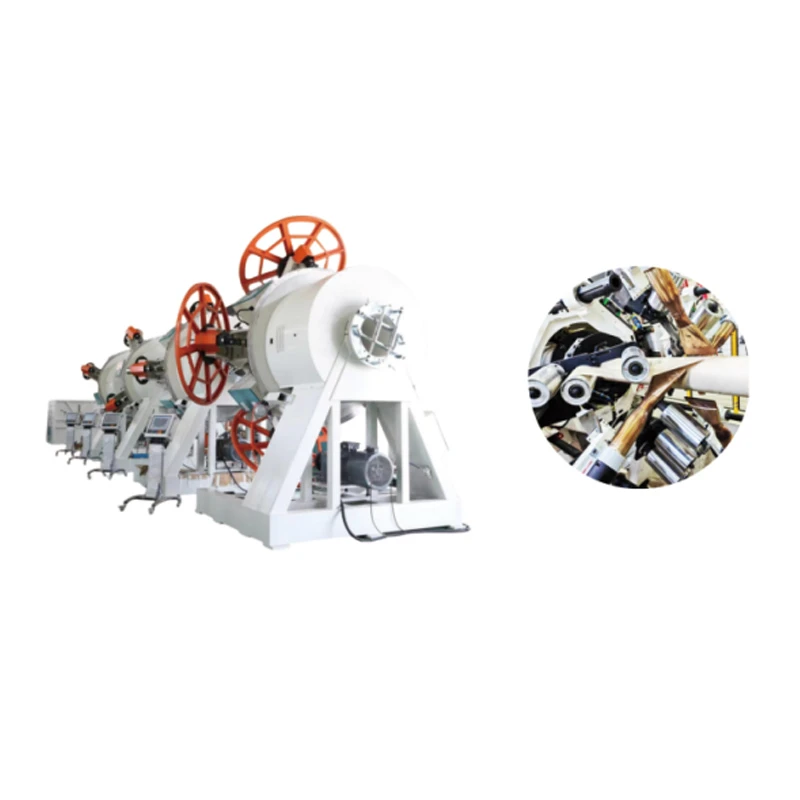
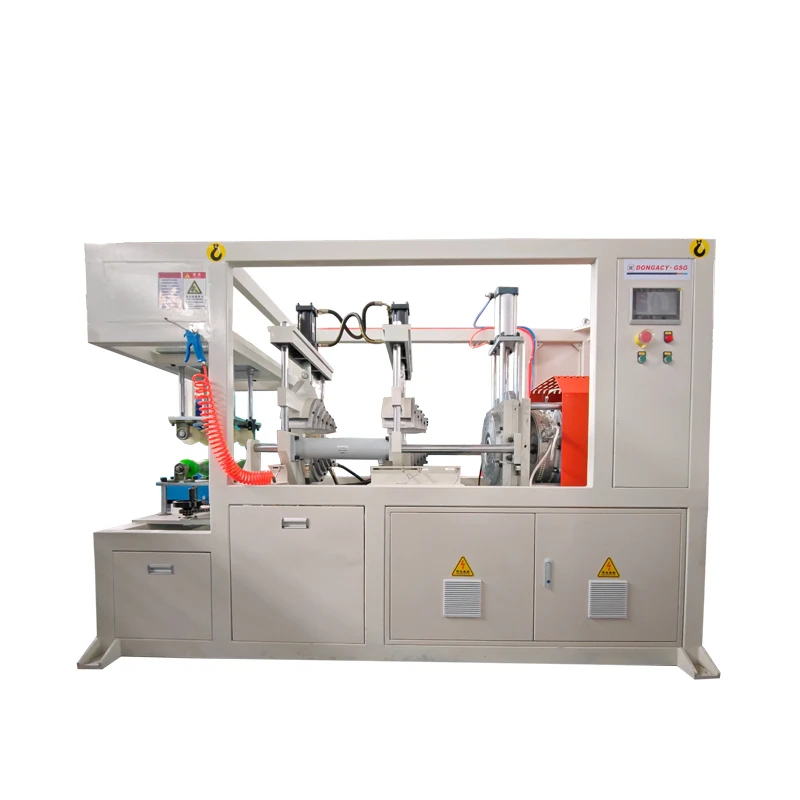
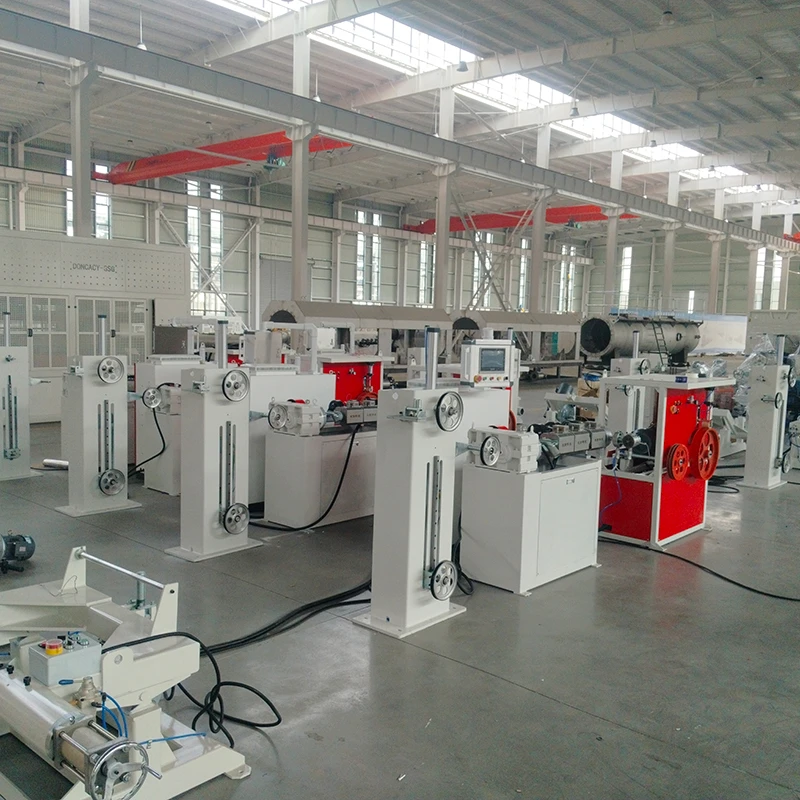
In general terms, a PE pipe extrusion line comprises several key components: the extruder, the die head, calibrator, vacuum tank, haul-off unit, and cutting machine. These all work together like a well-oiled orchestra. The extruder melts the PE granules, the die shapes the molten polymer, and then the pipe’s cooled and sized precisely. If any of these steps are out of sync, the resulting pipe could fail — and when you’re supplying critical infrastructure, failure is not an option.
Understanding the Components and Specifications
You often hear engineers grumble about downtime and slow setups. Funny enough, many of those frustrations come down to choosing the right extrusion line for the job. You want something rugged, efficient, but also flexible enough to handle different pipe diameters without swapping your whole assembly.
| Specification | Typical Value / Range |
|---|---|
| Extruder Output | 150-800 kg/h (depending on screw diameter) |
| Pipe Diameter Range | 16 mm to 630 mm |
| Operating Temperature | 180-260°C |
| Line Speed | 0-60 m/min (variable) |
| Cooling System | Vacuum calibration tank + water cooling |
One thing to note: the extrusion screw design is critical. I’ve noticed that companies that pay closer attention there see longer periods of uptime and better pipe quality. It’s odd how a small tweak to the screw profile or the die gap can improve output by 5-10%, which in real terms means thousands saved over a year.
Vendor Comparison: Finding the Right Gear for Your Production Needs
Now, here’s where things get interesting. Not all extrusion lines are built equal. Some vendors focus on high-volume industrial output with large models, others specialize in compact units for smaller factories or testing labs. I’ve broken down a few well-known suppliers below to see what they typically offer.
| Vendor | Max Output (kg/h) | Diameter Range (mm) | Customization Options | Price Range |
|---|---|---|---|---|
| Vendor A | 800 | 20-630 | Full line automation & custom screw profiles | $$$ |
| Vendor B | 400 | 16-315 | Basic modular design, limited customization | $ |
| Vendor C | 600 | 50-500 | Custom cooling systems and IoT monitoring | $$ |
When evaluating vendors, a few things really stood out for me personally: after-sales support, availability of spare parts, and how quickly they can respond if your line hiccups. You can have the flashiest extrusion line out there, but if a part breaks and you’re waiting weeks for a replacement, production grinds to a halt.
To give you a quick example from my experience: a mid-sized manufacturer I know switched from a basic extrusion line to a fully automated one with advanced screw design and analytics. Their yield in terms of pipe quality improved by about 15%, and downtime plummeted — enough to justify the higher upfront cost in under two years.
In sum, when considering a PE pipe extrusion line, it’s about the balance between your production volume, budget, and how much operational complexity you’re ready to handle. Customization options have gotten better, and with modern controls, troubleshooting is more straightforward than ever. Still, the basic physics of extrusion remain unchanged — a steady melt, consistent shaping, and careful cooling are the names of the game.
So whether you’re running a small plant or a sprawling industrial hub, I reckon there’s a PE pipe extrusion line out there that fits like a glove — you just have to know what questions to ask.
Final Thoughts
Honestly, the extrusion line is one of those pieces of industrial equipment that’s easy to overlook until something goes wrong. But once you start paying attention, it’s hard not to respect how much engineering goes into these machines. The real challenge is finding the line that doesn’t just do the job but makes your life easier. When that happens, everything else tends to fall into place.
— From someone who’s been in the trenches and knows industrial quirks well.
Reference Notes
- Industry reports on PE pipe extrusion standards and market trends, 2023.
- Vendor data sheets and technical brochures, various manufacturers.
- Personal field experience and interviews with plant managers.
-
High Efficiency PE Extrusion Line Guide for Plastic ManufacturingNewsApr.16,2026
-
Guide to Choosing High Efficiency ppr pipe extrusion machineNewsApr.09,2026
-
Comprehensive Guide to Modern Pipe Production Line Technologies and OptimizationNewsApr.07,2026
-
Choosing the Right Extrusion Pipe Machine for Optimal Plastic Pipe ProductionNewsApr.04,2026
-
Comprehensive Guide to PPR Pipe Extrusion Line Technology and ApplicationsNewsMar.31,2026
-
Understanding the Functionality and Applications of a Pipe Extruder SystemNewsMar.28,2026
-
Comprehensive Guide to Pipe Extrusion Machine Technology and ApplicationsNewsMar.26,2026


