
Understanding the Power of the PP Extruder in Modern Industry
When you hear “pp extruder,” what probably comes to mind is a highly specialized machine that's critical in manufacturing and plastic production. But why does it matter on a global scale? Well, polypropylene (PP) extrusion underpins everything from packaging and automotive parts to medical supplies and even sustainable building materials. It’s one of those quiet workhorses of industry that most people don’t notice — yet it affects nearly every one of us. Understanding pp extruder technology can unlock insights into economic efficiencies, environmental sustainability, and manufacturing innovation worldwide.
Introduction: The Global Context of PP Extruders
Polypropylene is among the most widely produced plastics globally, with annual production surpassing 70 million metric tons according to the International Polymer Science Association. The rise of sustainable development goals (SDGs) and environmental concerns, highlighted by organizations like the United Nations, has led industries across the board to optimize the way they process and utilize PP materials.
The UN SDGs emphasize responsible consumption and production—something pp extruders help address by enabling energy-efficient processing of polypropylene with less waste. However, challenges remain, such as reducing emissions, improving machine uptime, and scaling operations while maintaining cost-effectiveness. The right pp extruder can be pivotal in tackling such hurdles.
What is a PP Extruder?
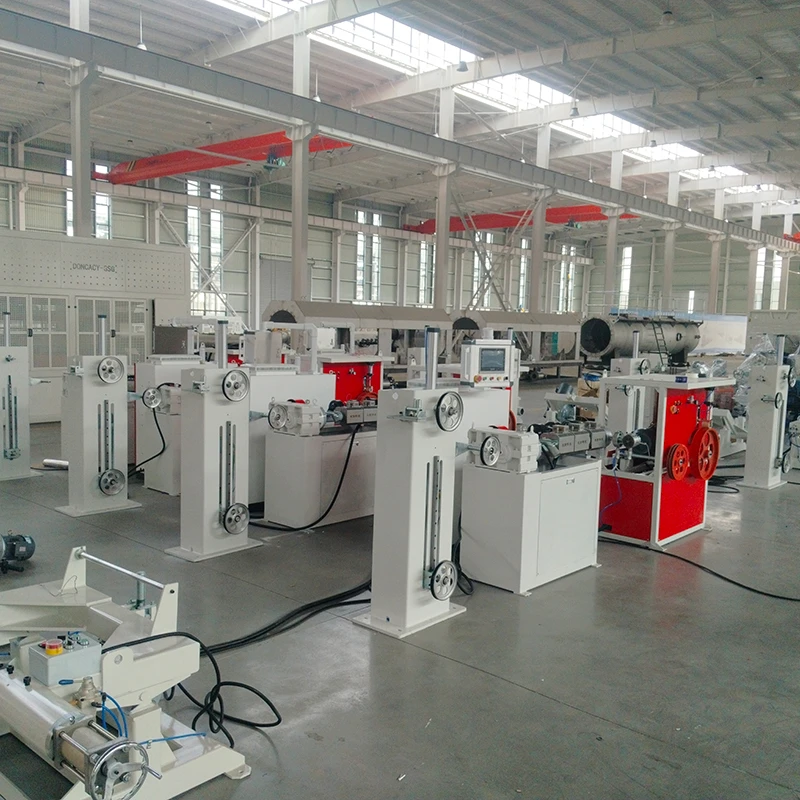
Simply put, a pp extruder is a specialized machine designed to melt and form polypropylene resin into various shapes and continuous profiles through a die. It's the backbone for manufacturing pipes, sheets, fibers, and films. Think of it as a giant mechanical sausage maker, except instead of meat, it produces these critical plastic building blocks. These machines control temperature, pressure, and screw speed precisely to provide consistent product quality — which directly affects everything from a water pipe’s durability to food packaging safety.
As the manufacturing sector evolves, the pp extruder's role is equally critical for industries ranging from healthcare to construction, making it an indispensable piece of equipment with far-reaching humanitarian and commercial impacts.
Core Components & Key Factors of PP Extruders
1. Screw Design and Performance
The screw inside a pp extruder is the heart of the operation. It transports, melts, and mixes the polypropylene resin. Different screw geometries affect melting efficiency and backpressure, impacting output rates and product uniformity.
2. Barrel Heating and Cooling
Keeping precise temperature control is critical. Barrels heat the resin to the melting point, while cooling zones prevent degradation. Modern extruders use segmented heaters and water-cooling jackets to maintain optimal conditions.
3. Die and Calibration Systems
The die shapes the melted PP into the desired profile — pipes, sheets, or films — while downstream calibration ensures dimensional accuracy. Even tiny deviations here ripple into product failure or wasted material.
4. Automation and Control
Smart control panels and real-time sensors now allow operators to adjust parameters quickly, reducing downtime and improving consistency. This data-driven approach optimizes energy consumption and minimizes waste.
5. Material Handling Systems
Efficient feeding of PP pellets or granules into the extruder prevents interruptions. Vacuum loaders and hoppers fitted with moisture control enhance the quality of input materials.
| Specification | Units | Typical Range |
|---|---|---|
| Screw Diameter | mm | 45 - 120 |
| Output Capacity | kg/hr | 50 - 1200 |
| Operating Temperature | °C | 180 - 250 |
| Motor Power | kW | 15 - 150 |
| Max Line Speed | m/min | 10 - 60 |
Global Applications and Use Cases of PP Extruders
The versatility of the pp extruder shines when you look globally at real-world deployments. In construction, extruded polypropylene pipes and ducts provide corrosion resistance vital in coastal regions like Southeast Asia and the Mediterranean. Packaging industries in North America and Europe rely heavily on films produced by pp extruders for food safety and shelf life extension. Oddly enough, humanitarian efforts also benefit: in post-disaster scenarios, fast-deploying shelters often utilize polypropylene composites extruded for quick manufacturing of components.
Even in remote industrial zones in Africa or South America, local manufacturers use customized pp extruders to produce affordable plastic parts, reducing import dependence and fostering economic independence.
Vendor Comparison: PP Extruder Manufacturers
| Vendor | Output Capacity (kg/hr) | Energy Efficiency | Automation Level | Price Range |
|---|---|---|---|---|
| PolyTech Systems | 150 - 600 | High (IE4 motors) | Advanced PLC controls | $$$ |
| PlastiCore Inc. | 100 - 400 | Moderate | Manual with options | $$ |
| EcoExtrude Solutions | 50 - 300 | Very High (solar integration) | Full automation & IoT | $$$$ |
Advantages and the Long-Term Value of Using PP Extruders
Using a well-engineered pp extruder leads to several tangible benefits. First, there’s cost-efficiency — less raw material waste means savings, plus consistent output means fewer rejects and downtime. From a sustainability viewpoint, modern extruders often incorporate energy-saving technologies reducing CO₂ footprint, in line with ISO 14001 environmental management systems.
On a social level, reliable manufacture means safety products—like medical tubing or child-safe packaging—can be trusted, preserving dignity and health. It’s innovation grounded in trust, a subtle but vital factor.
Future Trends & Innovations
Automation and digital transformation are reshaping the pp extruder landscape. Increasingly, Industry 4.0 embraces sensors, IoT platforms, and AI-driven predictive maintenance to minimize downtime and optimize output. Green initiatives push advances in bio-based polypropylene and recycling methods enabling circular economy models. There’s promising work on fully solar-powered extrusion lines, too — a game changer in off-grid regions.
Challenges and Solutions
Despite advances, there are hurdles—material contamination, machine wear, and balancing cost with energy efficiency top the list. Experts recommend proactive maintenance schedules and enhanced raw material screening. Equally, modular extruders that allow rapid changeover for different products can reduce financial risks for manufacturers.
FAQ: Common Queries About PP Extruders
-
How does a pp extruder adapt to produce different products?
Most extruders use interchangeable screws and dies, allowing adjustment for various profiles. Automation systems help fine-tune process variables with minimal downtime. -
What maintenance is required to keep a pp extruder efficient?
Regular inspection of screws and barrels for wear, cleaning of feeding systems, and monitoring temperature control are essential. Predictive maintenance software is increasingly popular. -
Can pp extruders process recycled polypropylene effectively?
Yes, though recycled materials may require pre-treatment and careful process parameter adjustments to maintain quality and reduce contamination risks. -
Are pp extruders energy-intensive?
They can be, but modern machines incorporate energy-saving motors and optimize heating cycles. Some manufacturers even develop solar-powered variants.
Conclusion
PP extruders are quietly transformative — they shape not just plastic, but industries, economies, and sustainability efforts worldwide. Investing in efficient, innovative pp extruders means investing in reliable manufacturing that supports cost savings, environmental goals, and social benefits. Curious to explore the latest models? Visit our website at https://www.ahdc11.com to discover how cutting-edge pp extruders can elevate your production.
Mini takeaway: The pp extruder is more than a machine — it’s a cornerstone for innovation and sustainability in plastics manufacturing across the globe.
References:
1. Wikipedia: Polypropylene
2. ISO 14001 Environmental Management
3. United Nations Sustainable Development Goals
-
High Efficiency PE Extrusion Line Guide for Plastic ManufacturingNewsApr.16,2026
-
High Speed Steel Wire Mesh HDPE Composite Pipe Production Line - Anhui Dongchai|High Automation&Energy EfficiencyNewsApr.13,2026
-
High Speed Steel Wire Mesh HDPE Composite Pipe Production Line - Anhui Dongchai|High Automation&Energy EfficiencyNewsApr.13,2026
-
Guide to Choosing High Efficiency ppr pipe extrusion machineNewsApr.09,2026
-
Comprehensive Guide to Modern Pipe Production Line Technologies and OptimizationNewsApr.07,2026
-
Choosing the Right Extrusion Pipe Machine for Optimal Plastic Pipe ProductionNewsApr.04,2026
-
Comprehensive Guide to PPR Pipe Extrusion Line Technology and ApplicationsNewsMar.31,2026


