
Understanding the Polyethylene Pipe Production Line: A Global Industrial Backbone
At first glance, the term polyethylene pipe production line might sound like specialized industrial jargon. But, honestly, this manufacturing process touches countless lives around the world—from delivering clean water in remote villages to building resilient infrastructure in booming cities. With growing populations and escalating demands for sustainable materials, the polyethylene pipe production line is more relevant than ever. Its efficient production methods shape how modern society accesses safe water, natural gas, and even secure telecommunications conduits.
Why Polyethylene Pipes Matter Globally
Global industrial growth demands reliable piping systems — the UN estimates that by 2050, nearly 70% of the world’s population will reside in urban areas (UN DESA, 2018). This urban rise puts immense pressure on water distribution, sewage systems, and gas infrastructure. Polyethylene pipes, produced along sophisticated production lines, offer a lightweight, chemically resistant, and cost-effective solution. They are less prone to corrosion and leaks compared to traditional metal pipes, which can be a nightmare in humid or aggressive soil conditions.
But the challenge isn’t just about pipes themselves; it's about how these pipes are efficiently manufactured at scale and with consistent quality. That’s where the production line comes into play.
Mini takeaway: The polyethylene pipe production line is central to addressing urban infrastructure demands worldwide, by enabling scalable, durable, and cost-effective piping solutions.
What Exactly Is a Polyethylene Pipe Production Line?
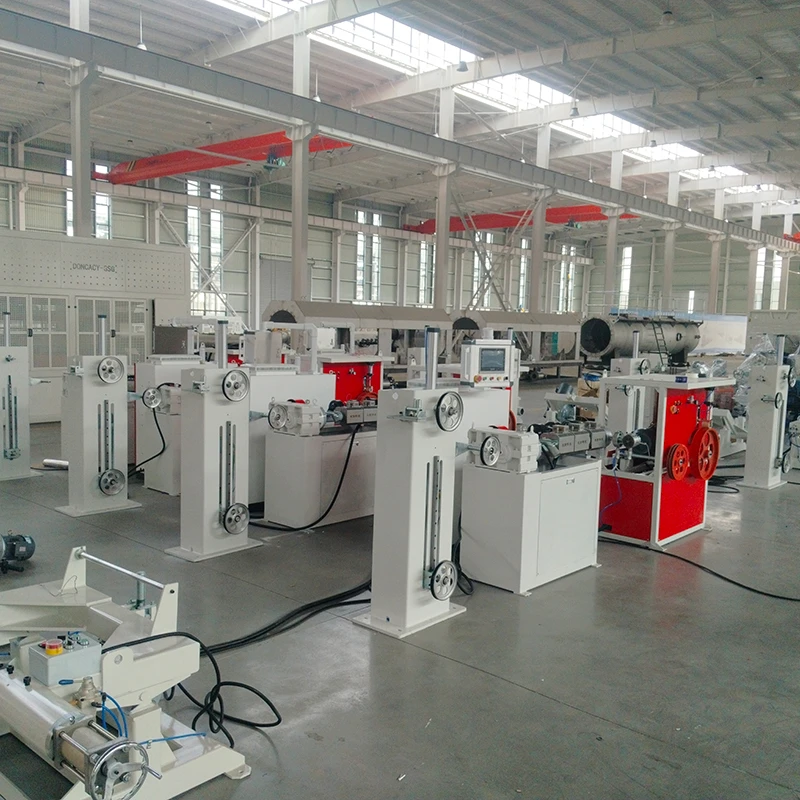
Simply put, a polyethylene pipe production line is an integrated set of machines designed to produce polyethylene pipes continuously and efficiently. It typically includes processes like raw material feeding, extrusion, cooling, sizing, cutting, and coiling. The raw polyethylene resin granules melt in the extruder, then they’re shaped into pipes of various diameters and thicknesses suited to different applications.
In humanitarian contexts, such production lines support rapid deployment of water supply networks, enabling quick restoration of essential services in disaster-affected areas. They also serve booming sectors like agriculture, where irrigation systems require robust and leak-free piping solutions manufactured on these lines.
Key Components and Factors of a Polyethylene Pipe Production Line
1. Extruder Quality and Efficiency
The heart of the line, an extruder melts and pushes the polymer through a shaping die. Powerful, energy-efficient extruders ensure uniform melting, critical for pipe consistency.
2. Cooling and Sizing Systems
Once extruded, pipes need immediate cooling to maintain shape without deformation. Advanced water cooling tanks with sizing sleeves guarantee dimensional accuracy.
3. Caterpillar Haul-off Unit
This component pulls pipes steadily out of the cooling section, preventing surface defects and controlling output speed — crucial for maintaining consistent wall thickness.
4. Cutting and Coiling Device
Depending on customer needs, pipes are either cut into predetermined lengths or coiled for transport and installation flexibility.
5. Automation and Control Systems
Modern production lines come with computer-controlled monitoring—adjusting temperature, speed, and pressure in real-time to optimize quality and reduce waste.
| Parameter | Value/Range |
|---|---|
| Pipe Diameter Range | 16mm – 1200mm |
| Production Speed | 2 – 10 meters/min |
| Max Operating Temperature | 95°C (service temperature) |
| Material Type | HDPE, MDPE, LDPE |
| Automation Level | Semi to Full PLC control |
Mini takeaway: Each core component plays a pivotal role in ensuring that polyethylene pipes meet rigorous industrial standards, balancing cost, performance, and customization.
How Are Polyethylene Pipe Production Lines Used Around the World?
From bustling cities in Europe to rural agricultural zones in Africa, these production lines support essential sectors:
- Water Distribution: Municipalities depend on polyethylene pipes for potable water networks due to their chemical resistance and longevity.
- Agricultural Irrigation: Farms use these lightweight, flexible pipes for drip and sprinkler irrigation systems, increasing water use efficiency.
- Gas Transportation: The natural gas industry favors PE pipes as they resist corrosion and handle pressure fluctuations well.
- Telecommunications: PE pipes act as protective conduits for underground fiber optic cables, shielding them from mechanical damage.
- Disaster Relief: In emergency situations, rapidly deploying water and sewage infrastructure is critical. Polyethylene pipes, produced by fast-operating lines, facilitate this.
Interestingly, regions like Southeast Asia and Latin America have seen significant growth in polyethylene pipe manufacturing, fueled by infrastructure investments and sustainability initiatives.
Advantages and Long-Term Value of Polyethylene Pipe Production Lines
Cost efficiency is a biggie. Polyethylene pipes cost less over their lifecycle thanks to low maintenance and corrosion resistance. This translates to budget relief for utilities and industries.
From a sustainability angle, many production lines now incorporate recyclable materials and energy-saving technologies, aligning with global carbon reduction goals (ISO 14001 compliance often sought).
And then there's the human factor—safe drinking water, reliable gas supplies, and robust infrastructure contribute to improved health, dignity, and economic opportunity. People often take such basics for granted, but maintaining trust in these systems is invaluable.
Looking Ahead: Future Trends and Innovations
The polyethylene pipe production line industry is not static. The integration of Industry 4.0 principles—think IoT sensors and AI-driven quality assurance—is increasing production precision and reducing downtime. Energy-efficient extruders and the use of bio-based polyethylene sources are also emerging.
Moreover, the push to digitize supply chains means polyethylene pipe manufacturing can better respond to custom orders or fluctuating demands, enhancing scalability.
Challenges and Their Solutions
Like any manufacturing process, challenges exist. Predictably, energy consumption remains a concern—extruders are energy-intensive. However, newer models with variable frequency drives and optimized screw designs are helping cut costs.
Another factor is raw material quality variation, which may affect pipe characteristics. Advanced inline monitoring and supplier vetting mitigate this.
| Vendor | Automation Level | Max Pipe Diameter | Energy Efficiency | Price Range (USD) |
|---|---|---|---|---|
| AlphaTech Industries | Full PLC Control | 1200mm | High (IE4 motors) | $350,000 - $700,000 |
| BetaPipe Solutions | Semi-Automatic | 800mm | Moderate | $250,000 - $500,000 |
| Gamma Manufacturing | Basic Manual Controls | 630mm | Low | $150,000 - $300,000 |
Frequently Asked Questions About Polyethylene Pipe Production Lines
- Q: What types of polyethylene are suitable for pipe production?
- A: High-density polyethylene (HDPE) is most common due to its excellent mechanical properties, chemical resistance, and durability. Medium-density (MDPE) and low-density (LDPE) are used for specific applications like flexible tubing.
- Q: Can the pipe production line be customized for different pipe diameters?
- A: Absolutely. Most production lines are modular with interchangeable dies and adjustable speed settings, allowing production of pipes ranging from very small diameters (as low as 16mm) to large industrial sizes (over 1200mm).
- Q: How energy intensive is the extrusion process?
- A: Extrusion does consume significant energy, but innovations like high-efficiency motors and optimized screw designs help reduce consumption. Furthermore, automation ensures operations run smoothly, minimizing waste and energy spikes.
- Q: Are polyethylene pipes recyclable?
- A: Yes, polyethylene pipes are recyclable. Many manufacturers incorporate recycled plastics into new pipe batches, supporting circular economy goals.
- Q: How quickly can these lines be set up for new production demands?
- A: Depending on the level of automation and operator experience, switching pipe specifications or restarting production typically takes several hours to a day. This flexibility is especially valuable for meeting varying market needs.
Conclusion: The Vital Role of Polyethylene Pipe Production Lines
To sum up, polyethylene pipe production lines play a crucial role in modern infrastructure development, bridging industrial capability with social needs. Their efficient, scalable production empowers cleaner water distribution, safer gas transport, and more resilient urban growth worldwide.
If you’re intrigued by how this technology can enhance your infrastructure projects or manufacturing capabilities, I suggest you check out polyethylene pipe production line options for detailed insights and tailored solutions.
Ultimately, these production lines are not just about pipes—they’re about building sustainable futures.
Mini takeaway: Investing in advanced polyethylene pipe production lines today means securing quality infrastructure and social wellbeing tomorrow.
References:
1. UN Department of Economic and Social Affairs (2018). World Urbanization Prospects.
2. ISO 14001 Environmental Management Systems.
3. Wikipedia contributors, "High-density polyethylene," Wikipedia, The Free Encyclopedia.
-
High Efficiency PE Extrusion Line Guide for Plastic ManufacturingNewsApr.16,2026
-
High Speed Steel Wire Mesh HDPE Composite Pipe Production Line - Anhui Dongchai|High Automation&Energy EfficiencyNewsApr.13,2026
-
High Speed Steel Wire Mesh HDPE Composite Pipe Production Line - Anhui Dongchai|High Automation&Energy EfficiencyNewsApr.13,2026
-
Guide to Choosing High Efficiency ppr pipe extrusion machineNewsApr.09,2026
-
Comprehensive Guide to Modern Pipe Production Line Technologies and OptimizationNewsApr.07,2026
-
Choosing the Right Extrusion Pipe Machine for Optimal Plastic Pipe ProductionNewsApr.04,2026
-
Comprehensive Guide to PPR Pipe Extrusion Line Technology and ApplicationsNewsMar.31,2026


