
Understanding HDPE Pipe Manufacturing Machines: A Global Perspective
At first glance, the phrase hdpe pipe manufacturing machine might sound like a mouthful of technical jargon. But dig a bit deeper, and it’s clear that this technology quietly powers some of the most essential infrastructure projects around the world — from clean water delivery in developing regions to critical industrial pipelines in booming cities. Why does this matter globally? Because the demand for durable, cost-effective, and eco-friendly piping solutions has never been greater. Knowing how these machines work and why they’re vital gives us insight into how communities build lasting resilience and support sustainable development worldwide.
The Global Context: Why HDPE Pipe Manufacturing Machines Are More Important Than Ever
Globally, the pipeline market is expected to grow by roughly 5-7% per year, driven by urban expansion and water management needs, according to the International Water Association. The United Nations estimates that over 2 billion people still lack safe drinking water access — a challenge that HDPE pipes help address, thanks to their resistance to corrosion and longevity. What’s more, as climate-related disasters strike more frequently, robust water and sanitation infrastructures become crucial to humanitarian relief and rebuilding efforts.
But here’s the rub: traditional piping systems often fail under harsh environmental conditions or after just a few years. Enter the hdpe pipe manufacturing machine — a key enabler for producing flexible, strong piping that can stand the test of both time and turmoil.
What Exactly Is an HDPE Pipe Manufacturing Machine?
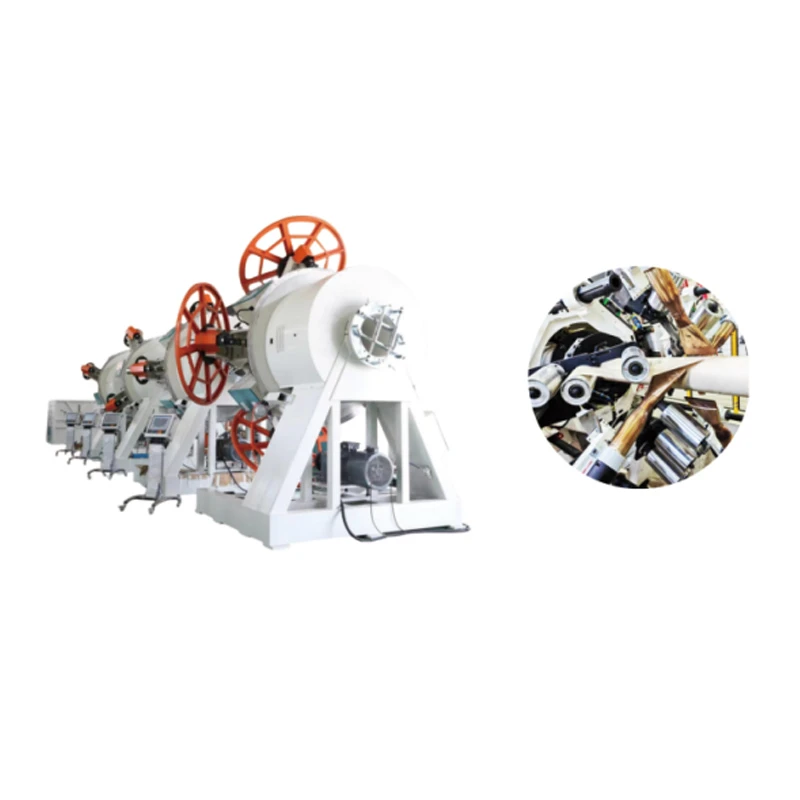
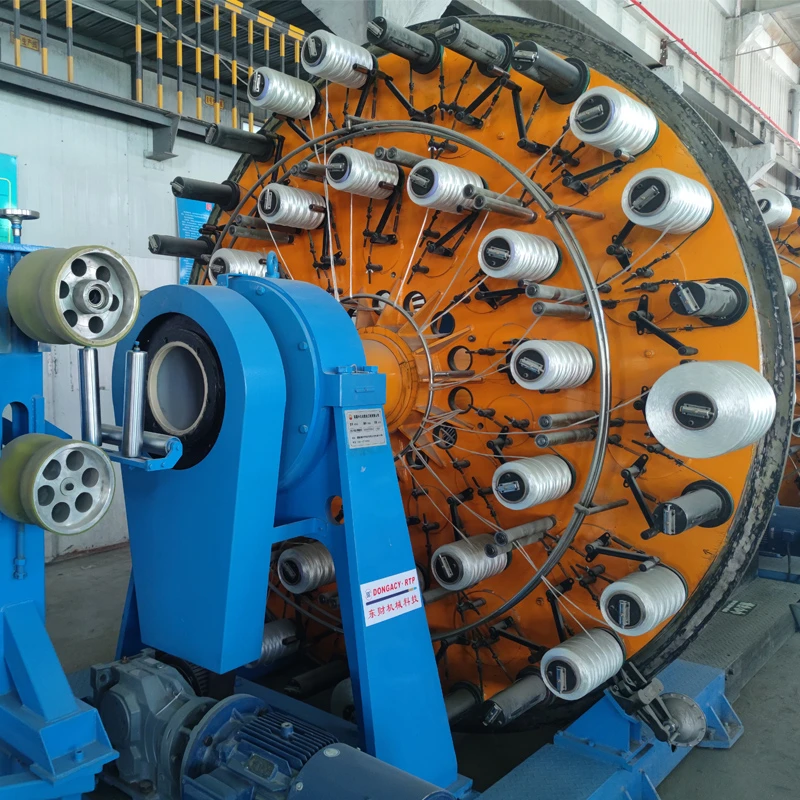
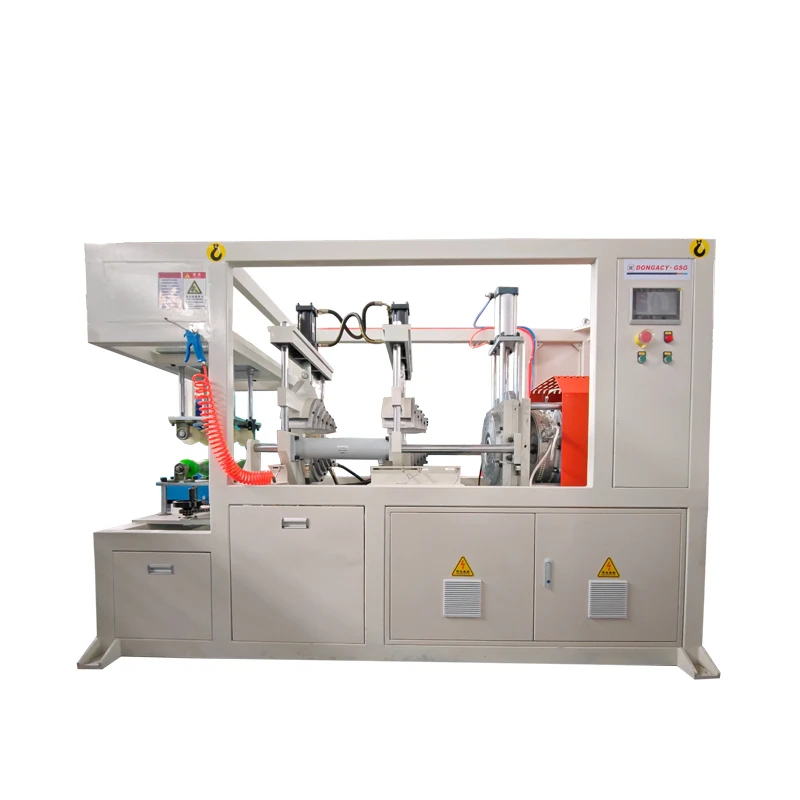
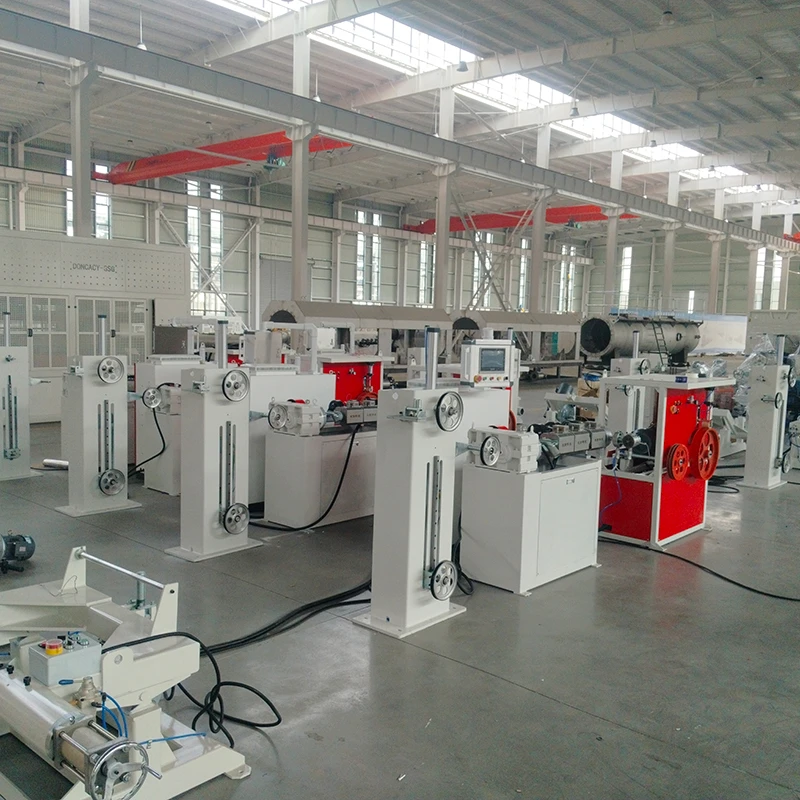
Put simply, an HDPE pipe manufacturing machine is specialized equipment designed to extrude high-density polyethylene into pipes of varying diameters and thicknesses.
Imagine melting raw plastic pellets, then pushing that molten material through precisely engineered molds — that’s basically what happens. The machine cools, calibrates, and finally cuts the pipe to length, all in a streamlined process. The precision and reliability of these machines mean the pipes meet strict standards required for water, gas, or sewage transport.
In humanitarian terms, this is more than just tech; it’s about enabling quick, scalable manufacturing right where it’s needed, whether that be a manufacturing hub in Southeast Asia or an emergency logistics base in Africa.
Key Components and Qualities of HDPE Pipe Manufacturing Machines
1. Durability and Build Quality
Many engineers swear by machines built from high-grade steel and featuring wear-resistant screw designs. That means less downtime, smoother extrusions, and pipes that last decades underground.
2. Scalability and Speed
Depending on demand, some machines can extrude pipes ranging from just 20mm to over 1200mm diameter. Faster cycle times mean projects meet deadlines without sacrificing quality.
3. Automation and Control
Modern units sport PLC (Programmable Logic Controller) systems for real-time monitoring and adjustments. This delivers better consistency – fewer rejects, better batch control.
4. Energy Efficiency
Given rising energy costs, machines optimized for minimal electricity consumption are huge wins for manufacturers aiming to stay competitive and eco-friendly.
5. Cost Efficiency
It’s not just the upfront cost. Lower maintenance, reduced waste, and longer machine life all add up to more profitable long-term operations.
Mini takeaway: The right HDPE pipe manufacturing machine combines engineering resilience with smart automation and economic sense — making it a cornerstone of modern pipe production.
Real-World Applications and Impact
HDPE pipes made from these machines are everywhere — literally beneath our feet and piping precious resources right where they’re needed.
- Urban Water Supply: Cities from Nairobi to São Paulo rely on HDPE pipes for clean water distribution that resists corrosion and leaks.
- Disaster Relief Operations: After floods or earthquakes, fast deployment of piping systems is critical. HDPE pipes manufactured onsite or nearby speed up restoration of vital water services.
- Agriculture & Irrigation: In arid regions like the Middle East or parts of Australia, durable irrigation pipes help farmers conserve water efficiently.
- Industrial and Mining: Harsh chemical environments demand pipes that won’t degrade quickly — HDPE fits the bill perfectly.
I remember reading about a remote village in Nepal where a mobile HDPE pipe manufacturing setup literally changed the game — making local water projects feasible without expensive imports or delays.
Advantages and Long-Term Value of HDPE Pipe Manufacturing Machines
There’s a reason many in the infrastructure business choose HDPE over conventional materials:
- Cost Savings: Lightweight pipes mean easier transport and installation, cutting labor and shipping expenses.
- Sustainability: HDPE is recyclable and resists many environmentally harmful chemicals. Less waste = better planet.
- Reliability: It handles soil shifts, freeze-thaws, and impacts better than metal or concrete alternatives.
- Social Impact: Durable pipes mean safe water access, which correlates with improved health, education, and local economies.
Frankly, investing in quality manufacturing machines multiplies these benefits by ensuring consistent product quality and availability.
What’s Next? Innovations on the Horizon
Looking ahead, the future of HDPE pipe manufacturing machines is riding the wave of digital transformation:
- Smart Sensors & AI: For adaptive control and predictive maintenance, machines will self-optimize and alert operators before faults.
- Green Manufacturing: New extruders powered by renewable energy and using bio-based polymers are in development, aiming to shrink carbon footprints.
- Customization & On-Demand Production: More manufacturers are tailoring their machines to produce pipes with embedded sensors, antimicrobial surfaces, or multi-layer compositions.
In other words, these machines won’t just churn plastic pipes; they’ll create smart, sustainable infrastructure components.
Challenges and Practical Solutions
Of course, no technology is perfect. Issues like uneven extrusion, machine wear and tear, and fluctuating raw material quality sometimes trip up production. Not to mention the cost barriers for small-scale operators.
Experts suggest several practical fixes:
- Regular calibration and preventive maintenance schedules to avoid downtime.
- Training programs emphasizing operational best practices, especially in emerging markets.
- Modular, scalable machine designs that reduce initial investment yet allow future growth.
With these in place, the hurdles become far less daunting.
Frequently Asked Questions About HDPE Pipe Manufacturing Machines
- What sizes of pipes can an HDPE pipe manufacturing machine produce?
- Most machines cover a broad range, typically from 20mm up to 1200mm in diameter. Some specialized units even go larger, depending on the manufacturer and extrusion capabilities.
- How energy-intensive are these machines to operate?
- Energy use varies, but many modern machines are designed for efficiency, consuming between 20-50 kWh during a full production run, which is roughly 30% less than older models.
- Can these machines be used onsite for emergency manufacturing?
- Absolutely. Some manufacturers offer mobile or containerized versions to enable quick pipe production in disaster zones or remote areas, speeding up relief efforts significantly.
- What are common maintenance needs?
- Routine tasks like screw and barrel inspection, lubrication, and temperature sensor calibration are typical. Good practices prevent extrusion defects and prolong machine life.
- How do I choose between different vendors for an HDPE pipe manufacturing machine?
- Consider factors like build quality, after-sales service, energy efficiency, and spare parts availability. This article's comparison table might help clarify those details.
Product Specification Table: Typical HDPE Pipe Manufacturing Machine
| Parameter | Specification |
|---|---|
| Material Processed | HDPE granules (virgin or recycled) |
| Pipe Diameter Range | 20mm – 1200mm |
| Production Speed | 10 – 60 m/min (depending on pipe size) |
| Motor Power | 30 – 120 kW |
| Control System | PLC with touchscreen interface |
| Dimensions (L × W × H) | 15m × 2.5m × 2.8m (varies by model) |
Vendor Comparison Table: Leading HDPE Pipe Manufacturing Machine Providers
| Vendor | Energy Efficiency | Maintenance Support | Price Range (USD) | Customization Options |
|---|---|---|---|---|
| PolyTech Solutions | High (up to 30% savings) | 24/7 Remote + Onsite | 150,000 – 300,000 | Modular & mobile options |
| GreenPipe Tech | Medium (Eco motor included) | Standard Business Hours | 120,000 – 270,000 | Energy-saving upgrades |
| MaxExtrude Corp. | Lower (Classic motor design) | Onsite + Remote, 5 days/wk | 100,000 – 200,000 | Basic configuration only |
Wrapping Up: Why HDPE Pipe Manufacturing Machines Truly Matter
It feels like the world is at a crossroads where infrastructure needs meet the growing demand for sustainability. HDPE pipe manufacturing machines quietly sit at this junction, enabling businesses and governments to produce reliable pipes fast, efficiently, and with fewer environmental impacts. From providing safe drinking water to rebuilding after disasters, these machines help communities thrive — no small feat considering the complexity and scale of the challenges.
For those interested in upping their production game or exploring smart, durable piping solutions, I’d recommend starting with trusted sources and exploring tailored manufacturing setups. Don’t hesitate to visit our website for more detailed insights and the latest tech in hdpe pipe manufacturing machine innovations.
Mini takeaway: Investing in quality HDPE pipe production tech isn’t just a business decision — it’s a step toward building stronger, more sustainable futures for communities around the globe.
References
-
High Efficiency PE Extrusion Line Guide for Plastic ManufacturingNewsApr.16,2026
-
High Speed Steel Wire Mesh HDPE Composite Pipe Production Line - Anhui Dongchai|High Automation&Energy EfficiencyNewsApr.13,2026
-
High Speed Steel Wire Mesh HDPE Composite Pipe Production Line - Anhui Dongchai|High Automation&Energy EfficiencyNewsApr.13,2026
-
Guide to Choosing High Efficiency ppr pipe extrusion machineNewsApr.09,2026
-
Comprehensive Guide to Modern Pipe Production Line Technologies and OptimizationNewsApr.07,2026
-
Choosing the Right Extrusion Pipe Machine for Optimal Plastic Pipe ProductionNewsApr.04,2026
-
Comprehensive Guide to PPR Pipe Extrusion Line Technology and ApplicationsNewsMar.31,2026


