
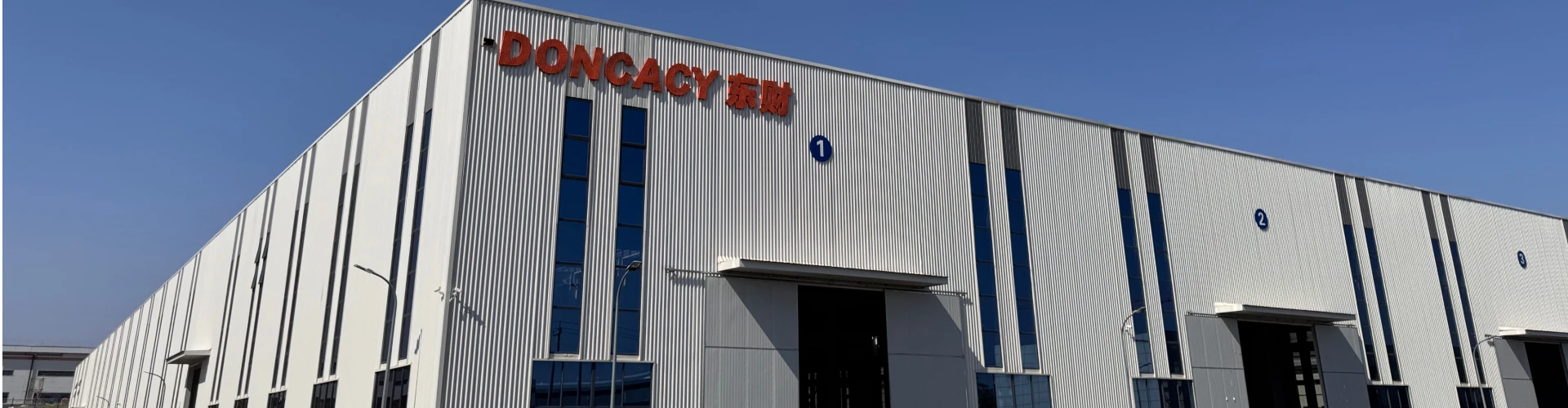
Steel Skeleton Reinforced Polyethylene: What’s really happening on the shop floor
If you’re sizing up a composite pipe production line, you’ll hear a lot of buzzwords—digital twins, closed-loop control, “zero scrap.” Some of it’s real, some aspirational. I’ve spent enough time with SRPE lines to say: what matters is stable winding, consistent fusion bonding, and a service team that actually picks up the phone.
What this line really is
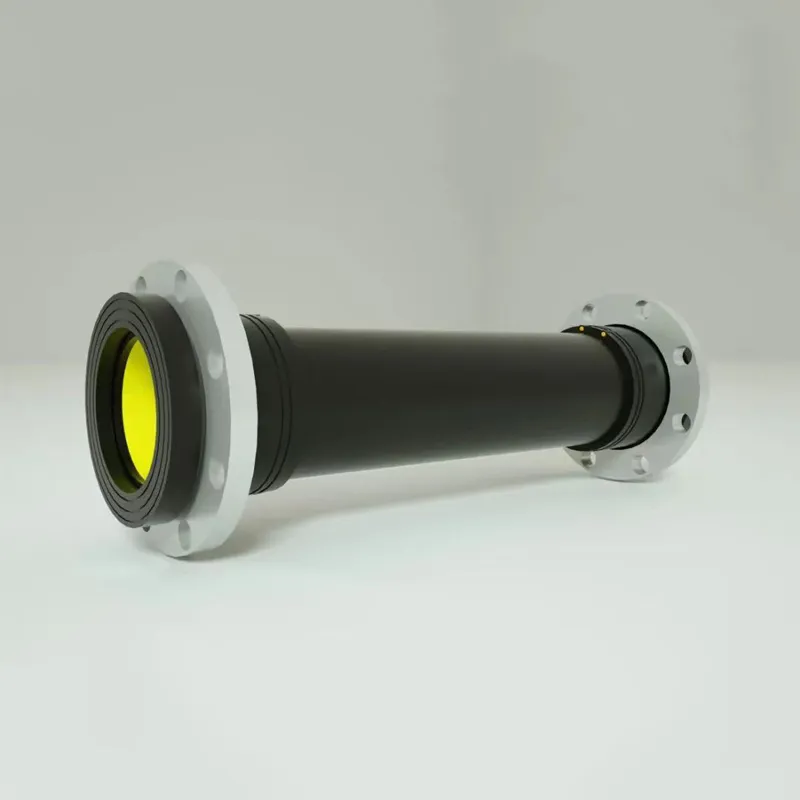
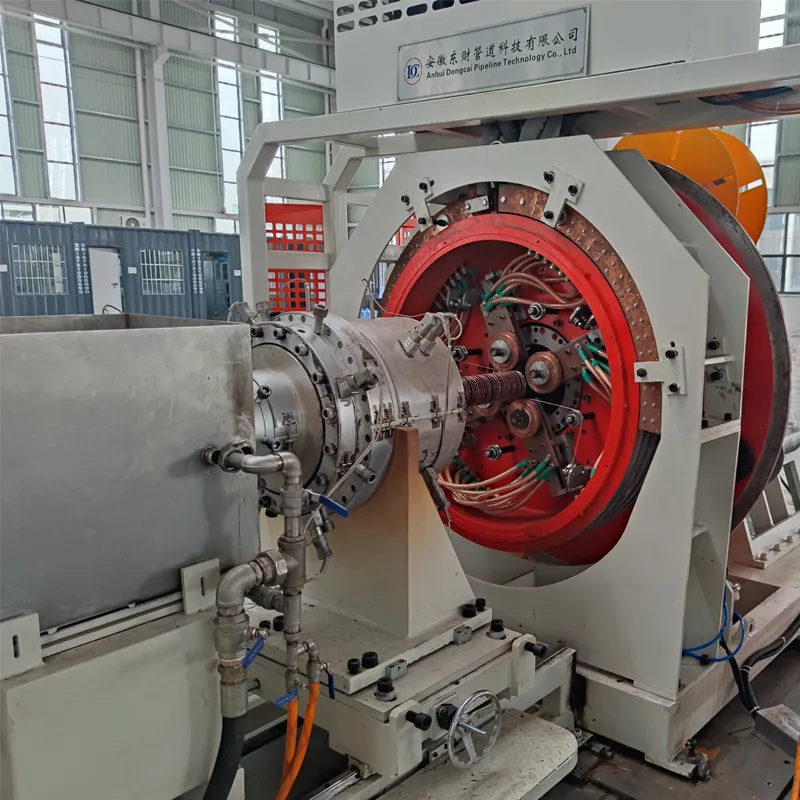
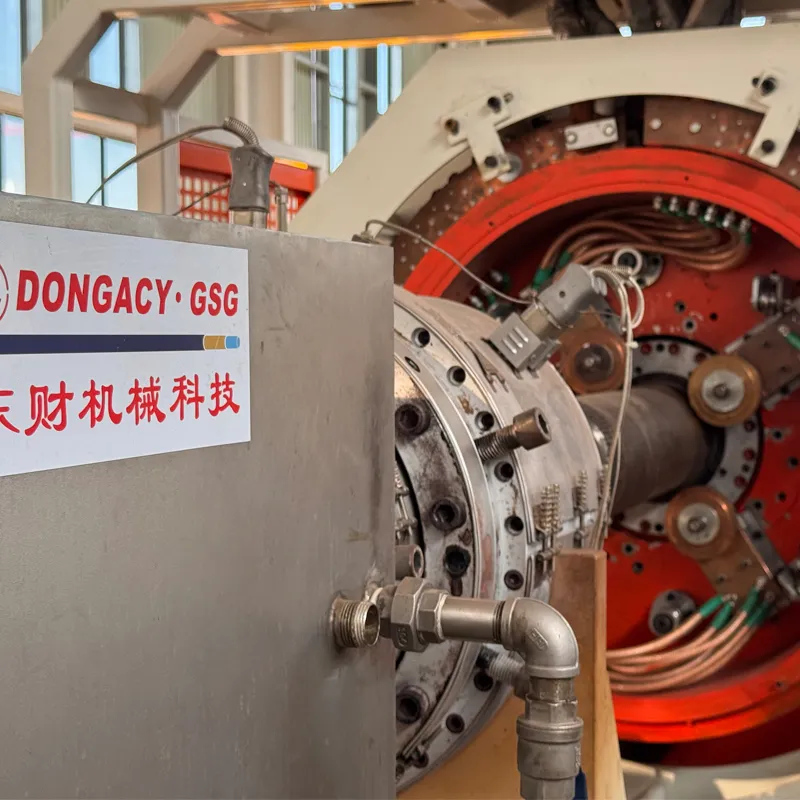
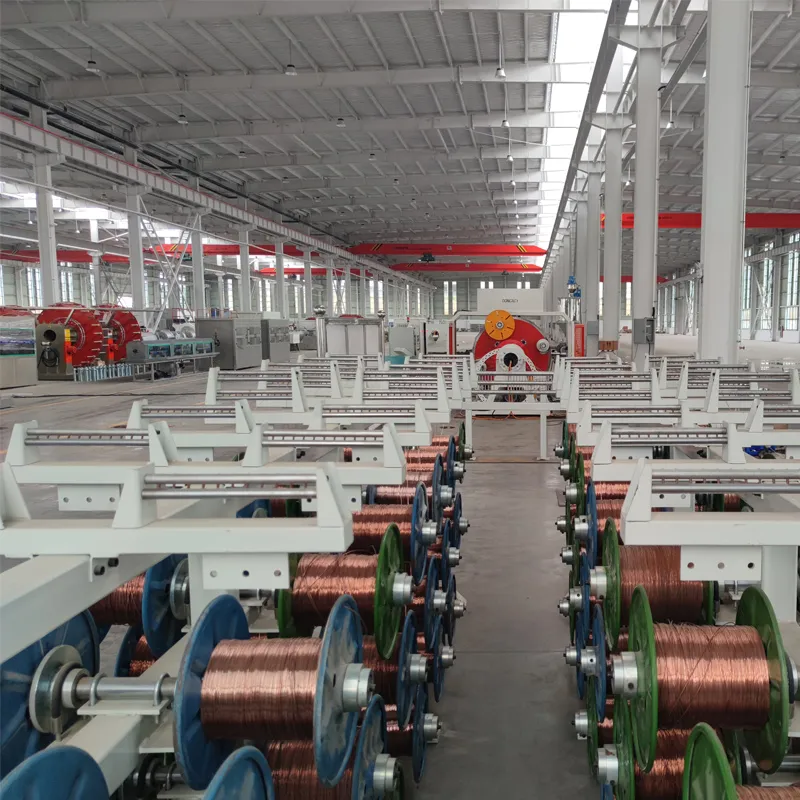
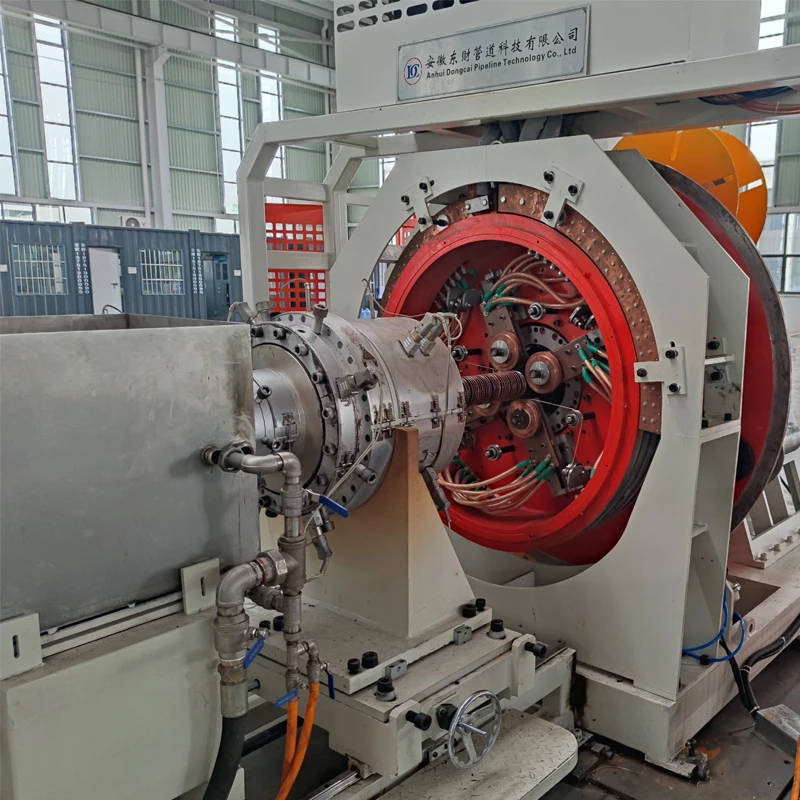
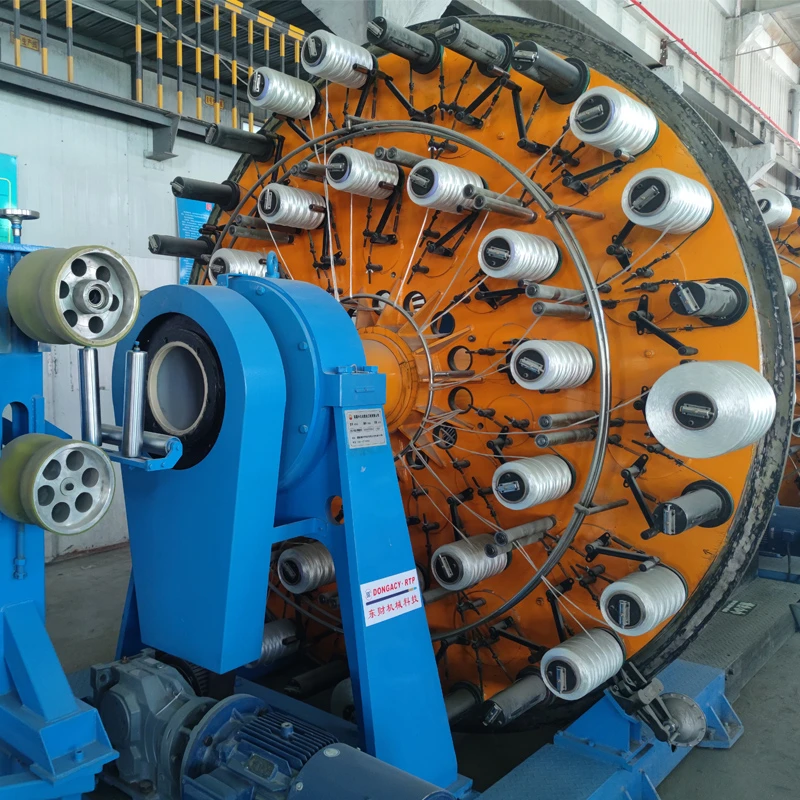
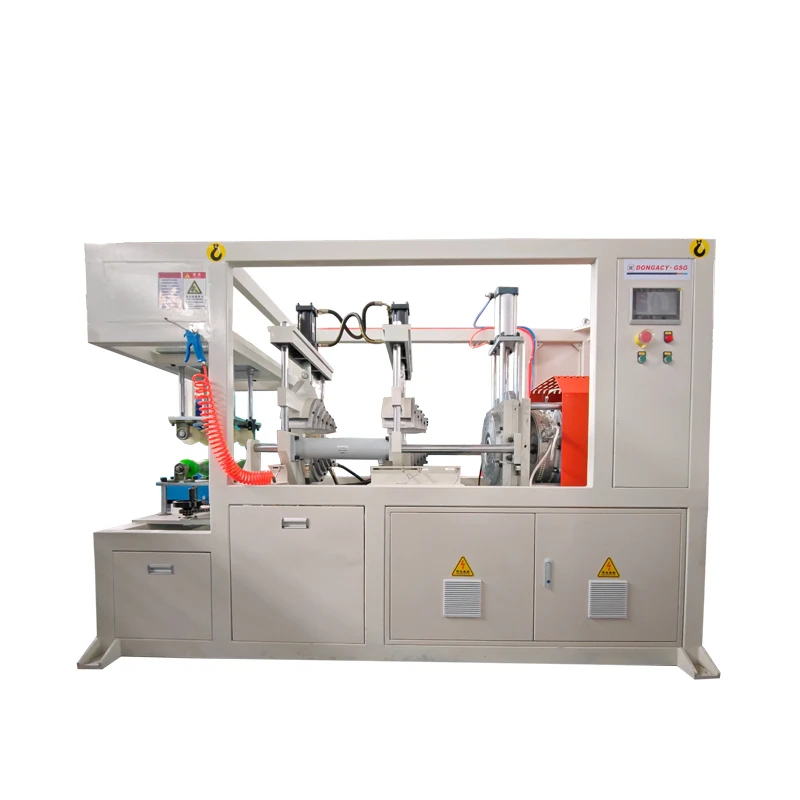
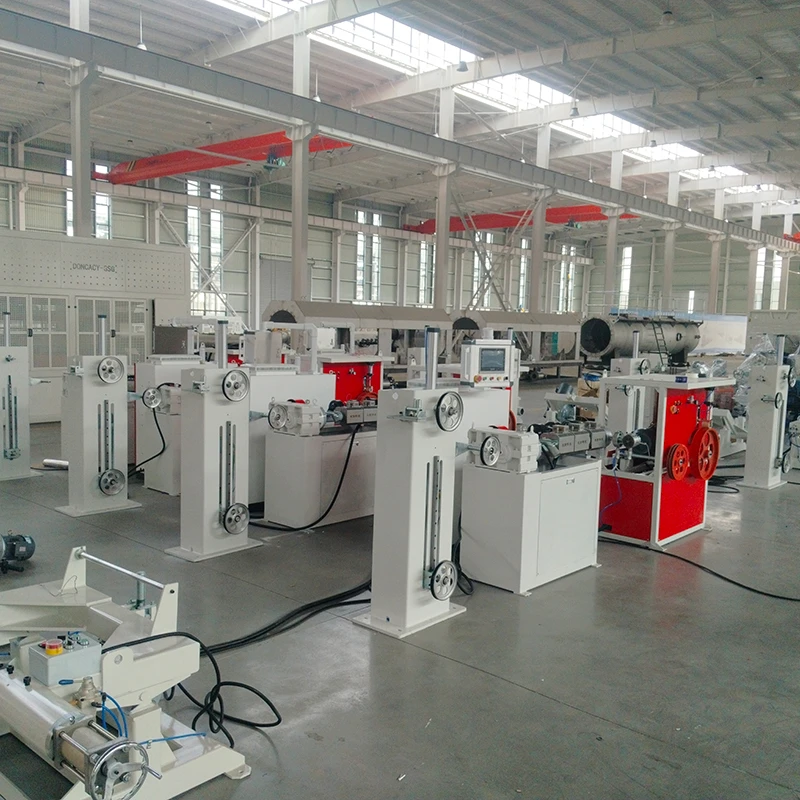
The SRPE (steel skeleton reinforced polyethylene) process continuously winds a reticulated steel skeleton, then encapsulates it with HDPE as the matrix through extrusion and pressure-assisted fusion. It’s a mouthful, but the result is a stiff, corrosion-resistant pipe with a high safety factor. Origin point? No. 26 Huzhou Road, Nanqiao District, Chuzhou City, Anhui Province—an address I’ve actually visited.
Industry trends I’m seeing
- Utilities shifting from lined steel to SRPE for lower lifecycle cost (50-year design life is now the baseline).
- Real-time SPC on winding tension and melt pressure—finally practical, not just a demo.
- More recycled HDPE content, cautiously applied in outer layers (core layers kept virgin).
Process flow (how it’s built)
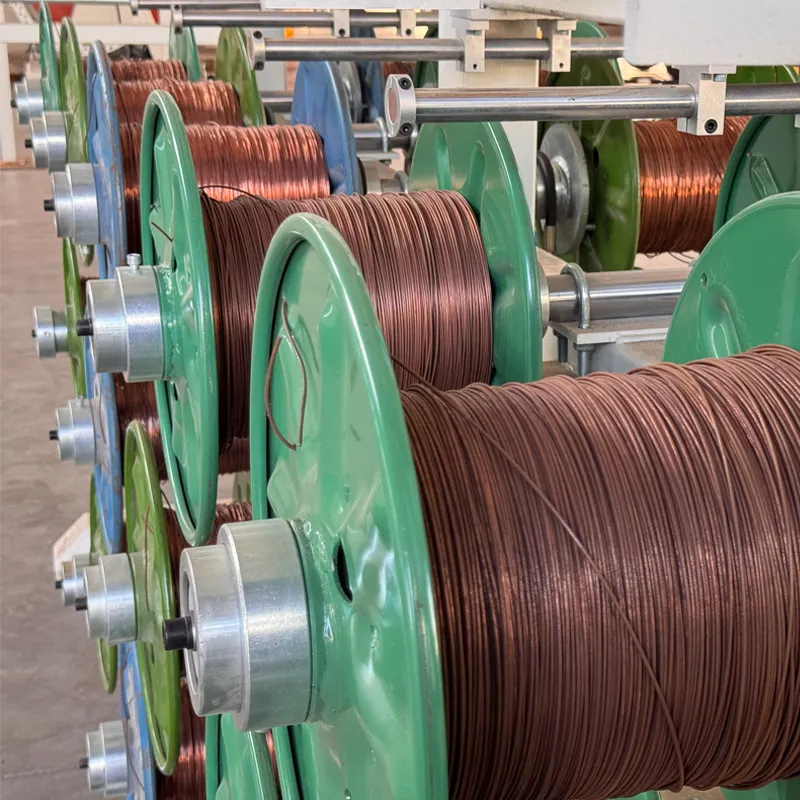
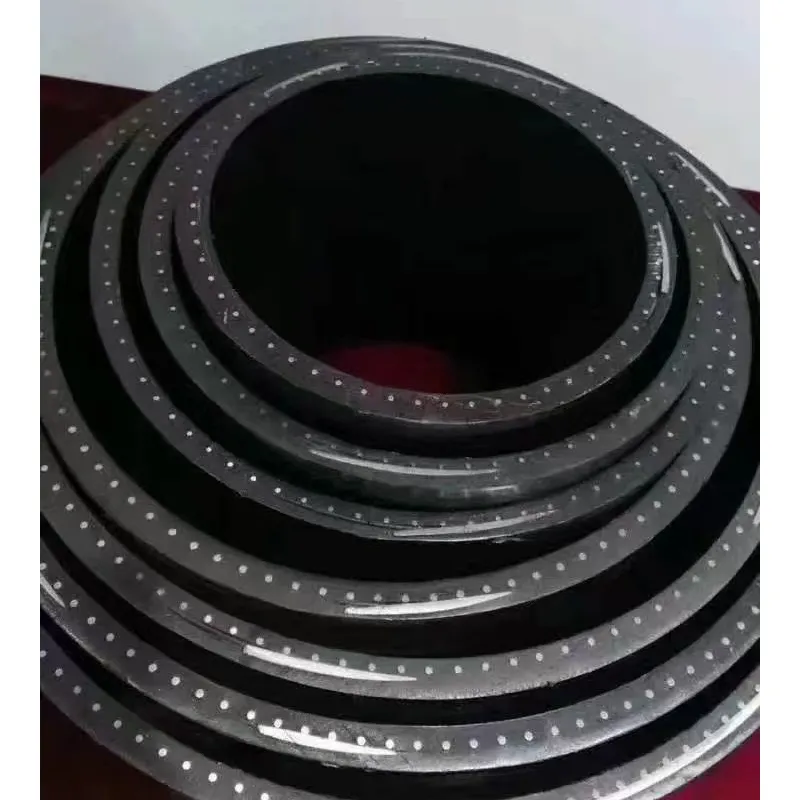
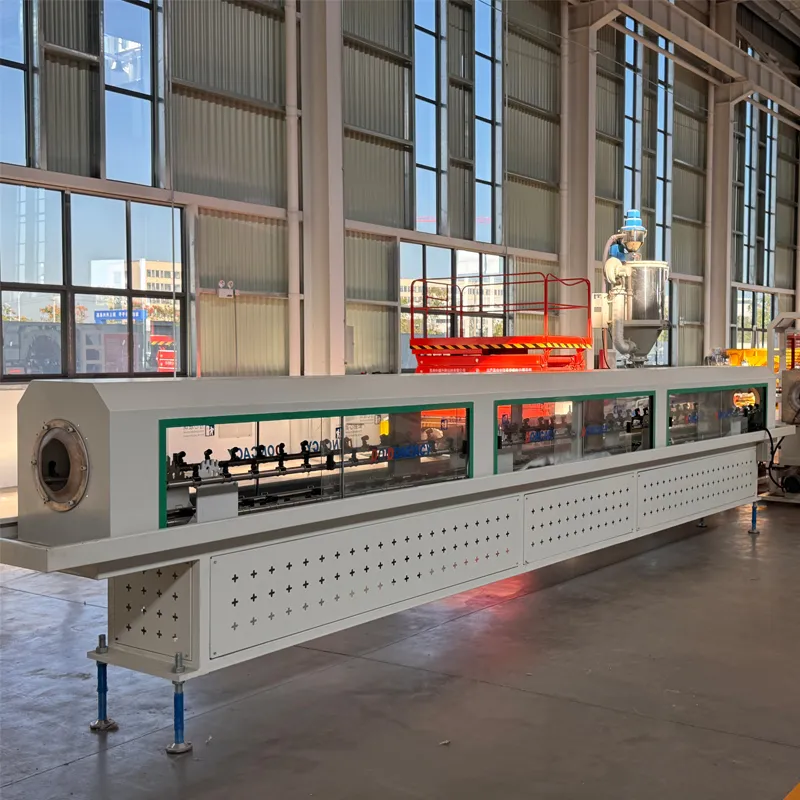
Steel wire mesh forming → Continuous winding and spot welding → HDPE extrusion encapsulation → Vacuum calibration → Spray cooling → Haul-off → On-line non-destructive testing (spark/leak) → Cutting/Chamfer → Hydrostatic test. Key materials: reticulated steel skeleton (low-carbon steel, controlled Zn coating), HDPE PE100 (MFR 0.2–0.4 g/10min), tie-layer if specified.
Standards, testing, and service life
Typical compliance targets: ISO 4427-2 for PE pressure pipe dimensions, ASTM F714 for SDRs, ISO 1167 for hydrostatic strength, ISO 9969 for ring stiffness, and CJ/T 189 for steel mesh reinforced plastic pipe. In practice, ring stiffness lands around SN8–SN12.5, with hydrostatic test at 80°C per ISO 1167. Service life? ≈50 years under normal buried conditions; real-world use may vary with temperature and surge load.
Quick product specs (SRPE series)
| Model | Pipe OD range | Line speed | Output | Power | Control |
|---|---|---|---|---|---|
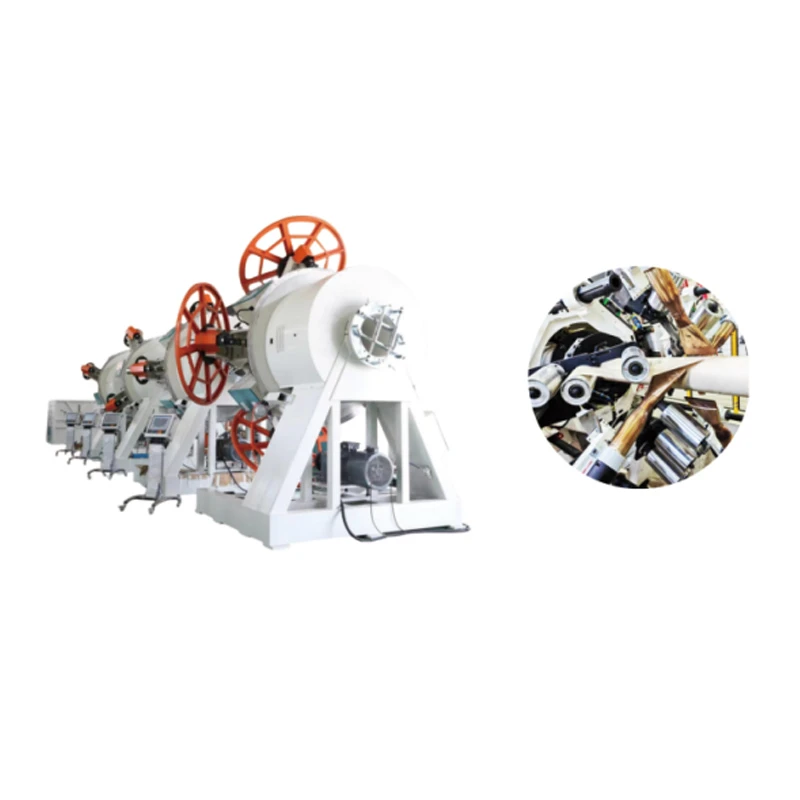
| SRPE-400 | DN160–400 | ≈0.4–1.2 m/min | ≈300–450 kg/h | ≈180 kW | Siemens PLC + closed-loop |
| SRPE-630 | DN250–630 | ≈0.3–1.0 m/min | ≈500–700 kg/h | ≈260 kW | Siemens PLC + SPC |
| SRPE-1000 | DN500–1000 | ≈0.2–0.8 m/min | ≈800–1000 kg/h | ≈360 kW | Siemens PLC + remote |
Where it’s used (and why)
Municipal water and gas, seawater intake, mine slurry, fire mains, and long-distance industrial pipelines. Advantages: high ring stiffness/low weight ratio, corrosion immunity, smooth bore (Hazen–Williams C≈150), welded joints, and fast trench time. Temperature sweet spot: ambient to ~60°C; above that, derate conservatively.
Vendor snapshot (what buyers compare)
| Vendor | Lead time | Commissioning | Certs | Price |
|---|---|---|---|---|
| Anhui Dingchang (SRPE) | ≈60–90 days | 7–14 days on-site | ISO 9001, CE (Machinery) | Mid |
| EU Brand A | ≈90–120 days | 10–20 days | CE, ISO 14001 | High |
| Local OEM B | ≈45–75 days | 5–10 days | ISO 9001 | Low–Mid |
Customization, real projects, and feedback
Customization usually means extra winding heads for higher stiffness, special tie-layers, or MES hooks for traceability. One coastal utility ran a DN630 line 24/7 for 90 days; uptime logged at 92%, ring stiffness verified SN10, hydrostatic per ISO 1167 passed at 20°C and 80°C stages. A mining client (abrasive slurry) reported lower surge-induced ovality after tension control tuning—operators told me “the HMI is actually readable,” which is rarer than it should be, to be honest.
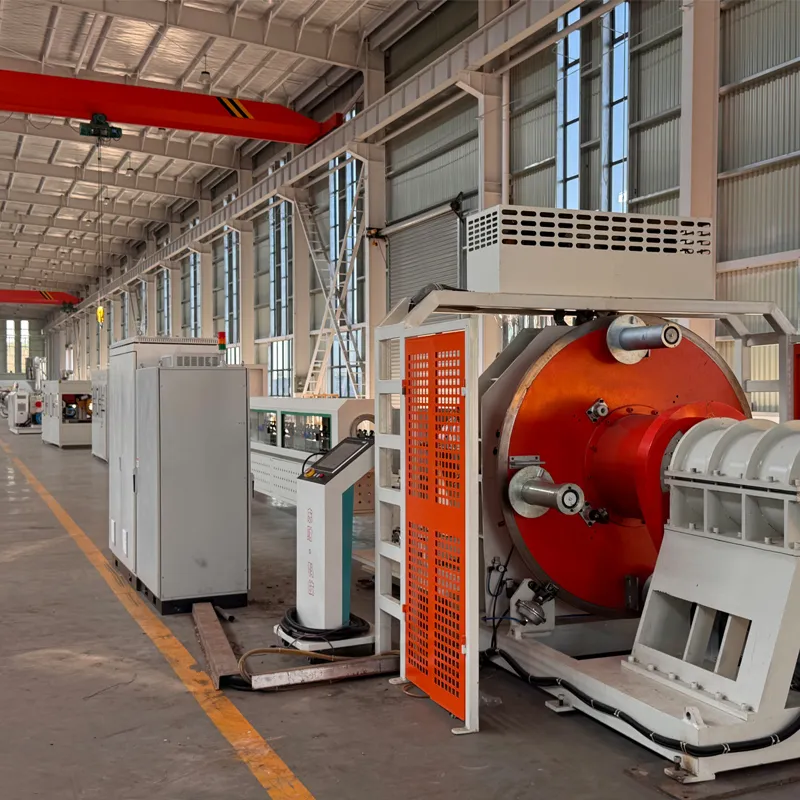
If you need a composite pipe production line that balances stiffness, weld integrity, and sensible maintenance, the SRPE route is worth a plant visit. Certifications like ISO 9001 and CE are table stakes; I also like seeing FAT witnessed by SGS or a client QA, plus documented ISO 21307 fusion procedures.
Final note: pick the vendor that will help dial in steel mesh tension and melt encapsulation on your resin, not just the one with the slickest brochure. Many customers say that’s what makes or breaks first-year scrap rates.
References
- ISO 4427-2:2019, Polyethylene (PE) pipes for water supply—Pipes.
- ISO 1167, Thermoplastics pipes—Resistance to internal pressure—Test method.
- ISO 9969, Thermoplastics pipes—Determination of ring stiffness.
- ASTM F714-21, Polyethylene (PE) Plastic Pipe (SDR-PR) Based on OD.
- CJ/T 189, Steel mesh skeleton plastic (PE) composite pipe (Chinese industry standard).
-
High Efficiency PE Extrusion Line Guide for Plastic ManufacturingNewsApr.16,2026
-
High Speed Steel Wire Mesh HDPE Composite Pipe Production Line - Anhui Dongchai|High Automation&Energy EfficiencyNewsApr.13,2026
-
High Speed Steel Wire Mesh HDPE Composite Pipe Production Line - Anhui Dongchai|High Automation&Energy EfficiencyNewsApr.13,2026
-
Guide to Choosing High Efficiency ppr pipe extrusion machineNewsApr.09,2026
-
Comprehensive Guide to Modern Pipe Production Line Technologies and OptimizationNewsApr.07,2026
-
Choosing the Right Extrusion Pipe Machine for Optimal Plastic Pipe ProductionNewsApr.04,2026
-
Comprehensive Guide to PPR Pipe Extrusion Line Technology and ApplicationsNewsMar.31,2026


