
High Speed Steel Wire Mesh Skeleton Reinforced Polyethylene Composite Pipe Production Line: Field Notes from the Shop Floor
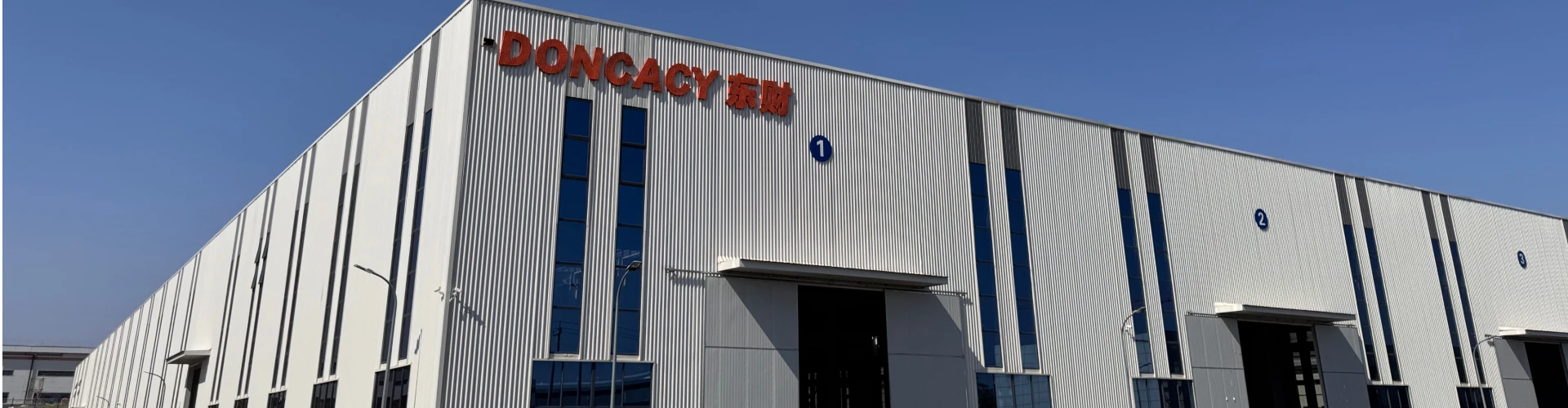
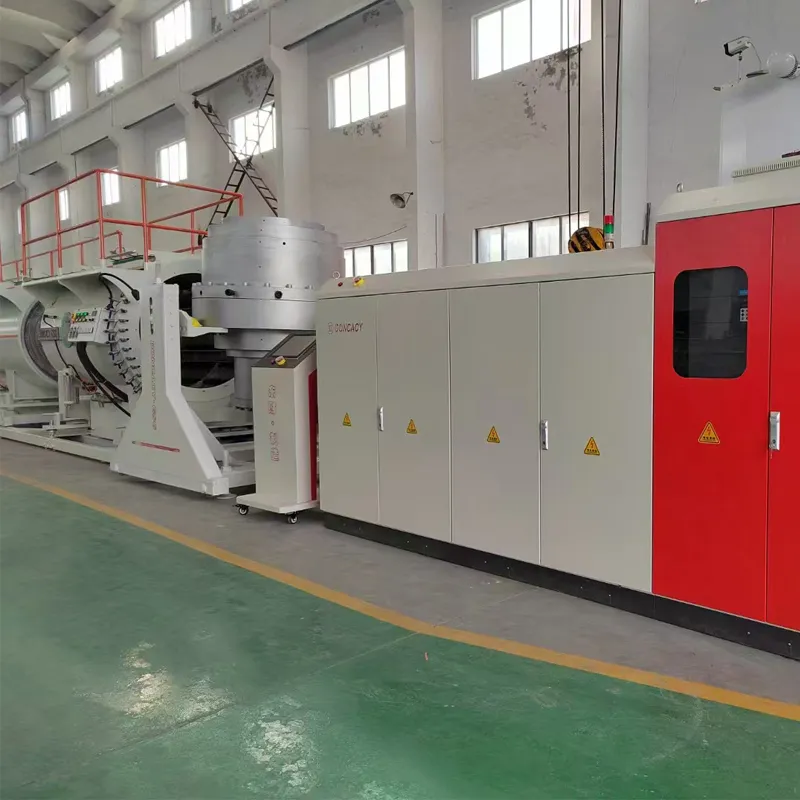
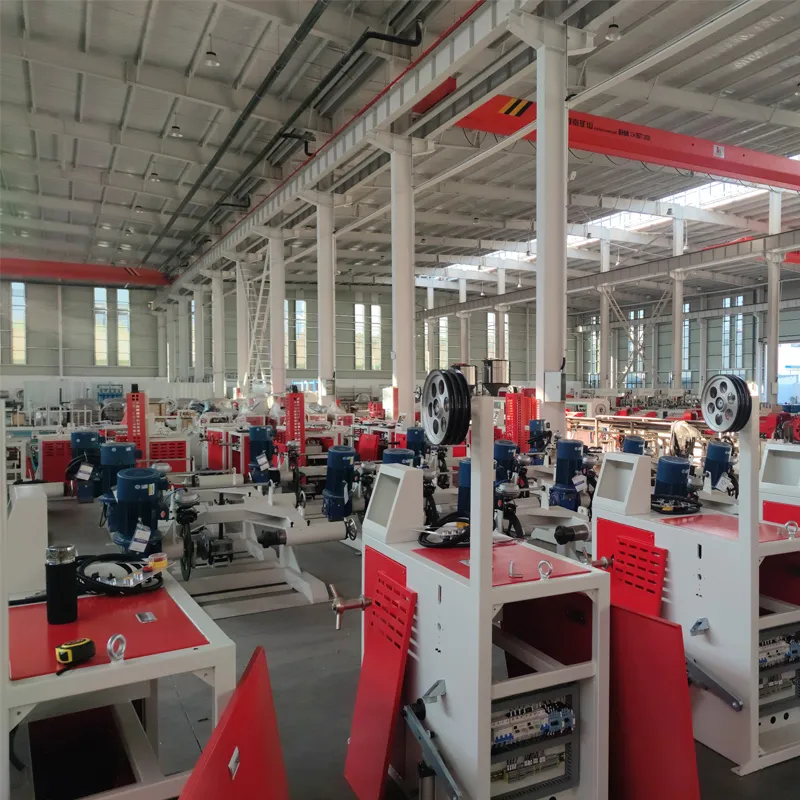
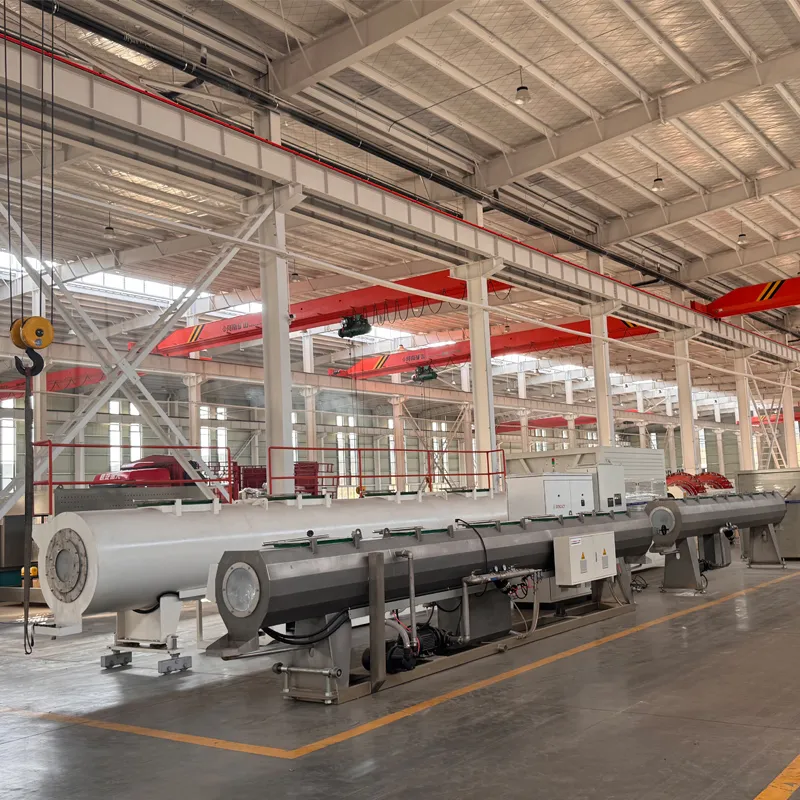
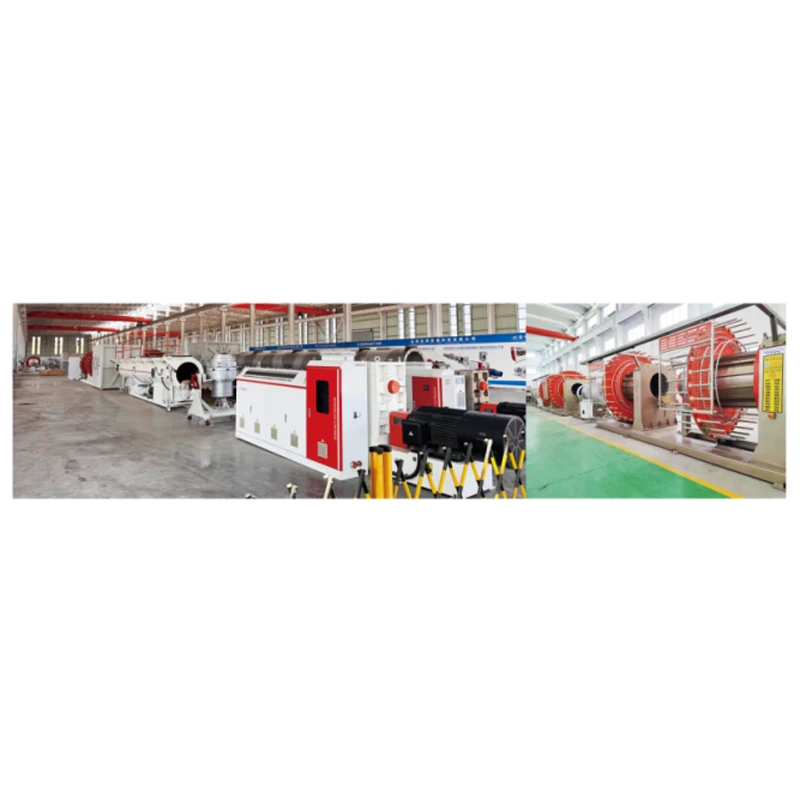
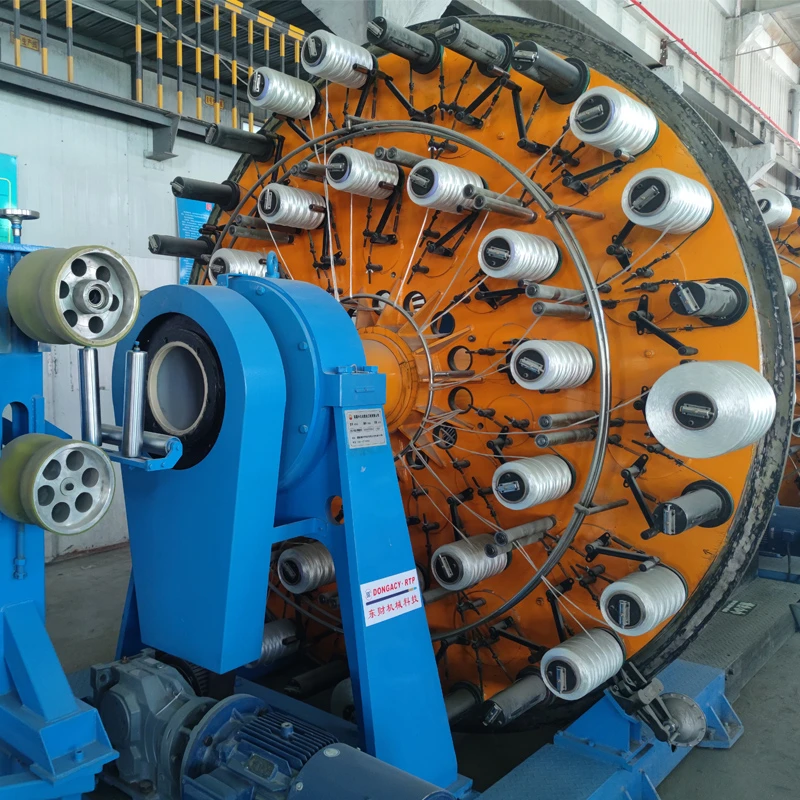
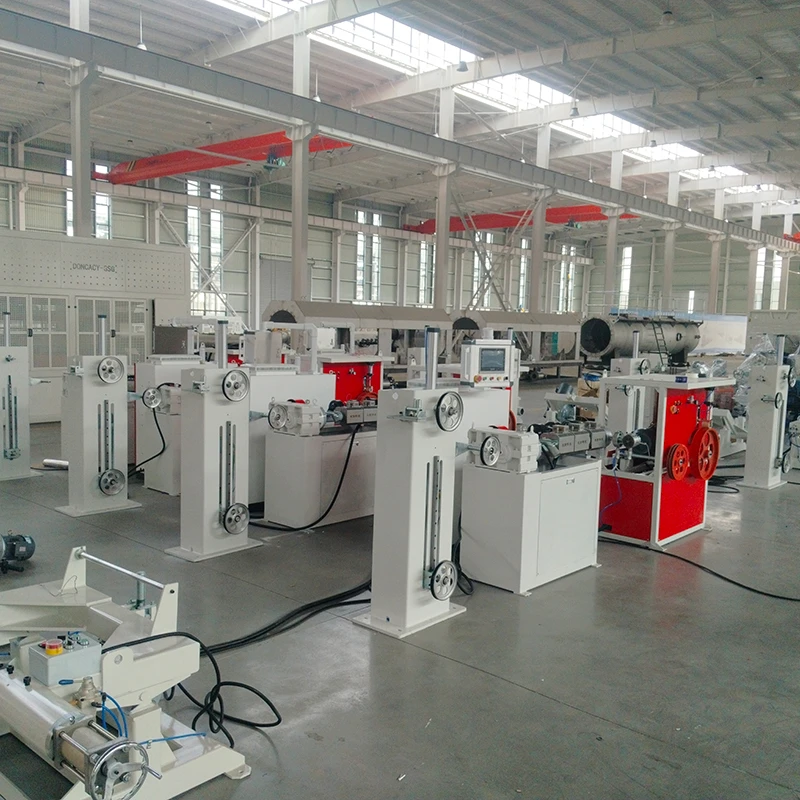
If you’ve watched municipal and industrial piping evolve over the last decade, you’ve seen the quiet rise of the composite pipe production line. Actually, it’s not hype. Steel wire mesh + PE delivers that sweet spot: rigidity without giving up corrosion resistance. At the Anhui facility (No. 26 Huzhou Road, Nanqiao District, Chuzhou City), the newest line ties it all together with PLC-driven control, safe operation, and—surprisingly—very little babysitting once dialed in.
Where it’s used (and why it’s winning)
Drainage, ventilation, lighting conduits, petroleum transfer lines, sanitation, pipe trenches, underground cable protection, centralized water supply, even central heating loops. In municipal engineering and construction, engineers like the high ring stiffness; in industrial plants, it’s the chemical resistance. Many customers say maintenance windows have shrunk dramatically after swapping legacy steel with these hybrids.
Typical Specs (real‑world use may vary)
| Parameter | Typical value (≈) |
|---|---|
| Pipe OD range | 50–630 mm |
| Line speed | 0.6–2.5 m/min (product-dependent) |
| Main extruder | PE100/PE80, L/D 38:1 (65–90 mm screw) |
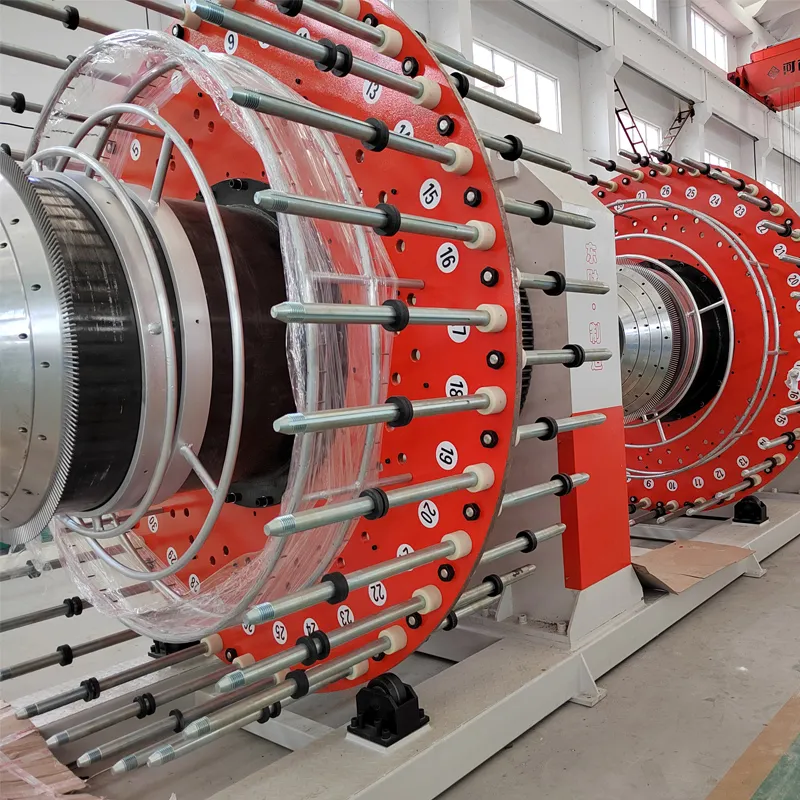
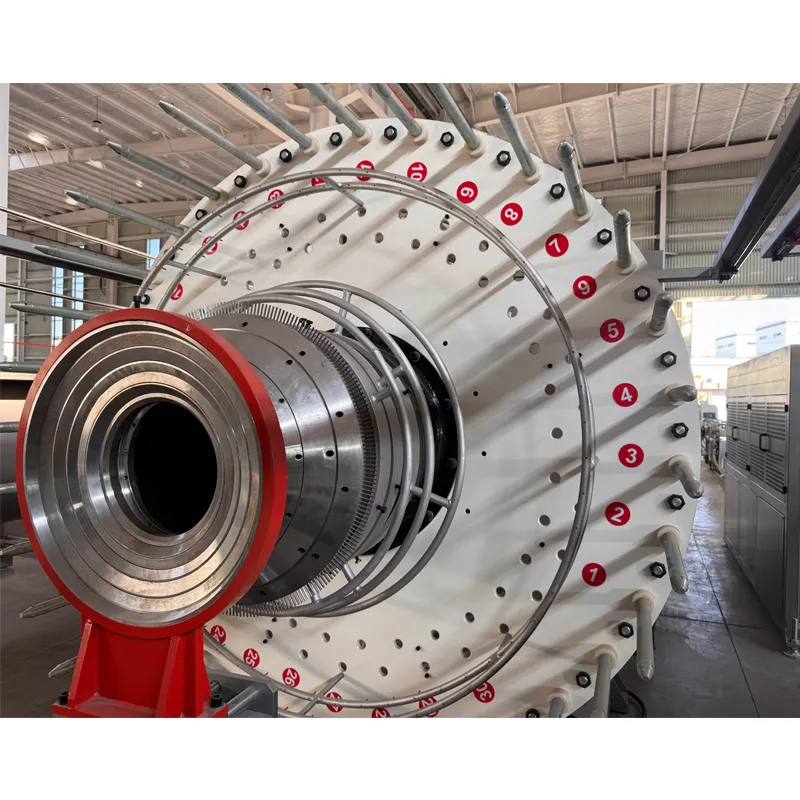
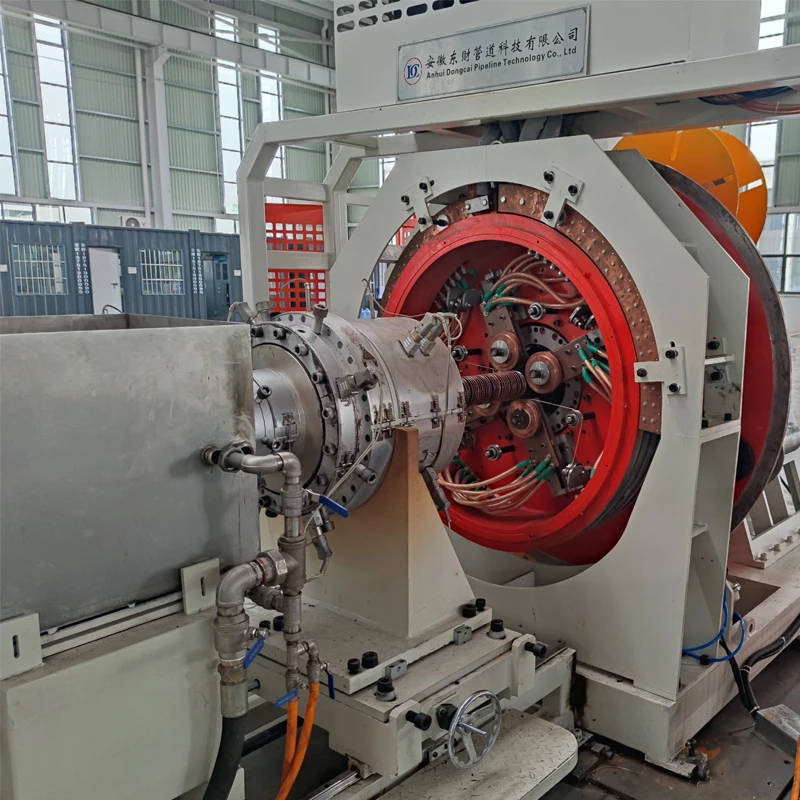
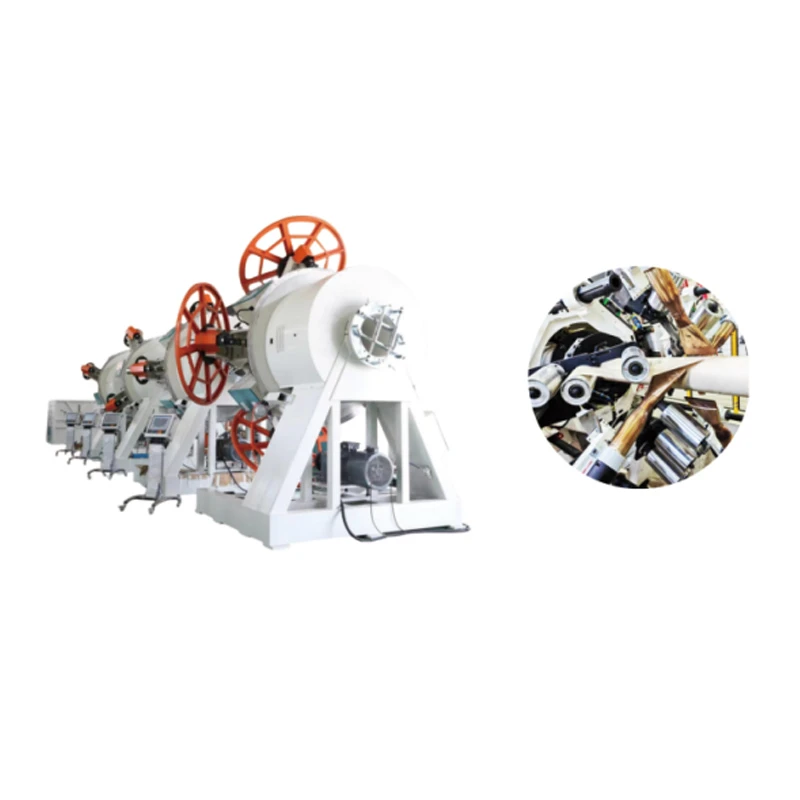
| Wire mesh former | Closed-loop tension; mesh pitch programmable |
| Bonding temperature window | ≈190–220°C |
| Cooling | Vacuum calibration + multi-stage spray |
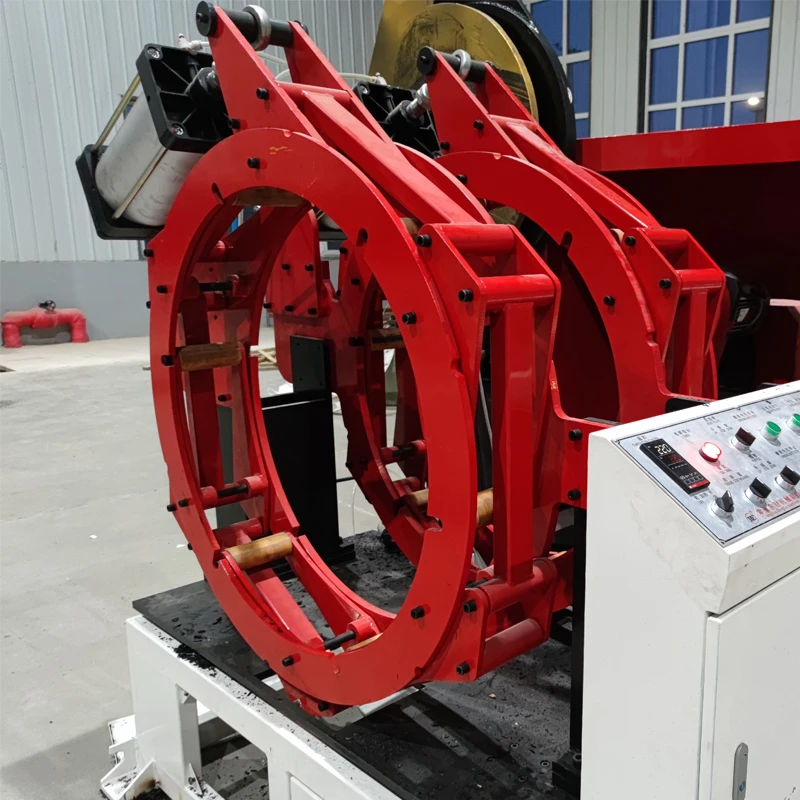
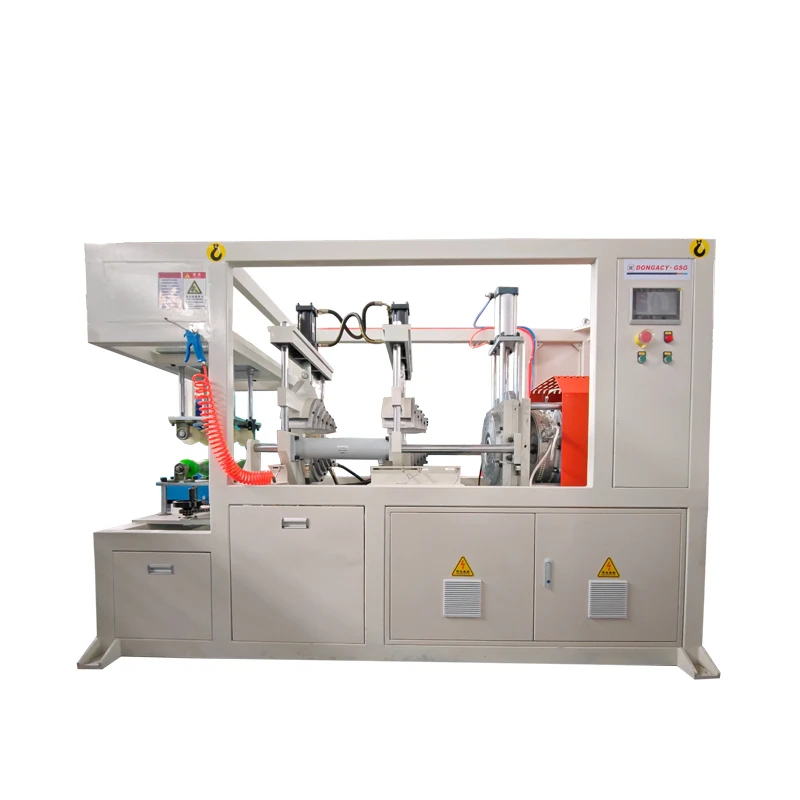
| Cutter | Planetary, no‑dust, ±0.5% length |
| Energy | ≈0.35–0.55 kWh/kg |
| Controls | PLC + HMI, recipe management, alarm logs |
Process flow (quick but complete)
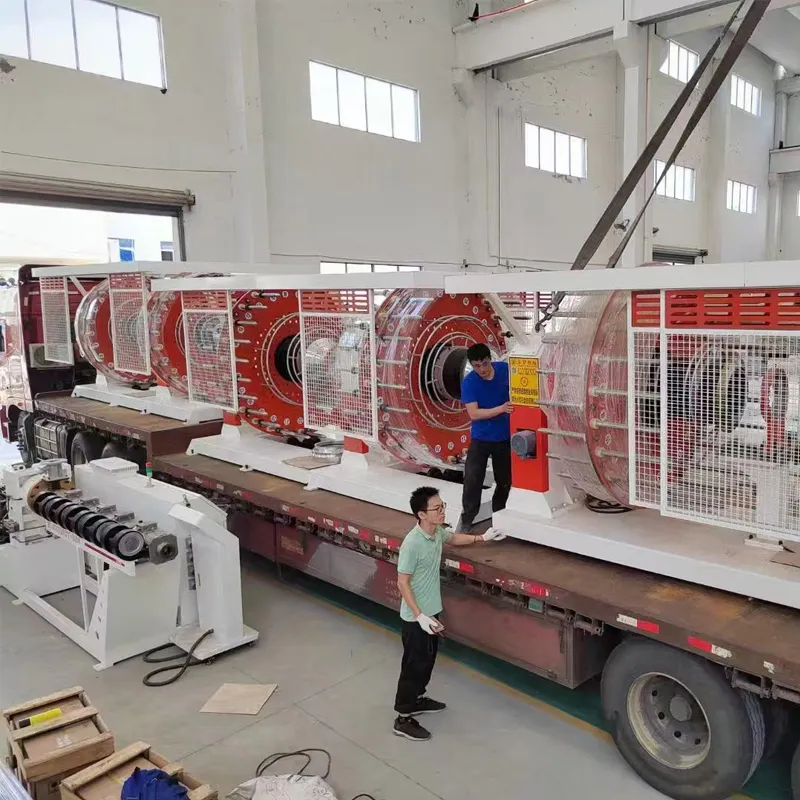
Resin drying → PE extrusion (inner layer) → steel wire mesh forming with servo tension control → encapsulation by outer-layer extruder → vacuum sizing → multi-stage cooling → haul-off → in-line printing → planetary cutting → socketing (as needed) → QA. The PLC keeps mesh pitch, extrudate mass throughput, and haul-off speed synchronized; to be honest, that’s the secret sauce for bond integrity.
Materials: PE80/PE100, galvanized or copper-coated low-carbon steel wire (mesh skeleton). Methods: co-extrusion and melt-encapsulation. Testing: hydrostatic per ISO 1167, ring stiffness per ISO 9969, impact per ISO 3127, OIT via DSC (ISO 11357-6). Service life: designed for ≥50 years at 20°C water, MRS verified to ISO 9080 principles for PE component; system-level life depends on duty cycle and temperature.
Standards, certifications, and results
- Conforms in principle to ISO 4427 for water supply PE layers; steel-mesh composite per CJ/T 189-2007 and GB/T 32439-2015 (China).
- Typical test data: 100 h @ 80°C, hoop stress per ISO 1167 passes; ring stiffness ≥ SN8 per ISO 9969 for mid-range sizes (field results vary).
- Factories run ISO 9001 quality systems; many buyers also ask for ISO 14001/45001—worth it.
Vendor comparison (quick reality check)
| Factor | Anhui (this line) | Vendor A | Vendor B |
|---|---|---|---|
| Automation | PLC, recipe, closed-loop mesh tension | PLC basic | HMI only |
| Line speed | High (≈2.5 m/min) | Mid | Low–mid |
| Energy per kg | Lower (optimized) | Average | Higher |
| After-sales | Start-up + on-site training | Remote only | Limited |
Customization and field stories
Customization ranges from mesh pitch libraries for petroleum lines to extended calibration tanks for large ODs. One water utility told me their switchover cut leak events by ≈30% year-on-year—small sample size, yes, but echoed elsewhere. Another contractor liked that the composite pipe production line kept OD tolerance steady during rainy-season humidity swings (credit to decent drying and control loops).
Bottom line: if you’re supplying municipal or industrial networks and want stiffness without rust headaches, the composite pipe production line is a pragmatic move—especially when PLC recipes make night shifts boring (in a good way).
References
- ISO 4427-2: Polyethylene piping systems for water supply. https://www.iso.org/standard/69469.html
- ISO 1167: Thermoplastics pipes—Resistance to internal pressure. https://www.iso.org/standard/54181.html
- ISO 9969: Thermoplastic pipes—Ring stiffness. https://www.iso.org/standard/29691.html
- CJ/T 189-2007: Steel mesh skeleton PE composite pipe for water supply. (Chinese standard overview)
- GB/T 32439-2015: Steel mesh skeleton PE composite pipe and fittings. (Chinese standard overview)
- ISO 11357-6: Plastics—DSC—OIT determination. https://www.iso.org/standard/70008.html
-
High Efficiency PE Extrusion Line Guide for Plastic ManufacturingNewsApr.16,2026
-
Guide to Choosing High Efficiency ppr pipe extrusion machineNewsApr.09,2026
-
Comprehensive Guide to Modern Pipe Production Line Technologies and OptimizationNewsApr.07,2026
-
Choosing the Right Extrusion Pipe Machine for Optimal Plastic Pipe ProductionNewsApr.04,2026
-
Comprehensive Guide to PPR Pipe Extrusion Line Technology and ApplicationsNewsMar.31,2026
-
Understanding the Functionality and Applications of a Pipe Extruder SystemNewsMar.28,2026
-
Comprehensive Guide to Pipe Extrusion Machine Technology and ApplicationsNewsMar.26,2026


