
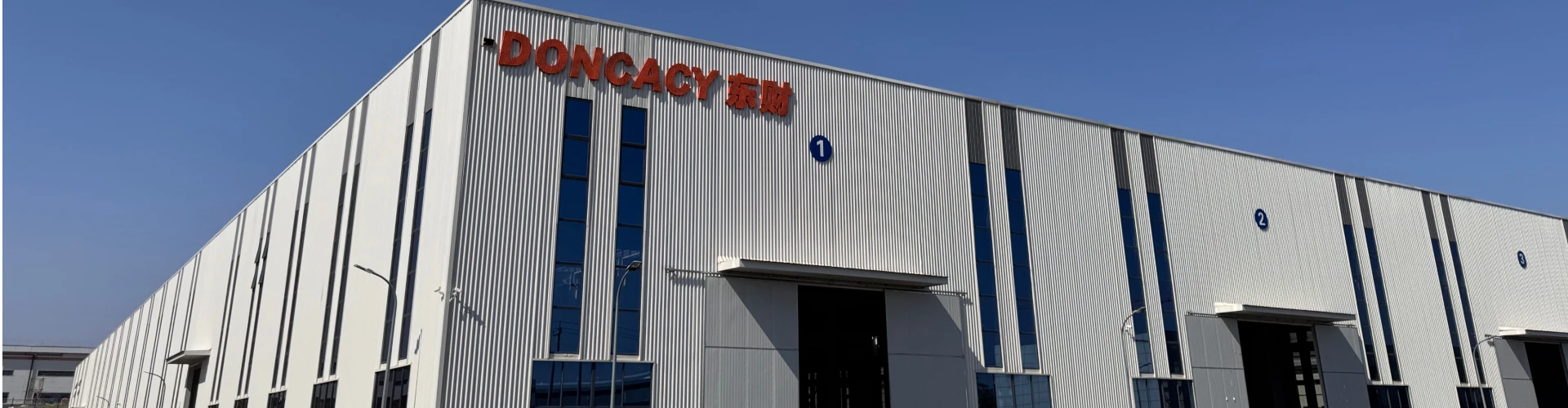
Inside an RTP Factory: What I Saw on a Fiber Filament Reinforced PE Line
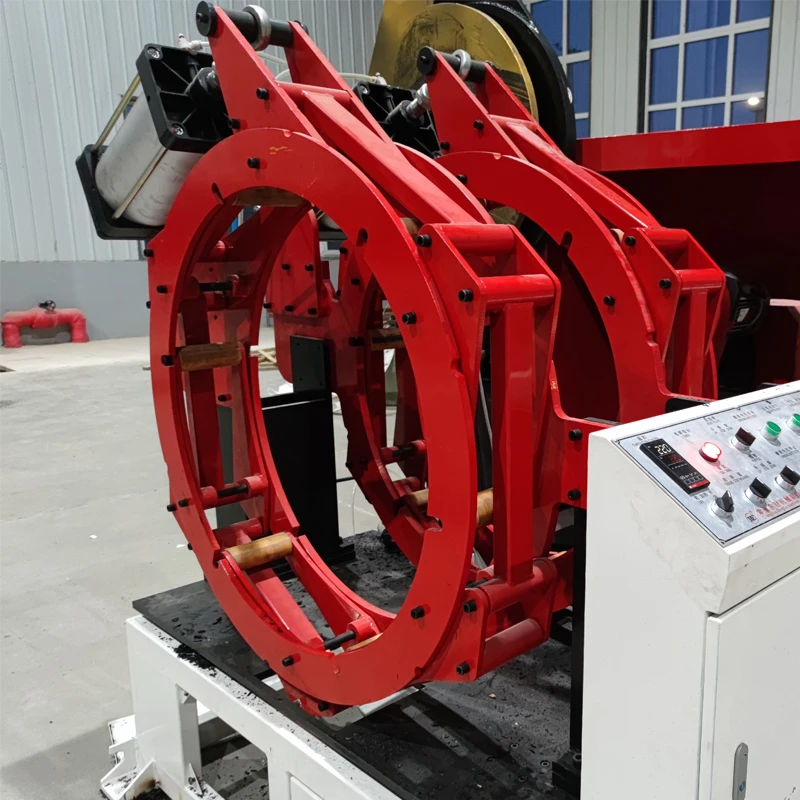
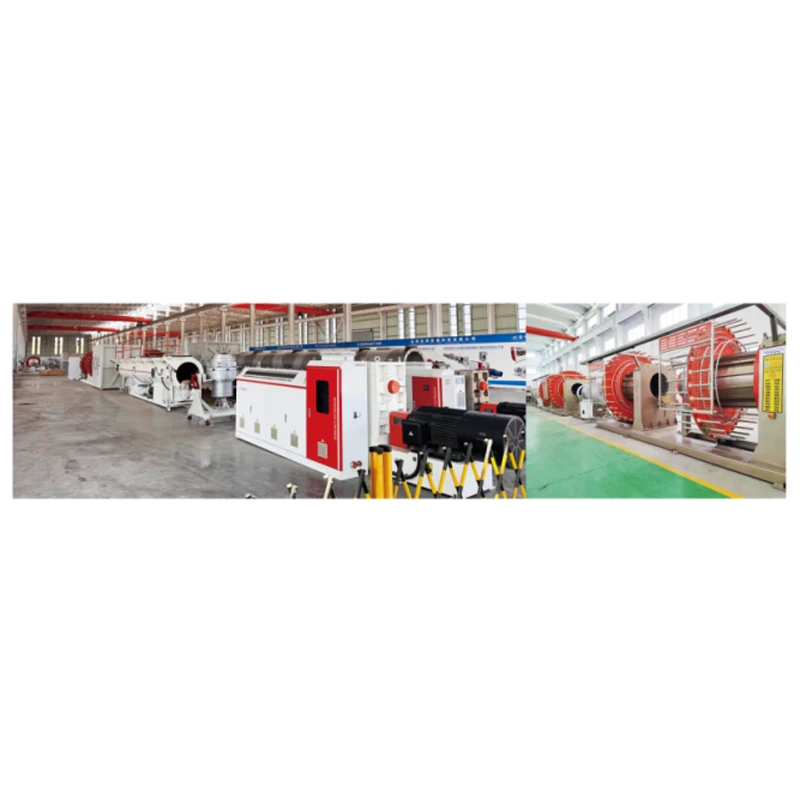
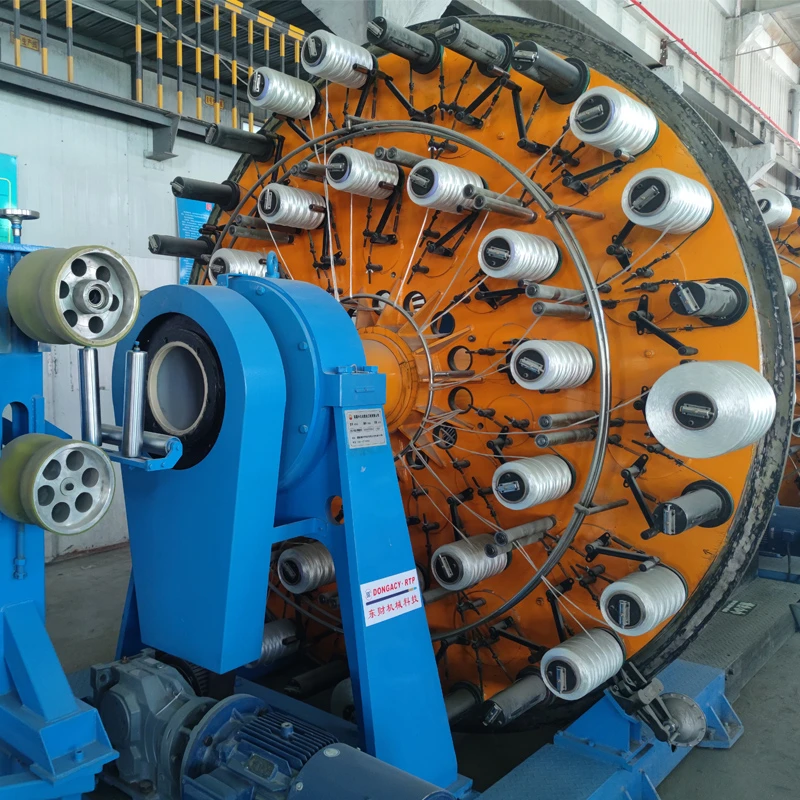
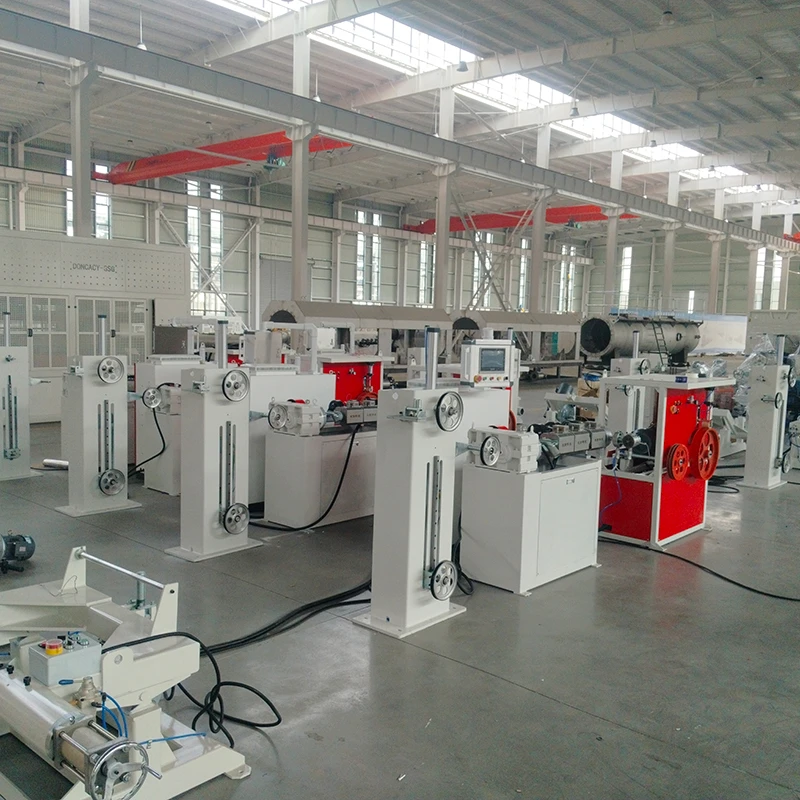
I spent a long morning in Anhui walking the floor of a composite pipe production line—the kind building thermoplastic RTP pipes for high-pressure oil, gas and water. To be honest, I expected clutter and clatter. Instead, I found a clean, quietly disciplined process: resin moving like clockwork, fiber winding at precise angles, operators checking data like pilots on final approach. It sounds romantic; it’s actually pretty technical.
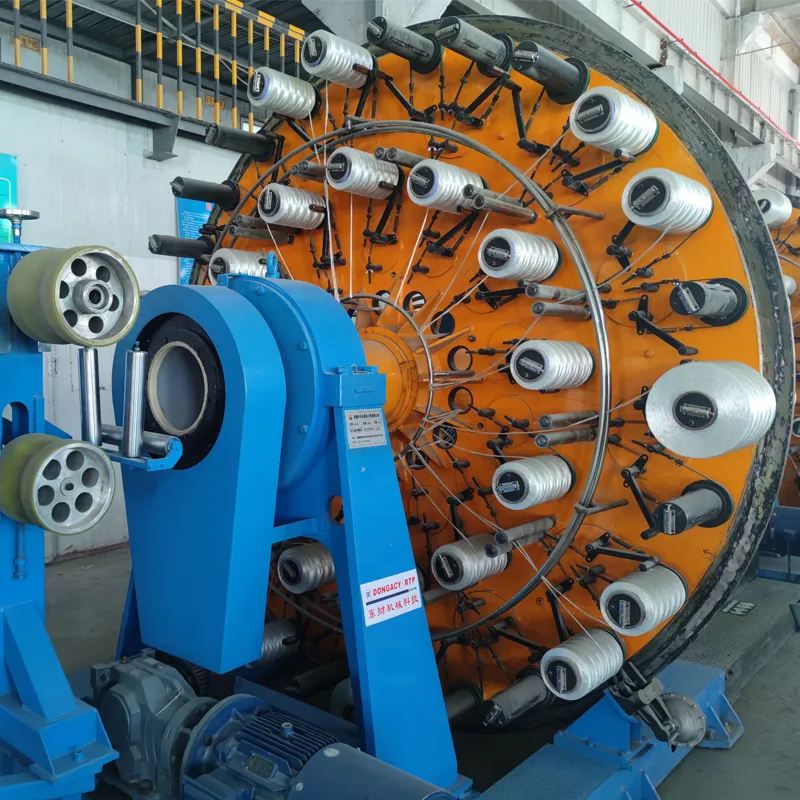
Product at a Glance
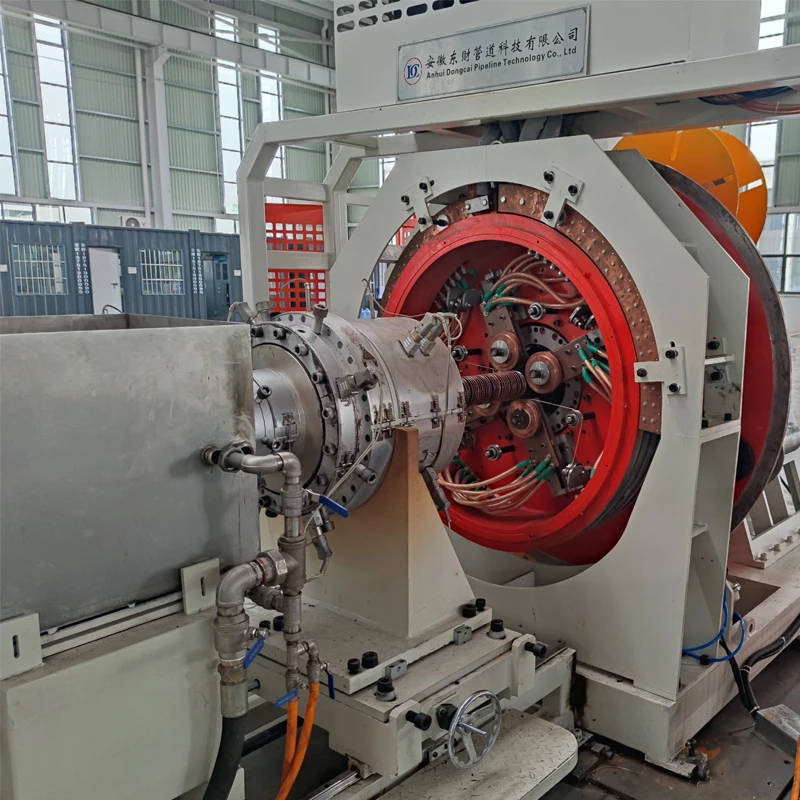
Product name: Fiber Filament Reinforced RTP Polyethylene Composite Pipe Production Line. Origin: No. 26 Huzhou Road, Nanqiao District, Chuzhou City, Anhui Province. The equipment targets mid-to-high pressure distribution: oil gathering, natural gas grids, produced water, brine injection, district heating, and chemical conveyance. Many customers say the payoff is reliability without the corrosion drama.
| Parameter | Typical Value (≈) |
|---|---|
| Pipe OD range | 50–400 mm (real-world use may vary) |
| Structure | PE liner + fiber wrap (glass/aramid) + PE outer sheath |
| Winding angle | ≈ 55° ± 5° helical |
| Line speed | 3–12 m/min depending on diameter |
| Control | PLC + closed-loop tension control |
| Heating zones | Multi-zone IR/hot-air consolidation |
| Design pressure class | Up to ~3.5–4.0 MPa typical; higher by custom design |
Process Flow (What actually happens)
- Materials: PE100/PE100-RC liner extrusion; high-tenacity glass or aramid fiber; tie-layer resins; UV-stabilized PE sheath.
- Surface prep: Corona or flame activation for adhesion (small detail, big impact).
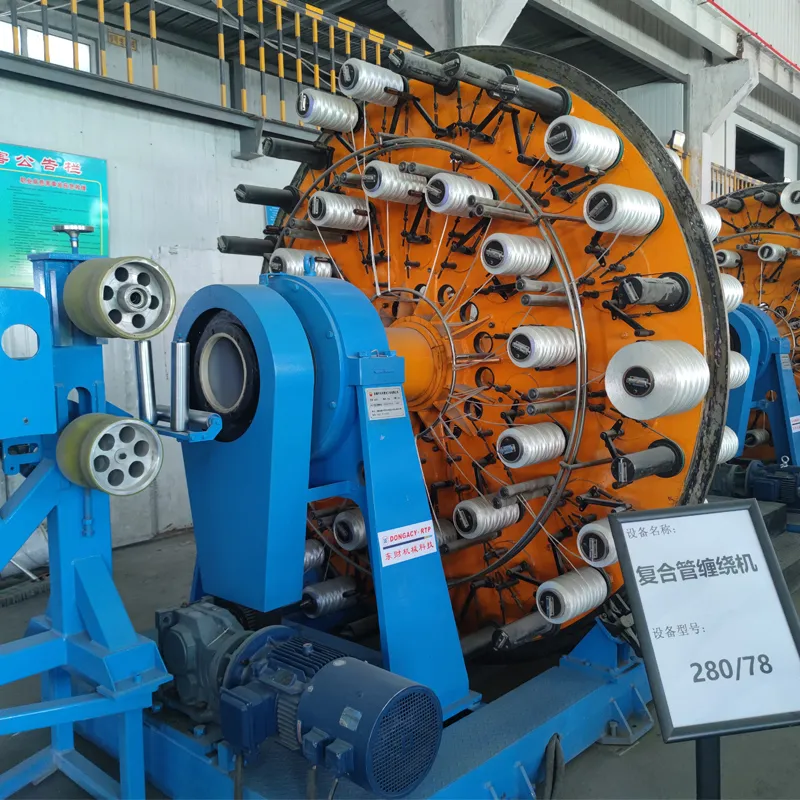
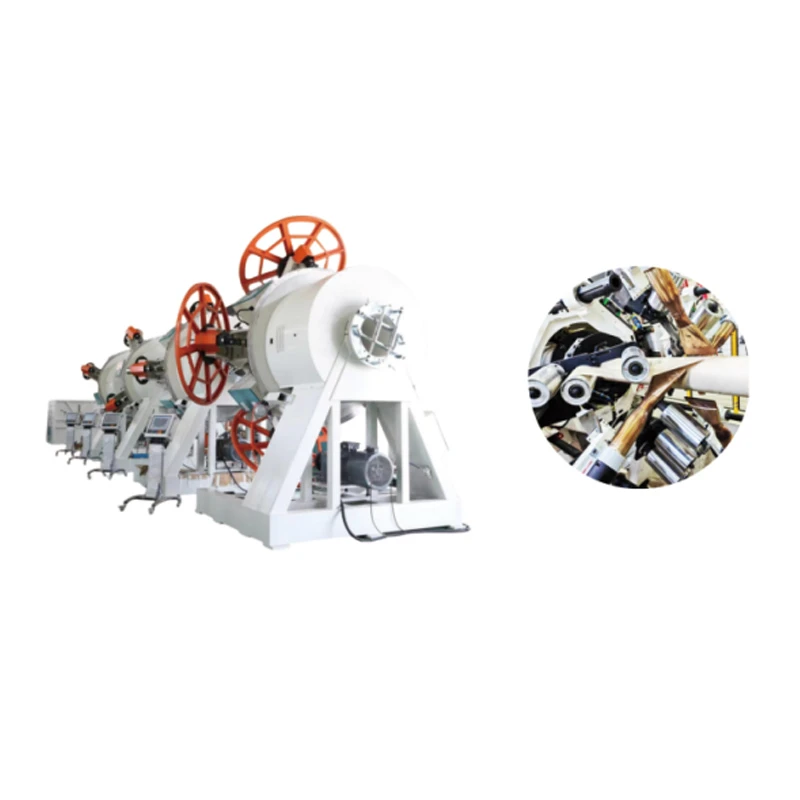
- Filament winding: Controlled tension, ± helical patterns for hoop/axial balance.
- Thermal consolidation: Multi-zone heating fuses layers without crushing the liner.
- Sheathing: Outer PE sheath for abrasion and UV resistance.
- Cooling and sizing: Vacuum calibration, roundness checks.
- Online NDT: Diameter, eccentricity, and spark testing on liners where specified.
Testing standards typically referenced: API 15S (spoolable RTP), ISO 1167 hydrostatic tests, ISO 9080 LTHS extrapolation, ASTM D1598/D1599 pressure tests, ISO 4427 for PE materials, and ISO 14692 practices for composite piping. Service life? Around 20–50 years depending on temperature, pressure class, and medium. I guess the conservative number holds up best in hot brine duty.
Where it’s used and why it wins
- Oil & Gas: Flowlines, water injection, CO2 handling (check permeation limits).
- Municipal: Potable and reclaimed water—no corrosion, lower lifecycle cost.
- Chemical plants: Many acids/alkalis friendly to PE; confirm compatibility matrix.
Advantages: corrosion-free, rapid spoolable install, fewer fittings, lighter transport. One client told me their crew cut install time by “about a third” on a desert project—sand wasn’t kind to steel, but the composite pipe production line product didn’t flinch.
Vendor snapshot (quick, honest compare)
| Criteria | Anhui Manufacturer (this line) | Vendor B | Vendor C |
|---|---|---|---|
| OD range | 50–400 mm | 63–315 mm | 75–450 mm |
| Fiber options | Glass / Aramid | Glass only | Glass / Carbon (add-on) |
| Line speed | 3–12 m/min | 2–8 m/min | 3–10 m/min |
| Controls | PLC + closed-loop tension | PLC basic | PLC + SCADA |
| Compliance support | API 15S / ISO 1167 pack | ISO 1167 | API 15S |
Customization and QC
- Custom winding angles for higher hoop strength or axial loads.
- Aramid upgrade for weight-sensitive or high-pressure service.
- On-line diameter/ovalization and spark testing; batch hydrotests to ISO 1167.
Recent factory data (sample set, 110 mm OD, 23°C): burst ≈ 6.8 MPa; 1,000-hr hydrostatic hold at 3.2 MPa pass; cyclic pressure 10,000 cycles at 0.5–2.5 MPa pass. Not a lab fairy tale—witnessed logs look consistent.
Case note
A shale-pad operator swapped corroded steel laterals for RTP from this composite pipe production line. Installation time dropped ≈30%, leaks went to zero over the first year (routine surveillance, nothing fancy). The maintenance chief said, “We stopped chasing rust—finally.”
Certifications and documentation
Typical package: ISO 9001 quality, ISO 14001 environmental, ISO 45001 safety; API 15S design file, ISO 1167/9080 reports, and material traceability certificates. Ask for third-party witnessing if your end user is strict—some are.
References
- API 15S: Spoolable Reinforced Thermoplastic Pipe Systems.
- ISO 1167: Thermoplastics pipes—Hydrostatic pressure tests.
- ISO 9080: Determination of LTHS of thermoplastics pipes.
- ASTM D1598/D1599: Sustained and burst pressure tests.
- ISO 4427: PE pipes for water supply—Materials/specifications.
- ISO 14692: GRP piping—Good practices for composites.
-
High Efficiency PE Extrusion Line Guide for Plastic ManufacturingNewsApr.16,2026
-
Guide to Choosing High Efficiency ppr pipe extrusion machineNewsApr.09,2026
-
Comprehensive Guide to Modern Pipe Production Line Technologies and OptimizationNewsApr.07,2026
-
Choosing the Right Extrusion Pipe Machine for Optimal Plastic Pipe ProductionNewsApr.04,2026
-
Comprehensive Guide to PPR Pipe Extrusion Line Technology and ApplicationsNewsMar.31,2026
-
Understanding the Functionality and Applications of a Pipe Extruder SystemNewsMar.28,2026
-
Comprehensive Guide to Pipe Extrusion Machine Technology and ApplicationsNewsMar.26,2026


