
Inside the Next-Gen Steel-Wire-Reinforced PE Pipes: What a Modern Composite Pipe Production Line Really Delivers
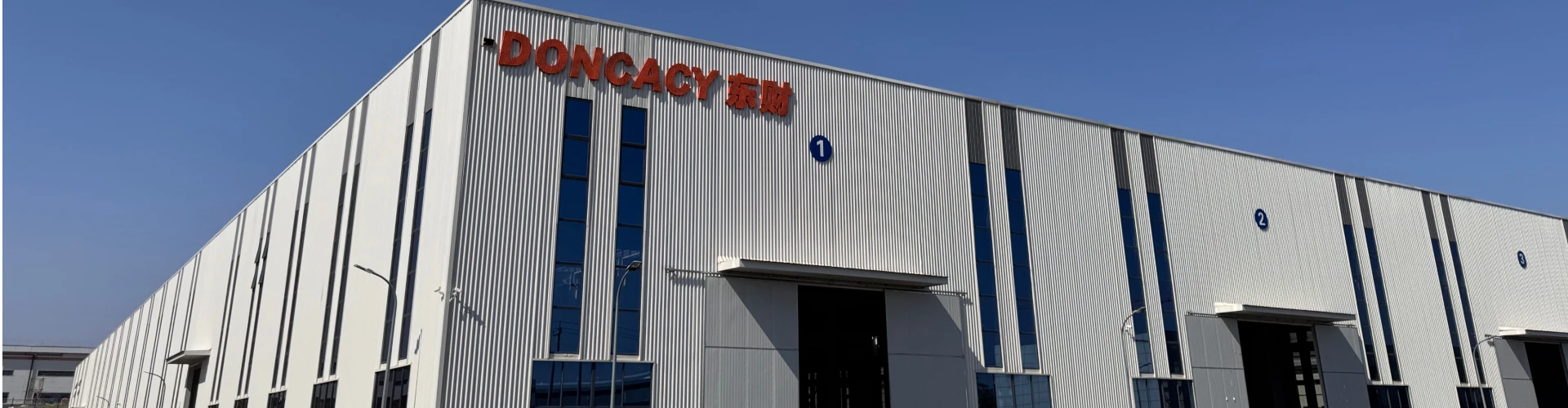
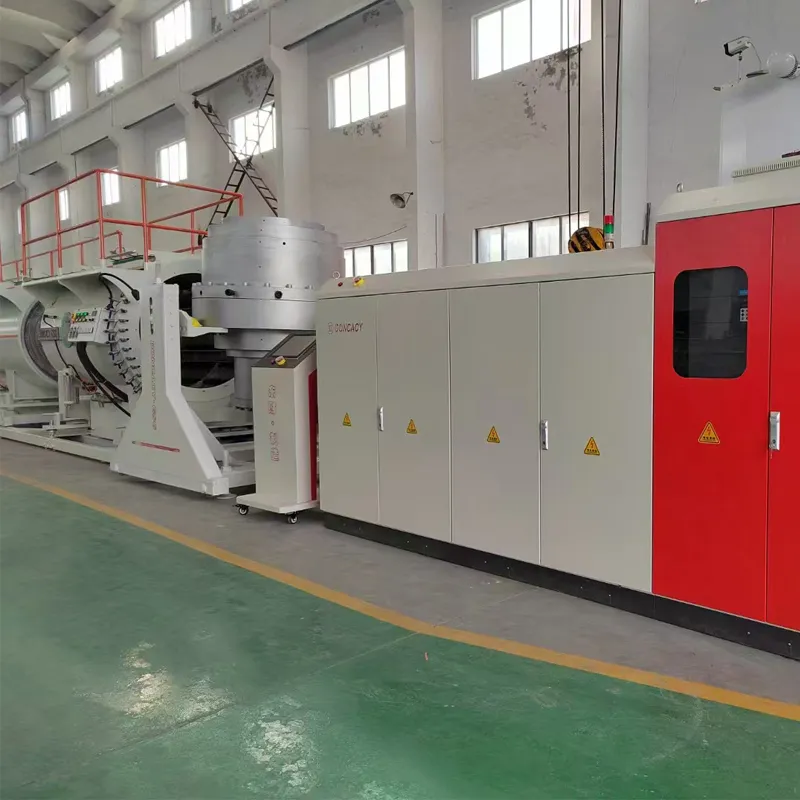
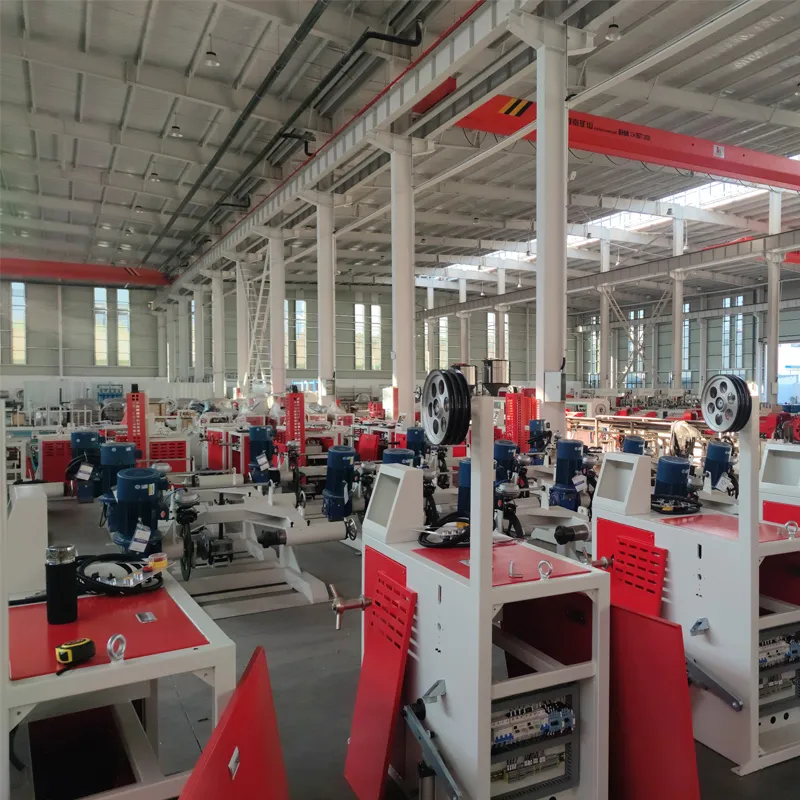
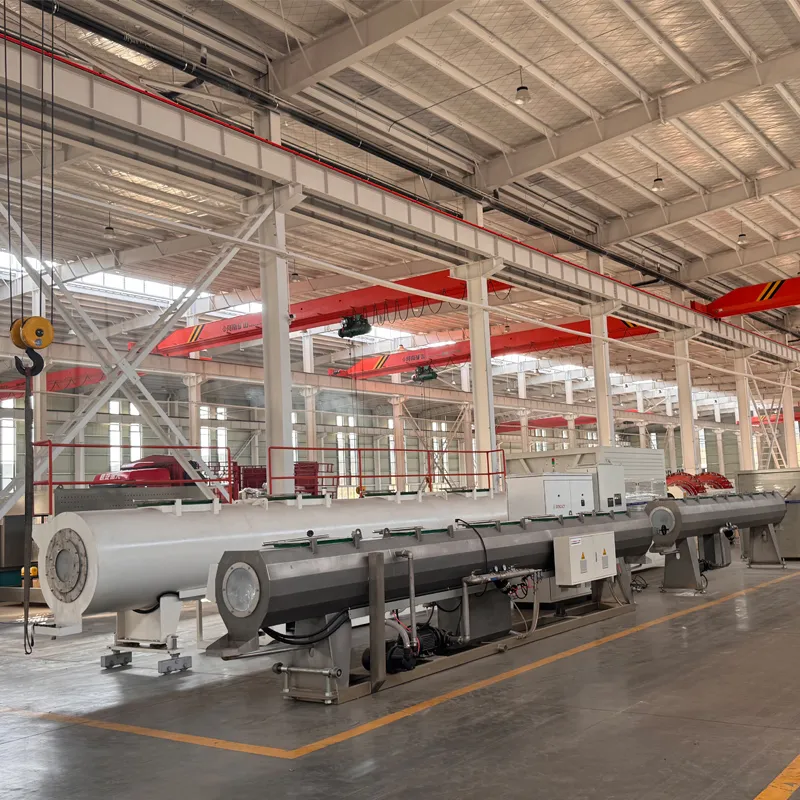
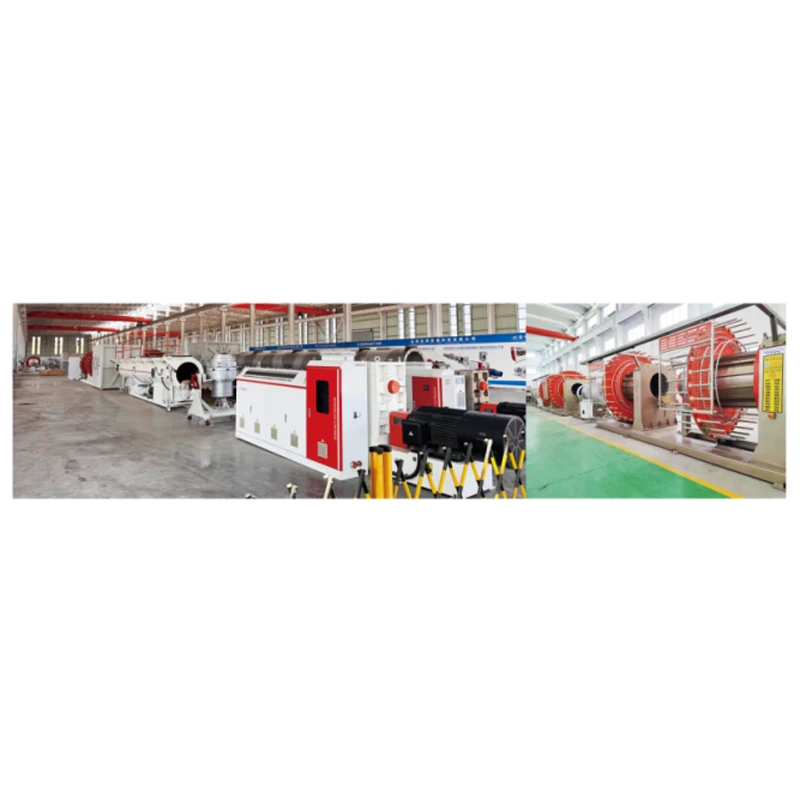
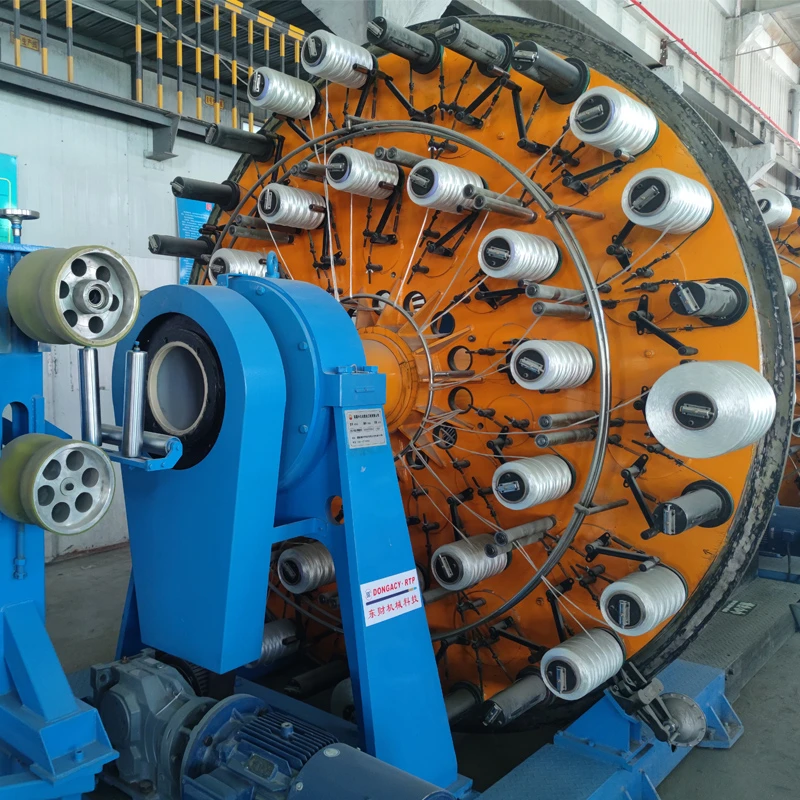
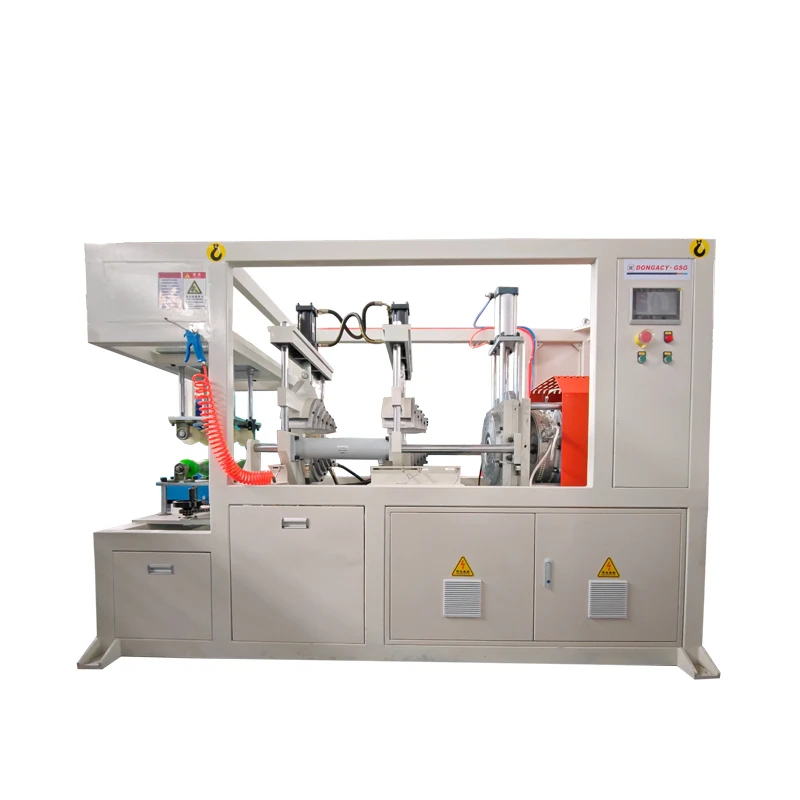
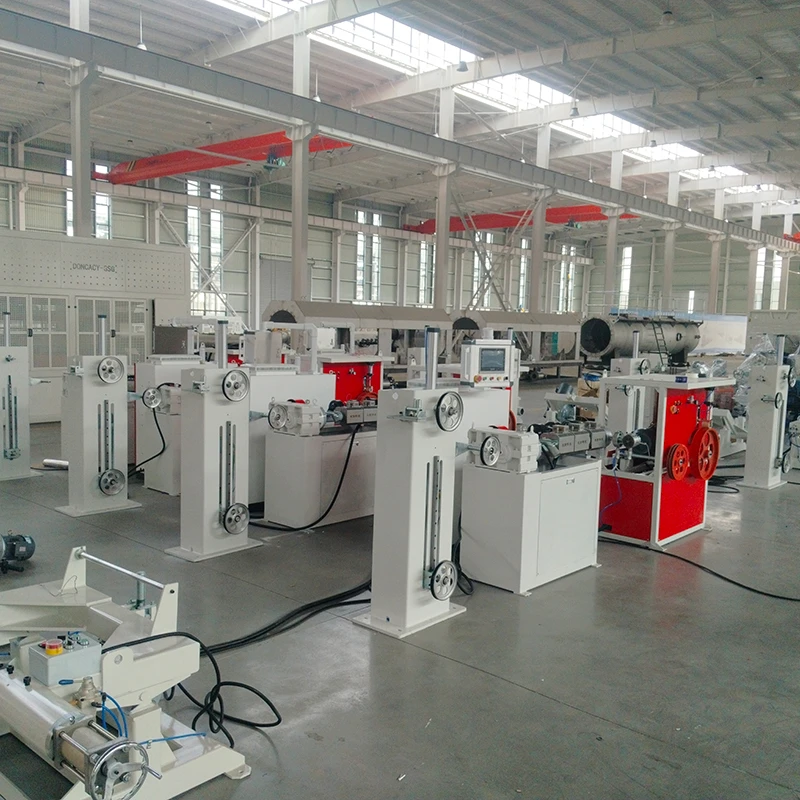
I’ve walked more than a few factory floors lately, and—honestly—the pace of innovation in steel wire mesh reinforced PE pipe is faster than many expect. The High Speed Steel Wire Mesh Skeleton Reinforced Polyethylene Composite Pipe Production Line I visited in Anhui felt like a well-choreographed play: quiet, precise, and surprisingly compact. Many customers say they’re done with ductile iron headaches; they want corrosion resistance, pressure performance, and predictable lifecycle cost. Same here—I get it.
Industry pulse and where this tech fits
Cities are upgrading pressure and non-pressure networks, from centralized water supply and central heating to underground cable protection. Steel-wire-mesh PE composites hit a sweet spot: lighter than steel, stiffer than plain PE, and friendlier to trenchless methods. In municipal and industrial engineering, the line’s outputs are landing in drainage, ventilation, petroleum, sanitary pipelines, pipe trenches, and even lighting conduits—odd pairing, I know, but it happens.
Process flow (what really matters)
- Materials: PE100 virgin resin; treated high-tensile steel wire; tie-layer adhesive resin for bond integrity.
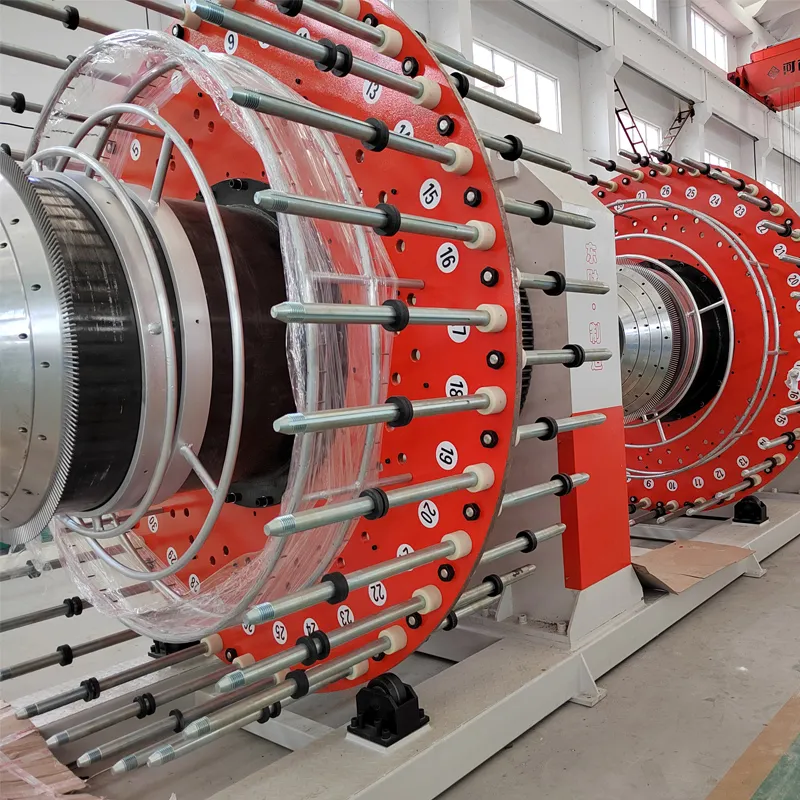
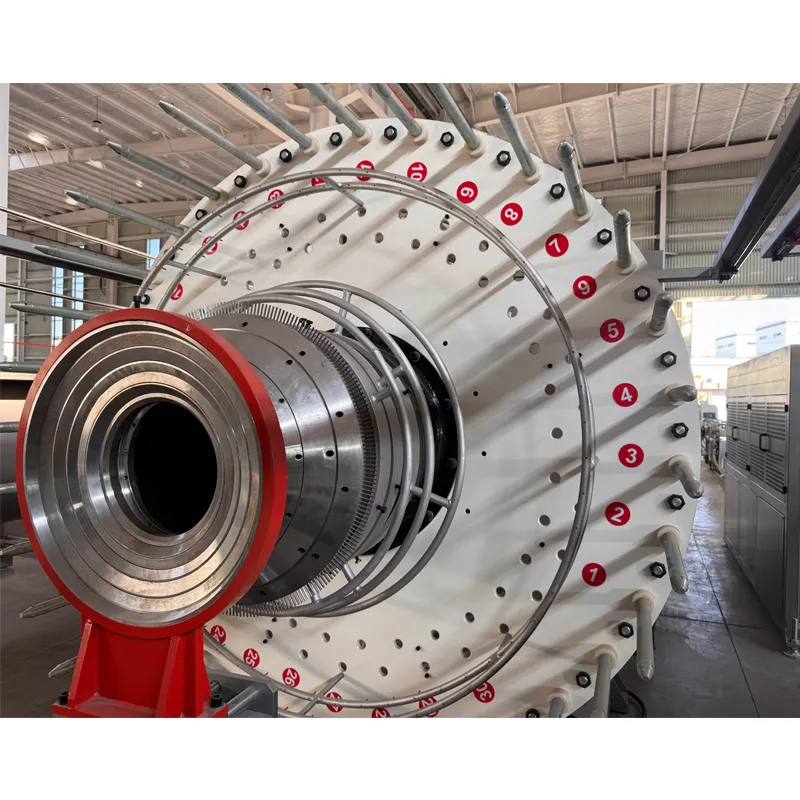
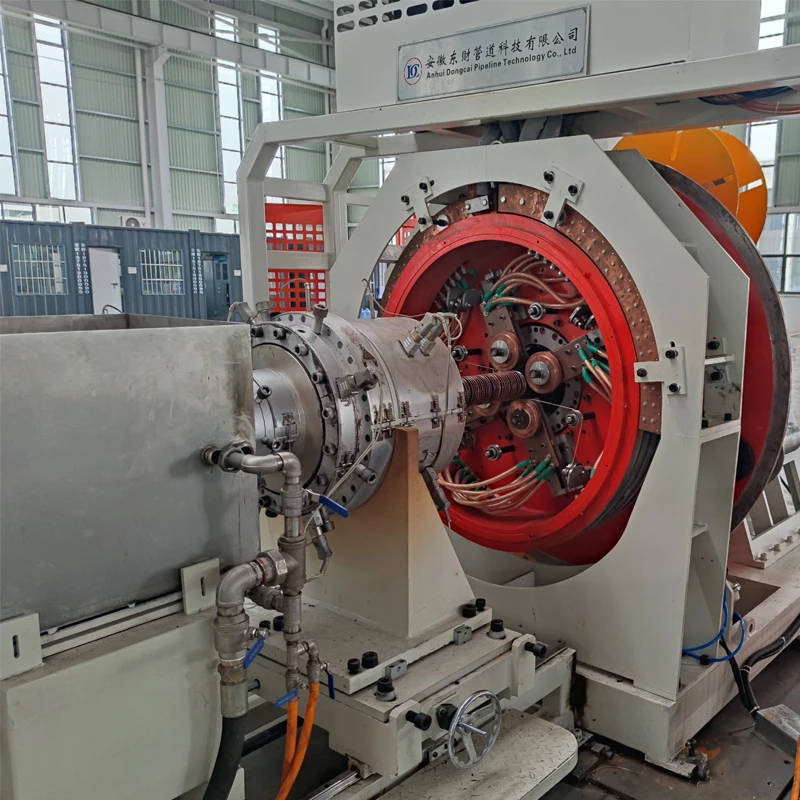
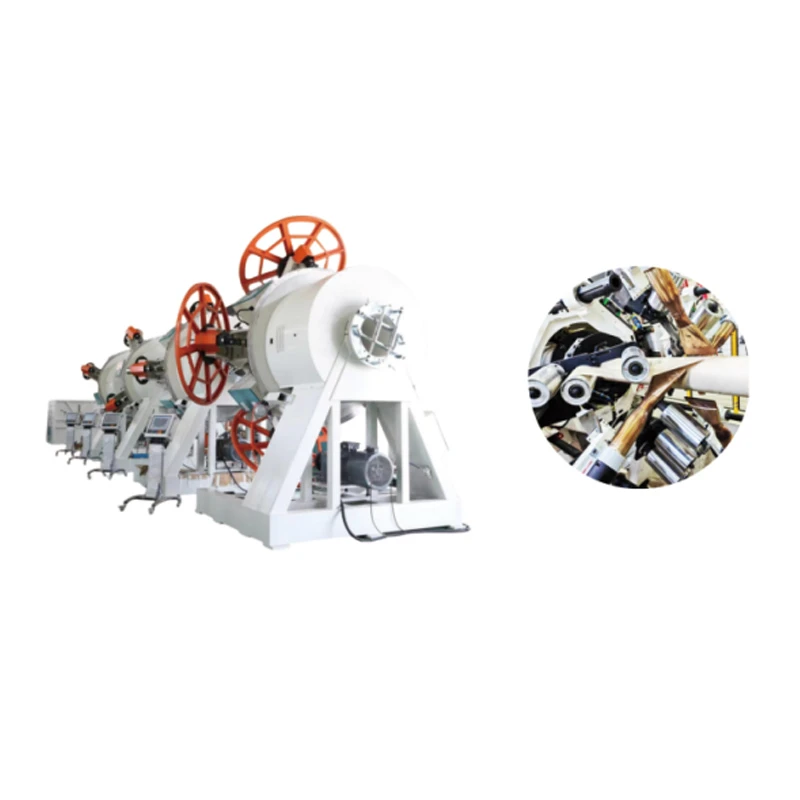
- Core method: steel wire mesh winding + multi-layer co-extrusion (inner PE layer / tie layer / mesh / tie layer / outer PE).
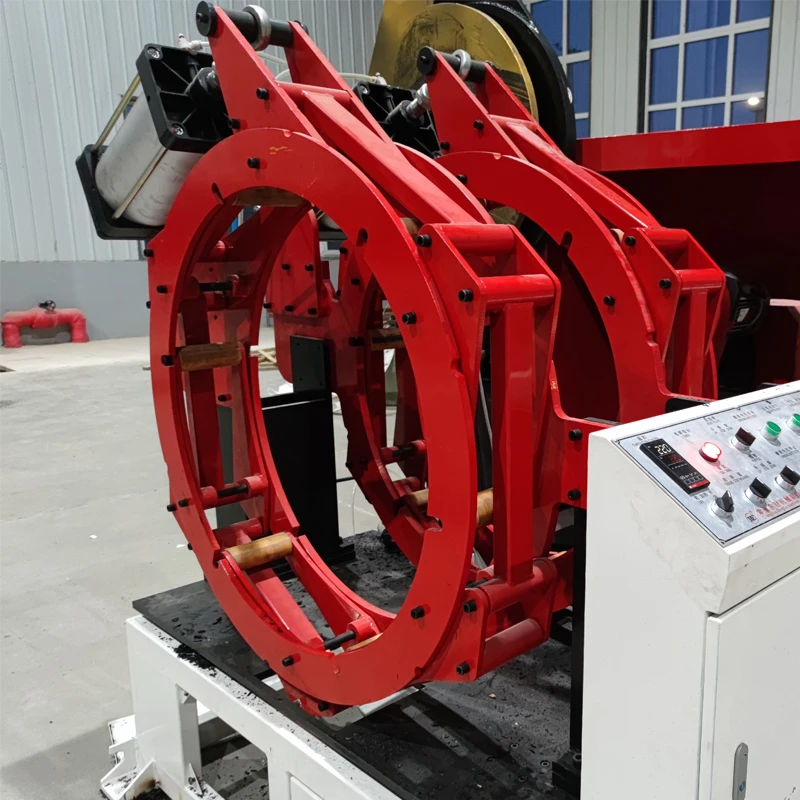
- Shaping & cooling: vacuum calibration tank, closed-loop water cooling, laser diameter monitoring.
- Downstream: haul-off, cutting or coiling, inkjet or laser marking with traceability.
- Testing inline: OD/ovalization control, spark test (if required for conduit), peel-strength sampling, hydrostatic proof testing by batch.
Technical specs (typical configuration)
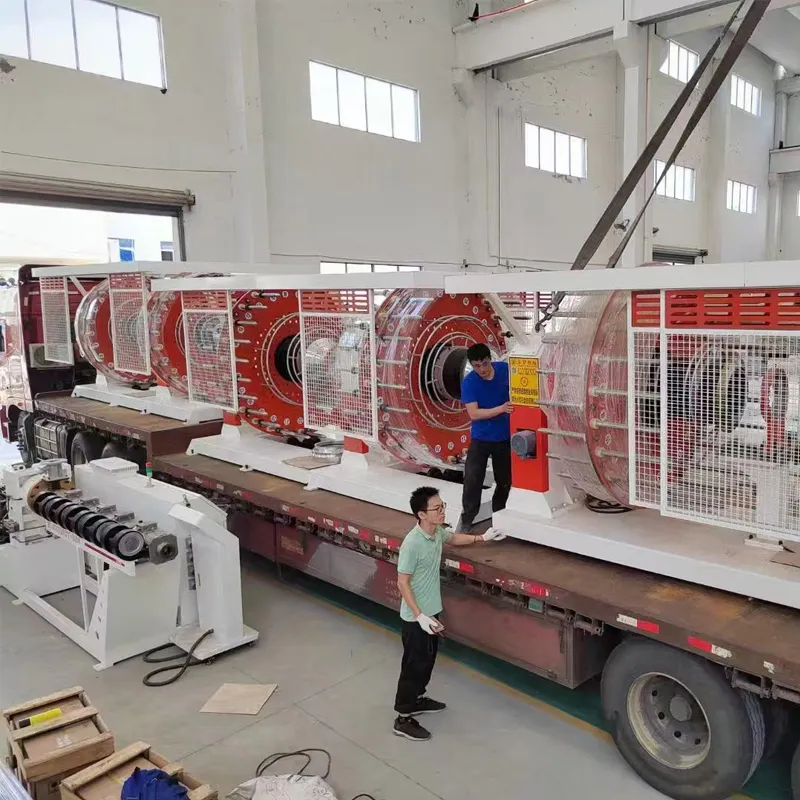
| Model | High Speed Steel Wire Mesh Skeleton Reinforced Polyethylene Composite Pipe Production Line |
| Pipe OD range | DN50–DN630 (custom up to ≈ DN800) |
| Line speed | Up to ≈ 0.6–1.2 m/min (size-dependent) |
| Extruders | Co-extrusion (main + tie-layer), servo mesh-winding unit |
| Control | PLC + HMI, data logging, safety interlocks, recipe storage |
| Power use | ≈ 180–280 kW installed (real-world use may vary) |
| Pipe pressure class | Up to PN16–PN20 (application/standard dependent) |
| Bond/peel strength | ≥ 30–60 N/cm (typical lab results) |
Applications, lifetime, and quality checks
Use cases: municipal water, central heating mains, process water, sanitary sewer, cable protection, ventilation and special drainage corridors. Service life is designed for 50 years under ISO 9080 extrapolation assumptions. Batch testing usually includes hydrostatic tests (ASTM D1598/D1599), ring stiffness (SN8–SN16 typical), impact, and peel-strength between the mesh and PE. One operator showed me 1000 h at 20°C, 1.6 MPa with no failure—solid.
Customer note: “We switched from DI to mesh-reinforced PE on our industrial park loop. To be honest, the welding speed and lighter handling cut our install time by nearly a third,” said a site manager in Shandong (anecdotal but believable).
Vendors: who does what (quick take)
| Vendor | Strengths | Lead Time | Certs | Budget (≈) |
|---|---|---|---|---|
| Anhui DC Machinery (No. 26 Huzhou Rd, Nanqiao, Chuzhou) | High automation PLC, strong tie-layer control, municipal use cases | 6–10 weeks | ISO 9001, CE (line), material reports | Mid-range |
| European Brand A | Advanced MES, high energy efficiency | 12–20 weeks | ISO 9001/14001, CE | High |
| Local Integrator B | Cost-sensitive, quick service | 4–8 weeks | ISO 9001 (varies) | Low–Mid |
Compliance, data, and customization
- Standards: ISO 4427 (PE water), ISO 9080 (LTHS), ASTM D1598/D1599 (pressure), GB/T 32439 (steel-mesh PE composite), AWWA C906 (where applicable).
- Certifications: ISO 9001 for QA; optional CE for machinery; drinking-water contact per GB/T 17219 or local equivalents.
- Customization: OD range, mesh wire gauge and angle, tie-layer resin, multi-reel coiling, SCADA/MES links, energy-optimized barrel heaters.
Mini case notes
• Municipal ring main, PN16, DN400: trenchless pull-in, two-night window; installers reported around 28% time saving vs DI. • Petrochemical utility corridor: cable protection and drainage in one pass, fewer joints, fewer permits. It seems that the bond quality is the unsung hero—get that right and the rest is smooth sailing.
References
- ISO 4427-1:2019 Polyethylene (PE) pipes for water supply.
- ISO 9080:2012 Determination of long-term hydrostatic strength of thermoplastics.
- ASTM D1598/D1599 Hydrostatic/Burst testing of plastics pipe.
- GB/T 32439-2015 Steel mesh skeleton polyethylene composite pipes for water supply.
- AWWA C906-21 Polyethylene pressure pipe for water and wastewater.
- GB/T 17219 Hygienic evaluation standard for equipment and protective materials for drinking water.
-
High Efficiency PE Extrusion Line Guide for Plastic ManufacturingNewsApr.16,2026
-
High Speed Steel Wire Mesh HDPE Composite Pipe Production Line - Anhui Dongchai|High Automation&Energy EfficiencyNewsApr.13,2026
-
High Speed Steel Wire Mesh HDPE Composite Pipe Production Line - Anhui Dongchai|High Automation&Energy EfficiencyNewsApr.13,2026
-
Guide to Choosing High Efficiency ppr pipe extrusion machineNewsApr.09,2026
-
Comprehensive Guide to Modern Pipe Production Line Technologies and OptimizationNewsApr.07,2026
-
Choosing the Right Extrusion Pipe Machine for Optimal Plastic Pipe ProductionNewsApr.04,2026
-
Comprehensive Guide to PPR Pipe Extrusion Line Technology and ApplicationsNewsMar.31,2026


