
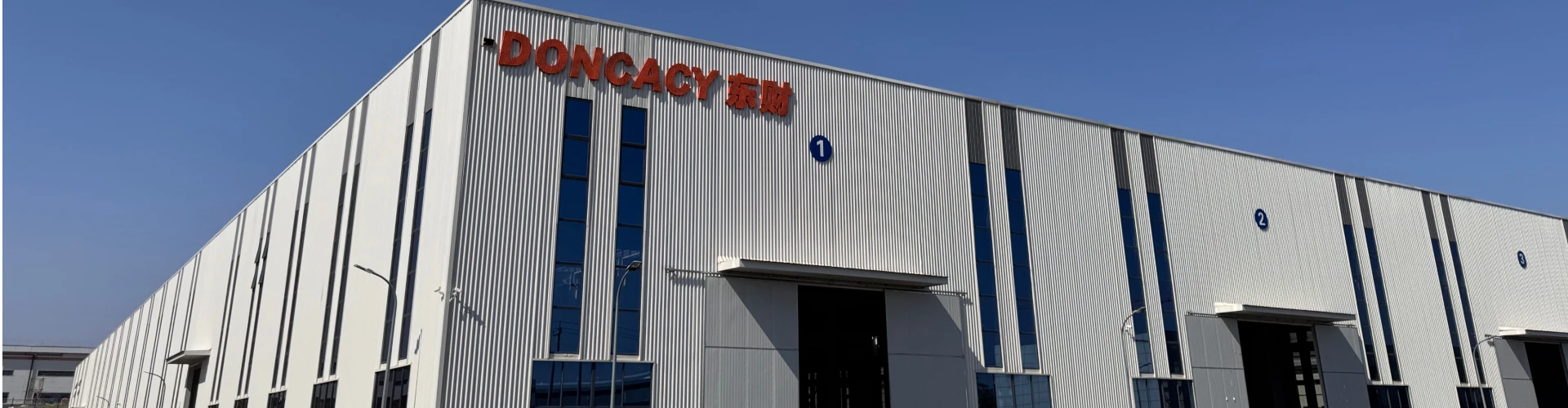
Steel Skeleton Reinforced Polyethylene Composite Pipe Production Line
If you’ve been around pressure pipe projects lately, you’ve probably heard the hum about SRPE—steel skeleton inside, HDPE outside. It sounds niche, but the impact is big. I’ve walked a few factories where the smell of hot PE meets the crisp click of steel mesh welding, and, to be honest, this tech has matured fast. Many customers say the move from plain PE to SRPE solved the “stiffness versus weight” headache without ballooning costs.
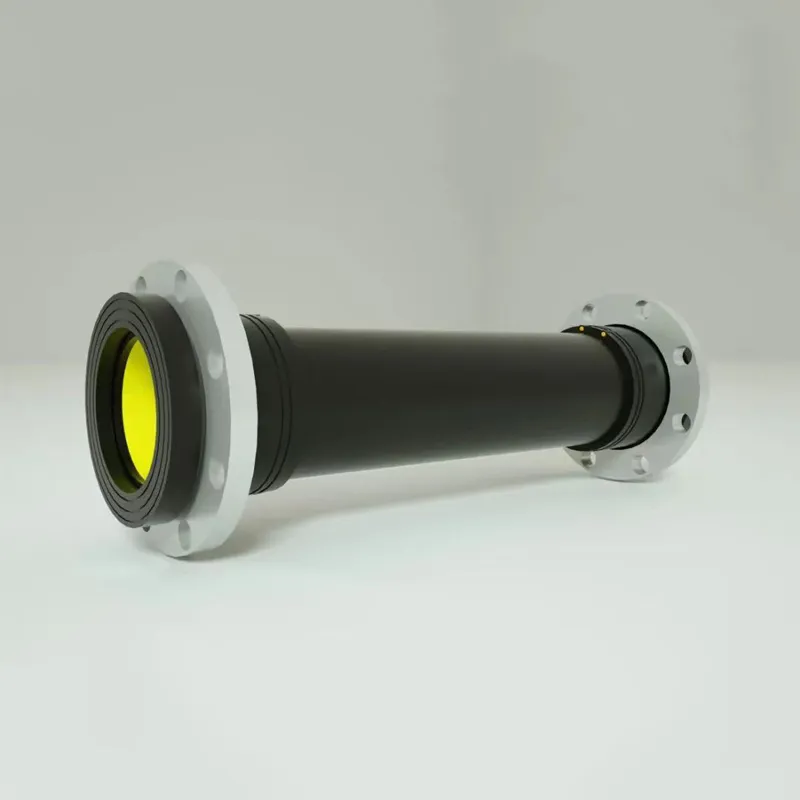
Industry snapshot—why SRPE is having a moment
- Urban water upgrades are pushing for higher ring-stiffness with corrosion immunity.
- Oilfield and mine operators want lighter spools with fewer joints; SRPE ticks both boxes.
- Procurement teams increasingly ask for ISO/ASTM/CJ-T compliant lines out of the gate.
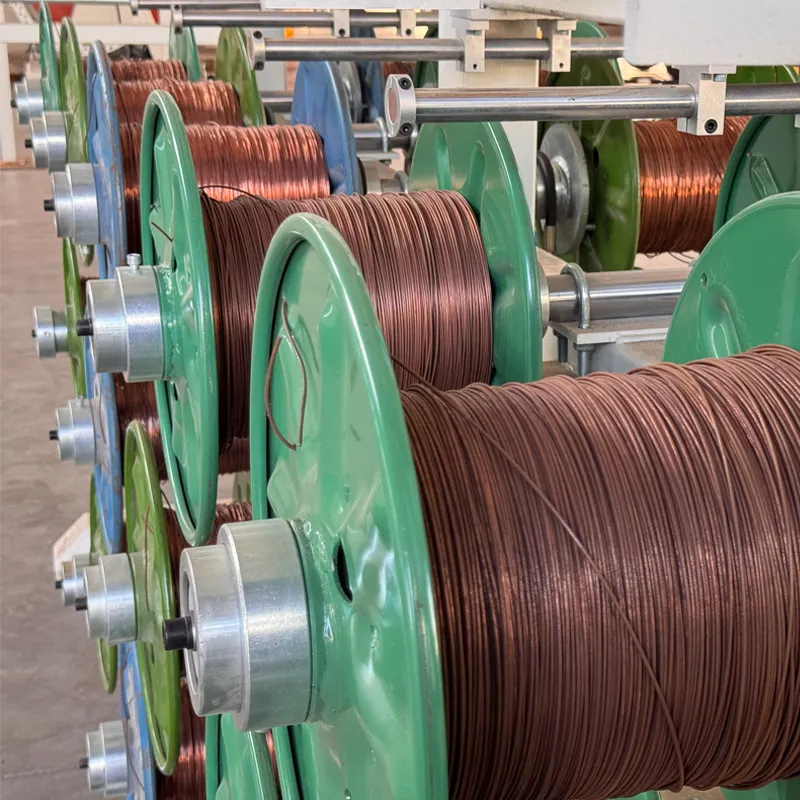
How the line works (short version)
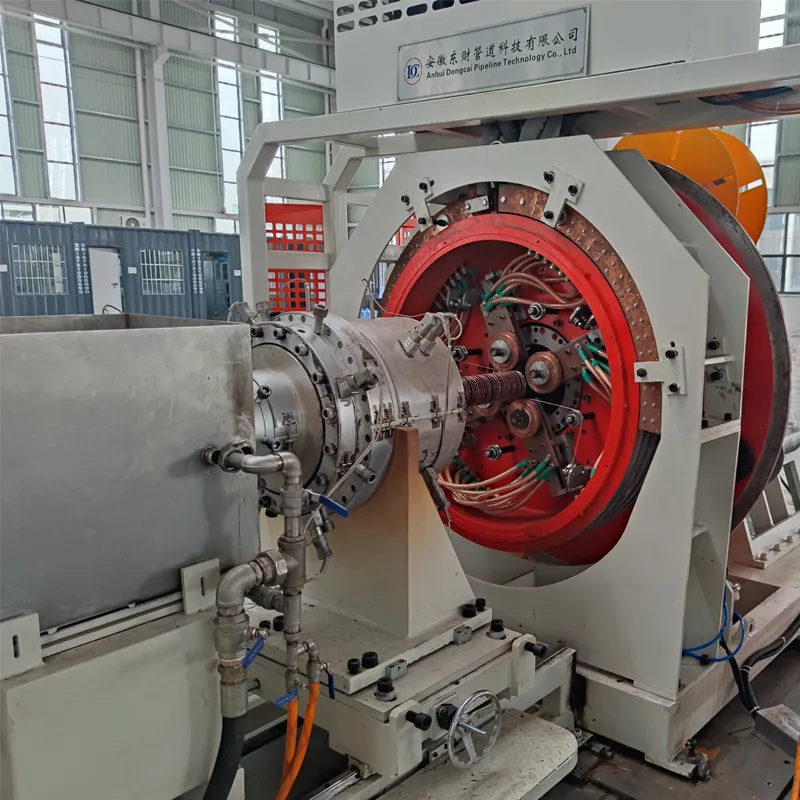
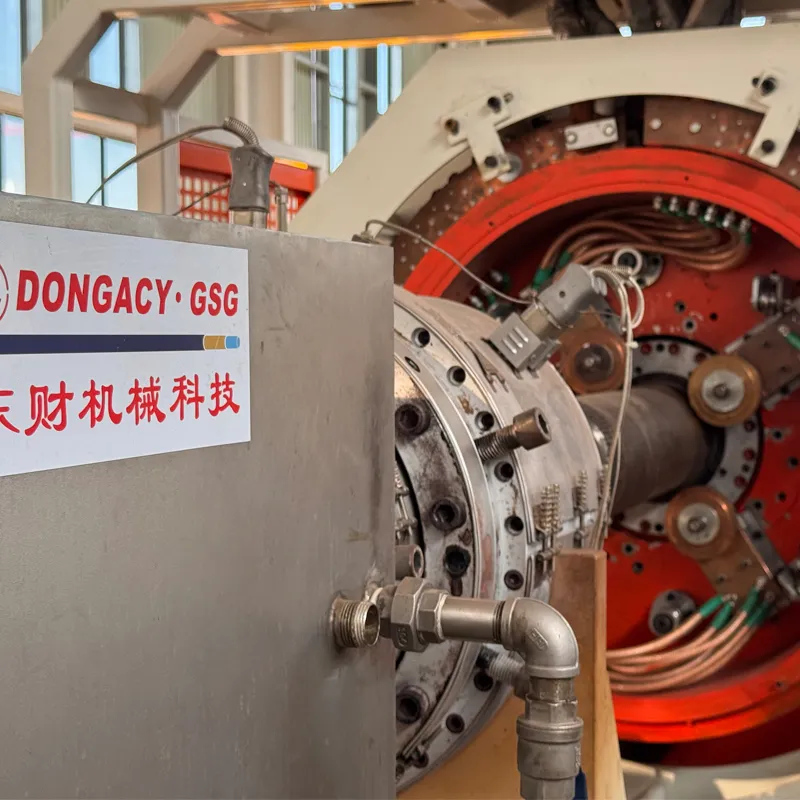
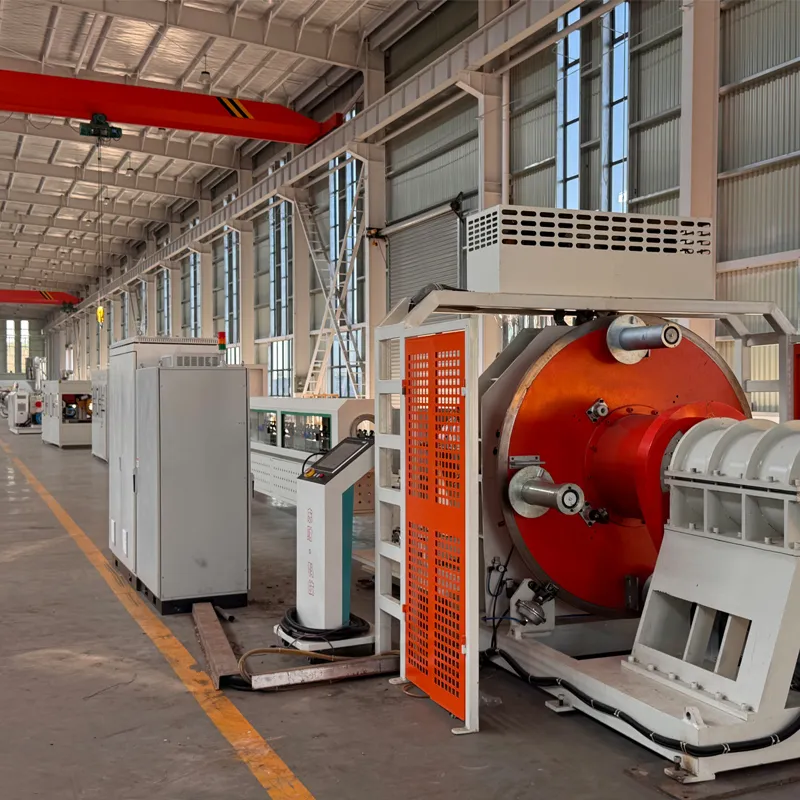
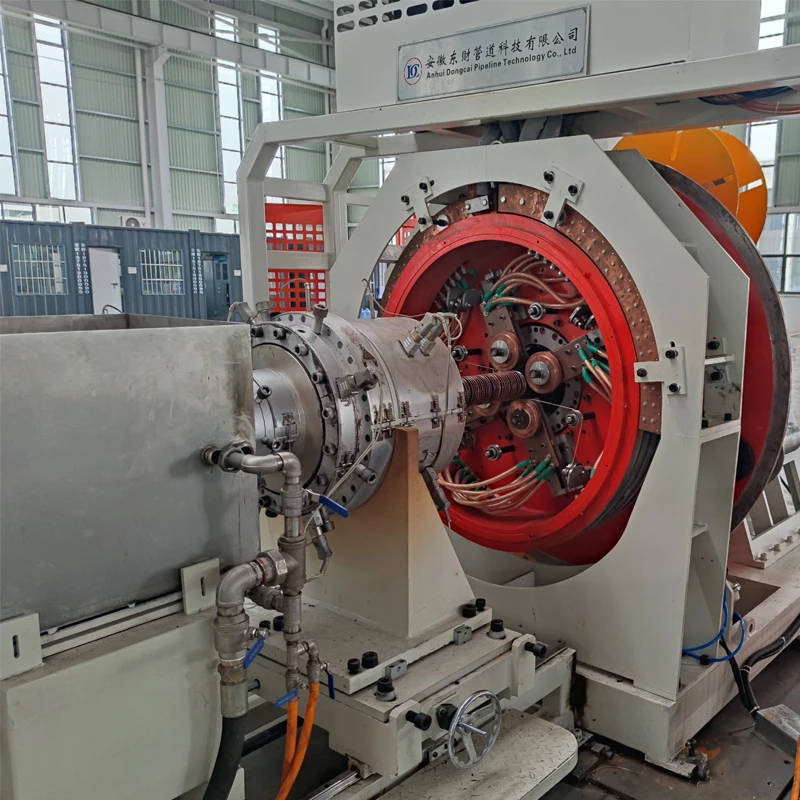
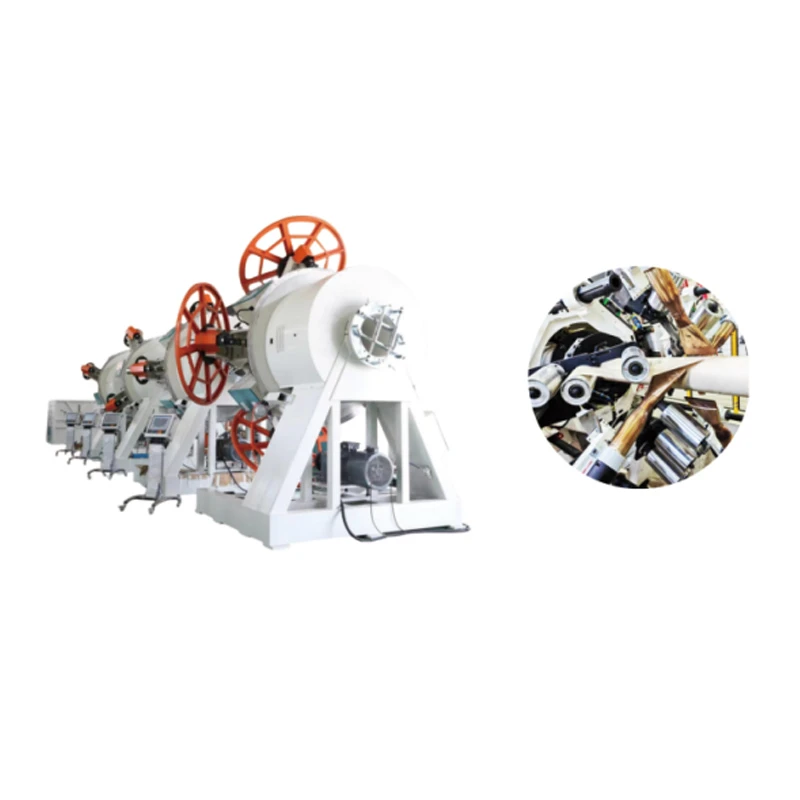
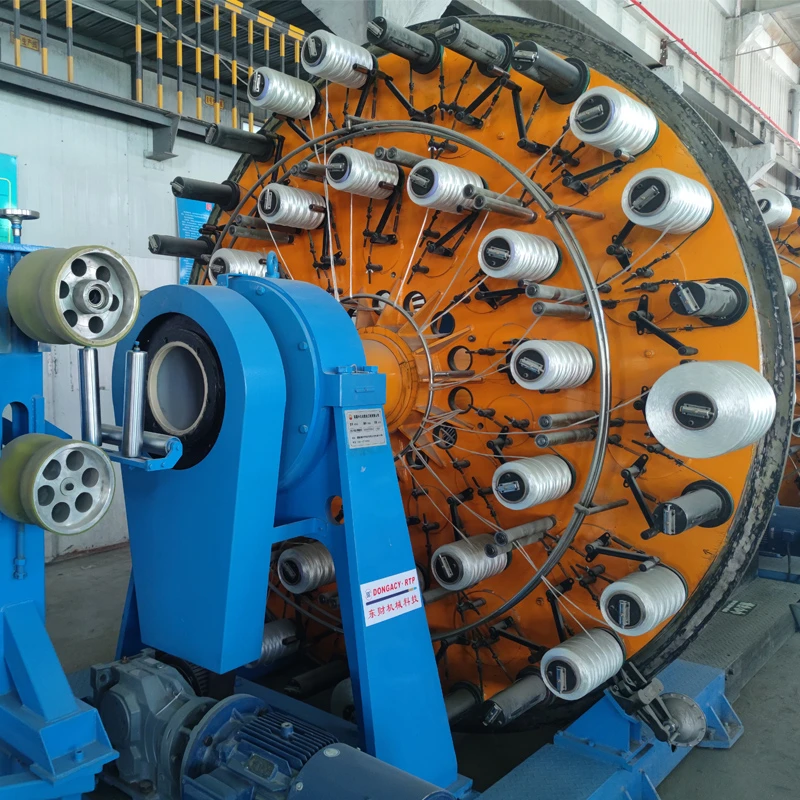
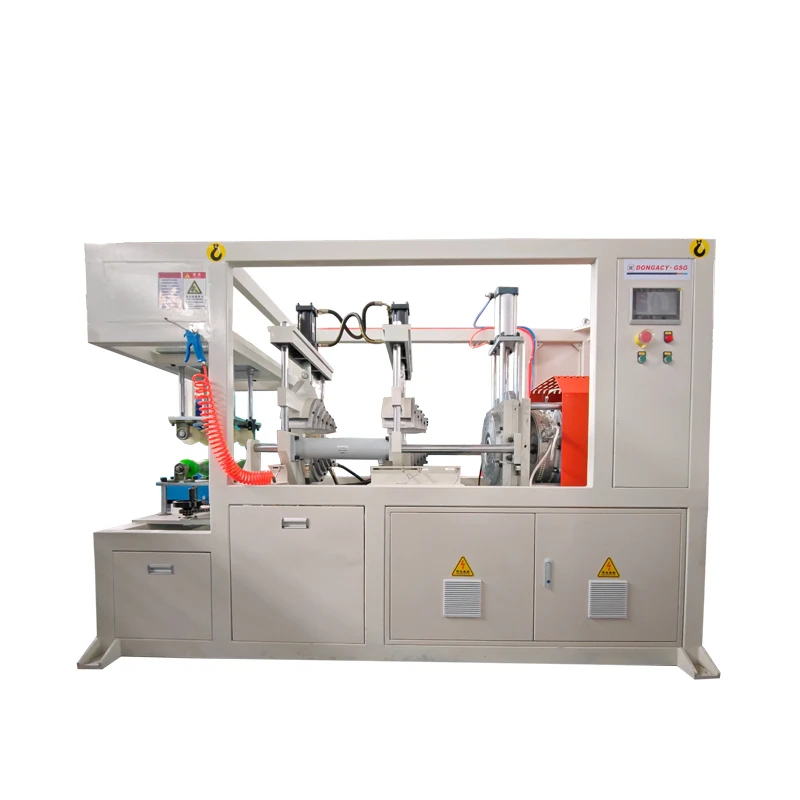
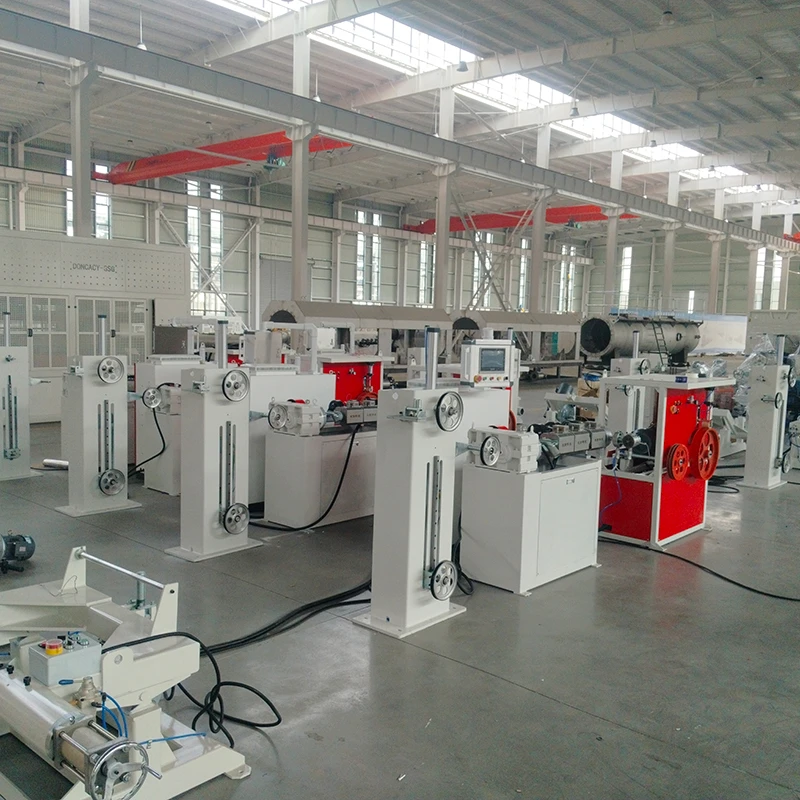
The SRPE line builds a reticulated steel skeleton, then bonds it with HDPE in continuous extrusion. Here’s the practical flow I’ve seen on shop floors:
- Steel wire payoff → cleaning → tension control.
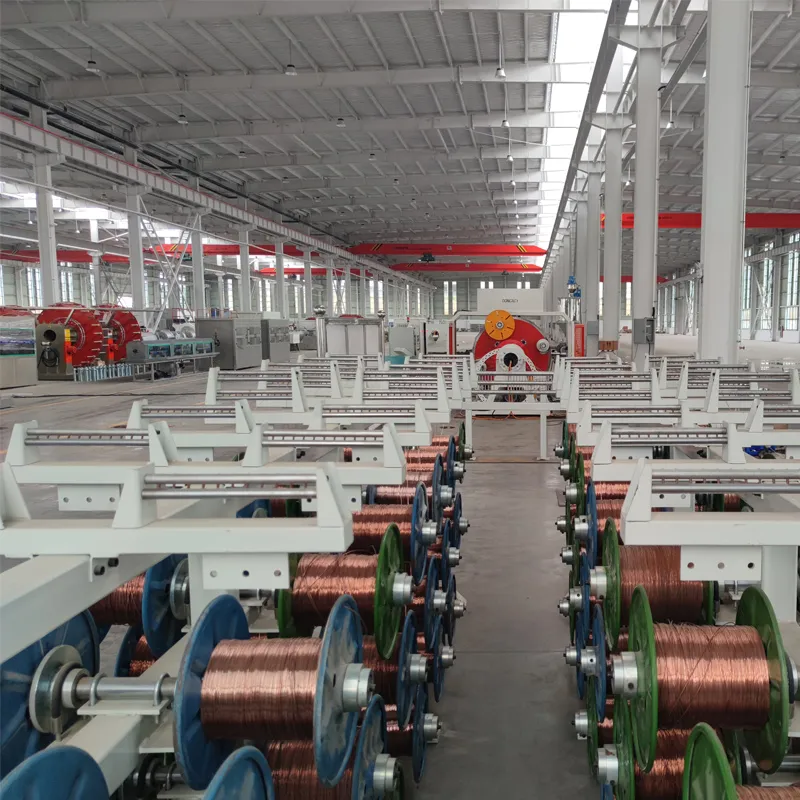
- Reticulated skeleton winding and precision welding (continuous seam).
- HDPE drying → high-output single-screw extrusion (inner layer).
- In-situ compounding with the steel cage, then outer PE sheath co-extrusion.
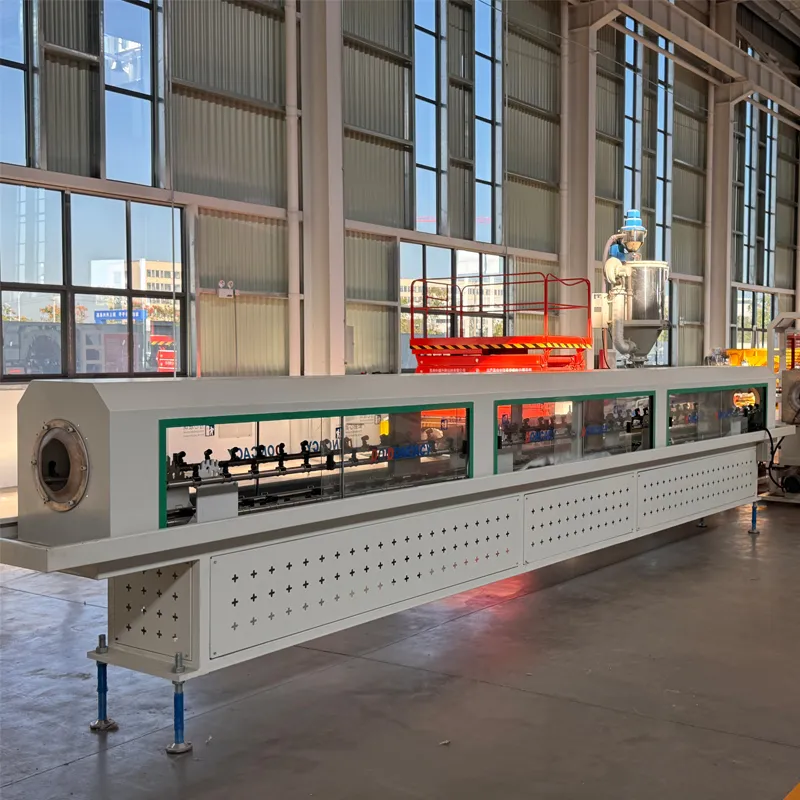
- Vacuum calibration, multi-stage cooling, haul-off, cut-to-length or coiler.
- Socket forming (as needed), marking, and online NDT checks.
Testing standards in real plants: ISO 1167 hydrostatic, ISO 9969 ring stiffness, CJ/T 189 adhesion/peel, ISO 3127 impact. Service life often targets 50 years at 20°C for rated pressure—real-world use may vary with temperature and media.
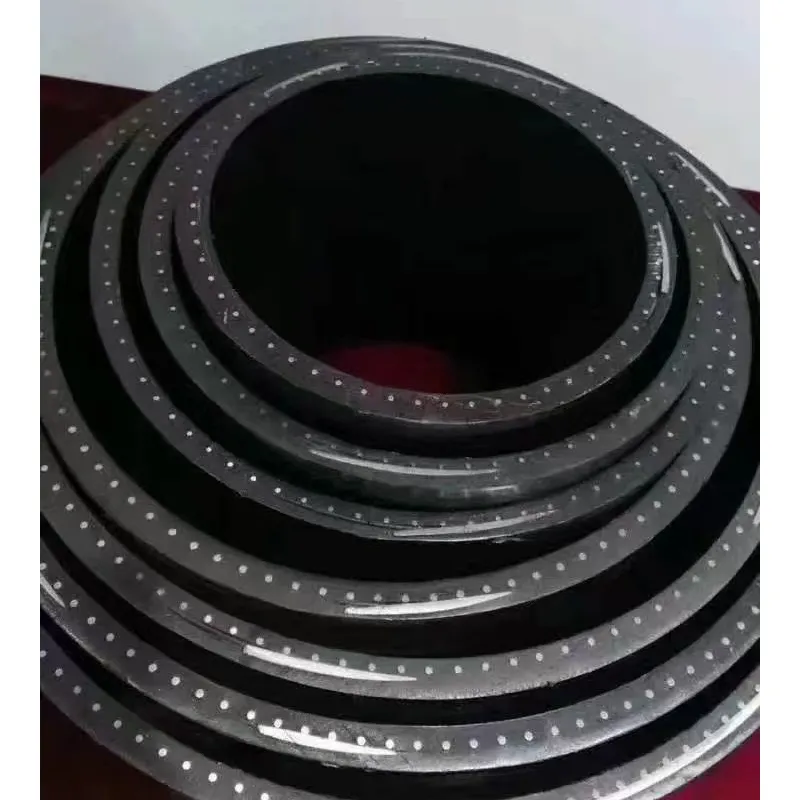
Key specs (typical SRPE line)
| Pipe OD range | DN160–DN1200 (custom up to ≈DN1400) | Real capacity depends on cage module |
| Pressure class | PN 1.0–2.5 MPa at 20°C | Design per ISO 4427/CJ-T 189 |
| Line speed | ≈0.3–1.2 m/min | Diameter-dependent |
| Extrusion | High-output single screw for PE100 | Co-extrusion inner/outer layers |
| Control | PLC + HMI, closed-loop haul-off | Recipe memory, alarm logs |
Where it’s used
- Municipal water and sewer trunk lines, long runs with fewer joints.
- Oilfield water injection and produced-water transfer (corrosion-prone media).
- Mine dewatering, chemical plant utilities, seawater intake/outfall.
Field feedback: “Stiffer than PE, still easy to handle.” Impact resistance is strong; ring stiffness often ≥8 kN/m² for larger diameters, and hydrostatic tests at 1.25×PN for 100 h pass consistently on recent runs (my notes from factory FATs).
Why this Composite Pipe Production Line stands out
- Steel skeleton gives high hoop strength without sacrificing corrosion immunity.
- Continuous winding and welding means uniform structure—fewer weak points.
- Lower weight than steel; easier logistics, smaller cranes.
Customization: cage pitch and wire gauge, multi-layer co-extrusion, automatic socketing, inline ultrasonic thickness gauges, recipe locking, bilingual HMI—pick your poison.
Vendor landscape (quick read)
| Vendor | Core tech | Certifications | Lead time | After-sales |
| Anhui Dingcheng (No. 26 Huzhou Rd, Nanqiao, Chuzhou, Anhui) | Reticulated cage + co-extrusion | ISO 9001, CE (machine) | ≈60–90 days | Onsite start-up, remote PLC |
| Vendor B (General extruder maker) | Standard cage + PE extruders | ISO 9001 | ≈90–120 days | Basic commissioning |
| Vendor C (Budget OEM) | Entry-level winding + PE | — | ≈120+ days | Email support |
Case notes from the field
- Municipal water, coastal city: DN800 PN1.6 MPa, leak rate ≈0 during 24 h pressure hold; ring-stiffness better than spec by ~10%.
- Mine dewatering: 4 km run, fewer supports due to higher stiffness; crew reported 20–25% faster install than prior PE.
- Chemical plant retrofit: SRPE replaced corroded carbon steel; six-month follow-up showed no blistering or delamination.
QA, compliance, and documents you’ll want
Ask for: ISO 1167 hydrostatic curves, ISO 9969 ring-stiffness data, CJ/T 189 adhesion/peel charts, material COAs for PE100, and weld traceability. For exports, CE for machinery and conformity to ISO 4427, ASTM F714/AWWA C906 for pipe dimensions and performance (where applicable).
Final thought: if you’re upgrading to a Composite Pipe Production Line for high-stiffness, corrosion-safe networks, SRPE is a smart middle path—steel where it counts, polyethylene everywhere else.
Authoritative citations
- ISO 4427: Polyethylene (PE) pipes for water supply.
- ASTM F714: Standard Specification for PE Plastic Pipe (SDR-PR) Based on OD.
- AWWA C906: Polyethylene (PE) Pressure Pipe and Fittings, 4 in. through 65 in.
- ISO 1167: Thermoplastics pipes—Hydrostatic pressure tests.
- ISO 9969: Thermoplastics pipes—Determination of ring stiffness; CJ/T 189 (Steel mesh reinforced PE composite pipe) city-industry standard, China.
-
High Efficiency PE Extrusion Line Guide for Plastic ManufacturingNewsApr.16,2026
-
High Speed Steel Wire Mesh HDPE Composite Pipe Production Line - Anhui Dongchai|High Automation&Energy EfficiencyNewsApr.13,2026
-
High Speed Steel Wire Mesh HDPE Composite Pipe Production Line - Anhui Dongchai|High Automation&Energy EfficiencyNewsApr.13,2026
-
Guide to Choosing High Efficiency ppr pipe extrusion machineNewsApr.09,2026
-
Comprehensive Guide to Modern Pipe Production Line Technologies and OptimizationNewsApr.07,2026
-
Choosing the Right Extrusion Pipe Machine for Optimal Plastic Pipe ProductionNewsApr.04,2026
-
Comprehensive Guide to PPR Pipe Extrusion Line Technology and ApplicationsNewsMar.31,2026


