
Navigating the Market: Understanding hdpe machine price for Advanced Pipe Production
The global demand for high-performance piping solutions continues its upward trajectory, driven by infrastructure development, industrial expansion, and the need for robust, long-lasting materials. In this evolving landscape, High-Density Polyethylene (HDPE) pipes, particularly multi-layer steel wire mesh skeleton reinforced composite pipes, have emerged as a superior choice, offering exceptional strength, durability, and corrosion resistance. Consequently, understanding the hdpe machine price for the advanced production lines that manufacture these pipes is crucial for B2B decision-makers and engineering professionals. Investment in a state-of-the-art composite pipe production line signifies a strategic move towards efficiency, enhanced product quality, and competitive market positioning.
Industry trends indicate a significant shift towards integrated, high-speed production systems capable of manufacturing complex multi-layer structures. This trend is fueled by stringent performance requirements in various sectors, demanding pipes with higher pressure ratings, improved abrasion resistance, and extended service life. The Brand-new High Speed Multi Layer Steel Wire Mesh Skeleton Reinforced Polyethylene Composite Pipe Production Line represents a pinnacle of this technological advancement, designed to meet these exact specifications with unparalleled efficiency and precision.
Precision Engineering: The Manufacturing Process of Advanced Composite Pipes
The manufacturing process for steel wire mesh skeleton reinforced polyethylene composite pipes, enabled by a sophisticated hdpe machine price-optimized production line, involves several critical stages, each demanding precision engineering and stringent quality control. This process ensures the creation of pipes that deliver superior structural integrity and performance characteristics.
Process Flow Overview:
- Material Preparation: High-quality HDPE resin pellets are conveyed to gravimetric dosing units to ensure precise compounding. Steel wire coils, typically high-strength carbon steel, are loaded into decoilers. Adhesive resin is also prepared for bonding layers.
- Inner Layer Extrusion: The primary HDPE extruder melts and homogenizes the HDPE resin, which is then fed into a specialized die head to form the inner layer of the pipe. This layer provides a smooth surface for fluid flow and chemical resistance.
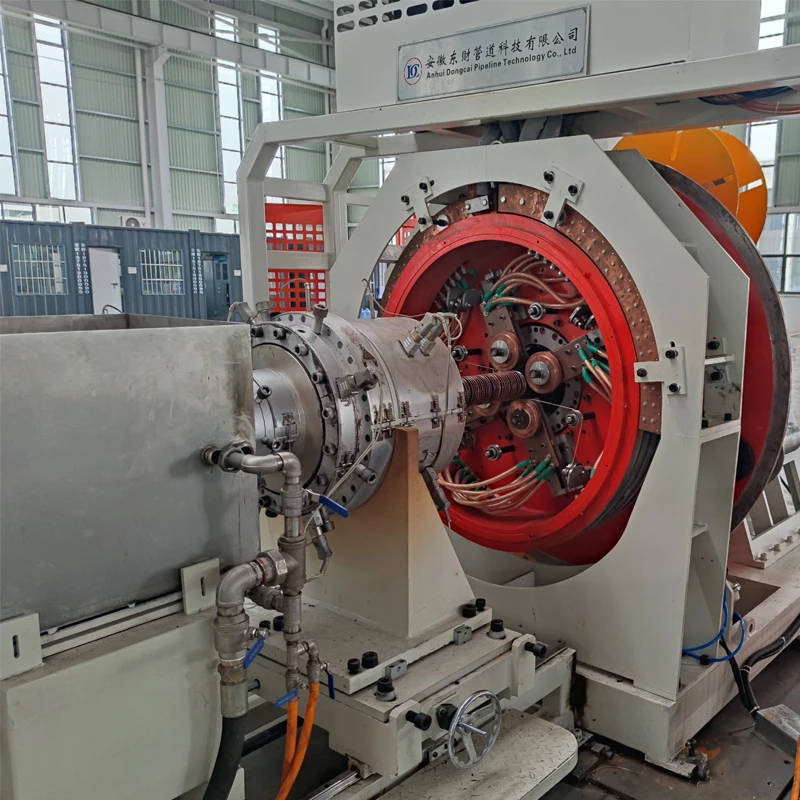
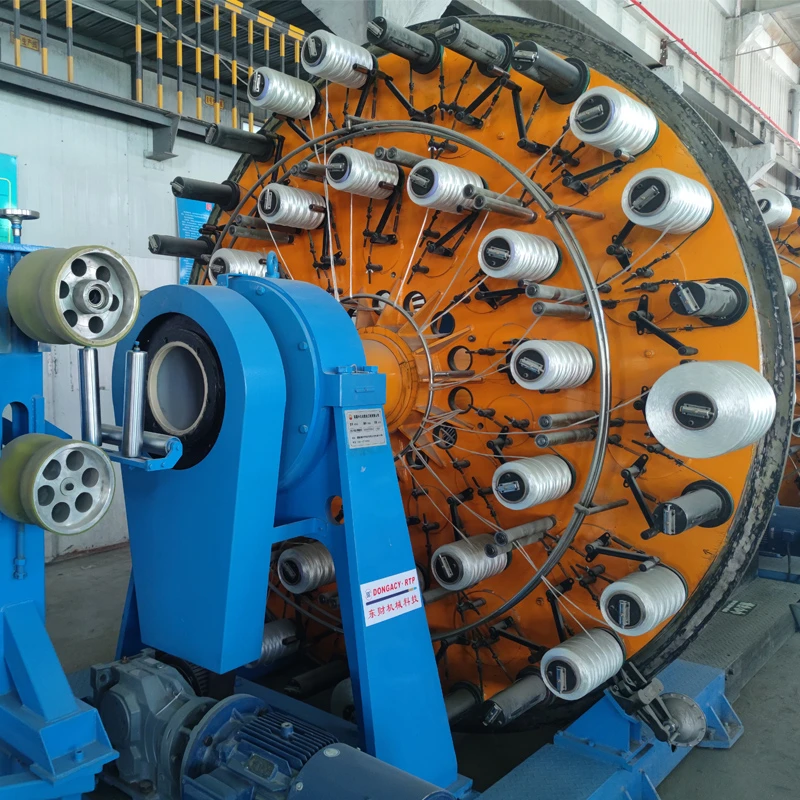
- Steel Wire Skeleton Winding: Immediately after the inner HDPE layer is formed, the pre-treated steel wire is precisely wound around the still-molten HDPE core. A specialized winding unit ensures uniform tension and spacing of the steel wires, forming the reinforcing mesh skeleton. This is a critical step in achieving the pipe's high pressure rating.
- Adhesive Layer Co-extrusion: An adhesive resin layer is co-extruded over the steel wire skeleton. This layer ensures robust bonding between the steel mesh and the outer HDPE layers, preventing delamination and enhancing the composite structure's integrity.
- Outer Layer Extrusion: A second HDPE extruder melts and extrudes the outer protective layer over the adhesive and steel mesh. This layer provides UV resistance, abrasion protection, and contributes to the pipe's overall mechanical strength.
- Cooling & Sizing: The multi-layer pipe enters a series of vacuum calibration tanks and cooling baths, where it is gradually cooled and precisely sized to the desired diameter and wall thickness. This stage utilizes advanced cooling technology to prevent internal stresses.
- Haul-off & Cutting: A robust haul-off unit pulls the pipe consistently through the production line. An automatic cutting unit then precisely cuts the pipe to pre-set lengths. For smaller diameters, coiling units may be integrated.
- Testing & Quality Control: In-line and off-line testing is performed according to international standards such as ISO 4427, ASTM F714, and ANSI B31.3 for pressure rating, dimensions, impact resistance, and material integrity. This ensures the pipes meet demanding specifications for service life and performance. Typical service life for these pipes can exceed 50 years under normal operating conditions.
The advantages in typical application scenarios are manifold: energy saving during operation due to smooth internal surfaces reducing pumping costs, and superior corrosion resistance making them ideal for aggressive media. Target industries include petrochemical, metallurgy, water supply & drainage, mining, gas distribution, and industrial effluent management.
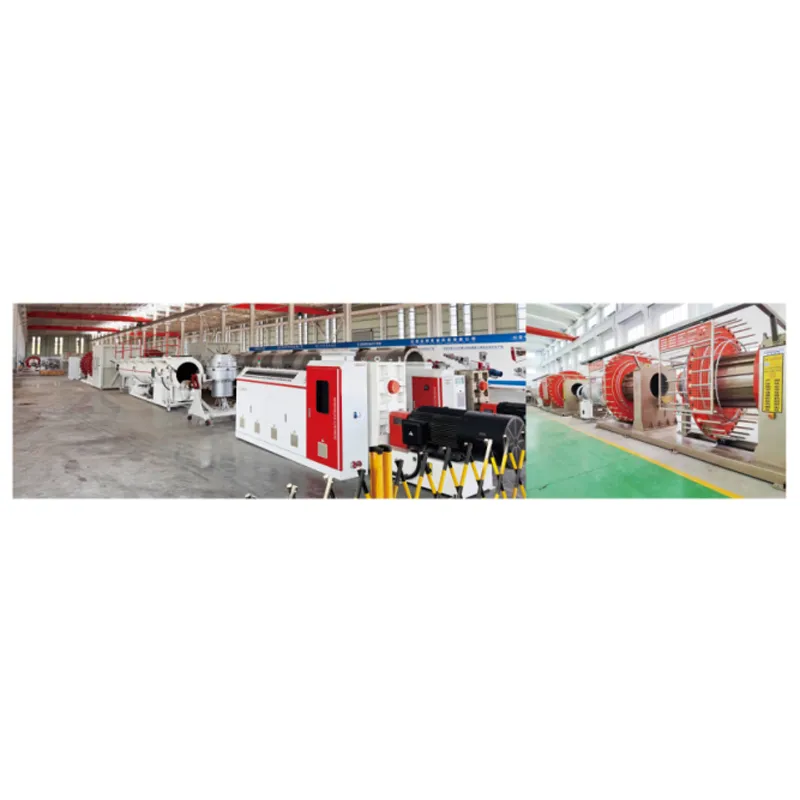
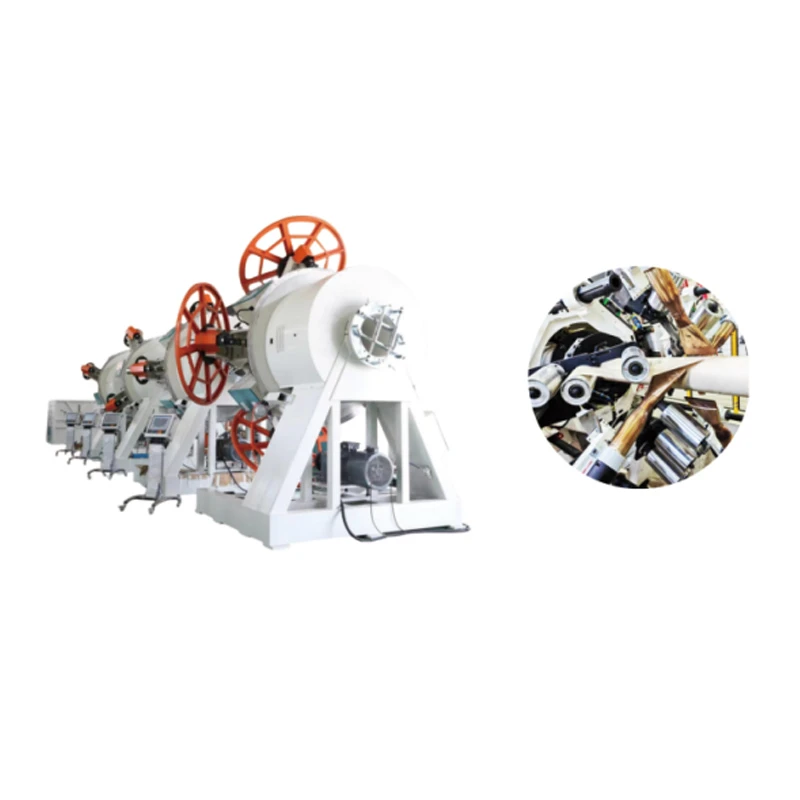
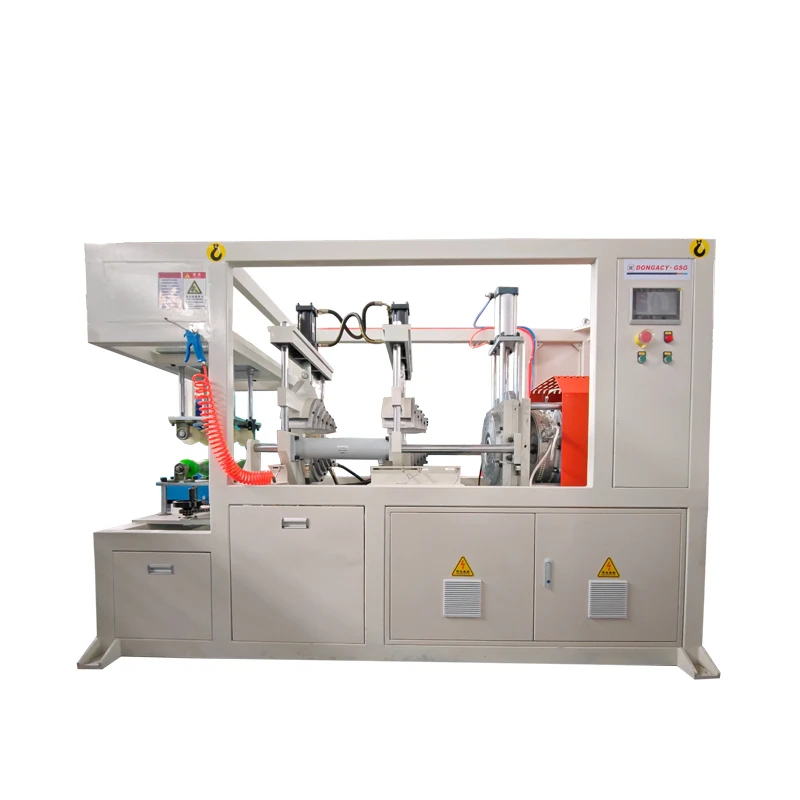
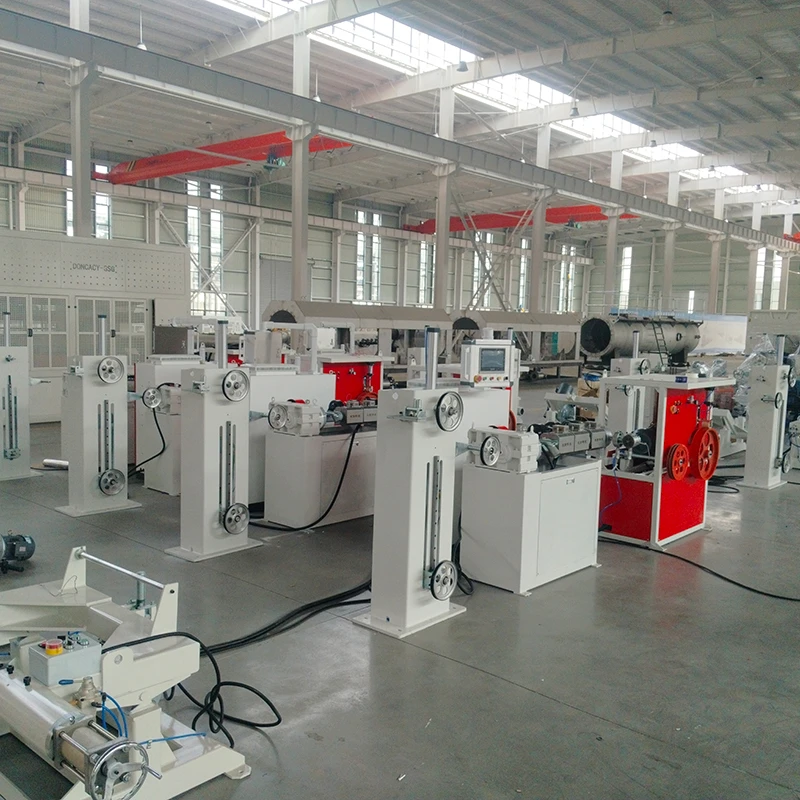
Figure 1: High-Speed Multi-Layer Steel Wire Mesh Skeleton Reinforced Polyethylene Composite Pipe Production Line.
Technical Specifications & Performance Parameters Driving hdpe machine price
The technical capabilities of a composite pipe production line directly influence its acquisition cost and long-term return on investment. Key parameters include extrusion capacity, pipe diameter range, line speed, and power consumption. A deeper dive into these specifications reveals the engineering prowess embedded in such machinery.
Key Components & Their Roles:
- Extruders: High-efficiency, low-melt-temperature single-screw extruders are employed for HDPE, often featuring L/D ratios of 30:1 to 38:1 to ensure optimal plasticization and output. Multiple extruders are crucial for multi-layer co-extrusion.
- Spiral Die Head: A specialized co-extrusion die head ensures uniform distribution of molten plastic layers and precise encapsulation of the steel wire mesh, minimizing material waste and ensuring concentricity.
- Steel Wire Winding Unit: Electronically controlled for precise pitch and tension, critical for the integrity of the reinforcement.
- Vacuum Calibration & Cooling Tanks: Multi-stage vacuum systems for accurate pipe sizing and efficient cooling to set the pipe geometry without deformation.
- Haul-off Unit: Typically multi-caterpillar designs with independent motor drives and closed-loop speed control for consistent pulling force.
- Planetary Cutter / Chip-free Cutter: High-speed, precise cutting mechanisms that minimize waste and ensure clean pipe ends.
- PLC Control System: Integrated Siemens or AB PLC systems provide centralized control, real-time data monitoring, and fault diagnosis, enhancing operational efficiency and reducing downtime.
Typical Product Specification Table:
| Parameter | Specification (High-Speed Multi-Layer Line) |
|---|---|
| Pipe Diameter Range | DN 50mm - DN 630mm (2-inch to 24-inch) |
| Production Capacity (Output) | 200 - 1000 kg/h (depending on pipe size) |
| Line Speed | Up to 8-15 m/min |
| Extruder Type (HDPE) | High-efficiency Single-Screw Extruder (L/D 36:1 or 38:1) |
| Extruder Power (Main) | 90 kW - 250 kW (per extruder) |
| Total Installed Power | 250 kW - 600 kW |
| Cooling Method | Vacuum calibration + Spray cooling tanks |
| Control System | PLC (e.g., Siemens, Rockwell/Allen-Bradley) with HMI touch screen |
| Material Compatibility | HDPE, PP-R, Adhesive Resin, Steel Wire |
These sophisticated specifications highlight the engineering depth required, directly impacting the final hdpe machine price. The integration of high-speed capabilities and multi-layer co-extrusion mechanisms optimizes material usage and reduces energy consumption per unit of pipe produced, leading to significant operational cost savings over the machine's extended service life.
Versatile Applications & Unmatched Technical Advantages
The versatility and superior performance of steel wire mesh skeleton reinforced HDPE composite pipes make them indispensable across a broad spectrum of industries. The investment in a sophisticated composite pipe production line unlocks access to these critical markets by producing pipes that surpass conventional material limitations.
Primary Application Scenarios:
- Petrochemical & Chemical Industries: Transport of corrosive chemicals, industrial wastewater, and slurries where high chemical resistance and pressure capabilities are paramount.
- Municipal Water Supply & Drainage: Long-distance water conveyance, urban water networks, and sewage systems benefiting from corrosion resistance, leak-proof joints, and extended service life.
- Mining & Metallurgy: Slurry pipelines, tailings transport, and process water lines requiring extreme abrasion resistance and high working pressures.
- Gas Distribution: Medium and low-pressure gas mains, offering superior safety and reduced maintenance compared to traditional materials.
- Agricultural Irrigation: Large-scale irrigation projects requiring robust, high-flow, and durable piping systems.
- Power & Utilities: Conduit for power cables and communication lines, offering protection against external damage.
Technical Advantages:
- Exceptional Pressure Resistance: The embedded steel wire mesh skeleton provides significantly enhanced hoop strength, allowing for higher operating pressures (up to 3.5 MPa) than solid HDPE pipes of similar dimensions.
- Superior Corrosion & Chemical Resistance: HDPE is inherently inert to a wide range of chemicals, acids, and bases, making these pipes ideal for aggressive environments without requiring cathodic protection.
- Extended Service Life: With minimal degradation from UV exposure, abrasion, and fatigue, these pipes offer a design life often exceeding 50 years, significantly reducing replacement and maintenance costs.
- High Impact Strength & Flexibility: The composite structure provides excellent resistance to external impacts and ground movements, minimizing the risk of brittle fracture even in seismic zones.
- Energy Efficiency: The smooth inner bore of HDPE reduces friction loss, leading to lower pumping energy requirements and operational cost savings over the pipe's lifetime.
- Cost-Effectiveness in Installation: Lighter weight than steel pipes and ease of fusion welding (electrofusion or butt fusion) translate to faster installation times and reduced labor costs.
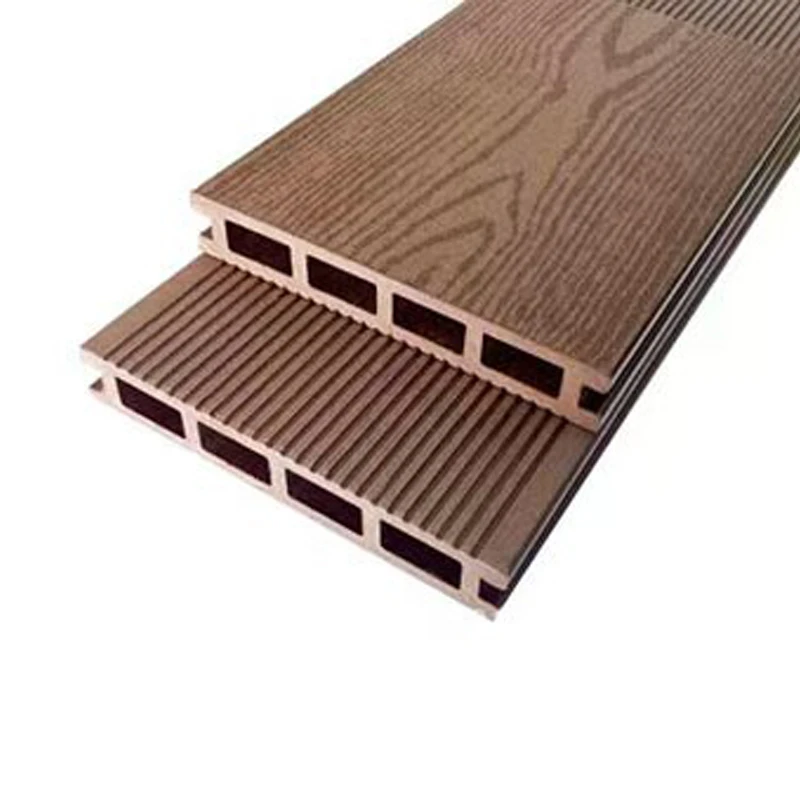
Figure 2: Durable steel wire mesh reinforced composite pipe in industrial application.
Vendor Comparison and Factors Influencing hdpe machine price
The market for pipe extrusion machinery is competitive, with a wide range of options impacting the overall hdpe machine price. Evaluating vendors requires a meticulous assessment of technical features, after-sales support, customization capabilities, and proven track record. The cost of an HDPE pipe production line is not merely the sticker price; it encompasses technology, reliability, operational efficiency, and longevity.
Key Factors Influencing Machine Pricing:
- Technology & Automation Level: High-speed, multi-layer co-extrusion lines with advanced PLC control, gravimetric dosing, and automated winding systems command a higher price due to superior output and reduced labor.
- Component Quality: Use of premium components (e.g., Siemens, Schneider, ABB motors, high-grade alloys for screws and barrels) directly impacts machine reliability, performance, and cost.
- Capacity & Pipe Diameter Range: Larger lines capable of producing wider diameter pipes or higher output rates are inherently more expensive.
- Customization: Tailored solutions for specific pipe materials, unique configurations, or integrated downstream equipment will influence the final cost.
- Brand Reputation & After-Sales Service: Established manufacturers with a strong reputation for quality, comprehensive warranty, and excellent global support often have higher price points but offer greater long-term value and reduced operational risks.
Comparative Analysis: Standard vs. High-Speed Multi-Layer Composite Pipe Line
| Feature | Standard HDPE Line (Single Layer) | High-Speed Multi-Layer Steel Wire Mesh Composite Line |
|---|---|---|
| Pipe Type | Solid Wall HDPE Pipe | Steel Wire Mesh Reinforced HDPE Composite Pipe |
| Pressure Rating | PN 6 - PN 16 (SDR dependent) | PN 10 - PN 35 (Higher strength) |
| Production Speed | 3 - 6 m/min | 8 - 15 m/min (Significantly higher) |
| Material Layers | 1 (HDPE) | 3-5 (Inner HDPE, Adhesive, Steel Mesh, Adhesive, Outer HDPE) |
| Reinforcement | None | Embedded Steel Wire Mesh Skeleton |
| Investment Cost | Lower initial investment | Higher initial investment (Justified by output & product performance) |
| Operational Costs | Moderate | Optimized due to high efficiency & reduced waste |
| Target Markets | General water, drainage, non-critical applications | High-pressure gas, oil & gas, mining, critical infrastructure |
While the initial hdpe machine price for a high-speed multi-layer line is higher, the long-term benefits in terms of superior product performance, higher output, lower per-unit cost, and access to premium markets often translate to a significantly better ROI. Decision-makers should evaluate total cost of ownership, not just upfront capital expenditure.
Customized Solutions and Real-World Application Case Studies
Recognizing that no two projects are identical, leading manufacturers of composite pipe production line equipment offer extensive customization options. This flexibility allows clients to tailor their investment to specific production requirements, optimizing efficiency and profitability. From specialized pipe diameters and wall thicknesses to unique material combinations and line configurations, customization is key to maximizing the value of the hdpe machine price.
Customization Capabilities Include:
- Pipe Diameter & Pressure Rating: Lines can be configured for a wide range of pipe sizes and designed to achieve specific pressure resistance requirements.
- Material Variants: While primarily focused on HDPE, the line can be adapted for other polyolefin materials or specialized adhesive layers.
- Automation Level: From semi-automatic to fully automated systems with integrated material handling, quality control, and packing solutions.
- Downstream Equipment Integration: Customization extends to cooling, haul-off, cutting, printing, and winding/coiling units to match specific throughput and finishing needs.
- Space Constraints & Layout: Engineers can design layouts to fit existing factory footprints, optimizing workflow and minimizing operational complexities.
Application Case Study: Municipal Water Transmission Project
A major municipal authority in Southeast Asia faced significant challenges with an aging cast iron water transmission network. Frequent leaks, corrosion issues, and high maintenance costs were driving up operational expenses and jeopardizing water supply reliability. After extensive technical and economic evaluation, they opted to replace a 50 km segment with steel wire mesh skeleton reinforced HDPE composite pipes, produced on a Brand-new High Speed Multi Layer Steel Wire Mesh Skeleton Reinforced Polyethylene Composite Pipe Production Line. The project required pipes of DN 400mm with a PN 25 pressure rating.
- Challenge: Replace an old, corroding system efficiently with a durable, high-pressure solution.
- Solution: Investment in a customized production line to manufacture composite pipes, leveraging HDPE's corrosion resistance and steel's structural strength.
- Outcome: The project successfully deployed over 50 km of composite pipes. Post-installation, the system reported zero leaks in the first five years of operation, a 30% reduction in pumping energy due to smoother pipe interiors, and significantly lower maintenance requirements. The client noted a substantial improvement in water quality and system reliability, directly attributing these benefits to the high performance of the pipes produced by the advanced composite pipe production line. The strategic investment in the hdpe machine price proved to be a critical factor in the long-term success and sustainability of the municipal infrastructure upgrade.
Figure 3: Advanced manufacturing capabilities ensure consistent pipe quality for critical infrastructure projects.
Ensuring Trust and Authority: Certifications, Support, and Warranty
In the B2B sector, the decision to invest in a major capital asset like a composite pipe production line hinges not only on technical specifications but also on the vendor's credibility, reliability, and commitment to long-term support. Addressing Google's standards, we emphasize the authoritative foundation and trustworthy practices surrounding our offerings.
Authoritative References & Certifications:
Our Brand-new High Speed Multi Layer Steel Wire Mesh Skeleton Reinforced Polyethylene Composite Pipe Production Line is manufactured under strict quality management systems. We are proud to hold:
- ISO 9001:2015 Certification: Demonstrating a robust quality management system for design, development, production, installation, and servicing.
- CE Mark: Compliance with European health, safety, and environmental protection standards.
- Industry Accreditations: Active participation and adherence to standards set by leading plastic machinery associations.
- Proven Track Record: Over 15 years of industry experience, successfully deploying production lines in diverse markets globally, building a portfolio of reputable client partners.
Trustworthiness & Support:
Frequently Asked Questions (FAQ):
- Q1: What factors primarily determine the hdpe machine price?
- A1: The price is mainly influenced by the line's production capacity (pipe diameter range and output), level of automation, brand of core components (e.g., extruders, PLC), customization requirements, and the comprehensiveness of after-sales support and warranty provided by the vendor.
- Q2: What is the typical lead time for a new production line?
- A2: Standard lead times for our high-speed multi-layer composite pipe production lines typically range from 90 to 150 days from order confirmation to factory acceptance test (FAT). This includes design, manufacturing, assembly, and internal testing. Project-specific customization may extend this period.
- Q3: What kind of warranty is offered?
- A3: We provide a standard 12-month warranty on mechanical and electrical components from the date of commissioning or 18 months from shipment, whichever comes first. Extended warranty options and service agreements are available upon request to provide peace of mind for the long-term operation of your composite pipe production line.
- Q4: What after-sales support is available?
- A4: Our comprehensive after-sales support includes on-site installation and commissioning, operator training, remote technical assistance via teleconference or online portals, prompt spare parts supply, and regular maintenance services. Our global network of service engineers ensures rapid response to minimize downtime.
Lead Time & Fulfillment:
Our commitment extends beyond manufacturing. We provide detailed project timelines, from initial consultation and design to production, testing, shipment, and on-site commissioning. Our experienced project managers ensure smooth coordination and timely delivery, minimizing disruptions to your business plan.
Customer Support:
Our dedicated customer support team is available to assist with technical queries, operational guidance, and spare parts procurement. We believe in building long-term partnerships, ensuring your composite pipe production line operates at peak efficiency throughout its lifespan. Ongoing training programs for your staff ensure they are proficient in operating and maintaining the advanced machinery.
Conclusion: Strategic Investment in Advanced HDPE Pipe Production
The investment in a Brand-new High Speed Multi Layer Steel Wire Mesh Skeleton Reinforced Polyethylene Composite Pipe Production Line represents a strategic commitment to advanced manufacturing and market leadership. While the initial hdpe machine price is a significant consideration, the long-term benefits derived from superior product performance, enhanced operational efficiency, reduced material waste, and extended machine longevity far outweigh the upfront capital expenditure. By producing high-strength, corrosion-resistant, and durable composite pipes, businesses can access lucrative markets in critical infrastructure sectors, including petrochemical, municipal water, mining, and gas distribution.
Choosing the right composite pipe production line is a decision that impacts decades of operational success. Factors such as advanced technology, robust construction, comprehensive after-sales support, and a proven track record are paramount. With our commitment to quality, innovation, and customer satisfaction, we empower our clients to achieve unparalleled production capabilities and secure a competitive edge in the evolving global piping industry.
References
- ISO. "ISO 4427-1:2019 - Plastics piping systems for water supply, and for drainage and sewerage under pressure — Polyethylene (PE) — Part 1: General." International Organization for Standardization.
- ASTM. "ASTM F714 - 20 Standard Specification for Polyethylene (PE) Plastic Pipe (SDR-PR) Based on Outside Diameter." ASTM International.
- Plastics Pipe Institute (PPI). "Handbook of Polyethylene Pipe, 2nd Edition." PPI, 2008.
- Polymer Extrusion Technology, "Understanding Extruder Design and Performance," Journal of Applied Polymer Science, Vol. 130, Issue 4, 2013.
-
High Efficiency PE Extrusion Line Guide for Plastic ManufacturingNewsApr.16,2026
-
High Speed Steel Wire Mesh HDPE Composite Pipe Production Line - Anhui Dongchai|High Automation&Energy EfficiencyNewsApr.13,2026
-
High Speed Steel Wire Mesh HDPE Composite Pipe Production Line - Anhui Dongchai|High Automation&Energy EfficiencyNewsApr.13,2026
-
Guide to Choosing High Efficiency ppr pipe extrusion machineNewsApr.09,2026
-
Comprehensive Guide to Modern Pipe Production Line Technologies and OptimizationNewsApr.07,2026
-
Choosing the Right Extrusion Pipe Machine for Optimal Plastic Pipe ProductionNewsApr.04,2026
-
Comprehensive Guide to PPR Pipe Extrusion Line Technology and ApplicationsNewsMar.31,2026


