
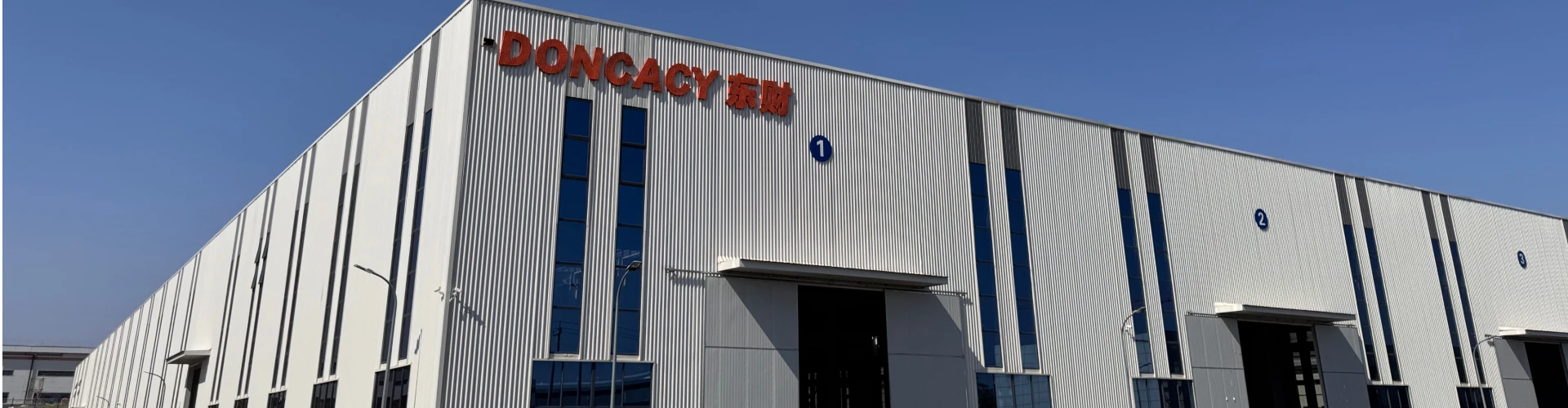
Revolutionizing Infrastructure: The Fiber Filament Reinforced RTP Polyethylene Composite Pipe Production Line
The global demand for high-performance piping solutions has spurred significant innovation in materials science and manufacturing technology. Industries ranging from oil and gas to municipal water supply require robust, corrosion-resistant, and cost-effective conduits. This evolution has led to the prominence of Fiber Filament Reinforced RTP (Reinforced Thermoplastic Pipe) Polyethylene Composite Pipes, offering superior mechanical properties and an extended service life compared to traditional steel or pure plastic pipes. A state-of-the-art composite pipe production line is at the forefront of this manufacturing paradigm, enabling the creation of pipes designed for challenging environments and critical applications.
Current Industry Trends and Market Drivers
The market for composite pipes is expanding rapidly, driven by several key trends. There is a growing emphasis on infrastructure modernization, particularly in developing economies, necessitating durable and efficient pipe systems. Environmental regulations are also pushing industries towards materials that are less prone to leakage and corrosion, thus reducing ecological footprints. Furthermore, the operational cost-effectiveness of RTP pipes – including lower installation costs, reduced maintenance, and superior flow characteristics – makes them an attractive alternative. Innovation in polymer science and composite materials continues to enhance the performance envelope, allowing RTP pipes to serve in increasingly aggressive conditions, from high-pressure oil and gas gathering lines to abrasive slurry transport in mining. The long-term value proposition often outweighs initial investment considerations, shifting focus from merely the hdpe machine price to the total cost of ownership (TCO).
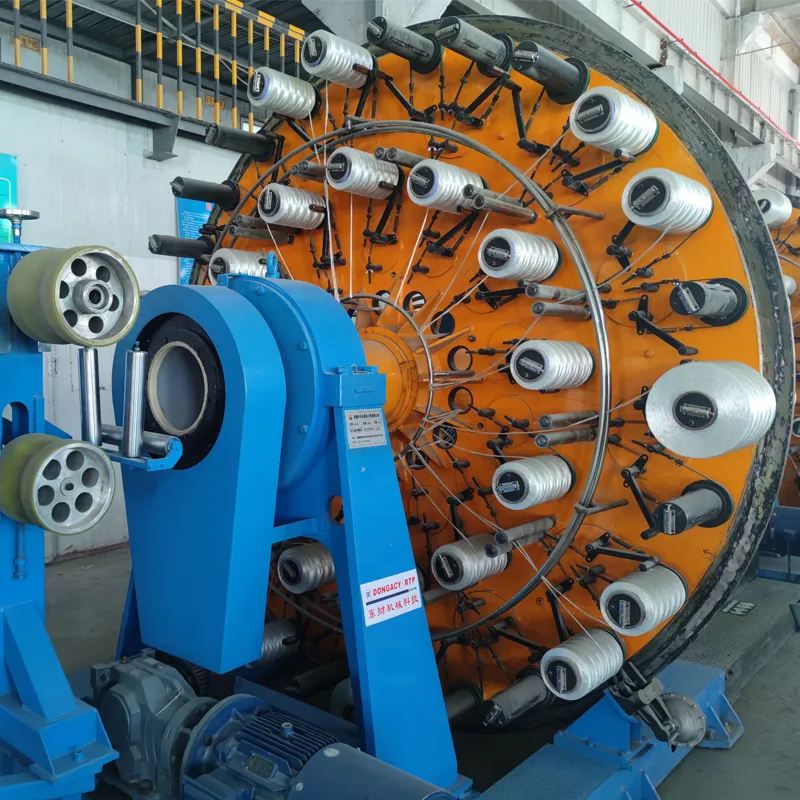
Another significant trend is the increasing adoption of automated and intelligent manufacturing processes. Modern composite pipe production line equipment integrates advanced control systems, ensuring precision in material feeding, extrusion, winding, and quality control. This not only boosts efficiency and reduces labor costs but also ensures consistent product quality, which is paramount for high-pressure applications. The shift towards sustainable manufacturing also encourages the use of recyclable polymers and energy-efficient production techniques.
Detailed Process Flow of a Composite Pipe Production Line
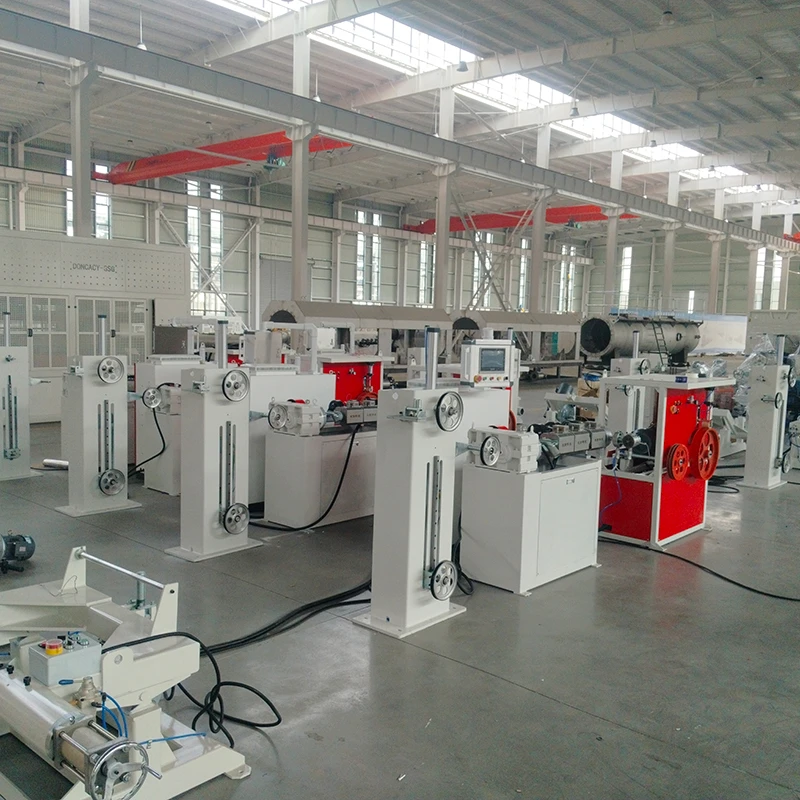
The manufacturing of Fiber Filament Reinforced RTP Polyethylene Composite Pipes involves a sophisticated multi-stage process, typically executed on a specialized composite pipe production line. Understanding this flow is crucial for appreciating the technical complexity and quality assurance embedded in the final product.
Manufacturing Process Steps:
- Inner Layer Extrusion: High-density polyethylene (HDPE) or PE-RT (Polyethylene of Raised Temperature resistance) resin pellets are fed into a high-precision extruder. The polymer is melted and extruded through a die head to form the seamless inner pipe, which acts as the fluid-carrying core and provides corrosion resistance. This step is critical for ensuring a smooth bore for optimal flow and chemical inertness.
- Cooling and Calibration: The extruded inner pipe passes through a vacuum tank and cooling bath to stabilize its dimensions and ensure concentricity. Precise calibration is maintained throughout this stage to meet stringent diameter and wall thickness tolerances.
- Adhesive Application: A specialized adhesive layer is often applied to the surface of the cooled inner pipe. This tie-layer ensures strong bonding between the polyethylene core and the subsequent fiber reinforcement layer, preventing delamination under pressure or temperature fluctuations.
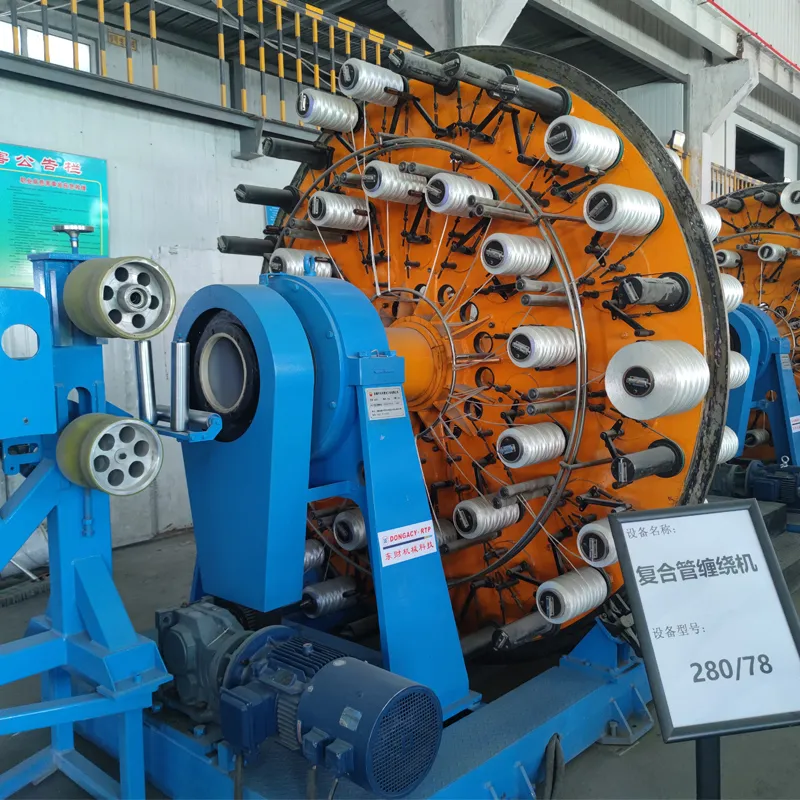
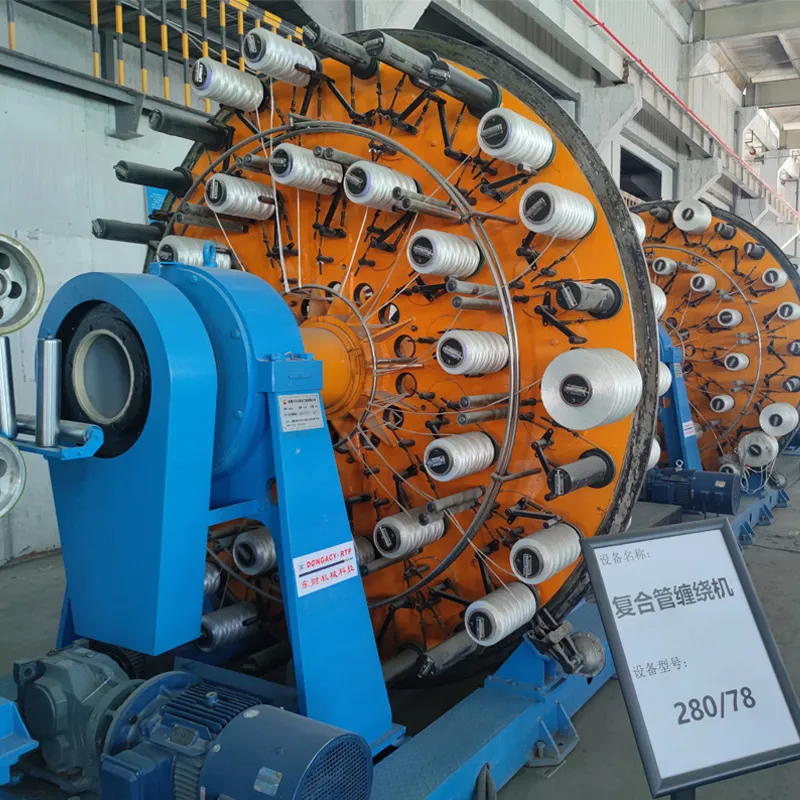
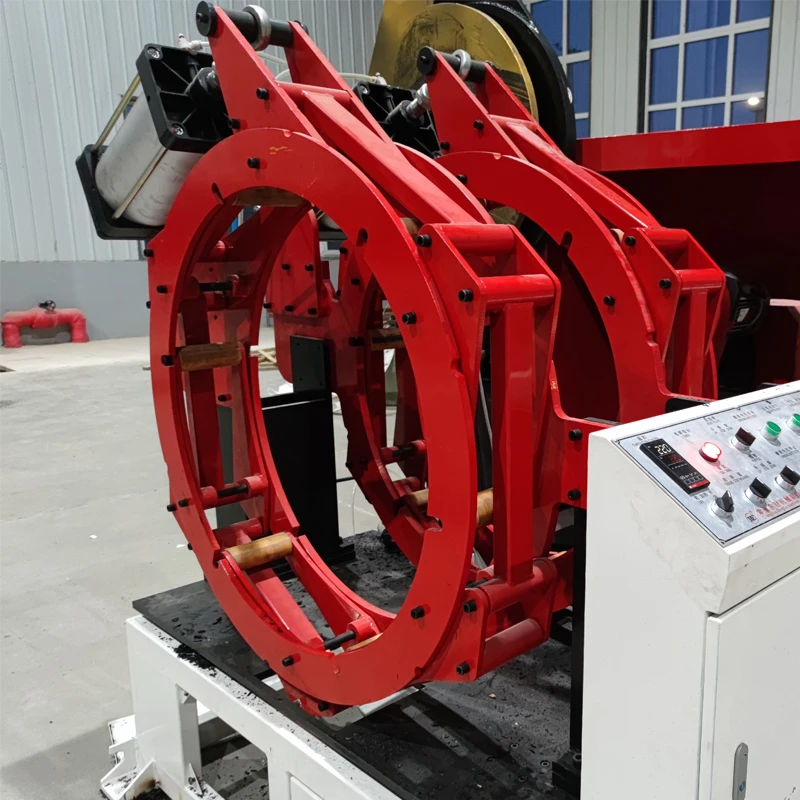
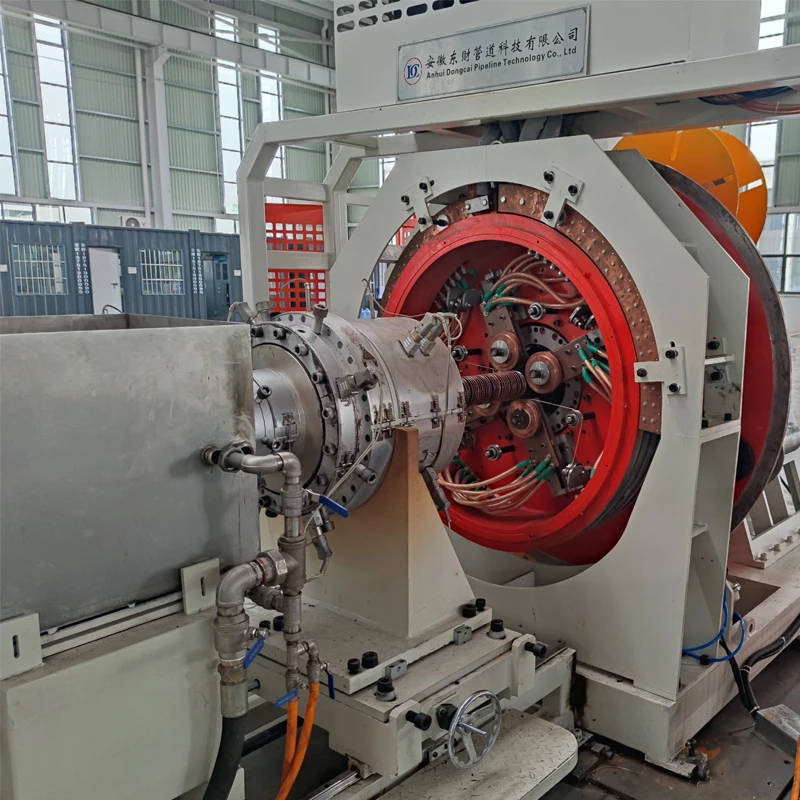
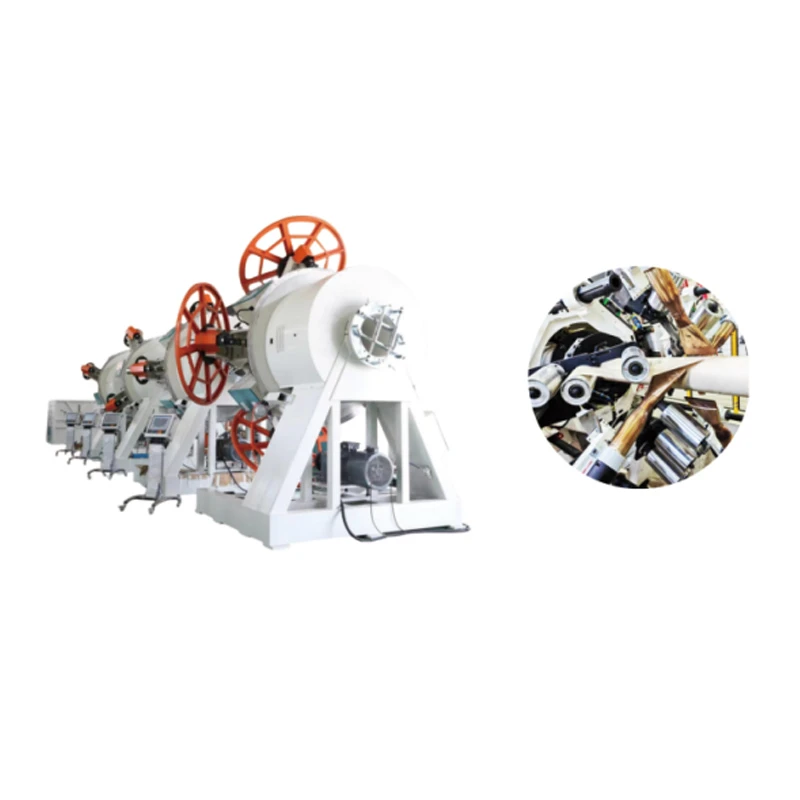
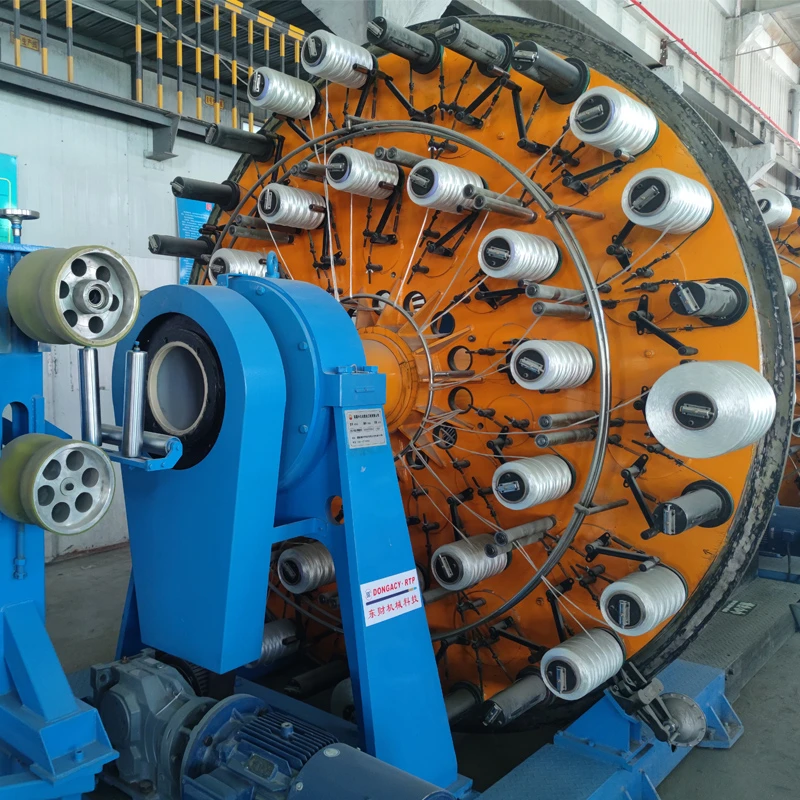
- Fiber Filament Winding (Reinforcement): This is the defining stage of RTP pipe production. High-strength continuous fiber filaments (e.g., polyester, aramid, basalt, or glass fiber) are saturated with a thermoplastic resin or directly wound around the inner PE pipe at precise angles and tension. Advanced filament winding machines, often CNC-controlled, ensure uniform distribution and optimal stress transfer, imparting the pipe with exceptional pressure resistance and stiffness. Multiple layers can be applied depending on the required pressure rating.
- Outer Protection Layer Extrusion: Following the fiber winding, another layer of HDPE is typically co-extruded over the reinforced pipe. This outer jacket protects the fiber reinforcement from external damage, UV radiation, and environmental aggressors, ensuring the long-term integrity of the composite structure.
- Final Cooling, Haul-off, and Cutting/Coiling: The finished composite pipe undergoes a final cooling phase. A powerful haul-off unit pulls the pipe consistently through the line, and then it is either cut to specified lengths or coiled onto large reels for transport, depending on the pipe diameter and application.
Materials and Standards:
- Product Materials: HDPE (PE100, PE4710 grades), PE-RT, polyester fibers, aramid fibers (Kevlar/Twaron), glass fibers, specialized thermoplastic adhesives.
- Testing Standards: Pipes produced meet or exceed international standards such as ISO 9001 (Quality Management), ISO 14001 (Environmental Management), ASTM F2623 (Standard Specification for Polyethylene of Raised Temperature (PE-RT) Pipe), API 15S (Recommended Practice for the Qualification of Spoolable Reinforced Plastic Line Pipe), and various national standards for pressure rating and material properties.
- Service Life: With proper installation and operation, RTP pipes are designed for a service life exceeding 50 years, often outperforming traditional metallic pipelines in corrosive environments.
- Target Industries: Petrochemical (oil & gas gathering, injection lines), Metallurgy (slurry transport, process water), Water Supply & Drainage (potable water, wastewater, irrigation), Mining (tailings, dewatering), Chemical Processing, Infrastructure (gas distribution, district heating).
Technical Specifications of a Fiber Filament Reinforced RTP Polyethylene Composite Pipe Production Line
A typical production line for Fiber Filament Reinforced RTP Polyethylene Composite Pipes is engineered for high efficiency, precision, and versatility. Below are illustrative specifications for a modern composite pipe production line, showcasing its capabilities:
| Parameter | Specification Range |
|---|---|
| Pipe Diameter Range (OD) | DN 63 mm to DN 630 mm (2 inch to 24 inch) |
| Maximum Pressure Rating | Up to 25 MPa (250 bar / 3625 psi), depending on diameter and fiber type |
| Inner Pipe Material | HDPE (PE100, PE4710), PE-RT Type I/II |
| Reinforcement Fibers | Polyester, Aramid (Kevlar/Twaron), Glass Fiber, Basalt Fiber |
| Line Speed | 0.5 – 5 m/min (variable based on pipe size and wall thickness) |
| Total Installed Power | 150 - 500 kW (approx., depending on configuration) |
| Control System | PLC-based with HMI (Human Machine Interface) for process visualization and control |
| Extruder Types | High-efficiency single screw extruders for PE layers |
These specifications highlight the advanced engineering required to produce pipes capable of handling extreme conditions while maintaining flexibility and ease of installation. The precise control over winding tension and angle, combined with high-quality polymer extrusion, ensures uniform strength and long-term reliability.
Application Scenarios and Technical Advantages
Fiber Filament Reinforced RTP Polyethylene Composite Pipes are designed for versatility and performance across a spectrum of demanding applications. Their unique construction addresses critical challenges faced by traditional piping materials.
Typical Application Scenarios:
- Oil & Gas Industry: High-pressure flowlines, gathering lines, water injection lines, and gas distribution networks, especially in corrosive environments or where quick installation is crucial.
- Water Management: Potable water supply (including trenchless installation), wastewater collection and disposal, desalination plant pipelines, and irrigation systems, benefiting from corrosion resistance and long service life.
- Mining Sector: Transport of abrasive slurries, tailings, and process water, where the inner PE layer's abrasion resistance is highly advantageous.
- Chemical Industry: Conveying various corrosive chemicals, thanks to the chemical inertness of the polyethylene inner layer.
- Infrastructure Projects: Gas distribution mains, district heating networks, and industrial utility lines.
Technical Advantages:
- Superior Pressure Resistance: The filament winding reinforcement provides exceptional strength, allowing these pipes to operate at significantly higher pressures than standard HDPE pipes.
- Outstanding Corrosion Resistance: The internal and external polyethylene layers are inherently resistant to chemical corrosion, rust, and microbiological attack, eliminating the need for cathodic protection or external coatings common with steel pipes.
- Long Service Life: Designed for 50+ years of operation, minimizing replacement and maintenance costs.
- Lightweight and Flexible: Easier to handle, transport, and install than metallic pipes, especially in challenging terrains. Spoolable options reduce the need for numerous field joints.
- Energy Saving: The smooth internal bore of the polyethylene inner layer reduces friction losses, leading to lower pumping energy requirements and better flow efficiency.
- Reduced Environmental Impact: Leak-free joints and corrosion resistance prevent contamination, while the lightweight nature reduces transportation emissions.
- Cost-Effectiveness: While the initial hdpe machine price for the production line may be an investment, the pipes themselves offer long-term cost savings through reduced installation time, lower maintenance, and extended operational life.
Vendor Comparison and Customized Solutions for Your Composite Pipe Production Line
Selecting the right vendor for a composite pipe production line is a strategic decision that impacts long-term operational efficiency and product quality. A thorough evaluation should extend beyond just the initial hdpe machine price to encompass technological sophistication, customization capabilities, and after-sales support.
Key Vendor Comparison Criteria:
| Feature/Criterion | Leading Specialist Vendor (e.g., Ahdc11) | Generalist/Budget Vendor |
|---|---|---|
| Technology & Innovation | Proprietary filament winding tech, integrated PLC control, energy-efficient extruders, multi-layer co-extrusion. ISO 9001 certified. | Standard extrusion and winding, basic control systems, less optimized for energy. |
| Customization & Flexibility | Tailored solutions for specific pipe diameters (DN63-DN630), pressure ratings (up to 25MPa), fiber types, and material combinations. Modular design. | Limited standard configurations, less adaptable to unique project requirements. |
| Quality & Durability of Components | Premium components from reputable global suppliers (e.g., Siemens, Schneider), robust mechanical design for continuous operation. | Mixed component sourcing, potentially lower long-term reliability. |
| After-Sales Support & Training | Comprehensive installation, commissioning, operator training, remote diagnostics, readily available spare parts, dedicated technical support. | Basic support, potential delays in spare parts, limited training. |
| Overall Value (TCO vs. Price) | Higher initial investment, but lower total cost of ownership due to efficiency, reliability, longevity, and superior product output. | Lower initial hdpe machine price, but potentially higher TCO due to maintenance, downtime, and lower efficiency. |
Customized Solutions:
A reputable manufacturer understands that each client's production requirements are unique. Customization options for a composite pipe production line can include:
- Diameter and Pressure Range: Tailoring the line to specific pipe outer diameters and maximum operational pressure ratings.
- Material Flexibility: Configuring extruders and winding units to accommodate different polymer grades (HDPE, PE-RT) and various reinforcement fibers (glass, aramid, polyester) based on application needs.
- Automation Level: Integrating advanced automation features, from automatic material feeding to inline quality control systems and robotic handling, to optimize labor efficiency and reduce errors.
- Space Optimization: Designing the layout to fit existing factory dimensions and flow requirements.
- Ancillary Equipment: Providing customized cooling systems, cutting mechanisms (in-line vs. off-line), coiling units, and pipe marking systems.
- Integrated Solutions: Offering complete turnkey projects, including plant design, installation, commissioning, and staff training.
Choosing a partner with deep expertise in polymer extrusion and composite winding technology ensures that the resulting production line delivers optimal performance and a high return on investment.
Application Case Study: High-Pressure Water Injection Line for Oil Fields
Client Challenge: A major oil and gas producer in the Middle East faced significant issues with traditional carbon steel pipelines used for high-pressure water injection in mature oil fields. The highly corrosive produced water led to frequent leaks, requiring costly repairs, environmental remediation, and significant downtime. The client sought a durable, corrosion-resistant, and quick-to-install solution for a new 100 km water injection network, requiring pipes with a minimum pressure rating of 15 MPa (150 bar).
Solution Deployed: The client invested in a state-of-the-art Fiber Filament Reinforced RTP Polyethylene composite pipe production line, specifically configured to produce DN 250 mm (10-inch) pipes with a PE100 inner layer and multi-layer aramid fiber reinforcement. The production line incorporated advanced tension control for winding and an integrated quality control system to ensure consistent wall thickness and pressure integrity.
Results and Benefits:
- Enhanced Durability: The RTP pipes eliminated internal corrosion issues, significantly extending the pipeline's operational life beyond 30 years without major maintenance.
- Faster Installation: The lightweight and spoolable nature of the RTP pipes allowed for rapid deployment, reducing installation time by 40% compared to welding steel pipes. This also minimized the need for heavy lifting equipment.
- Cost Savings: Reduced maintenance requirements, elimination of corrosion inhibitors, and lower installation costs led to substantial operational expenditure (OPEX) savings over the pipeline's lifespan.
- Environmental Protection: The leak-free system drastically reduced the risk of water contamination, demonstrating improved environmental stewardship.
- Reliable Performance: The pipes consistently performed at the required 15 MPa pressure rating, ensuring uninterrupted water injection operations and improved oil recovery.
This case exemplifies how investing in a high-quality composite pipe production line enables industries to overcome critical infrastructure challenges, delivering long-term performance and economic advantages.
Frequently Asked Questions (FAQ)
Q1: What is the typical lead time for a complete Fiber Filament Reinforced RTP Polyethylene Composite Pipe Production Line?
A1: The lead time for a complete production line typically ranges from 4 to 6 months, depending on the level of customization, specific components, and current production schedules. This includes design, manufacturing, factory acceptance testing (FAT), and preparation for shipment. Installation and commissioning at the client's site usually take an additional 4-6 weeks.
Q2: What kind of warranty is offered on the production line equipment?
A2: We typically offer a standard 12-month warranty on mechanical and electrical components from the date of commissioning or 18 months from shipment, whichever comes first. Extended warranty options and service contracts are available for enhanced peace of mind. Specific terms are detailed in the sales agreement.
Q3: What kind of customer support and after-sales service is provided?
A3: Our commitment extends beyond delivery. We provide comprehensive after-sales support including:
- On-site installation and commissioning by expert technicians.
- Thorough operational and maintenance training for your staff.
- Remote technical assistance and troubleshooting via online support platforms.
- Readily available spare parts with efficient logistics for quick dispatch.
- Regular maintenance services and performance optimization consultations.
Q4: How does the hdpe machine price of a composite pipe production line compare to traditional HDPE pipe lines?
A4: A complete composite pipe production line, especially one capable of producing Fiber Filament Reinforced RTP pipes, generally represents a higher initial investment than a standard HDPE pipe extrusion line. This is due to the added complexity of multi-layer extrusion, precision filament winding machinery, and advanced control systems. However, the higher initial hdpe machine price is justified by the significantly superior performance and broader application range of the composite pipes, offering a much higher return on investment (ROI) through enhanced product capabilities and market reach.
References
- American Society for Testing and Materials (ASTM) International. ASTM F2623-14, Standard Specification for Polyethylene of Raised Temperature (PE-RT) Pipe.
- International Organization for Standardization (ISO). ISO 9001:2015, Quality management systems – Requirements.
- Dukhan, R. (2018). Advanced Composite Materials for Pipelines: Design, Manufacturing, and Testing. Woodhead Publishing.
- Plastics Pipe Institute (PPI). Handbook of Polyethylene Pipe. (2019).
- Mohammad, A., & El-Dessouky, H. (2017). Composite Pipes for Oil and Gas Applications. In Offshore Engineering. IntechOpen.
-
High Efficiency PE Extrusion Line Guide for Plastic ManufacturingNewsApr.16,2026
-
High Speed Steel Wire Mesh HDPE Composite Pipe Production Line - Anhui Dongchai|High Automation&Energy EfficiencyNewsApr.13,2026
-
High Speed Steel Wire Mesh HDPE Composite Pipe Production Line - Anhui Dongchai|High Automation&Energy EfficiencyNewsApr.13,2026
-
Guide to Choosing High Efficiency ppr pipe extrusion machineNewsApr.09,2026
-
Comprehensive Guide to Modern Pipe Production Line Technologies and OptimizationNewsApr.07,2026
-
Choosing the Right Extrusion Pipe Machine for Optimal Plastic Pipe ProductionNewsApr.04,2026
-
Comprehensive Guide to PPR Pipe Extrusion Line Technology and ApplicationsNewsMar.31,2026


