
A Field Note on the Modern Ppr Pipe Production Line
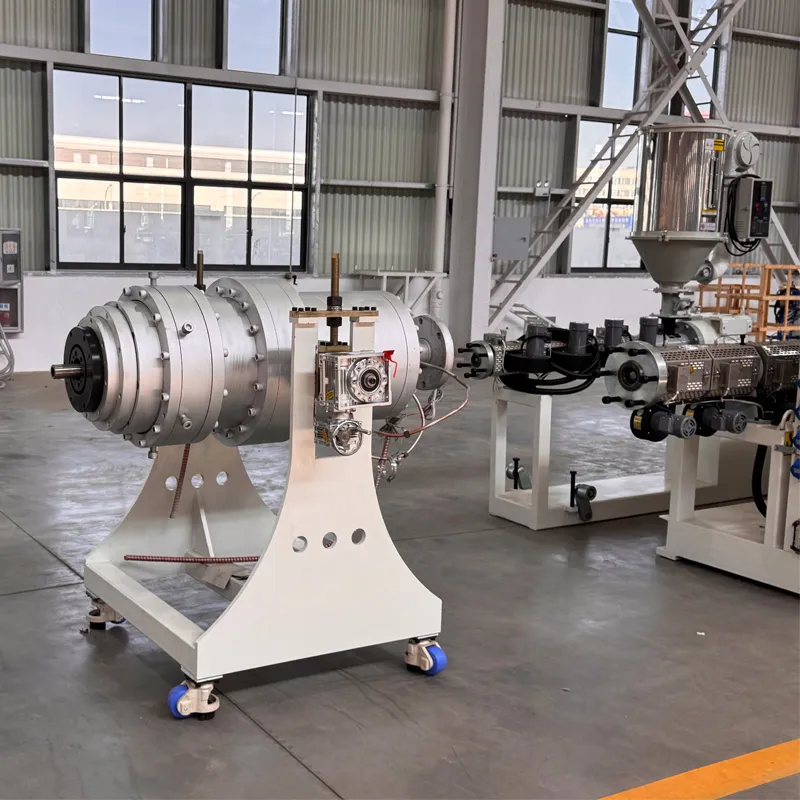
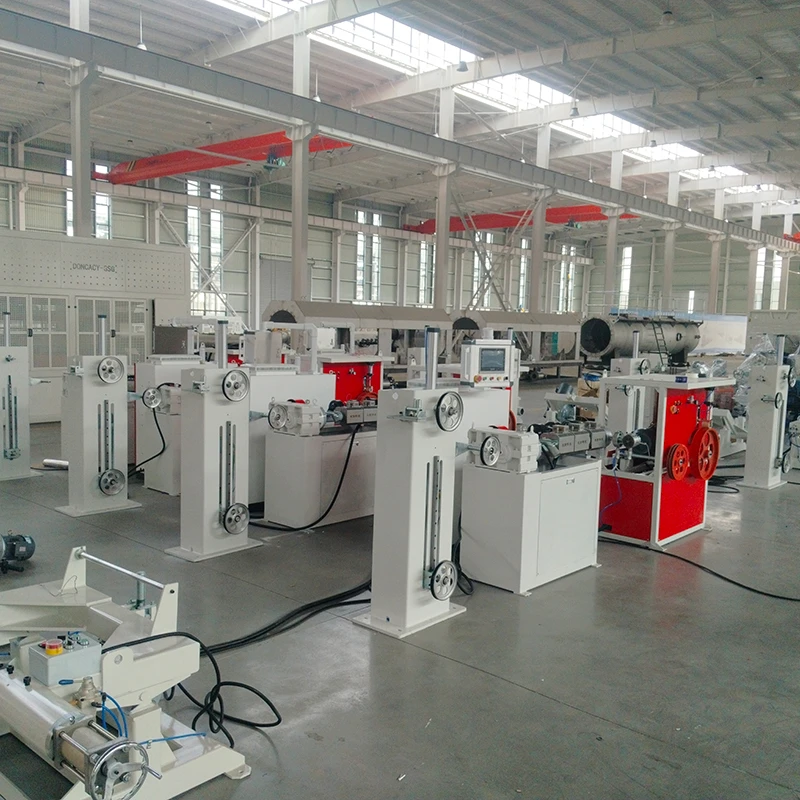
When buyers ask me what really separates a good PPR line from the rest, I usually pause. There’s hardware, sure. But there’s also the quiet reliability that shows up on a rainy Wednesday shift. If you’re scanning the market, the Ppr Pipe Production Line built on HDPE-class high-speed architecture is, frankly, where most of the smart money is going right now. Modular platforms, faster changeovers, better gravimetric dosing—less drama on the shop floor.
Industry trends (and a quick reality check)
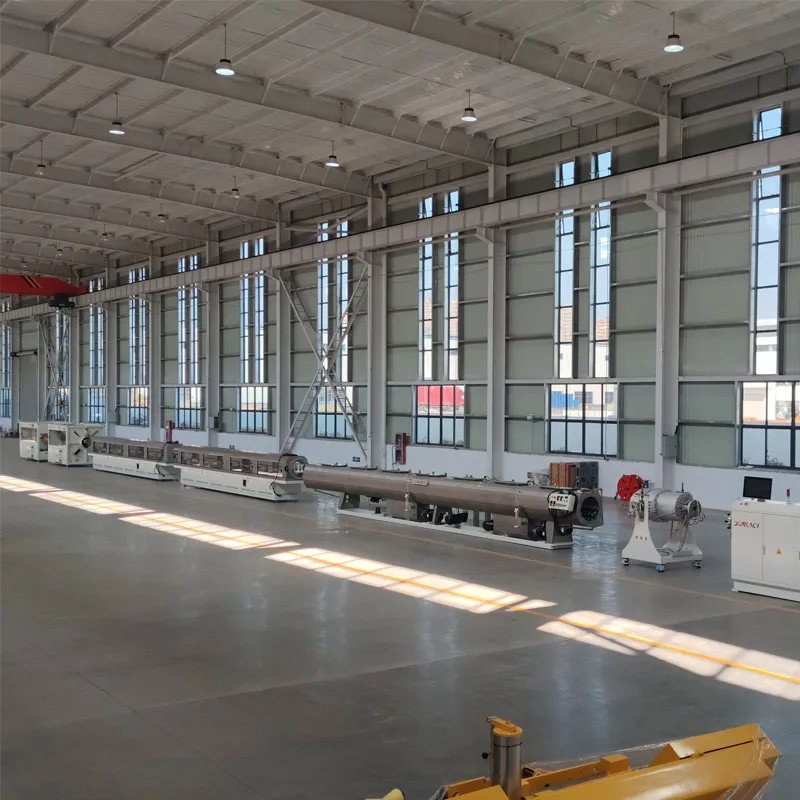
There’s a steady shift toward high-efficiency, closed-loop controlled lines that can run both PPR and HDPE tooling families. Vendors in Anhui and Shandong are pushing single-screw extruders with high-torque drives, while coastal integrators lean into Siemens/Beckhoff PLC stacks. Many customers say the newer vacuum tanks with multi-point feedback stabilize ovality faster—fewer scraps at startup. To be honest, the delta between “good” and “great” is now mostly in process control and cooling management.
Process flow, materials, and methods
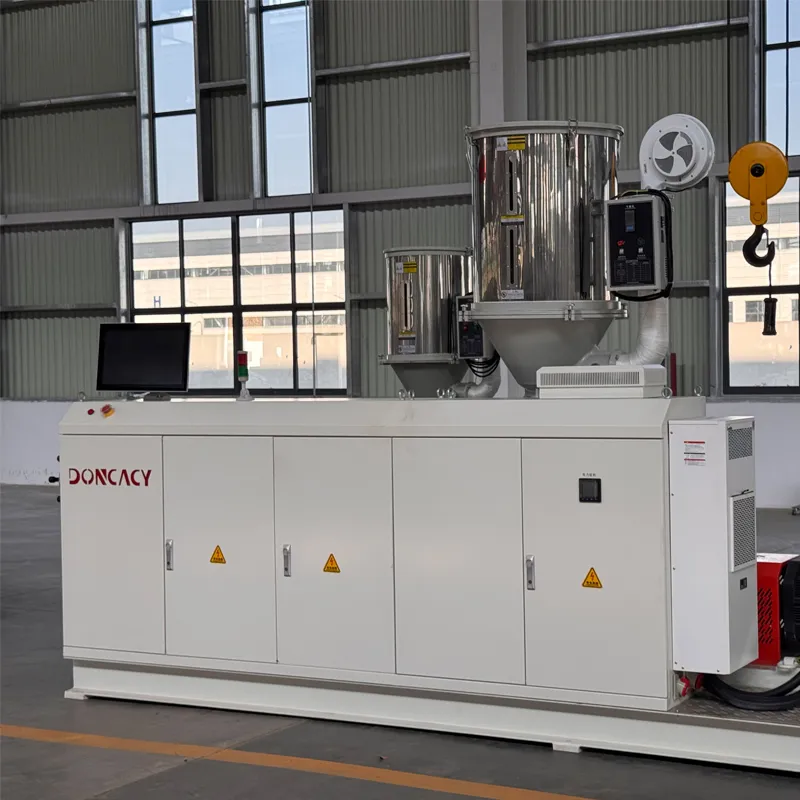
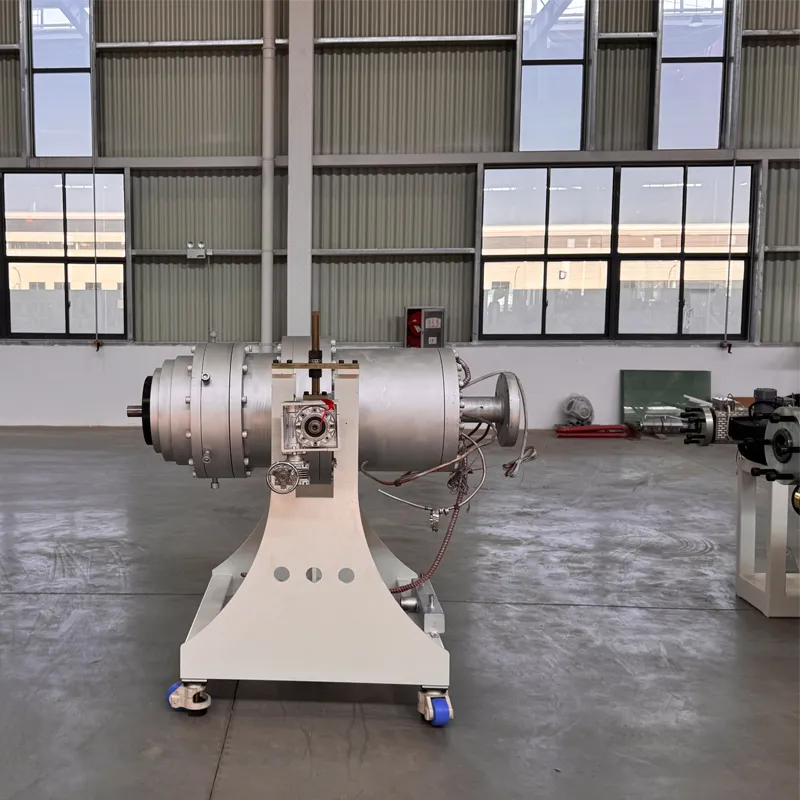
Typical Ppr Pipe Production Line flow: hopper drying (as needed) → gravimetric blending (PP-R random copolymer + antioxidant package; optional color masterbatch) → single-screw extruder → co-extrusion stripe (if required) → spiral die → vacuum sizing tank → spray cooling → haul-off (2–4 caterpillars) → in-line printer → planetary cutter → coiler/stacker. Real-world tweaks: some plants add automatic diameter control using ultrasonic probes in the first tank; it pays off on 20–63 mm hot/cold water pipes.
Testing and standards: dimensional per DIN 8077/8078; hydrostatic testing to ISO 1167 (e.g., 95°C at 10 bar for 1,000 h for certain classes); MFR by ISO 1133; OIT by ISO 11357-6 to monitor oxidative stability. Service life? Properly compounded PPR pipes target up to 50 years at 20°C under rated pressure per ISO 15874 assumptions—lab results are great, but plant discipline matters.
Applications and where it shines
Hot and cold water in residential towers, HVAC risers, industrial process lines (non-oxidizing media), compressed air (within spec), and—surprisingly—some telecom conduit markets still like PPR’s stiffness profile. For municipal water, many operators flip the same line over to HDPE tooling when bidding ISO 4427 supply mains. It’s a pragmatic setup: one platform, two businesses.
Specs snapshot (platform configured for PPR)
| Extruder | Single-screw SJ65/33 or SJ75/33, AC servo or high-torque motor |
| Output | ≈180–380 kg/h (real-world use may vary with recipe/diameter) |
| Pipe range | 20–160 mm (option to 250 mm with die set & tank upgrade) |
| Line speed | Up to around 25 m/min on small calibers |
| Controls | Siemens PLC + gravimetric dosing, optional ultrasonic diameter control |
| Downstream | 6–9 m vacuum tank, spray bath, 2–4 track haul-off, planetary cutter, coiler |
Vendor landscape (quick compare)
| Vendor | Highlights | Notes |
|---|---|---|
| Anhui DC, No. 26 Huzhou Rd, Nanqiao, Chuzhou | High-speed solid-wall platform; stable sizing; clean wiring | CE/ISO 9001; responsive after-sales; modular PPR/HDPE setup |
| Zhangjiagang Maker B | Strong on large diameters; heavy-duty tanks | Slightly longer lead time; good for ≥250 mm |
| Qingdao Integrator C | Cost-effective; fast delivery | Controls vary by batch; verify PLC brand |
Customization, QA, and real feedback
Customization most buyers request: co-ex stripe extruders, quick-change dies, in-line inkjet (QR/traceability), and smart alarms for vacuum/temperature drift. QA teams usually ask for factory FAT with hydrostatic test coupons and OIT samples. One customer told me their scrap rate fell below 1.2% after switching to closed-loop diameter control—wasn’t miraculous, just disciplined calibration.
Case notes
Municipal contractor in Eastern Europe ran a Ppr Pipe Production Line on 20–63 mm hot water pipes Monday–Wednesday, then swapped to HDPE conduit on Thursday using the same base line and a different die set. Changeover in 3.5 hours (not bad), line speed at 22 m/min on 25 mm with steady ovality ≤0.4%.
Why this platform
It seems that high-efficiency solid-wall extrusion like Anhui DC’s HDPE-class base gives you headroom. You get continuous, stable production, precise wall-thickness control, and enough torque to handle tougher PPR batches without babysitting. In fact, that’s what keeps operators loyal—less fiddling, more meters on the reel.
Certifications and documentation
Expect ISO 9001 quality system, CE compliance, and the ability to run to ISO 15874 (PPR) and DIN 8077/8078 dimensions. For HDPE retooling, ISO 4427 applies.
References
- ISO 15874 Plastics piping systems for hot and cold water installations — Polypropylene (PP)
- DIN 8077/8078 Polypropylene (PP) pipes — Dimensions and requirements
- ISO 4427 Polyethylene (PE) pipes for water supply
- ASTM F2389 Pressure-rated polypropylene (PP) piping systems
- ISO 1167 Thermoplastics pipes — Resistance to internal pressure
- ISO 1133 Plastics — Determination of melt mass-flow rate (MFR)
- ISO 11357-6 DSC — Oxidation induction time (OIT) determination
-
High Efficiency PE Extrusion Line Guide for Plastic ManufacturingNewsApr.16,2026
-
High Speed Steel Wire Mesh HDPE Composite Pipe Production Line - Anhui Dongchai|High Automation&Energy EfficiencyNewsApr.13,2026
-
High Speed Steel Wire Mesh HDPE Composite Pipe Production Line - Anhui Dongchai|High Automation&Energy EfficiencyNewsApr.13,2026
-
Guide to Choosing High Efficiency ppr pipe extrusion machineNewsApr.09,2026
-
Comprehensive Guide to Modern Pipe Production Line Technologies and OptimizationNewsApr.07,2026
-
Choosing the Right Extrusion Pipe Machine for Optimal Plastic Pipe ProductionNewsApr.04,2026
-
Comprehensive Guide to PPR Pipe Extrusion Line Technology and ApplicationsNewsMar.31,2026


