
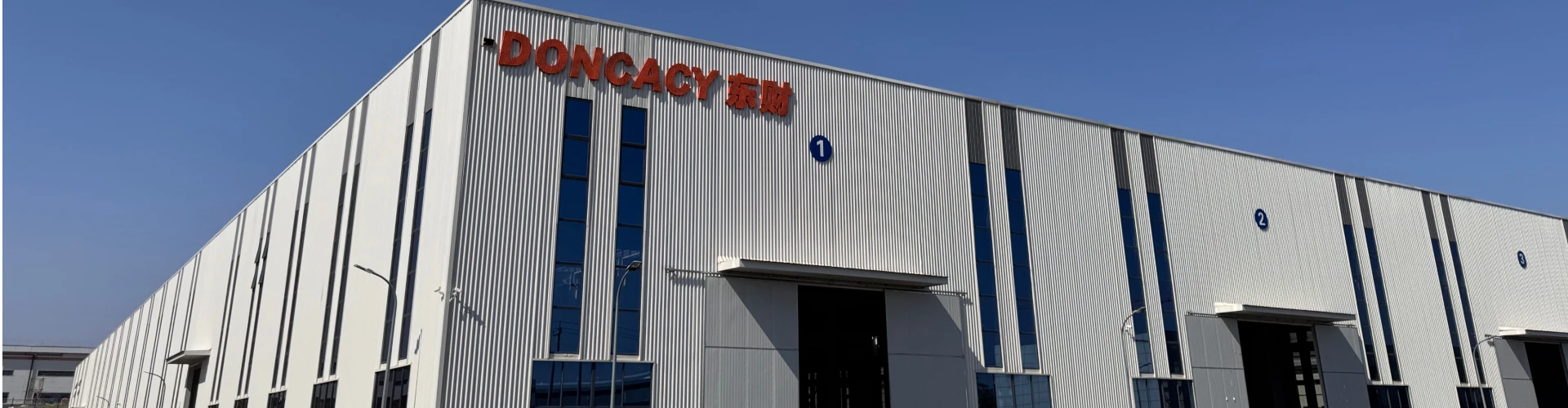
The Advanced Composite Pipe Production Line: Engineering Excellence in Modern Infrastructure
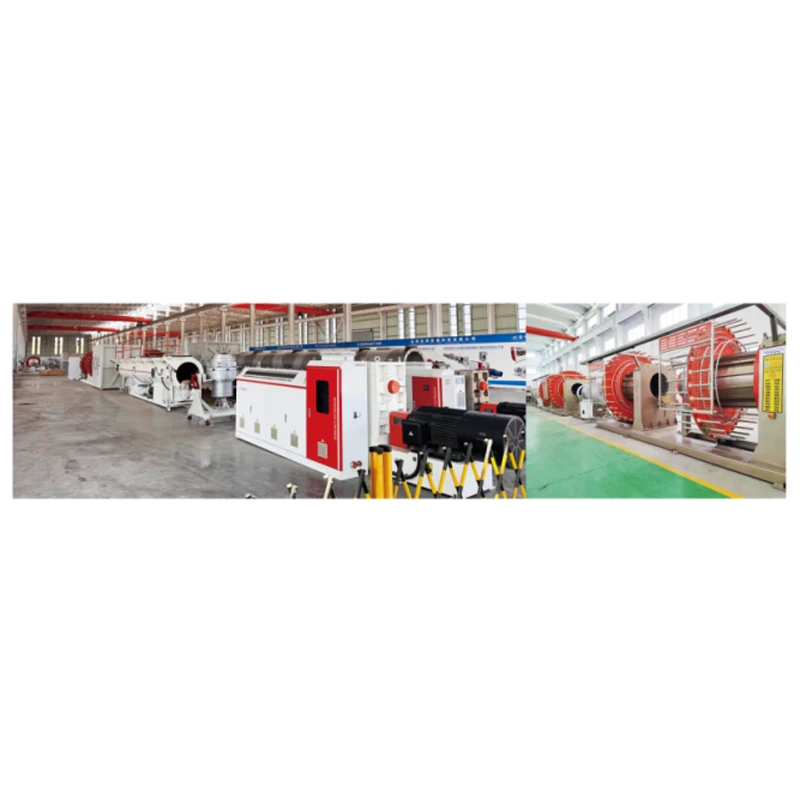
In the realm of modern infrastructure, the demand for robust, high-performance piping solutions is ever-increasing. This necessitates sophisticated manufacturing capabilities, exemplified by the advanced composite pipe production line. These systems are pivotal in producing steel wire mesh skeleton reinforced polyethylene composite pipes, which offer a superior alternative to traditional piping materials across diverse industries. Our expertise in designing and manufacturing high-speed production lines ensures unparalleled efficiency, reliability, and product quality, catering to the stringent demands of global markets.
The integration of steel wire mesh within a polyethylene matrix combines the strength of steel with the chemical resistance and flexibility of plastic, resulting in pipes with exceptional pressure bearing capacity and longevity. This article delves into the intricate process flow, technical advantages, application scenarios, and market dynamics of these cutting-edge production systems, providing comprehensive insights for industry professionals and decision-makers.
Detailed Process Flow of the Composite Pipe Production Line
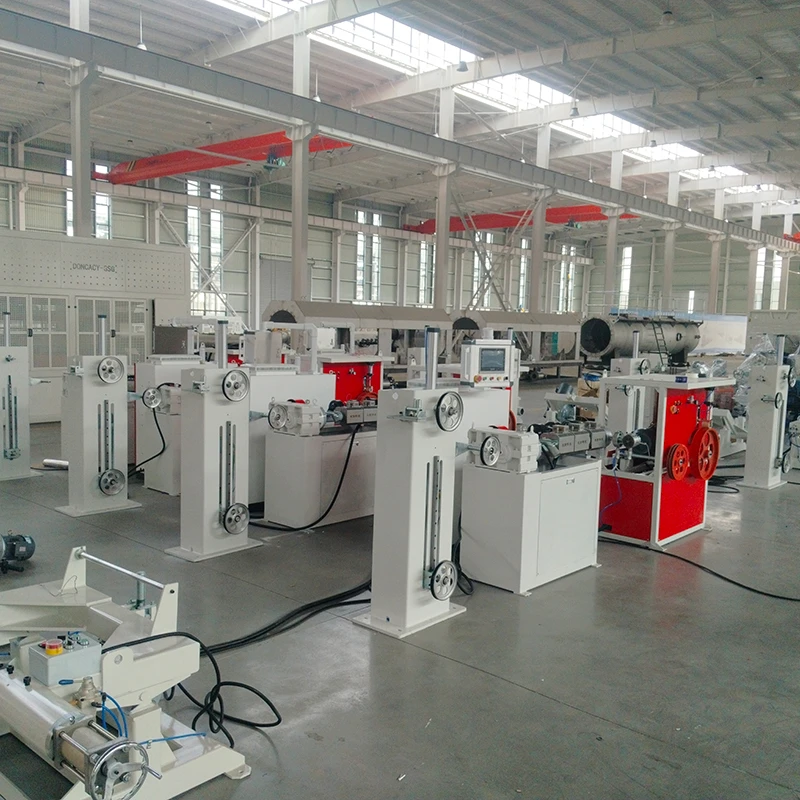
The manufacturing of steel wire mesh skeleton reinforced polyethylene composite pipes on a modern composite pipe production line is a highly automated and precise process, designed to ensure material integrity and structural superiority. The process involves several critical stages, each contributing to the final product's performance.
Key Steps in Production:
- Raw Material Preparation: High-density polyethylene (HDPE) granules, often pre-colored and stabilized, are loaded into separate extrusion hoppers. The steel wire, typically high-strength carbon steel, is fed from spools into the mesh weaving unit. Adhesion resins (e.g., modified PE) are also prepared for the bonding layers.
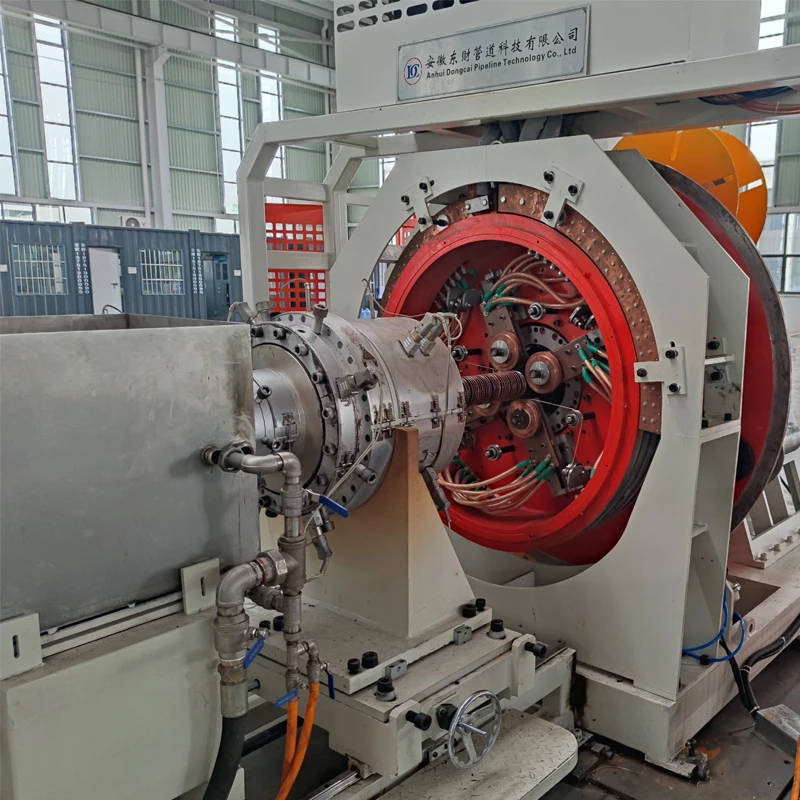
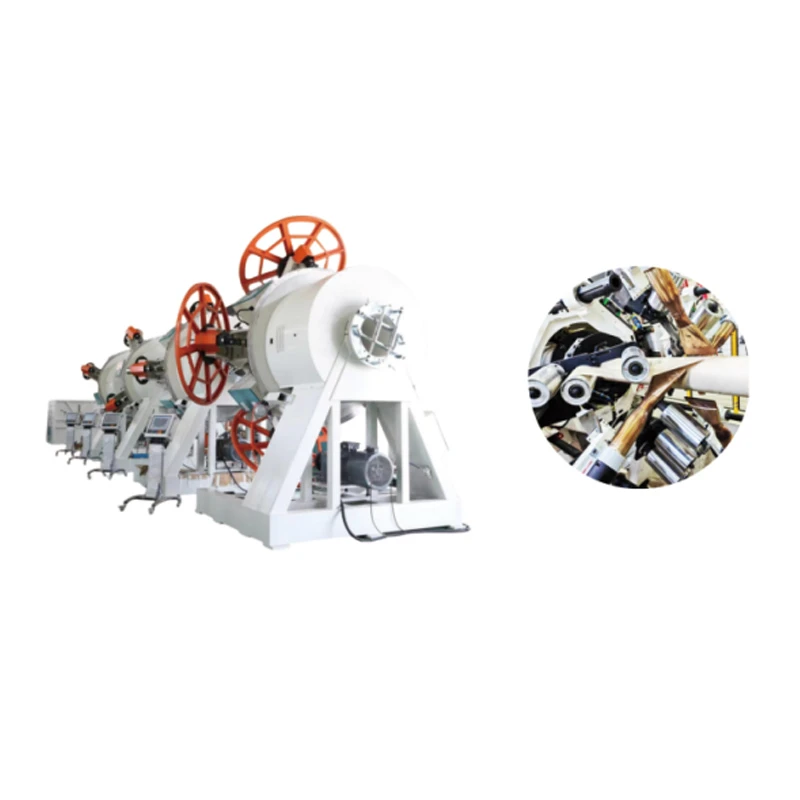
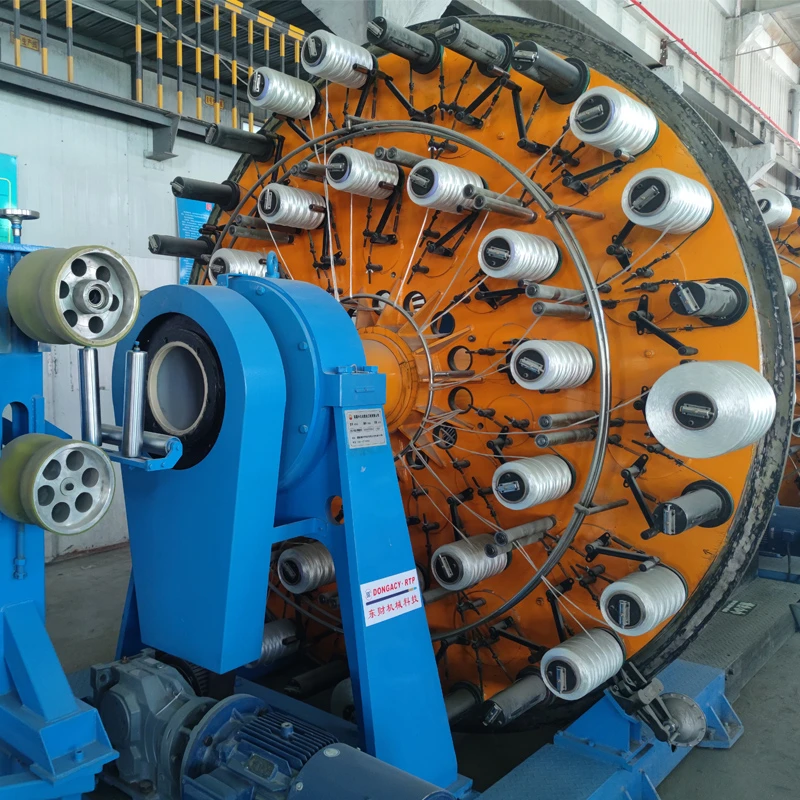
- Steel Wire Mesh Skeleton Formation: The steel wire is precisely woven or spirally wound into a cylindrical mesh structure. This forms the reinforcing skeleton, providing the pipe's primary resistance to internal pressure. The quality of this mesh is crucial, with stringent tolerances for wire diameter and mesh spacing.
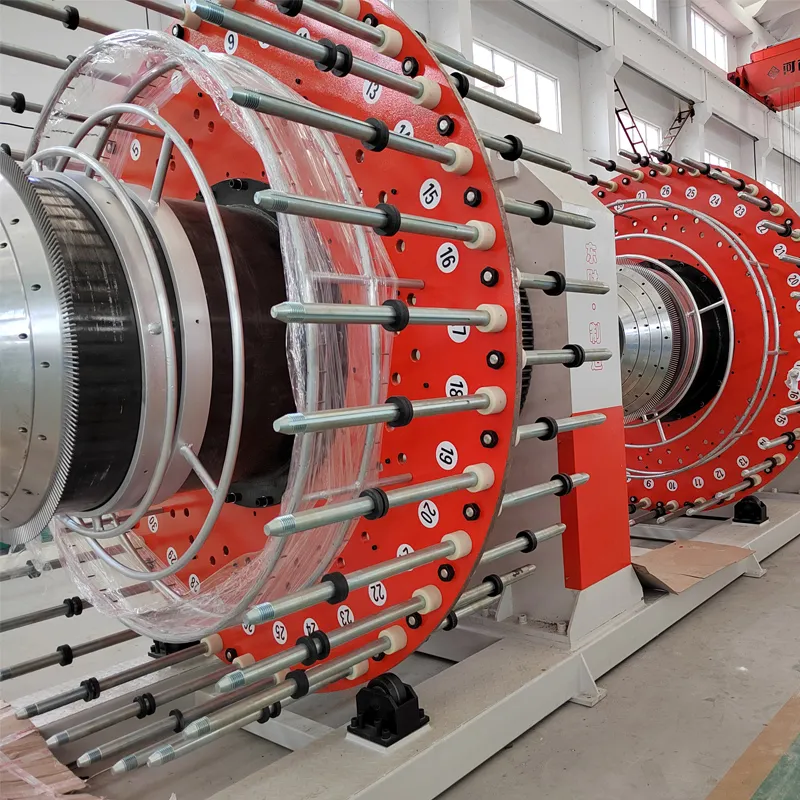
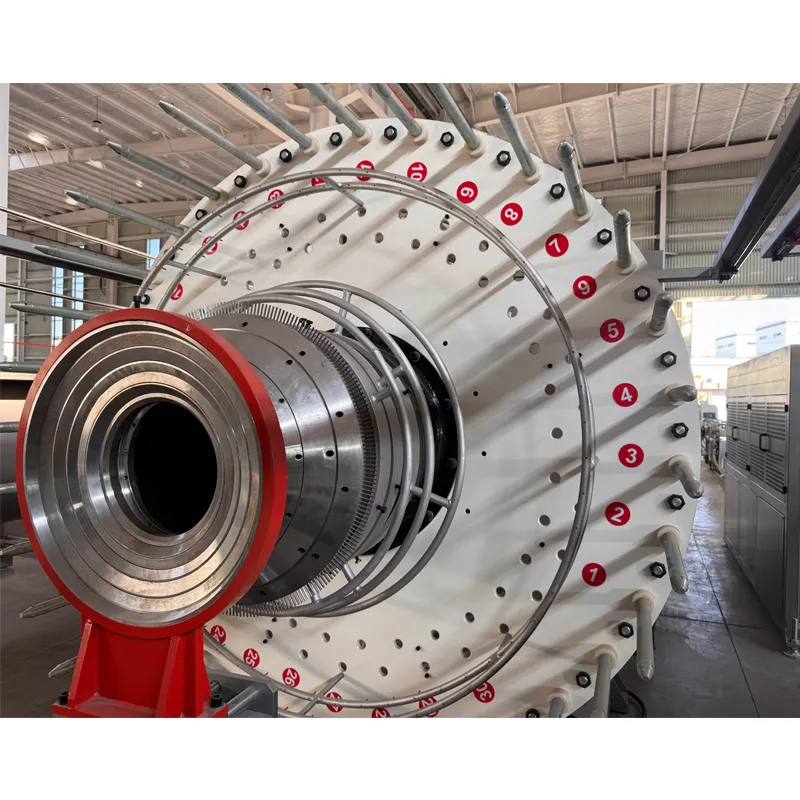
- Inner Layer Extrusion: The first layer of HDPE, often a natural or black compound, is extruded around the pre-formed steel wire mesh skeleton. This forms the smooth inner surface of the pipe, ensuring low fluid resistance and excellent chemical compatibility. The extrusion process employs high-precision dies and temperature controls.
- Adhesion Layer Application: A specialized adhesive resin layer is co-extruded or applied over the inner HDPE layer and the steel mesh. This crucial step ensures robust bonding between the HDPE and the steel, preventing delamination and enhancing the composite's overall strength.
- Outer Layer Extrusion: The final layer of HDPE, typically black for UV resistance, is extruded over the adhesion layer. This encases the entire structure, providing external protection against environmental factors, abrasion, and minor impacts.
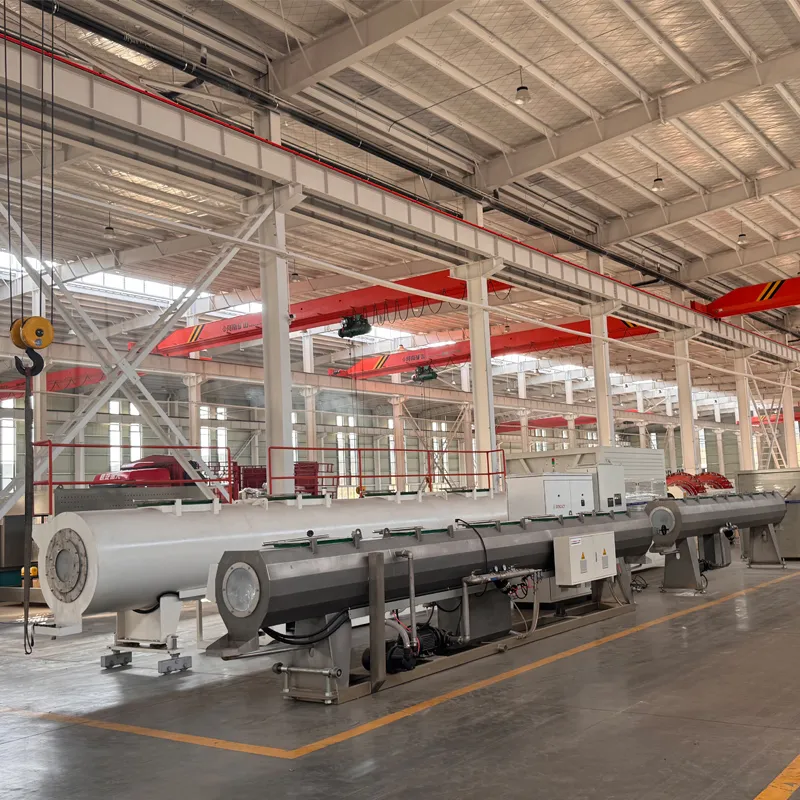
- Cooling and Sizing: The multi-layered pipe then passes through a series of vacuum calibration tanks and cooling baths. Precise temperature control and vacuum pressure ensure the pipe maintains its dimensional stability (diameter, wall thickness) and roundness as it cools.
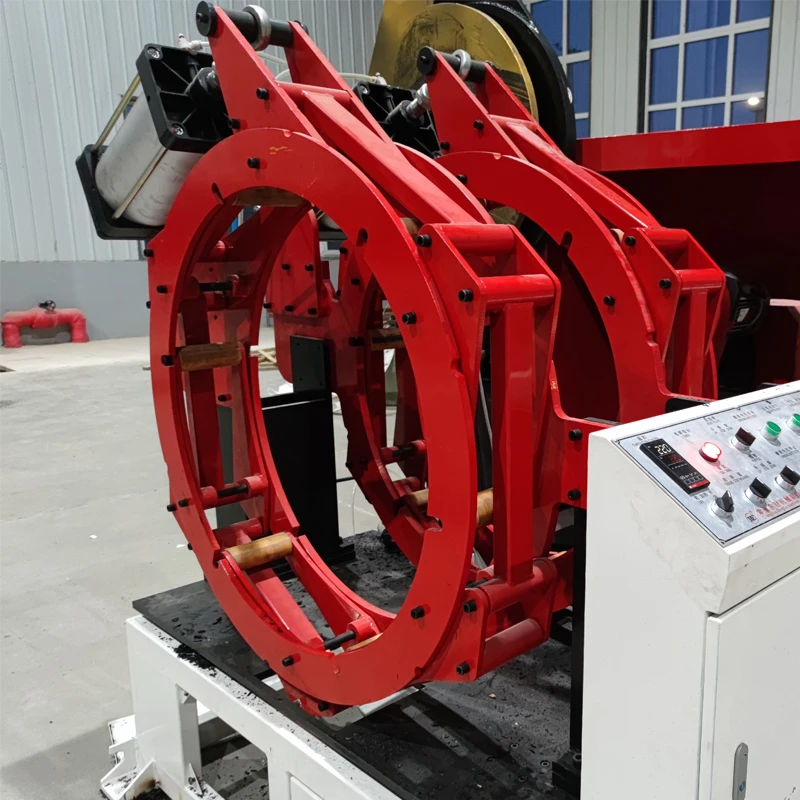
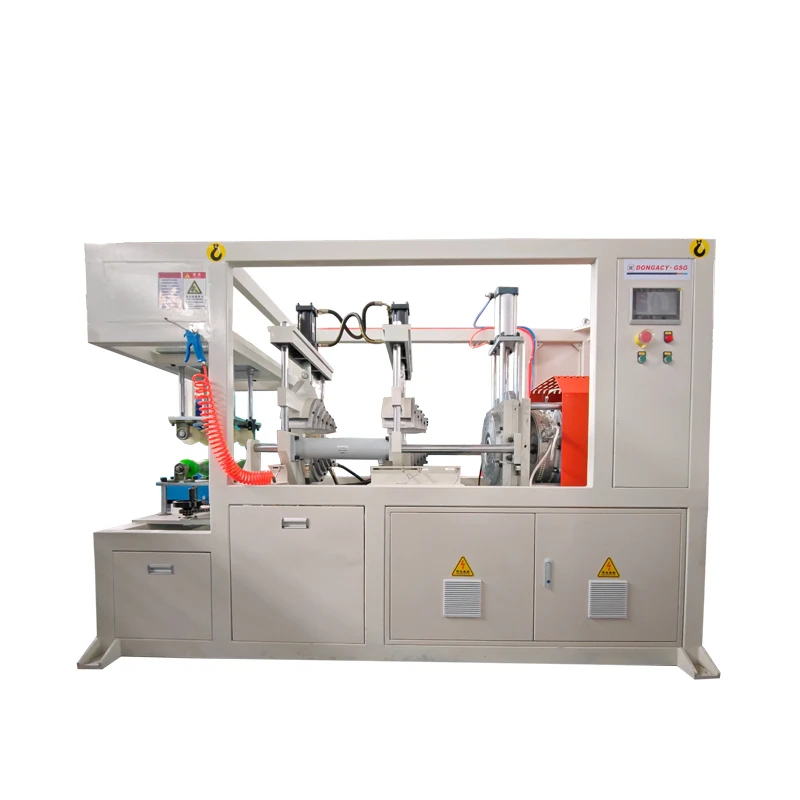
- Haul-off and Cutting: A robust haul-off unit pulls the pipe consistently through the line, preventing deformation. An automated cutting unit then cuts the pipe to specified lengths, usually controlled by a length counter.
- Testing and Quality Control: Each pipe batch undergoes rigorous testing, including hydrostatic pressure tests (to ISO 9080, ASTM D1598 standards), tensile strength tests, burst pressure tests, and impact resistance tests. Dimensional accuracy (OD, ID, wall thickness) is continuously monitored.
This intricate process, often integrating advanced casting and CNC machining for precision components within the line, ensures a service life often exceeding 50 years under normal operating conditions. Target industries include petrochemical, metallurgy, mining, water supply & drainage, and gas distribution, where advantages like energy saving (due to smooth bore), superior corrosion resistance, and high-pressure capability are paramount.
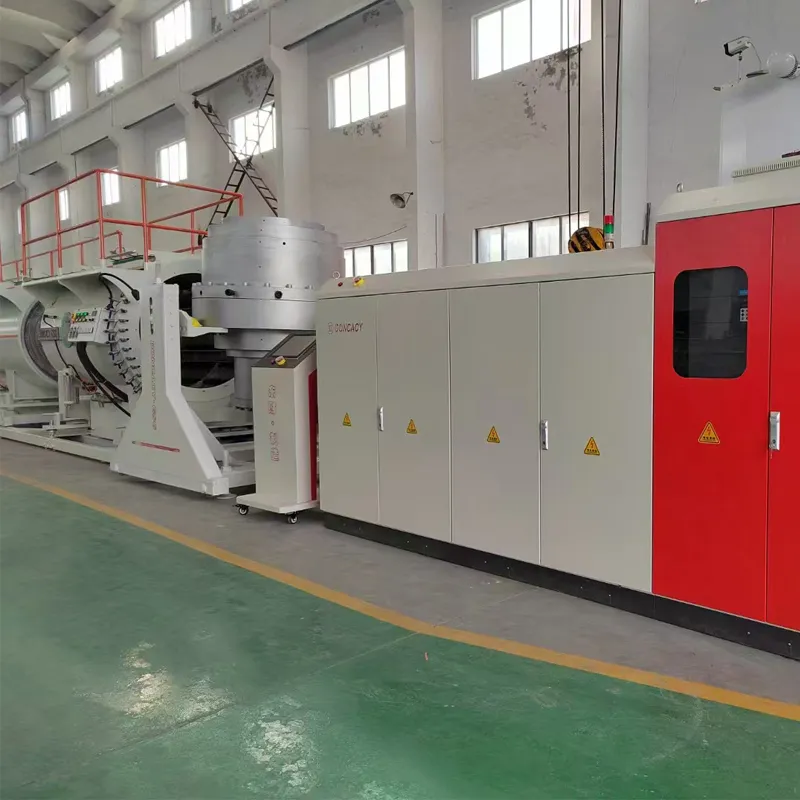
Industry Trends and Market Dynamics
The market for advanced piping solutions is undergoing significant transformation, driven by increasing urbanization, industrialization, and the need for sustainable infrastructure. The demand for pipes that offer extended service life, reduced maintenance, and superior performance under challenging conditions is pushing innovation in the composite pipe production line sector.
- Sustainability Focus: Manufacturers are increasingly focusing on energy-efficient production lines and recyclable materials. HDPE's recyclability, combined with the longevity of composite pipes, aligns with global sustainability goals.
- Smart Manufacturing (Industry 4.0): Integration of IoT sensors, real-time data analytics, and AI-driven process optimization is becoming standard. This allows for predictive maintenance, enhanced quality control, and significant improvements in production efficiency for the composite pipe production line.
- Increased Diameters and Pressure Ratings: There's a growing need for larger diameter pipes capable of handling higher pressures, especially in municipal water distribution and oil & gas transmission. This drives innovation in extrusion technology and reinforcement techniques.
- Emergence of New Materials: While HDPE remains dominant, research into combining other polymers (e.g., PE-RT, PEX) with steel reinforcement is ongoing to tailor pipes for specific temperature and chemical resistance requirements.
- Competitive Pricing and Efficiency: As technology matures, the focus remains on optimizing the hdpe machine price and operational costs while maintaining high quality. Automation plays a critical role in achieving this balance.
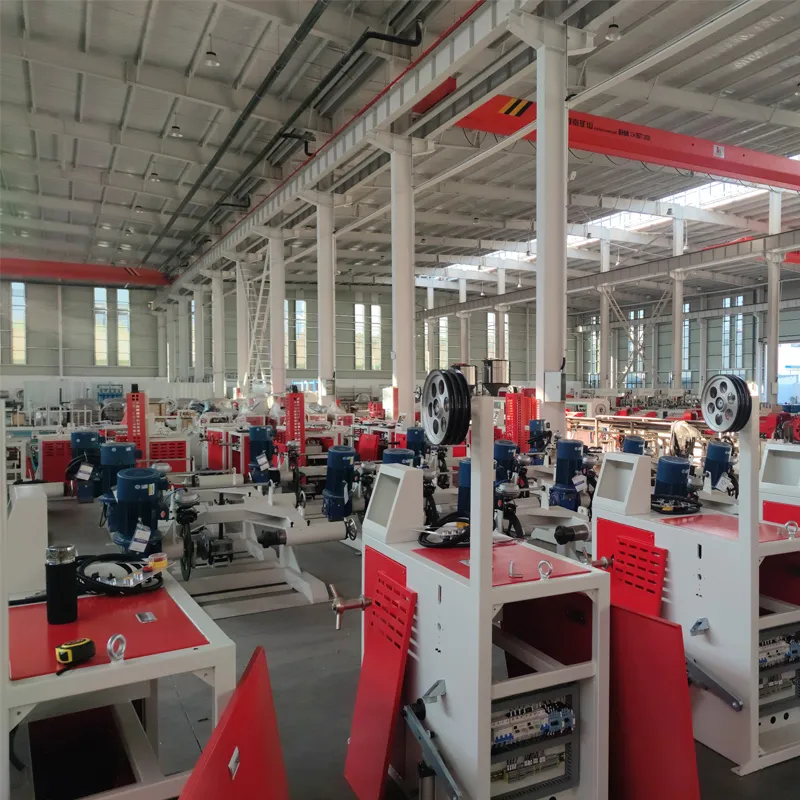
Technical Specifications and Performance Parameters
Our High Speed Steel Wire Mesh Skeleton Reinforced Polyethylene Composite Pipe Production Line is engineered for precision and high output. Below are typical technical specifications and performance parameters that highlight the capabilities of such advanced machinery.
Product Specification Table: Composite Pipe Production Line
| Parameter | Specification/Value | Unit |
|---|---|---|
| Pipe Diameter Range (OD) | DN50 - DN630 | mm |
| Maximum Extrusion Capacity | 600 - 1500 | kg/h |
| Line Speed | 0.5 - 5.0 | m/min |
| Steel Wire Tensile Strength | > 900 | MPa |
| Operating Pressure Rating | PN6 - PN35 | Bar |
| Power Consumption (Typical) | 250 - 600 | kW |
| Temperature Resistance | -40°C to +80°C | °C |
| Control System | PLC with HMI Touchscreen | - |
| Adherence to Standards | ISO 9001, CE, ASTM, GB | - |
These specifications underline the precision engineering and robust capabilities inherent in a high-quality composite pipe production line. The ability to produce pipes with a wide range of diameters and pressure ratings is critical for market versatility.
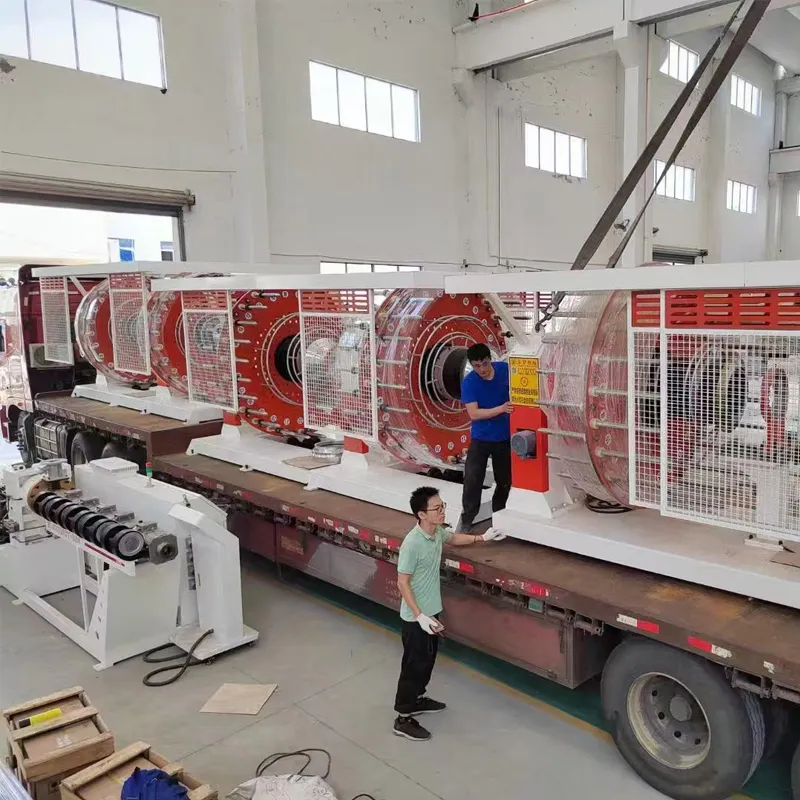
Application Scenarios and Technical Advantages
Steel wire mesh reinforced composite pipes, produced on an efficient composite pipe production line, offer distinct advantages over traditional piping materials, making them suitable for a myriad of demanding applications.
Typical Application Scenarios:
- Municipal Water Supply & Drainage: High pressure resistance, corrosion immunity, and long service life reduce leakage and maintenance costs.
- Oil & Gas Transmission: Excellent chemical resistance to hydrocarbons and high operating pressures make them ideal for crude oil, natural gas, and refined product pipelines.
- Chemical Industry: Resistance to a wide range of corrosive chemicals is crucial for process piping, minimizing contamination and extending infrastructure life.
- Mining Operations: Used for slurry transport, water supply, and dewatering, where abrasion resistance and robust construction are essential in harsh environments.
- Power Plants: Cooling water systems and ash slurry lines benefit from the pipes' durability and resistance to scaling.
Key Technical Advantages:
- High Pressure Resistance: The steel wire mesh skeleton provides exceptional circumferential stiffness and longitudinal strength, allowing for significantly higher operating pressures compared to solid plastic pipes. This reduces pipe wall thickness requirements, saving material and weight.
- Superior Corrosion Resistance: The HDPE layers completely encapsulate the steel, preventing direct contact with corrosive fluids or environments. This eliminates internal and external corrosion, a major failure point for metal pipes.
- Excellent Chemical Stability: HDPE is inert to a vast array of acids, bases, and salts, making these pipes suitable for transporting various industrial chemicals without degradation.
- Low Flow Resistance: The smooth inner surface of the polyethylene significantly reduces friction, minimizing head loss and energy consumption in pumping systems. This translates to substantial energy saving benefits over the pipe's service life.
- Long Service Life: Designed for a service life of 50 years or more, these pipes offer exceptional durability, reducing the need for frequent replacements and maintenance.
- Impact Resistance and Flexibility: The inherent flexibility of polyethylene, combined with the strength of the steel mesh, provides excellent resistance to ground movement, seismic activity, and external impacts.
- Easy Installation: Lighter than steel pipes and available in long lengths, they simplify transportation and installation. Electrofusion welding provides strong, leak-proof joints.
Vendor Comparison and Market Positioning
When investing in a composite pipe production line, evaluating potential vendors is crucial. Key differentiating factors include technological sophistication, after-sales support, customization capabilities, and the overall value proposition, including the hdpe machine price relative to its performance and longevity.
Comparison Table: Leading Composite Pipe Production Line Manufacturers
| Feature | Our Product Line | Competitor A (Premium) | Competitor B (Economy) |
|---|---|---|---|
| Extruder Technology | High-efficiency, low-melt-temp screws (optimized for HDPE) | Twin-screw co-extrusion for specialized polymers | Standard single-screw extrusion |
| Max Pipe Diameter | DN630 | DN1200+ | DN400 |
| Control System | Siemens/Schneider PLC with HMI, remote diagnostics | Proprietary AI-driven control, fully integrated ERP | Basic PLC, localized components |
| Energy Efficiency | High (optimized motors, insulated barrels) | Very High (advanced heat recovery) | Standard |
| After-sales Support | Global service network, 24/7 remote support, on-site training | Premium global support, dedicated account managers | Regional support, limited remote assistance |
| Certifications | ISO 9001, CE | ISO 9001, CE, ATEX, various national standards | CE |
Our line strikes an optimal balance between advanced technology, robust performance, and a competitive hdpe machine price. With decades of experience in the industry, we offer solutions that are both technically sophisticated and economically viable, underpinned by strong authoritative references like ISO certification and a proven track record with numerous clients globally.
Customized Solutions and Application Case Studies
Understanding that each project has unique requirements, we specialize in providing customized solutions for our composite pipe production line offerings. Our engineering team works closely with clients to tailor equipment specifications, automation levels, and auxiliary components to perfectly match their production goals and operational environment.
Customization Options Include:
- Diameter and Pressure Range: Adapting the line to produce pipes from DN20 up to DN1200 with varying pressure classes (PN6 to PN40+).
- Material Compatibility: Configuration for different polymer types (HDPE, MDPE, PE-RT) and steel wire specifications.
- Automation Levels: From semi-automatic systems to fully integrated, intelligent production lines with minimal human intervention.
- Downstream Equipment: Custom cooling tanks, haul-off units, cutting saws, and coiling/stacking systems to optimize output and handling.
- Energy Efficiency Packages: Including advanced heating and cooling systems, energy recovery modules, and variable frequency drives for maximum energy saving.
Application Case Studies:
Case Study 1: Large-Scale Municipal Water Project, Middle East
A major utility company in the Middle East required a robust piping solution for their expanding municipal water distribution network. They selected our composite pipe production line, configured for producing DN400 PN16 pipes. Our solution included specialized co-extrusion dies and an integrated quality control system for real-time wall thickness monitoring. The customer reported a 30% reduction in pipe installation time compared to traditional ductile iron pipes and significantly lower overall project costs. "The reliability and performance of the pipes produced on their line have exceeded our expectations, contributing significantly to our city's infrastructure development," stated their project manager.
Case Study 2: Industrial Chemical Transport, Southeast Asia
An industrial conglomerate in Southeast Asia needed pipes capable of transporting aggressive chemical effluents at elevated temperatures. We provided a custom composite pipe production line with enhanced temperature control features and specialized adhesion agents. The resulting pipes offered superior chemical resistance and sustained performance under demanding conditions. Client feedback highlighted the minimal downtime and consistent quality, leading to their decision to order additional lines for other facilities.
Trustworthiness: FAQ, Lead Time, Warranty, and Support
Establishing trust with our clients is paramount. We achieve this through transparent processes, clear commitments, and robust support systems for every composite pipe production line we deliver.
Frequently Asked Questions (FAQ):
- Q1: What are the typical lead times for a complete composite pipe production line?
- A1: Standard lines typically have a lead time of 90-120 days from order confirmation to shipment. Custom configurations may require additional time, generally 120-180 days, depending on complexity.
- Q2: What kind of warranty is offered on the equipment?
- A2: We offer a standard 12-month warranty on all mechanical and electrical components from the date of commissioning or 18 months from shipment, whichever comes first. Extended warranty options are available upon request.
- Q3: Can you provide installation and training services?
- A3: Absolutely. Our experienced engineers provide comprehensive on-site installation, commissioning, and operational training for your technical team. We ensure your staff is fully proficient in operating and maintaining the composite pipe production line.
- Q4: How does your hdpe machine price compare to competitors?
- A4: Our pricing strategy focuses on delivering optimal value, balancing cutting-edge technology with cost-effectiveness. While specific `hdpe machine price` varies by configuration, we aim to provide a superior return on investment through energy efficiency, high output, and minimal maintenance requirements, making our lines highly competitive in the mid-to-high performance segment.
Lead Time & Fulfillment Details:
Our manufacturing facility operates under strict ISO 9001 quality management systems, ensuring efficient production and timely delivery. We provide detailed project timelines, including engineering design, component procurement, manufacturing, assembly, factory acceptance testing (FAT), packaging, and logistics. Clients receive regular updates throughout the fulfillment process.
Warranty Commitments:
Beyond the standard warranty, we offer a commitment to the long-term performance and reliability of our equipment. This includes guaranteed availability of spare parts for at least 10 years after purchase and preferential rates for maintenance contracts.
Customer Support Information:
Our dedicated customer support team is available 24/7 for technical assistance, troubleshooting, and spare parts inquiries. We offer multilingual support, remote diagnostics capabilities, and a global network of service engineers ready for on-site interventions. Our goal is to minimize downtime and ensure continuous, optimal operation of your composite pipe production line.
Conclusion
The investment in a state-of-the-art composite pipe production line represents a strategic decision for manufacturers aiming to meet the growing global demand for high-performance, durable, and cost-effective piping solutions. Our High Speed Steel Wire Mesh Skeleton Reinforced Polyethylene Composite Pipe Production Line combines advanced engineering with robust construction, ensuring a superior product output and an excellent return on investment. By embracing industry trends, offering customized solutions, and providing unwavering support, we empower our clients to achieve manufacturing excellence and contribute to the development of resilient infrastructure worldwide.
References
- 1. International Organization for Standardization. ISO 9080:2012 Plastics piping and ducting systems — Determination of the long-term hydrostatic strength of thermoplastics materials.
- 2. ASTM International. ASTM D1598-02(2021) Standard Test Method for Time-to-Failure of Plastic Pipe Under Constant Internal Pressure.
- 3. Plastics Pipe Institute (PPI). Handbook of Polyethylene Pipe. 2nd Edition.
- 4. European Committee for Standardization. EN 12201-2:2011 Plastic piping systems for water supply, and for drainage and sewerage under pressure — Polyethylene (PE) — Part 2: Pipes.
-
High Efficiency PE Extrusion Line Guide for Plastic ManufacturingNewsApr.16,2026
-
High Speed Steel Wire Mesh HDPE Composite Pipe Production Line - Anhui Dongchai|High Automation&Energy EfficiencyNewsApr.13,2026
-
High Speed Steel Wire Mesh HDPE Composite Pipe Production Line - Anhui Dongchai|High Automation&Energy EfficiencyNewsApr.13,2026
-
Guide to Choosing High Efficiency ppr pipe extrusion machineNewsApr.09,2026
-
Comprehensive Guide to Modern Pipe Production Line Technologies and OptimizationNewsApr.07,2026
-
Choosing the Right Extrusion Pipe Machine for Optimal Plastic Pipe ProductionNewsApr.04,2026
-
Comprehensive Guide to PPR Pipe Extrusion Line Technology and ApplicationsNewsMar.31,2026


