
The Ultimate Guide to Choosing a PPR Pipe Extrusion Machine
In the modern construction and plumbing industry, Polypropylene Random Copolymer (PPR) has become the gold standard for hot and cold water systems due to its corrosion resistance and durability. To produce these high-quality pipes, manufacturers rely on a high-performance ppr pipe extrusion machine, which transforms raw plastic granules into precise, seamless piping. Whether you are starting a new production line or upgrading an existing facility, understanding the technical nuances of extrusion technology is key to ensuring product consistency and operational efficiency. This guide explores everything from technical specifications to maintenance strategies for optimal output.
How a PPR Pipe Extrusion Machine Works
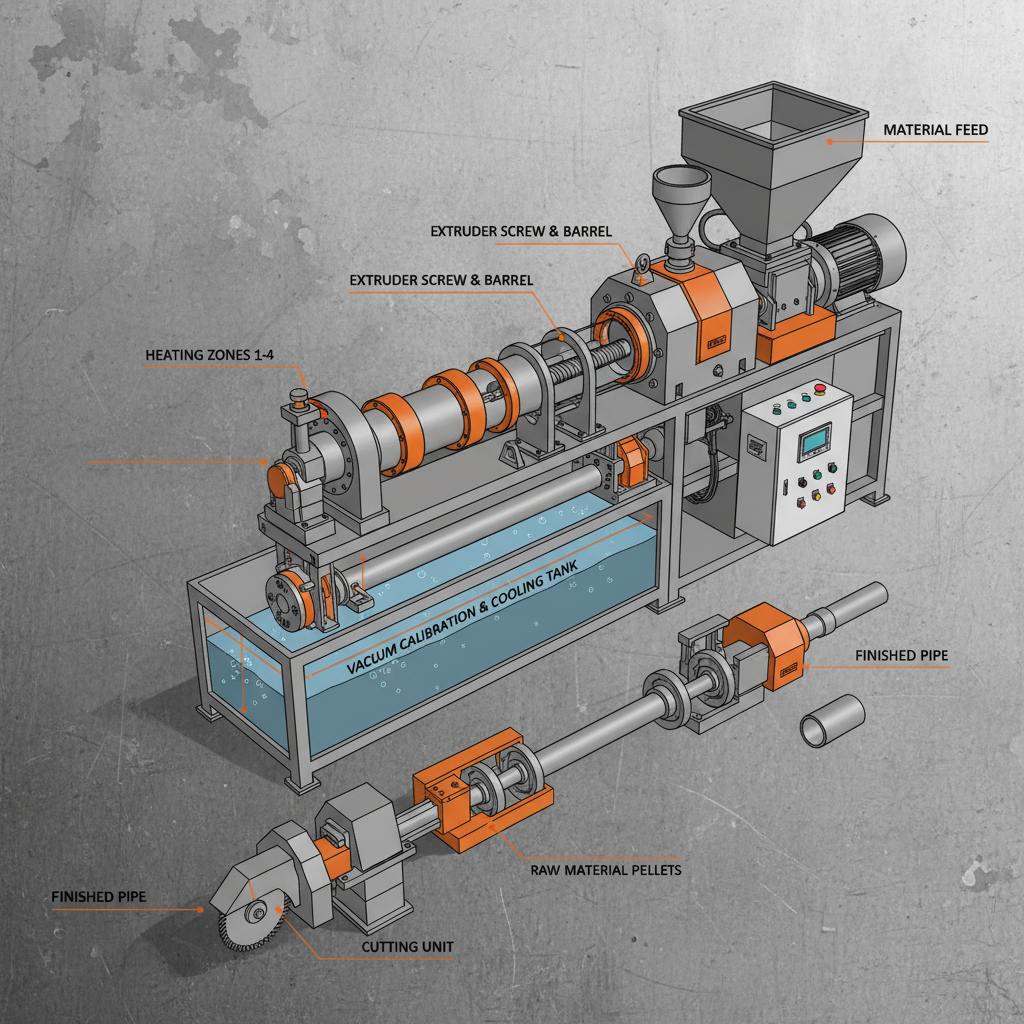
The process begins with the feeding of PPR granules into a heated barrel. Inside, a rotating screw compresses and melts the material through a combination of external heating and internal friction. The molten plastic is then forced through a precision-engineered die head, which determines the outer and inner diameter of the pipe. To ensure the pipe maintains its shape and dimensions, it passes through a vacuum sizing tank and a cooling water bath. The ppr pipe extrusion machine utilizes a sophisticated control system to regulate temperature and screw speed, preventing material degradation and ensuring a smooth surface finish.
Pro Tip: Maintaining a precise temperature profile across the barrel zones is critical. Even a minor deviation can lead to "shark skin" defects or uneven wall thickness in the final pipe.
Key Technical Components of High-Efficiency Extruders
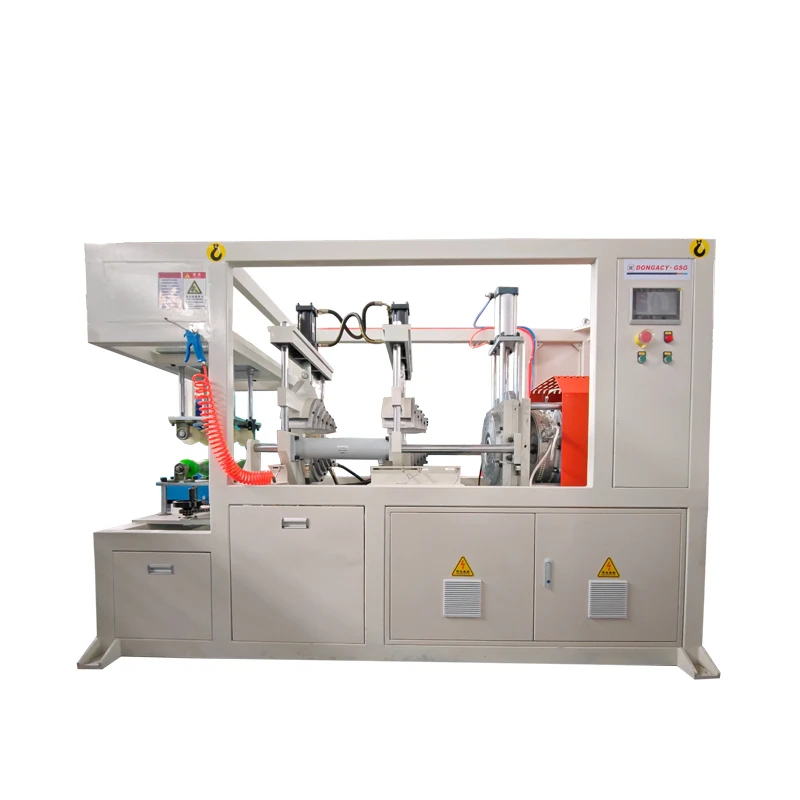
A professional-grade ppr pipe extrusion machine is composed of several critical modules. The extruder screw is typically made from high-strength alloy steel with a chrome plating to resist wear. The PLC Control System acts as the brain of the operation, allowing operators to monitor pressure and speed in real-time. Additionally, the vacuum calibration unit is essential for ensuring that the pipes meet strict international standards for diameter tolerance. Integration of an automatic hauling-off machine ensures that the pipe is pulled at a constant speed, avoiding stretching or compression.
PPR Pipe Extrusion Machine: Specification Comparison
When selecting equipment, it is vital to compare the output capacity and power requirements based on your production goals. Small-scale operations may prefer a compact setup, while industrial plants require high-torque, high-output lines. Below is a detailed comparison between a standard model and a high-output professional ppr pipe extrusion machine.
Maximizing ROI with Your PPR Production Line
Investing in a ppr pipe extrusion machine is a significant capital expenditure. To maximize your return on investment (ROI), focus on reducing material waste and minimizing downtime. Implementing a closed-loop water recycling system for the cooling tanks can significantly lower utility costs. Moreover, using high-quality raw materials prevents blockages in the extruder, extending the life of the screw and barrel. Regular training for operators on how to calibrate the die head can reduce the amount of scrap produced during the startup phase of production.
Ways to Increase Efficiency:
• Implement automated cutting systems to reduce manual labor
• Use frequency converters to optimize motor energy consumption
• Schedule bi-weekly inspections of the heating elements
• Optimize the cooling rate to prevent pipe shrinkage
Maintenance and Troubleshooting for Extrusion Machines
Even the most robust ppr pipe extrusion machine requires diligent maintenance to avoid costly unplanned stops. The most common issues include heater band failure and screw wear. Regularly cleaning the hopper and ensuring the PPR granules are free from contaminants prevents "burn marks" on the pipe surface. It is recommended to lubricate the gearbox according to the manufacturer's schedule and check the vacuum pumps for leaks, as a loss of vacuum pressure directly affects the pipe's roundness and outer diameter.
Conclusion: Elevating Your Production with Quality Machinery
Investing in a high-quality ppr pipe extrusion machine is the cornerstone of a successful plastics manufacturing business. By balancing technical precision, energy efficiency, and rigorous maintenance, producers can deliver piping solutions that meet the highest global standards. As the demand for durable and hygienic piping grows, staying equipped with the latest extrusion technology ensures your company remains competitive and profitable. Choose reliability, choose precision, and scale your production with confidence.
Frequently Asked Questions (FAQs)
How do I choose the right size for my PPR pipe extrusion machine?
Choosing the right size depends primarily on your required daily output and the range of pipe diameters you intend to produce. If you are focusing on residential plumbing (small diameters), a machine with a screw diameter of 45mm to 65mm is usually sufficient. However, for industrial applications requiring larger pipes and higher volume, you should opt for a professional series with a 90mm screw or larger. Additionally, consider the power capacity of your facility to ensure the machine's heating and motor requirements can be supported without electrical instability.
What is the average lifespan of a PPR extrusion line?
A high-quality extrusion line can last between 10 to 20 years if maintained correctly. The most wear-prone parts are the screw and the barrel, which may need refurbishment or replacement every 3-5 years depending on the abrasiveness of the raw materials used. To extend the lifespan, it is critical to avoid "dry running" the machine and to ensure that the heating elements are replaced as soon as they show signs of failure to prevent uneven thermal stress on the barrel.
Can I use recycled PPR material in these machines?
Yes, most ppr pipe extrusion machines can handle a percentage of regrind or recycled material. However, mixing recycled PPR with virgin resin requires careful control of the melting temperature to avoid degradation. We generally recommend a ratio of 20-30% recycled material to maintain the pipe's structural integrity and pressure rating. Using a degassing extruder can further help in removing volatiles and impurities from recycled materials, resulting in a cleaner final product.
How does the vacuum tank affect pipe quality?
The vacuum tank is essential for "calibration." As the molten PPR leaves the die, it is naturally prone to shrinking or collapsing. The vacuum tank pulls the outer wall of the pipe against a sizing sleeve while cooling water sprays the material. This ensures that the pipe remains perfectly circular and maintains the exact outer diameter required by industry standards. If the vacuum pressure is too low, the pipe may become oval; if it is too high, it can create internal stress in the plastic, leading to potential cracking during installation.
-
High Efficiency PE Extrusion Line Guide for Plastic ManufacturingNewsApr.16,2026
-
High Speed Steel Wire Mesh HDPE Composite Pipe Production Line - Anhui Dongchai|High Automation&Energy EfficiencyNewsApr.13,2026
-
High Speed Steel Wire Mesh HDPE Composite Pipe Production Line - Anhui Dongchai|High Automation&Energy EfficiencyNewsApr.13,2026
-
Comprehensive Guide to Modern Pipe Production Line Technologies and OptimizationNewsApr.07,2026
-
Choosing the Right Extrusion Pipe Machine for Optimal Plastic Pipe ProductionNewsApr.04,2026
-
Comprehensive Guide to PPR Pipe Extrusion Line Technology and ApplicationsNewsMar.31,2026
-
Understanding the Functionality and Applications of a Pipe Extruder SystemNewsMar.28,2026


