
Understanding the Capabilities of a Pipe Extruder
A pipe extruder is a high-volume manufacturing process for producing continuous pipes and tubing. This machine is vital in numerous industries, from construction and agriculture to telecommunications and oil & gas. Choosing the right pipe extruder is a critical decision. This article explores the functionality, types, applications, and key considerations when investing in a pipe extruder, with a focus on quality and efficiency. We’ll delve into the specifics that make these machines indispensable for modern production processes.
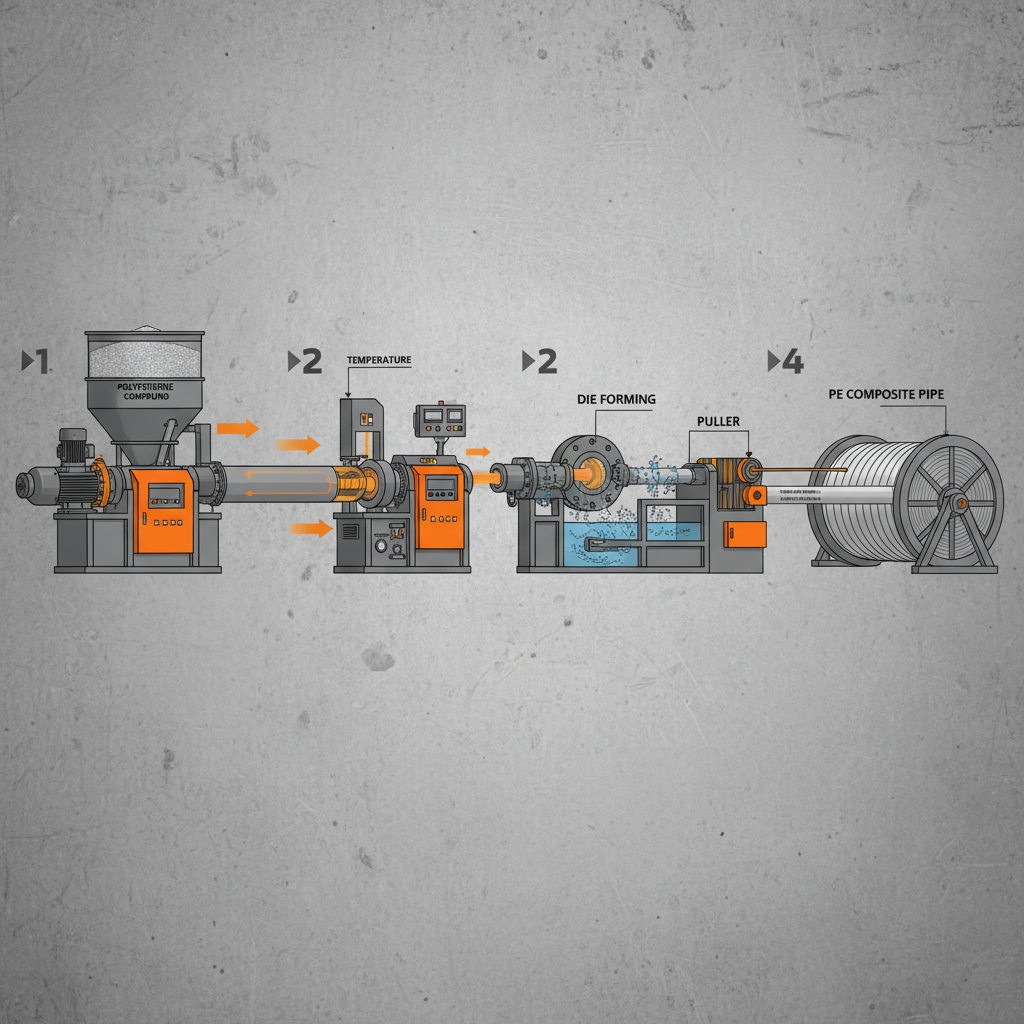
How a Pipe Extruder Works: A Simplified Overview
At its core, a pipe extruder melts plastic material and forces it through a die to create a continuous pipe shape. The process involves several key stages: feeding the raw material (typically plastic pellets) into a hopper, transporting it via a screw mechanism, heating and melting the plastic, forcing the molten plastic through a die, and finally, cooling and solidifying the pipe. The extruded pipe is then cut to the desired length and collected. Modern extruders utilize sophisticated control systems to precisely regulate temperature, pressure, and speed, ensuring consistent pipe quality.
Key Components: Screw, Barrel, Die, Heating Zones, Cooling System, Cutting Unit, and Control Panel.
Types of Pipe Extruders: Single-Screw vs. Twin-Screw
Pipe extruders are broadly classified into two main types: single-screw and twin-screw. Single-screw extruders are more common and generally more cost-effective, making them suitable for processing a wide range of plastics. Twin-screw extruders, however, offer superior mixing and are ideal for handling difficult materials or requiring precise formulations. They are generally more expensive and complex to operate but deliver higher output and better quality for specialized applications. Choosing between these types depends on the materials being processed, the desired output, and the budget. For more information on extruder types and applications, visit AHDC11's product catalog.
Single-Screw vs. Twin-Screw:
• Single-Screw: Cost-effective, versatile, suitable for general-purpose applications.
• Twin-Screw: Superior mixing, ideal for difficult materials, higher output, and better quality.
• Cost: Single-Screw (lower), Twin-Screw (higher)
Key Considerations When Selecting a Pipe Extruder
Several factors should be considered when selecting a pipe extruder. These include the type of plastic being processed (PVC, PE, PP, etc.), the desired pipe diameter and wall thickness, the required production capacity, and the level of automation needed. The power consumption and energy efficiency of the machine are also important, as are the availability of spare parts and technical support. Finally, consider the manufacturer's reputation and experience.
Applications of Pipe Extruders Across Industries
Pipe extruders serve a vast range of industries. In construction, they produce pipes for water supply, drainage, and sewage systems. Agriculture relies on them for irrigation pipes. The telecommunications industry utilizes them to manufacture conduit for cables. Oil & gas companies use large-diameter pipes for transporting fluids. Furthermore, pipe extruders are used in the production of medical tubing, automotive parts, and a variety of consumer products. The versatility of these machines makes them a cornerstone of modern manufacturing. AHDC11 offers solutions tailored for each of these sectors.
Maintaining and Troubleshooting Your Pipe Extruder
Regular maintenance is vital to ensure the longevity and optimal performance of your pipe extruder. This includes cleaning the screw and barrel, inspecting and replacing wear parts (such as the die and heating elements), and lubricating moving components. Common issues include inconsistent extrusion, uneven pipe diameter, and material degradation. Troubleshooting these problems often involves checking temperature settings, adjusting screw speed, and ensuring proper material feed. Preventative maintenance is always more cost-effective than dealing with unexpected breakdowns.
Conclusion: Investing in Quality and Reliability
Choosing the right pipe extruder is a significant investment. By carefully considering your specific needs, the type of material you'll be processing, and the quality and support offered by the manufacturer, you can ensure a smooth and efficient production process. AHDC11 is committed to providing high-quality pipe extruders and comprehensive support to help your business thrive.
Frequently Asked Questions (FAQs)
What types of plastics can a pipe extruder process?
Pipe extruders can process a wide variety of plastics, including Polyvinyl Chloride (PVC), Polyethylene (PE), Polypropylene (PP), Acrylonitrile Butadiene Styrene (ABS), and Polystyrene (PS). The specific type of extruder and die configuration will depend on the properties of the plastic being used. Some extruders are designed for specialized materials, such as high-density polyethylene (HDPE) or cross-linked polyethylene (PEX). It’s essential to select an extruder that’s compatible with the materials you plan to process to ensure optimal performance and product quality.
What is the typical output capacity of a pipe extruder?
The output capacity of a pipe extruder varies significantly depending on factors such as the extruder size, screw design, material being processed, and pipe diameter. Generally, output can range from a few kilograms per hour for small extruders to several tons per hour for large-scale production lines. Modern extruders often feature variable-speed drives and automated control systems to optimize output and maintain consistent quality.
What safety features should I look for in a pipe extruder?
Safety is paramount when operating a pipe extruder. Essential safety features include emergency stop buttons, protective guards around moving parts, temperature alarms, and overload protection systems. The extruder should also be equipped with a proper ventilation system to remove fumes and dust. Regular safety training for operators is crucial to ensure they understand the risks and know how to operate the machine safely. Always adhere to the manufacturer's safety guidelines and relevant industry standards.
How much does a pipe extruder cost?
The cost of a pipe extruder varies widely depending on its size, type (single-screw or twin-screw), automation level, and features. A basic single-screw extruder can cost anywhere from $30,000 to $100,000+, while a sophisticated twin-screw extruder with advanced automation can easily exceed $200,000 or more. Additional costs include installation, tooling, and training. It’s important to obtain quotes from multiple suppliers and carefully evaluate your specific needs before making a purchase. Contact AHDC11 for a custom quote.
-
High Efficiency PE Extrusion Line Guide for Plastic ManufacturingNewsApr.16,2026
-
High Speed Steel Wire Mesh HDPE Composite Pipe Production Line - Anhui Dongchai|High Automation&Energy EfficiencyNewsApr.13,2026
-
High Speed Steel Wire Mesh HDPE Composite Pipe Production Line - Anhui Dongchai|High Automation&Energy EfficiencyNewsApr.13,2026
-
Guide to Choosing High Efficiency ppr pipe extrusion machineNewsApr.09,2026
-
Comprehensive Guide to Modern Pipe Production Line Technologies and OptimizationNewsApr.07,2026
-
Choosing the Right Extrusion Pipe Machine for Optimal Plastic Pipe ProductionNewsApr.04,2026
-
Comprehensive Guide to PPR Pipe Extrusion Line Technology and ApplicationsNewsMar.31,2026


