
Choosing the Right Extrusion Pipe Machine for Your Business
Selecting the ideal extrusion pipe machine is a critical decision for any business involved in plastic pipe manufacturing. The market offers a wide range of machines, each with varying capabilities and price points. This article will guide you through the key considerations, factors, and types of extrusion pipe machines to help you make an informed choice. Understanding your specific production needs, material types, and budget are crucial for maximizing your investment. We’ll explore the benefits of choosing a reliable supplier, like AHDC11, and how to ensure long-term operational efficiency.
Understanding the Core Components of an Extrusion Pipe Machine
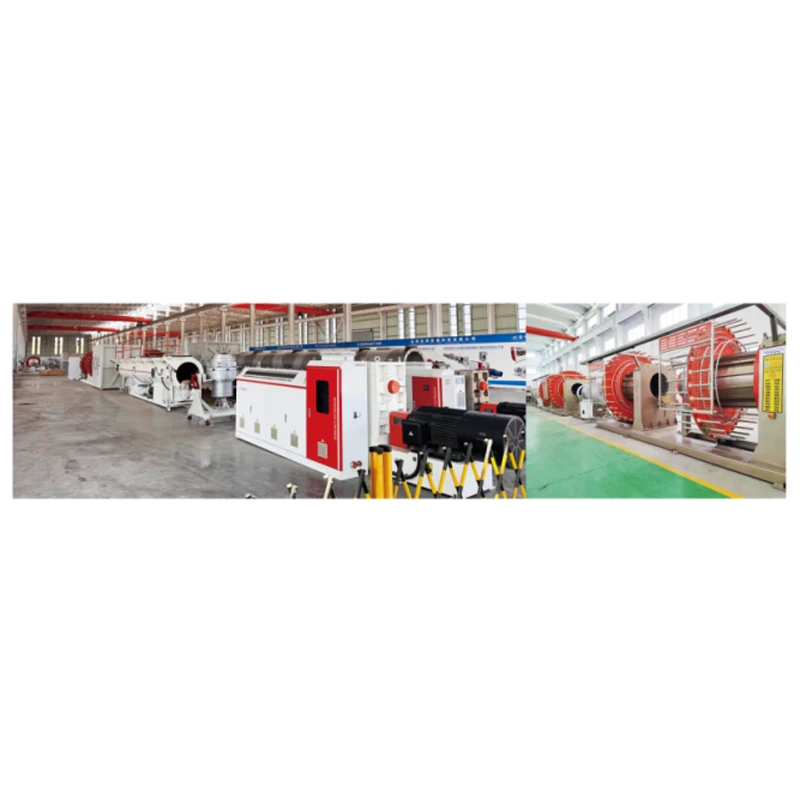
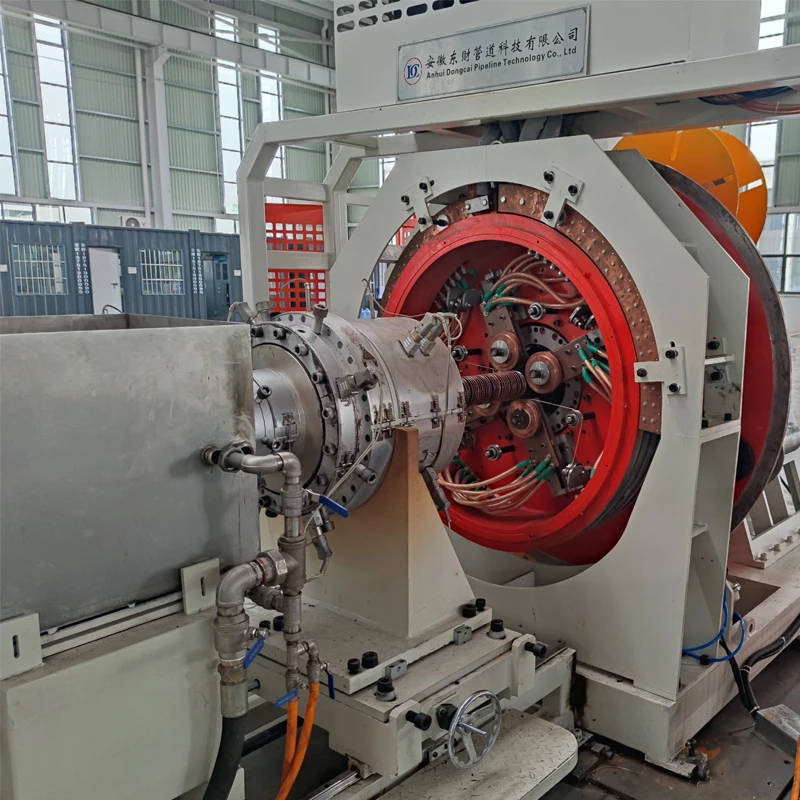
An extrusion pipe machine consists of several key components working in unison. These include the extruder (which melts and mixes the plastic material), the die (which shapes the molten plastic into the desired pipe profile), the calibration sleeve (which maintains the pipe’s dimensions), the cooling system (which solidifies the pipe), the haul-off unit (which pulls the pipe through the line), and the cutting unit (which cuts the pipe to the desired length). Each component’s quality and precision directly influence the final product's quality and output rate. Choosing a machine with high-quality components ensures reliability and minimizes downtime. Proper maintenance and regular inspection of each component are also vital for extending the machine's lifespan.
Key Components: Extruder, Die, Calibration Sleeve, Cooling System, Haul-Off Unit, and Cutting Unit. Each plays a vital role in producing high-quality pipes.
Types of Extrusion Pipe Machines
There are several types of extrusion pipe machines available, each suited for different materials and production volumes. Single-screw extruders are the most common type, suitable for processing a wide range of plastics like PVC, PE, and PP. Twin-screw extruders offer superior mixing and are ideal for more complex formulations or materials requiring precise control. Co-extrusion machines allow for the creation of multi-layered pipes with different properties. Furthermore, machines vary in automation level, ranging from semi-automatic to fully automatic systems. Understanding these distinctions will help you select the machine best aligned with your specific needs.
Extrusion Machine Types:
• Single-Screw Extruders
• Twin-Screw Extruders
• Co-Extrusion Machines
Comparing Single-Screw vs. Twin-Screw Extrusion Pipe Machines
Choosing between a single-screw and twin-screw extrusion pipe machine depends on your production requirements. Single-screw machines are generally more cost-effective and simpler to operate, making them ideal for high-volume production of standard pipes. Twin-screw machines, while more expensive, offer greater flexibility and control, particularly when processing recycled materials, or materials with additives. They also excel at creating pipes with consistent wall thickness and complex layers. Consider the material you'll be processing and the desired pipe quality to make the best decision.
Factors to Consider When Purchasing an Extrusion Pipe Machine
Beyond the type of machine, consider several factors before making a purchase. These include the pipe diameter and wall thickness you need to produce, the material you'll be extruding, the required production capacity, and your budget. Also, evaluate the supplier's reputation for quality, customer support, and after-sales service. A reliable supplier like AHDC11 can provide valuable guidance and support throughout the entire process, from machine selection to installation and maintenance. Don’t forget to factor in the cost of tooling, spare parts, and operator training.
Key Specifications to Look for in an Extrusion Pipe Machine
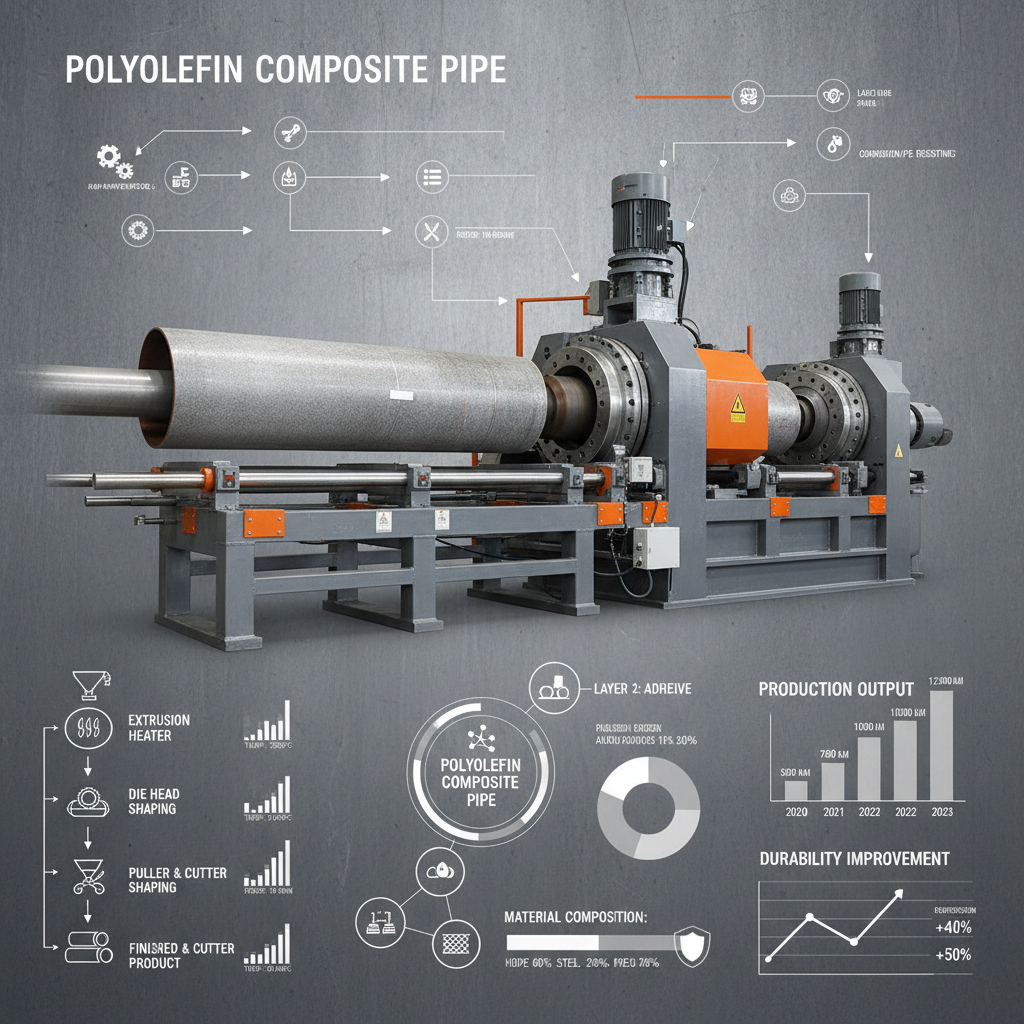
When evaluating potential machines, pay close attention to key specifications. These include the screw diameter, the L/D ratio (length-to-diameter ratio of the screw), the motor power, the extrusion capacity (kilograms per hour), and the control system. A higher L/D ratio generally improves mixing and melt homogeneity. The control system should be user-friendly and allow for precise control of process parameters. AHDC11 provides detailed specifications for each of its machines, ensuring transparency and enabling informed decision-making.
Conclusion: Investing in Quality for Long-Term Success
Choosing the right extrusion pipe machine is a significant investment that can impact your business’s efficiency and profitability. By carefully considering your production needs, material types, and budget, and partnering with a reputable supplier like AHDC11, you can ensure a successful outcome. Don't hesitate to seek expert advice and prioritize quality and reliability for long-term operational success.
Frequently Asked Questions (FAQs)
What is the typical lead time for an extrusion pipe machine order?
Lead times can vary depending on the machine's complexity and customization requirements. Generally, standard machines have a lead time of 6-12 weeks, while customized machines may take 12-16 weeks or longer. It’s best to discuss specific lead times with the supplier during the quotation process. Factors affecting lead time include component availability, production scheduling, and quality control procedures. AHDC11 provides clear lead time estimates upfront, ensuring you can plan your production accordingly.
What kind of after-sales support does AHDC11 provide?
AHDC11 offers comprehensive after-sales support, including installation assistance, operator training, technical support, and spare parts availability. We provide on-site installation and commissioning services to ensure your machine is set up correctly and running smoothly. Our technical support team is available to assist with any issues you may encounter. We maintain a readily available inventory of spare parts to minimize downtime. We also offer remote troubleshooting and preventative maintenance packages.
What materials can be processed with your extrusion pipe machines?
Our extrusion pipe machines are versatile and can process a wide range of plastic materials, including PVC, PE, PP, ABS, and PET. We offer customized die designs and screw configurations to optimize processing for specific materials. The suitability of a particular material will depend on the machine's configuration and the desired pipe properties. AHDC11’s team can advise you on the best machine configuration for your chosen material.
What safety features are included in your extrusion pipe machines?
Safety is a top priority in the design of our extrusion pipe machines. We incorporate several safety features, including emergency stop buttons, safety guards, overload protection, and temperature control systems. The machines are designed to meet relevant safety standards. We also provide comprehensive safety training to operators to ensure they understand the machine's safety features and procedures.
-
High Efficiency PE Extrusion Line Guide for Plastic ManufacturingNewsApr.16,2026
-
High Speed Steel Wire Mesh HDPE Composite Pipe Production Line - Anhui Dongchai|High Automation&Energy EfficiencyNewsApr.13,2026
-
High Speed Steel Wire Mesh HDPE Composite Pipe Production Line - Anhui Dongchai|High Automation&Energy EfficiencyNewsApr.13,2026
-
Guide to Choosing High Efficiency ppr pipe extrusion machineNewsApr.09,2026
-
Comprehensive Guide to Modern Pipe Production Line Technologies and OptimizationNewsApr.07,2026
-
Comprehensive Guide to PPR Pipe Extrusion Line Technology and ApplicationsNewsMar.31,2026
-
Understanding the Functionality and Applications of a Pipe Extruder SystemNewsMar.28,2026


